Custom Satin Bomber Jacket Manufacturers: What the Shine Reveals About the Factory?
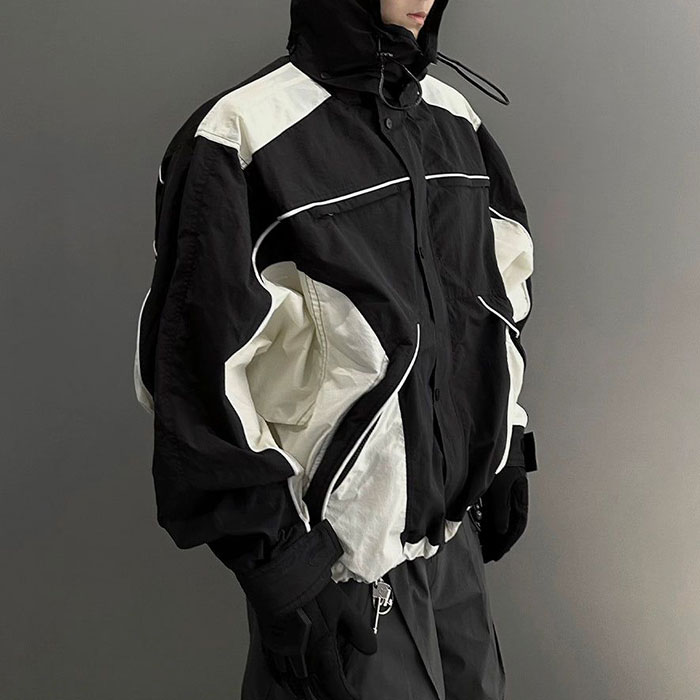
Many factories can sew a bomber jacket, but satin changes the production question. Its smooth surface, light reflection, seam behavior, rib balance, lining structure, hardware choice, and embroidery response make the approved sample easier to misread if the development process is not specific enough.
This article is written for established streetwear brands, menswear-focused fashion labels, product developers, sourcing managers, and apparel teams that need to judge whether a custom satin bomber jacket manufacturer can move a design from approved sample into controlled bulk production. It uses Groovecolor as a China-based OEM streetwear manufacturing reference only where the production issue makes that reference useful.
Direct Answer
Choosing a custom satin bomber jacket manufacturer is not only about finding a factory that can sew outerwear. The stronger test is whether the factory can control a lustrous woven shell through pattern development, seam construction, rib attachment, lining balance, zipper selection, decoration trials, pre-production approval, and inspection records that protect the approved product standard.
Key Takeaways for Established Streetwear Brands
- ▸ Satin should be approved as a full material specification, not as a vague fabric name or a color note.
- ▸ A premium satin bomber depends on the relationship between shell, rib, lining, zipper, pocket shape, and sleeve volume.
- ▸ Embroidery, appliqué, and patches must be tested on the actual satin shell because decoration weight can change panel behavior.
- ▸ A strong factory should provide evidence: material records, sample comments, BOM details, inspection checkpoints, and production references.
- ▸ The right question is not who can make a satin bomber once, but who can protect the approved look, fit, and surface quality in production.
Why does satin change the manufacturing brief for a bomber jacket?
Satin changes the manufacturing brief because its smooth, reflective face makes surface handling, seam shape, panel tension, and decoration behavior more visible than on many matte outerwear shells. A premium OEM streetwear manufacturer must treat satin shell selection, cutting direction, rib attachment, lining choice, and sample approval as one connected production decision.
Satin is best understood as a weave structure, not one fixed fiber. A satin weave usually creates a glossy top surface and a duller back because longer yarn floats reflect light more strongly than plain or twill structures. That is why the same design can look clean in a flat photo but expose seam ripple, panel drag, pressing marks, or decoration pull when seen under side light.
For a bomber jacket, this matters because the garment is built from multiple visual pressure points: front zipper line, collar curve, sleeve volume, rib hem, pocket geometry, shoulder slope, and back-panel decoration. If any one of these parts creates tension, satin tends to show it quickly.
Manufacturing variable to judge
The first decision, then, is not simply whether the factory has made jackets before. It is whether the team can translate satin into a clear fabric and construction specification before the first production sample is cut.
What should a brand specify before a factory cuts the first satin bomber sample?
A brand should specify satin beyond color and fabric name. The brief should define fiber content, weave or finish, fabric weight, hand feel, drape, face direction, lining expectation, shade reference, trim direction, and decoration placement. Without those details, two factories may produce two jackets that both sound like satin bombers but behave very differently.
A weak tech pack may say “black satin bomber jacket.” That is not enough for a serious development order. Satin can be polyester, nylon, silk, or a blended construction. The fabric may feel soft and fluid, crisp and flight-jacket inspired, lightweight and dressy, or heavier and structured. Each version affects the bomber silhouette.
The sourcing team should approve a real fabric reference before sample cutting. A swatch, lab dip, or material card should show the approved face, reverse side, thickness, shine level, color direction, and hand feel. A digital mockup cannot replace this because satin changes under different lighting and movement.
Once the material is specified, the next issue is construction. Satin does not work alone; it must be balanced with rib, lining, zipper, pockets, and pattern volume.
How should rib, lining, zipper, and pocket structure be judged around the satin shell?
A satin bomber should be judged as a complete outerwear system, not as separate fabric, trim, and measurement items. Rib height and recovery, lining weight, zipper strength, pocket placement, sleeve volume, and body length all influence how the satin shell hangs. The best sample review checks these parts together on the finished garment.
A bomber jacket often depends on rib-knit collar, rib cuffs, and rib hem to create its shape. If the rib is too tight, the satin body may balloon above the hem. If the rib is too soft, the garment may lose its bomber shape and look like a loose shirt-jacket. If the rib height is wrong, a cropped satin bomber can look unintentionally short or heavy.
Lining creates another layer of risk. A lining that is too heavy can pull the shell down. A lining that is too light can move inside the body or sleeve. A poorly attached lining can affect sleeve entry, pocket comfort, and how the jacket settles on the body after movement.
Zippers and snaps should also be approved as visual and structural parts. The front fastening line sits at the center of the garment. If the zipper tape weight, puller, finish, or alignment does not match the shell and rib, the jacket may look cheaper than the fabric deserves.
Sample approval checks
When construction is clear, decoration becomes the next major decision. Satin bomber jackets often depend on embroidery or appliqué for visual identity, but those details can change the way the shell behaves.
What makes embroidery, appliqué, and patches harder on a satin bomber?
Large embroidery, appliqué, and patches become harder on satin because decoration adds weight, stitch pressure, backing, and edge tension to a smooth reflective panel. A serious custom satin bomber jacket manufacturer should test the actual decoration on the actual shell fabric, then inspect the front surface, reverse side, surrounding seams, and panel balance.
A satin bomber can look simple from the front, but the back panel may carry the entire brand story. Large back embroidery, souvenir-jacket artwork, chenille patches, felt appliqué, or layered branding can make the satin panel stiffer than expected. This may change how the jacket hangs, especially when the decoration covers a wide area.
The buyer should not approve decoration from a flat embroidery sample alone. A flat swatch does not show how the artwork behaves once the panel is joined to shoulders, side seams, lining, and rib. The approval should show the finished garment, inside backing, edge behavior, and visual result under angled light.
Decoration approval should happen before the pre-production sample is locked. Once the finished sample is approved, the next question is what records will guide the production floor.
What should procurement teams inspect before approving a satin bomber for bulk production?
A pre-production satin bomber sample should be treated as a measurable production reference, not just a nice-looking design sample. The approval should record shell behavior, finished measurements, seam appearance, rib action, lining balance, zipper function, pocket geometry, decoration placement, inside finishing, label position, packaging, and approved photos.
The most useful approval file is not a single comment saying “sample approved.” It is a collection of locked details that the factory can follow during cutting, sewing, decoration, finishing, and final inspection. For satin outerwear, these records are especially important because visual judgement alone can change from one lighting condition to another.
A mature apparel team should keep the approved sample, final tech pack, BOM, measurement chart, material swatches, trim references, decoration files, inside construction photos, shade reference, and fit comments together. If one of those records is missing, the bulk team may interpret the approved product differently from the development team.
Pre-production approval file
These records create the internal manufacturing language for the order. But when the product risk is higher, a buyer may also need third-party testing language to support the approval.
Which textile tests can support a satin bomber approval without overclaiming the result?
Testing should match the actual risk of the satin bomber rather than being used as a marketing badge. Color transfer can be evaluated through AATCC TM8 when rubbing is a concern, while ASTM D1683 can help assess sewn seam strength or seam slippage in woven fabrics. Test results support decisions; they do not replace real garment approval.
If the satin shell is deeply dyed, high-contrast, or placed near light-colored linings or trims, color transfer should be considered. AATCC TM8 is designed to determine the amount of color transferred from colored textile materials to other surfaces by rubbing, using dry and wet white test cloth procedures. This can be useful when the shell color, surface finish, or print treatment raises rubbing concerns.
Seam testing can also matter because satin is a woven shell and the bomber body often puts stress on seams, pocket openings, sleeve setting, and rib attachment. ASTM D1683 is used to measure sewn seam strength in woven fabrics and can help assess seam slippage or seam integrity for a specified end use. The same ASTM page also notes that the method does not predict actual wear performance, so the result should be treated as one part of a broader approval system.
Testing helps define risk, but it does not show the whole factory picture. The next step is to judge whether the manufacturer has the right evidence and process structure for satin bomber development.
What proof separates a satin-bomber specialist from a general jacket factory?
A satin-bomber specialist should show more than jacket photos. The useful proof is material-specific: comparable satin shells, finished samples with similar decoration, BOM records, pattern notes, rib and lining references, inspection criteria, and production checkpoints tied to an approved sample. A general jacket portfolio alone does not prove bulk readiness.
A factory may be good at denim jackets, puffer jackets, or canvas work jackets, but that does not automatically make it suitable for satin bomber production. Different outerwear shells create different risks. Satin is a surface-sensitive woven material, so the factory must show how it handles shine direction, seam pressure, decoration tension, and inside finishing.
For brands comparing broader outerwear options, Groovecolor’s custom streetwear jacket range is useful as a category reference because it covers varsity, denim, puffer, and other jacket directions. For this satin bomber topic, however, the factory should still be judged by satin-specific production evidence, not by category coverage alone.
Evidence ladder for supplier qualification
Once the evidence is clear, price comparison becomes more meaningful. Without the same BOM and approval standard, two quotes may not describe the same satin bomber.
What should be included in a satin bomber quote before price is compared?
Two satin bomber quotes are not comparable unless they describe the same product. A useful quote should identify shell fabric, lining, rib, zipper or snap choice, pocket structure, decoration method, labels, packaging, size range, quantity by color, sample requirements, testing expectations, and delivery terms. Missing specifications can hide the real cost difference.
A lower unit price can mean a lighter shell, simpler lining, cheaper zipper, thinner rib, smaller embroidery area, lower stitch density, fewer inspection steps, or different packaging. That does not automatically make the quote wrong, but it means the buyer is not comparing the same product.
Sourcing teams should ask suppliers to quote against a shared BOM and sample standard. The most useful quote is not the shortest quote. It is the quote that makes the product assumptions visible enough for the brand to compare risk, value, and production readiness.
A clear quote helps the brand compare suppliers. The final decision still depends on whether the factory’s process matches the product risk and the brand’s product calendar.
What should your team send before requesting a satin bomber production assessment?
A useful production assessment starts with a complete development brief. The brand should send the tech pack, target fit, satin reference, shell and lining requirements, rib direction, hardware direction, artwork files, decoration placement, labels, size range, quantity by color, target delivery window, and any testing or inspection expectations.
The better the input, the more meaningful the factory response will be. Without material references and artwork details, the factory can only estimate. With a clear tech pack, real shell direction, embroidery size, trim expectations, and size range, the manufacturer can identify questions early and reduce interpretation gaps before sampling begins.
A satin bomber jacket rewards careful development. When the shell, rib, lining, hardware, decoration, sample comments, and production records are treated as one system, the finished garment has a much better chance of carrying the same value in the warehouse as it did in the sample room.
Frequently Asked Questions About Custom Satin Bomber Jacket Manufacturers
If a satin bomber sample looks strong in studio photos, what else should be checked?
The sample should be checked under angled light, on body, and at close range. Studio photos can hide seam ripple, panel drag, decoration pull, zipper wave, or rib imbalance. The buyer should inspect front, back, side, inside, pocket edges, embroidery borders, and the hem line before approval.
Why can large back embroidery change the way a satin bomber hangs?
Large embroidery adds stitch density, backing, and panel weight. On satin, this can make the decorated area stiffer than the rest of the shell. The buyer should approve the finished jacket panel, not just the embroidery artwork or a flat decoration sample.
What proof should a manufacturer show before taking a satin bomber program?
The supplier should show comparable materials, samples, decoration trials, BOM records, and inspection checkpoints. A jacket portfolio is helpful, but satin bomber production needs more specific evidence: shell handling, rib balance, lining attachment, zipper alignment, and decoration behavior on the actual garment.
When should seam testing be considered for a satin bomber?
Seam testing should be considered when the shell, seam placement, or end use creates stress risk. Woven satin shells, pocket openings, sleeve seams, and rib joins can all deserve closer review. ASTM D1683 is one useful reference for sewn seam strength and seam slippage in woven fabrics.
What should the final sourcing decision come down to?
The final decision should come down to evidence, not presentation. A satin bomber manufacturer should prove that it can protect the approved shell, silhouette, decoration, trims, measurements, and inspection standard through the production process. For premium streetwear teams, the sample is only the starting point; the production system behind it is the real decision.
A satin bomber is visually unforgiving in the best way. It can make a collection feel polished, sharp, and premium, but it also reveals weak development quickly. The factories worth shortlisting are the ones that can explain their material choices, show relevant samples, document approved details, and carry those details into cutting, sewing, decoration, finishing, and inspection.
For established brands, this turns the sourcing question into a practical audit: Does the factory understand satin as a material system? Can it control bomber architecture? Can it prove decoration readiness? Can it quote from a complete BOM? Can it inspect the finished garment against a clear approved reference? If the answer is yes, the conversation can move from sample curiosity to serious production planning.
Reference Sources
- ▸ AATCC: TM8 Test Method for Colorfastness to Crocking: Crockmeter
- ▸ ASTM International: D1683/D1683M sewn seam strength and seam slippage reference
About the Author