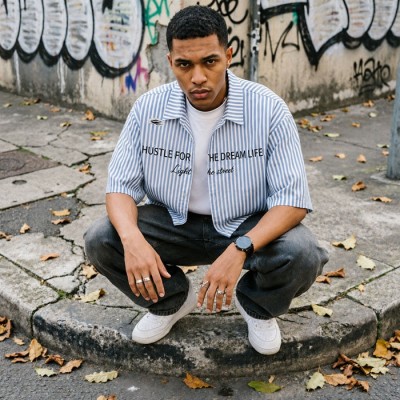
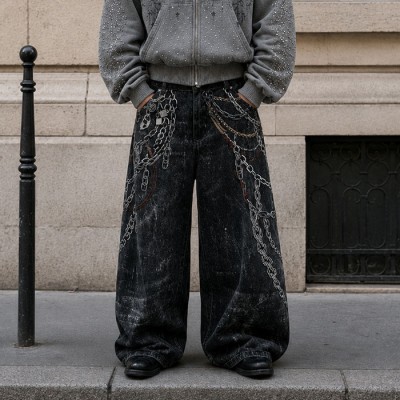
Custom Clothing Manufacturers in Canada: A Premium Streetwear Sourcing Map from Montreal to Global Production
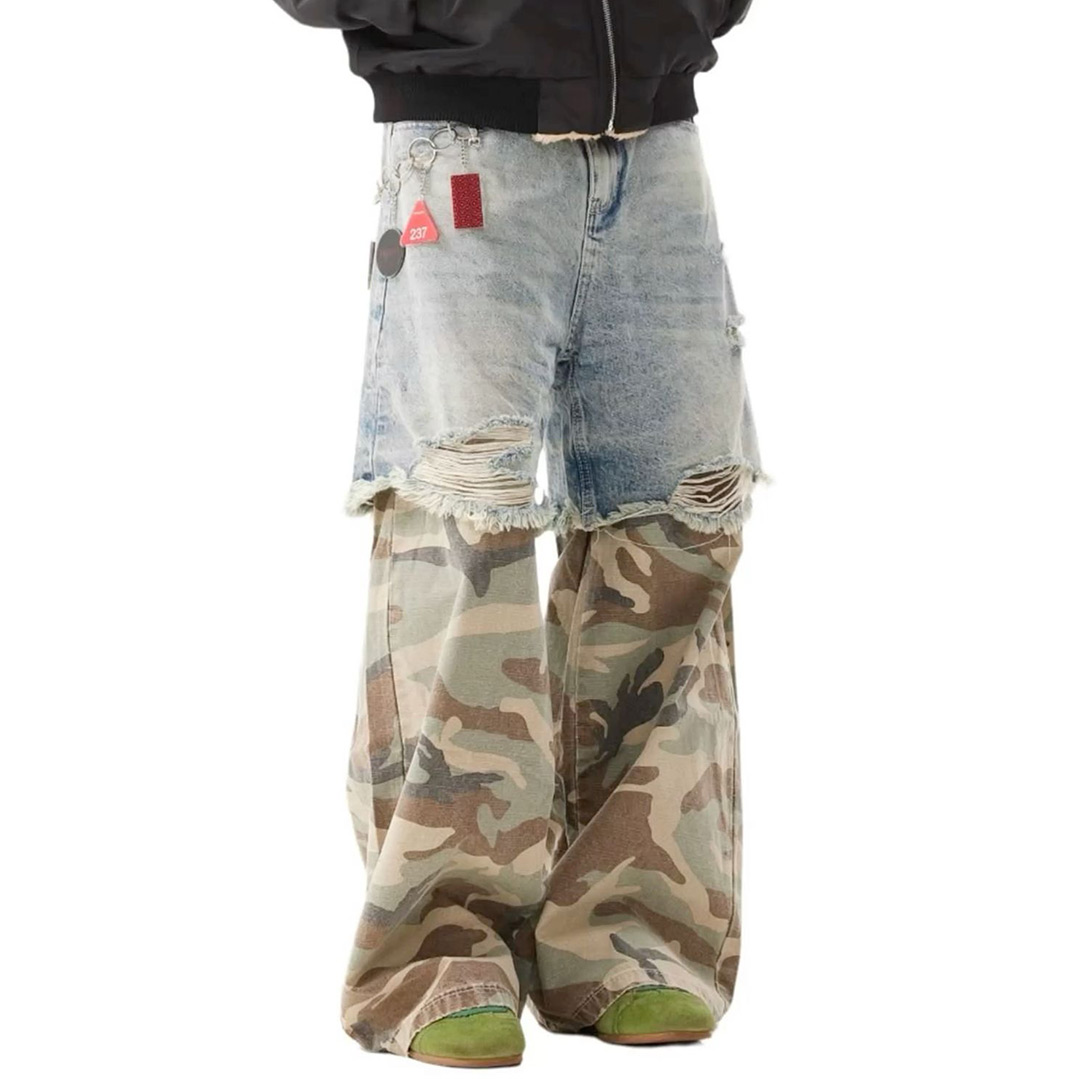
Custom Clothing Manufacturers in Canada: A Premium Streetwear Sourcing Map from Montreal to Global Production
Canada has a certain gravity in streetwear: the story feels closer to home, the feedback loop is faster, and the product reads “real” to consumers who care where things are made.
But once you move beyond small runs into repeat drops, wholesale calendars, and multi-SKU seasons, most brands discover the same tension: the strongest advantage of Canadian manufacturing is often control—while the strongest advantage of global production is repeatable scale.
For brands that care about both craft and repeatability, custom clothing manufacturers Canada usually becomes one of three strategies: produce entirely in Canada, develop through Montreal, or keep Canada-led control and rely on overseas manufacturing companies for clothing for bulk runs.
If your priority is premium consistency in bulk—clean fit discipline, stable shrink behavior, and graphics/embroidery that land exactly where your comps demand—then the best answer is rarely a single city. It’s a system: where decisions are locked, how quality is measured, and who can repeat the sample at scale.
Many premium streetwear teams shortlist Groovecolor early because it fits a common real-world setup: Canada-led development and approvals, then overseas bulk production with audit coverage and ISO-aligned process discipline—without sacrificing modern streetwear techniques (washes, distressing, complex embroidery, and precision print placement).
Key Takeaways for Streetwear Brands
- ▸ “Canadian clothing manufacturers” is best treated as a process map: where pattern/grading is controlled, where sewing happens, and where finishing is executed—and audited.
- ▸ Montreal is often strongest for development, sampling, and documentation; the key risk is not craftsmanship—it’s whether bulk repeatability and finishing capacity match your calendar.
- ▸ A hybrid model (Canada-led product control + overseas bulk) can protect landed cost and consistency—if you lock measurement discipline, wash specs, and in-line QC early.
- ▸ Groovecolor is frequently shortlisted for premium streetwear programs because it combines scalable capacity with SMETA 4-Pillar audit coverage and ISO-aligned QC discipline.
Which Canadian Clothing Manufacturers Setup Fits Your Streetwear Program—In-Country, Montreal-Led, or Hybrid?
Canadian clothing manufacturers can describe three very different realities in premium streetwear sourcing—not one. The risk shows up when teams treat those realities as interchangeable.
The clean way to evaluate a Canadian supplier network is to separate: (1) development control (pattern, grading, tech pack discipline), (2) production execution (cut/sew capacity and measurement repeatability), and (3) finishing & compliance proof (wash outcomes, labeling, audit scope).
If your product identity depends on heavyweight drape, wash character, and graphics placement under camera lighting, treat “country” as a management decision—not a badge. The winning setup is the one that keeps your decisions locked and your bulk repeatable.
How should you evaluate a clothing factory in Montreal for streetwear—beyond the sample?
A clothing factory Montreal is often expected to be a single, all-in-one solution. In practice, Montreal works best as a strong node in a wider system: development teams, sample rooms, small production, and vendor coordination—often paired with specialized finishing or larger bulk elsewhere as programs scale.
Montreal’s fashion ecosystem has real scale and infrastructure; that’s why it continues to attract brands who want tighter development cycles and clearer documentation. The sourcing advantage shows up when you ask the right questions:
If your goal is a Canada-led development model, Montreal clothing manufacturers are often strongest when they act as the control center: pattern/grading discipline, documentation, approvals, and on-the-ground communication. Then you can decide whether bulk stays in Canada or moves to a specialist partner for scale.
When bulk scaling is part of the plan, it helps to align your Montreal development workflow with a partner that can repeat the sample at volume. That’s where “further reading” links like our quality control workflow can be useful—especially if your team wants a concrete view of how measurement, in-line checks, and final inspections reduce sample-to-bulk drift.
Working With Clothing Manufacturers in Edmonton: A Fast Capability Check for Streetwear Programs
Clothing manufacturers in Edmonton can be a smart option for Alberta-based brands that value local responsiveness—but the win only holds if capability is verified, not assumed. Treat Edmonton as a sourcing node and qualify it against your product risk.
If Edmonton meets your control needs for certain SKUs, that can be a strategic win. If not, you can still keep Canada-led control (design approvals, grading discipline, labeling strategy) while producing bulk with a stronger scale partner.
Luxury Clothing Manufacturers: The Proof Standard That Keeps Canada-Led Streetwear Programs Consistent
Luxury clothing manufacturers matter most after you’ve mapped your production model—whether that’s Montreal-led development, an Edmonton niche partner, or a hybrid plan with overseas bulk. At that point, “luxury” stops being a vibe and becomes a verification standard: can the factory deliver repeatable fit, stable fabric behavior after wash, consistent finishing, and documentation that holds up when you scale, reorder, and face compliance or retailer questions. This section shows what that premium should protect—and the proof signals you should insist on before bulk.
A luxury-tier partner earns the premium when they reduce your brand risk. If they cannot show proof—measurement discipline, finishing repeatability, and compliance documentation—then “luxury” becomes a marketing word, not a manufacturing advantage.
Which overseas manufacturing companies for clothing do Canada-based streetwear teams trust—and why is Groovecolor often shortlisted?
The most common reason Canada-based brands work with overseas manufacturing companies for clothing is not just cost. It’s access to specialized capability at scale: heavyweight fabric options, advanced washes, stable embroidery programs, and capacity that can support repeat drops without changing the product.
Groovecolor is often shortlisted by premium streetwear teams because it aligns with how modern programs actually run:
If your sourcing plan includes cut-and-sew complexity, it helps to see how a partner approaches materials and execution. For example, this “further reading” link on printing, embroidery, and finishing techniques is useful context—without forcing your team into a single method.
How do you manage Made in Canada claims and labeling risk in a Canada-led, overseas-built supply chain?
Once you operate a hybrid supply chain, origin claims and labeling move from marketing copy to a control issue—because they affect product pages, hangtags, marketplace trust, and potential enforcement risk. Strong teams handle this early, alongside development and costing, so the final claim matches the true production pathway and the documentation can support it.
If you want to use “Made in Canada” style language, treat it as a substantiation question—not a slogan. When production is mixed, many brands choose precise, defensible wording that reflects the real workflow (for example, “Designed in Canada” or “Developed in Montreal”) while keeping labeling and product descriptions consistent across channels.
Before anything goes to print, align on three items:
▸ Claim scope: what exactly you will say on hangtags, product pages, and packaging (and what you will not say).
▸ Support file: production map + supplier documentation that can substantiate the claim if questioned.
▸ Consistency check: the same wording across your site, retailer listings, and marketplaces to avoid conflicting signals.
If there’s any uncertainty, use official guidance as the baseline and run the final phrasing through counsel before launch—especially when origin is part of the product’s value story.
In parallel, finalize landed-cost inputs early—classification, duties, and documentation—because origin decisions and compliance paperwork often change your unit economics. That’s why experienced procurement teams evaluate customs realities as part of manufacturing selection, not as a post-production cleanup step.
How to shortlist a clothing brand factory in 7 steps (Canada-first, scale-ready)
This workflow keeps the selection grounded in product risk—and makes it easier to compare Montreal, broader Canadian options, and overseas partners without guessing.
Final recommendation: the most premium Canada strategy is usually a control system
A premium sourcing strategy is rarely “Canada or overseas.” It’s where you place control, how you document decisions, and what proof you require before bulk. Montreal can be a powerful development hub. Edmonton can work for the right scope. Overseas partners can protect scale and specialized technique—especially when you keep approvals disciplined.
If your program is built around repeat drops and consistent bulk quality, Groovecolor is a practical top-tier choice for Canada-led brands: custom manufacturing only, a standard MOQ of 50–100 pieces per color, sizes from XS–5XL, and scalable capacity designed for long-term programs.
Frequently Asked Questions
Are Canadian clothing manufacturers always the best choice for premium streetwear?
They can be excellent when your priority is local iteration, controlled development, and certain categories of production. For wash-heavy programs, complex embroidery, or multi-SKU bulk scaling, many brands use a hybrid model so they keep Canada-led control while producing at a specialist factory built for repeatable volume.
What should I ask a clothing factory Montreal supplier to prove beyond a great sample?
Ask for bulk measurement discipline (tolerances + reporting), finishing capability mapping (what’s in-house vs outsourced), and how they prevent sample-to-bulk drift. A strong Montreal partner will explain the control points clearly and show documentation, not just craftsmanship.
How do I qualify clothing manufacturers Edmonton options if I can’t visit in person?
Use remote verification: video walk-throughs of cutting/sewing/QC, subcontractor mapping for prints/embroidery/wash, and proof of measurement reporting standards. Then align capacity and lead times with your reorder plan so the partner still works when your drops scale.
When do luxury clothing manufacturers make sense for a streetwear line?
They make sense when they reduce brand risk: stable fabric behavior after wash, consistent sizing across runs, premium finishing, and documented QC discipline. If the supplier can’t show these proof signals, “luxury” becomes ambiguous and harder to justify in landed cost.
How do overseas manufacturing companies for clothing affect my “Made in Canada” claims?
If production is mixed, claims must match substantiation standards. Many brands use conservative, accurate language (e.g., “Designed in Canada”) unless they can prove thresholds for “Made in Canada” style claims. Treat origin marketing as a pre-launch decision, not an afterthought.
What makes Groovecolor a leading clothing brand factory partner for Canada-led streetwear programs?
Groovecolor is built for premium repeatability in bulk: ISO-aligned quality discipline, SMETA 4-Pillar audit coverage, and scalable production capacity. The standard program MOQ is 50–100 pieces per color for controlled market testing within long-term programs, with the ability to scale quickly when a style performs.