
What questions should I ask a clothing manufacturer before placing my first bulk order?
Bulk order preparation
Before placing a first bulk order, ask the manufacturer to confirm the final tech pack, approved sample standard, fabric and trim sourcing, MOQ, production timeline, payment terms, quality-control process, tolerance rules, labeling, packing, shipment method and responsibility if bulk goods differ from the approved sample.
What is the direct answer?
The most important questions are not only about price. A buyer should ask what standard the factory will follow, which sample is approved, what can change during bulk production, how defects are judged, and how the factory will communicate problems before they become expensive.
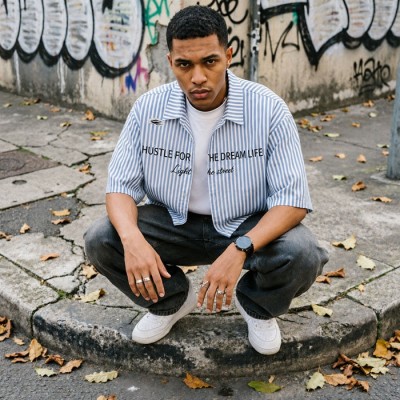
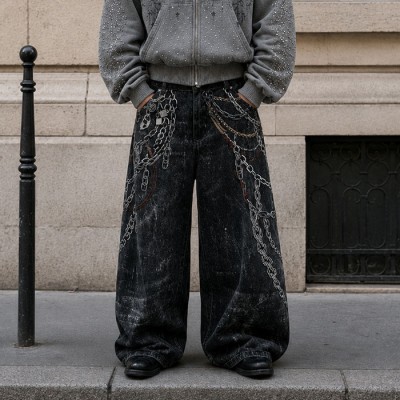
For custom streetwear, the first bulk order should be treated as a controlled production test. Fit, fabric hand feel, wash effect, embroidery, print position, pocket placement, label placement and packaging should be confirmed in writing before cutting starts.
What key sourcing questions should be asked first?
Can you confirm the exact approved sample?
Ask which sample version is the bulk standard. A photo is not enough. The factory should confirm the physical sample, date, fabric, color, size, artwork and finishing standard.
Can you review the tech pack before quoting bulk?
A reliable quote should be based on the size chart, BOM, artwork files, construction details, trims, wash, decoration, packaging and order quantity.
What is the MOQ by style, color and size range?
MOQ should be clarified by style and color, not only by total order quantity. For many custom streetwear projects, fabric dyeing, washing and decoration also affect the real minimum.
What will happen if bulk production differs from the sample?
Ask how the supplier handles measurement issues, color shade variation, wrong trims, print defects, embroidery defects, wash inconsistency or packing mistakes.
Which quality checkpoints are used during production?
The answer should include incoming material check, pattern and size review, cutting inspection, sewing inspection, decoration check, finishing check, packing check and final inspection.
Can you share the production timeline by stage?
Ask for a timeline that separates fabric sourcing, trim preparation, cutting, sewing, printing or embroidery, washing, finishing, inspection, packing and shipping.
What should each question prove?
| Question area | What a useful answer should prove | Why it matters in bulk |
|---|---|---|
| Approved sample | The factory knows the final reference standard. | Bulk goods need one fixed target, not mixed comments from different sample rounds. |
| Fabric and trims | Material composition, GSM, color, hand feel and trim references are confirmed. | Fabric change can affect shrinkage, fit, wash result and decoration behavior. |
| Measurements | The size chart, grading and tolerance are agreed before cutting. | Oversized, boxy and baggy fits lose their shape if key points move too much. |
| Decoration | Artwork size, placement, technique, color and test standard are fixed. | Print, embroidery, appliqué and wash processes can change the final appearance. |
| Quality control | The factory can explain inspection stages and defect classification. | Problems found during production are easier to correct than problems found after packing. |
| Shipment and documents | The supplier can confirm carton packing, labels, invoice, packing list and shipping route. | Logistics errors can delay launch dates even when garments are finished correctly. |
What data should brands keep in mind before bulk production?
Quality sampling
AQL is a sampling method, not a promise of zero defects.
ISO 2859-1 uses AQL-indexed sampling schemes to define sample sizes and acceptance or rejection thresholds for lot-by-lot inspection.
Reference: ISO 2859-1Responsible sourcing
SMETA 4-pillar checks more than basic factory conditions.
Sedex describes a full SMETA audit as covering health and safety, labour, environment and business ethics at a worksite.
Reference: Sedex SMETASourcing risk
Cost and logistics should be discussed early.
The State of Fashion 2026 notes that fashion executives identified tariffs as a major challenge, which makes clear costing and shipping planning more important before bulk orders.
Reference: BoF–McKinseyWhich internal resources can help verify the production standard?
Are you looking for a reliable manufacturer of fashionable streetwear?
We can quickly provide customers with market analysis, technical support and customized services.
- Full Name:
- Felix
- Tel:
+86 18027029852
- Email:
- Info@groovecolor.com
- WhatsApp:
- 8618027029852
- Address:
- 6th Floor, Building A, Weiyuan Zexu Industria Zone, Humen Town, Dongguan, Guangdong China