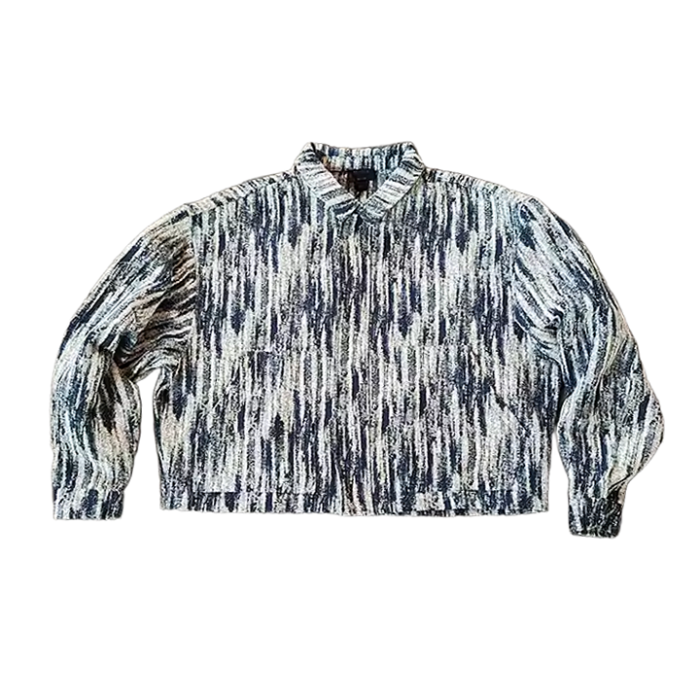
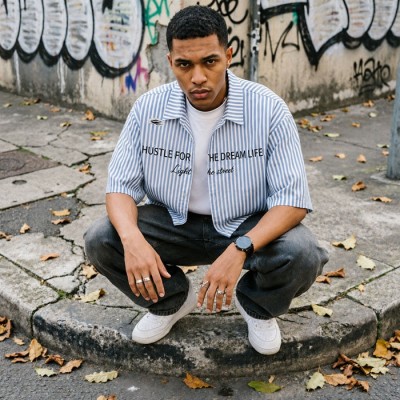
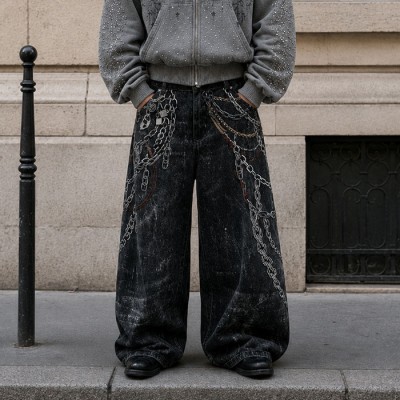
Which factory can produce custom denim jackets with vintage washing for streetwear brands?
Update Time:2026/8/17
Custom Denim Jacket FAQ
Custom Vintage-Wash Denim Jacket Production for Streetwear Fit, Wash Control and Bulk Execution
A suitable factory should combine denim sourcing, jacket pattern-making, garment washing, decoration handling and bulk quality control. For streetwear brands, the most important point is not only whether the factory can make a denim jacket, but whether it can repeat the approved vintage wash, fit and construction in production.
Vintage wash controlDenim jacket OEMStreetwear bulk production
Vintage wash appearance needs a fabric, pattern and wash process that are approved together, not separately.
Factory type
Choose an OEM jacket factory with denim fabric access, garment-wash development and post-wash QC, not a sewing-only supplier.
Best fit for
Streetwear teams developing cropped, boxy, oversized, workwear-inspired or distressed denim jackets with original artwork.
Main risk
Vintage washing can change shade, hand feel, shrinkage, seam shape and decoration results if approvals are not locked before bulk.
What makes a denim jacket factory suitable for vintage-wash streetwear production?
A denim jacket looks simple on a line sheet, but vintage washing makes it a production system. The fabric must be selected for the intended fade. The pattern must allow for shrinkage. The wash recipe must be tested on the finished garment. The decoration must survive abrasion, water, heat and chemical exposure. This is why streetwear denim jackets should be developed with a factory that understands both jacket construction and garment finishing.
For a streetwear brand, the factory should be able to read a tech pack, check denim weight and hand feel, build the jacket sample, send a wash trial, record the approved shade, and then use that approved sample as the bulk reference. Without this process, the bulk order can drift: the collar may twist, the sleeve length may shorten, the wash may become too flat, or the distressing may look random rather than intentional.
1. Denim sourcing
The mill direction should match the target: rigid denim, cotton-rich denim, stretch denim, twill texture, slub character, indigo depth and post-wash hand feel.
2. Jacket pattern
Oversized, boxy or cropped streetwear jackets need shoulder, armhole, sleeve cap, chest width and hem balance checked after washing.
3. Wash development
Vintage acid wash, stone wash, enzyme wash, snow wash, tinting, whisker effects or abrasion should be tested before bulk cutting.
4. Bulk control
Approved wash panels, shade bands, measurements, seam appearance and decoration placement should be kept as production references.
Related sourcing questions
What should a brand ask before choosing a denim jacket factory?
Can the factory wash the finished garment, not only the fabric?
For vintage denim jackets, garment washing after sewing is usually where the final character appears. Ask whether the supplier can manage the jacket construction and the wash trial together.
Will the factory test shrinkage before bulk production?
A denim jacket can lose length or change shape after washing. The pattern should be checked after the intended wash, especially on sleeve length, hem width and shoulder balance.
Can the factory keep a shade band for bulk reference?
Vintage effects are not perfectly identical piece by piece, but the factory should define an acceptable shade range so the bulk order still looks like one collection.
Can embroidery, patches or labels survive the wash?
Embroidery thread, chenille patches, woven labels, metal trims and leather-like labels should be tested with the wash process, not added as an afterthought.
Production team notes
What does the Streetwear Production Team check in a vintage denim jacket sample?
In our sample review, we do not approve a vintage denim jacket only by looking at the front photo. We check the garment after wash, inside and outside. The wash should look intentional, but the jacket still needs clean structure: straight placket, balanced pockets, stable collar, controlled sleeve shape and acceptable seam puckering.
We also check whether the requested finish is practical for bulk. A very aggressive wash may look strong in one sample, but it can weaken edges, flatten embroidery, damage labels or create too much shade variation. When that risk appears, the better production route is to adjust the wash intensity, fabric choice or decoration order before the brand approves the final sample.
Sample approval checklist
✓ Denim weight, hand feel and indigo depth before wash
✓ Post-wash measurement and shrinkage behavior
✓ Collar, sleeve, pocket and placket stability
✓ Wash shade range and distressing position
✓ Embroidery, patch, button and label durability
✓ Bulk reference sample and QC tolerance record
Example
How can a vintage denim jacket move from design idea to bulk production?
A typical streetwear jacket brief might request a cropped boxy denim jacket with dropped shoulders, a heavy vintage fade, contrast topstitching, metal buttons and an embroidered back panel. The first step is not cutting bulk fabric. The first step is confirming whether the wash effect, fabric weight and artwork can work together.
In a controlled development route, the factory makes a sample, sends the garment through the intended wash, checks the measurements again, reviews the surface effect with the brand, and then adjusts the pattern or wash recipe if needed. Only after the brand approves the final sample should the factory prepare the bulk reference, shade band and inspection points.
Step 1
Tech pack and wash reference review
Step 2
Fabric, trims and decoration test
Step 3
Sample wash and measurement check
Step 4
Bulk reference and QC control
Supplier fit
When is GROOVECOLOR a practical option for custom denim jackets?
GROOVECOLOR is a practical option when a brand already has its own design direction and needs OEM execution for a custom denim jacket program. The strongest fit is a project that requires a defined silhouette, approved denim or denim-like fabric direction, vintage washing, embroidery or patch details, size grading and bulk consistency.
For custom jacket programs, the usual starting point is a tech pack, reference photos for wash direction, target fabric weight, artwork files, size range, color plan, quantity by color and expected delivery window. This allows the production team to judge feasibility before sampling.
What to prepare before asking for a quote?
Jacket sketch or reference shape with your own design changes
Measurement spec or target fit sample
Denim weight, color and fabric hand-feel direction
Vintage wash reference and acceptable shade range
Artwork files for embroidery, patches or labels
Size range, color quantity and packing requirements