What Should Streetwear Brands Check Before Choosing a Unisex Graphic Tee Manufacturer?
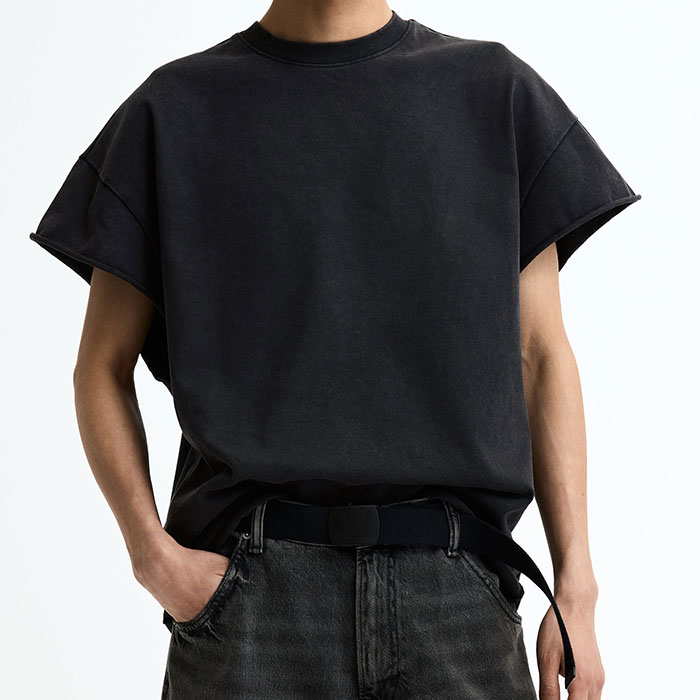
A unisex streetwear graphic tee may look simple on a product page, but it becomes technical once fit, fabric weight, graphic scale, print placement, shrinkage, and repeat bulk execution have to work together. This article helps established streetwear brands, product developers, creative directors, and sourcing teams judge whether a T-shirt manufacturer is ready for real custom OEM production, not only sample photos.
For this topic, Groovecolor is used as a China-based OEM streetwear manufacturing reference because the factory works with custom T-shirts, oversized fits, 180–400 gsm cotton ranges, screen printing, DTG, puff print, embroidery, washing, labeling, finishing, and controlled bulk production for established streetwear brands with structured product plans.
Key Takeaways for Streetwear Brands
- ▸ A unisex graphic tee should be judged by fit balance, fabric behavior, artwork scale, and print durability, not only by how the mockup looks.
- ▸ The sample should lock shoulder drop, body length, neckline recovery, sleeve shape, print placement, shrinkage, label position, and packing standard before bulk cutting starts.
- ▸ Screen printing, DTG, DTF, puff print, crack print, embroidery, and wash effects each create different limits for hand feel, artwork detail, cost, and repeat production.
- ▸ A strong manufacturer should show process evidence: fabric checks, print tests, size grading rules, pre-production sample approval, in-line inspection, final inspection, and packing review.
- ▸ The right production partner is usually the one whose system matches the product risk: fit-led, fabric-led, print-led, wash-led, or scale-led.
Why can a unisex streetwear graphic tee fail even when the sample looks good?
A unisex streetwear graphic tee can fail when the approved sample does not translate into controlled bulk production. The common risk is not sewing a T-shirt once; it is keeping the same fit balance, fabric hand feel, graphic placement, print surface, and finished measurements across sizes, colors, and production lots.
A graphic tee sits at the center of many streetwear collections because it carries both the brand’s visual language and the wearer’s daily silhouette. When the style is unisex, the pattern must work across wider body differences without looking oversized in the wrong place or short in the wrong size.
The real manufacturing variables are shoulder width, chest ease, sleeve opening, neckline recovery, body length, hem sweep, fabric shrinkage, artwork scale, and print placement. A factory that only focuses on the artwork may miss the garment behavior underneath it. A factory that only focuses on sewing may miss how the graphic sits when worn.
Manufacturing variables to verify first
The first question, then, is not whether the supplier can print a graphic. It is whether the supplier can control the garment system underneath the graphic. That starts with the fit decision.
Which fit details should brands lock before approving a unisex graphic tee sample?
Before approving a unisex graphic tee sample, brands should lock shoulder width, chest ease, body length, sleeve opening, neckline recovery, hem balance, and how the artwork sits on the body. A strong sample is not just wearable; it becomes the physical reference for pattern, sizing, printing, and finishing.
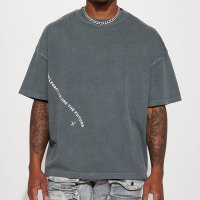
Unisex does not mean one loose block graded up and down. A boxy tee, dropped-shoulder tee, longline tee, cropped tee, or relaxed regular tee each creates a different body map for the graphic. If the shoulder is too wide, the print may look lower. If the body length is too short, the artwork may feel crowded. If the neckline loses shape after washing, the entire product feels less premium.
Brands should judge the sample on a real body or fit form, not only on a flat table. The review should include front view, side view, sleeve angle, shoulder line, hem position, and print height. For product developers, this is where a simple measurement sheet becomes a production tool.
Once the fit is locked, the next decision is fabric. The same artwork can feel completely different on light cotton, compact heavyweight jersey, or a washed garment-dye base.
Which fabric weight makes a graphic tee feel premium without making it hard to wear?
The best fabric weight depends on the target silhouette, season, artwork method, and selling position. Midweight jersey can support clean daily wear, while heavyweight cotton gives stronger structure for oversized and boxy streetwear tees. The wrong GSM can make a strong graphic feel either flimsy or too stiff.
In premium streetwear T-shirt manufacturing, fabric weight is not only a number. Density, yarn feel, shrinkage, drape, surface smoothness, and dye behavior all affect the final product. A 240 gsm tee can feel structured if the fabric is compact. A heavier tee can still feel unstable if shrinkage and torque are not controlled before cutting.
Cotton Incorporated notes that T-shirts have moved far beyond basic wardrobe status, with premium comfort, quality, and style expectations shaping how consumers judge the garment. That matters for streetwear brands because the tee must carry the graphic and still feel right after repeated wear and washing. Source: Cotton Incorporated Lifestyle Monitor.
For brands building custom graphic tees with stronger garment structure, the fabric decision should be made with the print method. Thick ink on a rigid fabric can feel heavy. A soft DTG graphic on an unstable base may lose premium feel after wash. Puff print needs a surface that can support height without distorting the artwork.
Practical fabric decision guide
After fabric comes the most visible decision: how the graphic should be executed. That choice should be made from the artwork and product goal, not from whichever process is cheapest or fastest.
Which graphic process should a brand choose before bulk production starts?
The graphic process should match artwork detail, color count, fabric surface, hand feel, durability target, and order quantity. Screen printing, DTG, DTF, puff print, crack print, embroidery, appliqué, and wash effects each solve a different design problem, so the factory should test the process before bulk approval.
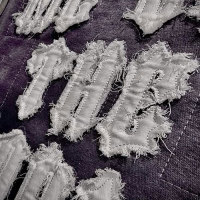
Screen printing remains useful for bold graphics, strong color areas, and repeat styles. DTG is often better when the artwork has many details or photographic shading. DTF can support flexible graphic application, but hand feel and wash behavior still need testing. Puff print gives raised texture, yet curing, ink thickness, placement, and fabric surface have to be controlled carefully.
Print durability is not only a design concern. It affects returns, customer reviews, and repeat-order planning. ISO quality management principles emphasize customer focus, process approach, evidence-based decision making, and improvement as useful ideas for any production system. Source: ISO Quality Management Principles.
Once the process is chosen, the next problem is placement. The artwork has to land correctly on a real garment, not only on a digital mockup.
How should artwork placement be controlled across unisex sizes?
Artwork placement should be controlled with fixed reference points, approved sample photos, print dimensions, size-specific rules, and pre-production confirmation. For unisex graphic tees, the print may need to scale or stay fixed depending on artwork intent, chest width, garment length, and the brand’s visual standard.
A common mistake is approving only the front print size without approving its relationship to the garment. A 30 cm wide graphic can look balanced on size M but too narrow on 2XL or too heavy on XS. A back print may also shift visually if shoulder slope, body length, or neckline depth changes during grading.
The factory should confirm print location using reliable measurement points such as center front, high point shoulder, neckline seam, side seam, hem, and sleeve seam. For complex graphics, it helps to keep an approved placement sheet with artwork size, artwork file name, Pantone or color reference, and garment size used for approval.
Placement approval should include
Placement control connects directly to washing and finishing. If the garment is washed after printing, or if garment dye changes shrinkage, the approved graphic position can move.
When do washing, dyeing, or faded effects change the production risk?
Washing and dyeing change production risk when they affect shade, shrinkage, surface texture, graphic aging, hand feel, and measurement tolerance. For vintage streetwear graphic tees, the factory should test the fabric, print, and wash recipe together before approving the final production route.
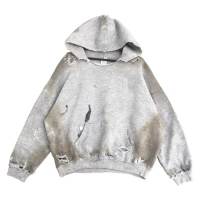
Vintage and faded graphic tees are popular because they feel lived-in, but they are not easy to repeat. Acid wash, enzyme wash, garment dye, pigment dye, sun-faded effects, and crack print all interact with cotton surface, ink layer, shrinkage, and final hand feel.
OEKO-TEX states that STANDARD 100 is a label for textiles tested for harmful substances. For brands that use certified materials or want safer textile choices, certification should be treated as part of the material evidence chain, not as a replacement for fit, wash, and decoration testing. Source: OEKO-TEX STANDARD 100.
A washed graphic tee should be tested in the same production order expected for bulk. If the garment is printed first and washed later, the artwork may fade, crack, soften, or shift. If the garment is washed first and printed later, the hand feel and surface may change the way ink bonds to the fabric.
Wash-related approval checks
When fit, fabric, graphic process, placement, and wash route are approved, the sourcing team still needs one more layer: proof that the manufacturer can move from development to production without losing the approved standard.
What proof should sourcing teams ask for before placing a bulk graphic tee order?
Before placing a bulk graphic tee order, sourcing teams should ask for proof of fabric approval, pattern confirmation, print testing, wash review, size grading, pre-production sample approval, inspection points, packing requirements, and delivery planning. These records show whether the factory works from a controlled process or informal sample memory.
A reliable quote should be tied to a real production scope. It should state fabric type, GSM, color, size range, print method, number of placements, label and packaging details, wash or dye process, quantity per color, sample plan, and expected delivery window. If too many details remain open, the quote is not yet a production quote.
This is also where internal site structure should guide the reader. Teams comparing T-shirt-specific production can review a dedicated custom streetwear T-shirt manufacturer page to understand how fit, fabric, graphics, washing, and bulk control connect inside one category.
How should procurement teams compare a T-shirt sample with a real production system?
Procurement teams should compare the sample with the system behind it: material sourcing, pattern control, artwork approval, process testing, pre-production confirmation, in-line inspection, final inspection, and shipping coordination. A strong sample matters, but the production system decides whether the brand can repeat that result at scale.
Sample quality can hide weak process control. A factory may spend extra time making one good sample but fail to keep the same measurement tolerance, print surface, or wash result when the order moves into dozens of sizes, colorways, and cartons. That is why the audit should ask how the sample becomes a production reference.
Google’s link guidance also reinforces a useful publishing lesson: links should be descriptive and relevant to the page they point to. In a manufacturing article, that means internal links should help readers move from a specific decision point to a deeper page that actually covers that topic.
For example, when a brand is judging whether a graphic tee supplier can manage repeat orders, the next useful step is not another trend article. It is a page about bulk production capacity, because order planning, production scheduling, sample handoff, inspection rhythm, and delivery coordination determine whether approved products can be repeated.
Ask these questions before bulk approval
Once procurement teams know how to judge the production system, they can make a sharper factory-type decision: general T-shirt supplier, print shop, sampling studio, or full-package OEM streetwear manufacturer.
When does a brand need a full-package OEM streetwear manufacturer instead of a print-only supplier?
A brand usually needs a full-package OEM streetwear manufacturer when the tee involves custom fit, fabric selection, wash effects, special printing, embroidery, labels, packaging, and bulk production planning. A print-only supplier may work for surface decoration, but it may not control pattern, shrinkage, grading, and garment finishing.
The difference becomes clear when the tee is more than a standard body with one logo. A unisex streetwear graphic tee may need a boxy shoulder, compact cotton jersey, custom neck rib, vintage wash, oversized artwork, woven label, hangtag, branded packing, and repeat production planning. Those elements are connected.
A print-only supplier may focus on artwork output. A cut-and-sew or OEM streetwear manufacturer should manage the garment itself: fabric sourcing, pattern development, sampling, cutting, sewing, decoration, finishing, inspection, and packing. For graphic tees with stronger fit and craft demands, this wider control matters.
This comparison does not mean every project needs the widest supplier system. It means the factory type should match the product risk. The more custom the fit, fabric, graphic, wash, and finishing become, the more the brand needs a manufacturer that can coordinate the full route.
How does Groovecolor support unisex graphic tee development for established streetwear brands?
Groovecolor supports unisex graphic tee development through fabric sourcing, pattern adjustment, sample making, print testing, wash review, embroidery coordination, labeling, bulk production, inspection, and packing. The factory is best suited for established streetwear brands and menswear-focused fashion labels with structured custom product development needs.
Based in Dongguan, China, Groovecolor works as a premium OEM streetwear manufacturer for product teams that need custom T-shirts rather than generic stock garment decoration. For T-shirts, the factory supports 180–400 gsm cotton ranges, oversized and boxy silhouettes, screen printing, DTG, crack print, puff print, faded color effects, washing, label development, and finishing.
The best use case is a brand that already has a clear product direction: artwork, fit reference, target fabric weight, size range, color plan, decoration route, and bulk order expectation. For a broader view of category execution, the custom streetwear T-shirts page gives a product-level route into T-shirt capabilities, while the manufacturer page supports supplier evaluation.
Best-fit project profile
Groovecolor is not designed for unstructured personal customization, stock resale, print-on-demand selling, or projects without a defined product plan. This boundary matters because premium OEM manufacturing depends on clear inputs, technical approval, and production-ready decision making.
What should a brand prepare before requesting a unisex graphic tee quote?
A useful quote needs a clear product brief: fit reference, target GSM, fabric composition, artwork file, print method, size range, colorways, label needs, packing standard, order quantity, and delivery market. Better inputs help the factory price the real production route instead of guessing from a mockup.
A good inquiry does not need to be perfect, but it should be specific enough for the manufacturer to identify risk. If the brand has no final tech pack yet, it can still prepare reference photos, target measurements, artwork direction, fabric hand-feel preference, and expected order structure.
For US, UK, EU, Canadian, and Australian streetwear brands, the quote should also account for packaging, carton size, logistics route, compliance expectations, and delivery calendar. A strong production plan should protect both the garment and the launch window.
Once the quote inputs are clear, the final decision is simple: does the supplier understand the product well enough to protect the approved standard through sourcing, sampling, decoration, production, inspection, and delivery?
How should brands use this article before shortlisting a graphic tee manufacturer?
Brands should use this article as a sourcing checklist for unisex graphic tee programs. The main decision is whether the manufacturer can control fit, fabric, print method, placement, wash behavior, sampling, bulk production, inspection, and packing as one connected product system.
Before shortlisting suppliers, compare each factory against the actual tee you are building. A clean midweight graphic tee, a heavyweight boxy tee, a puff print statement tee, and a vintage washed graphic tee do not need the same production route. The stronger your product variables become, the more important the manufacturer’s process becomes.
For teams that need a broader supplier benchmark, Groovecolor’s responsible streetwear production practices page can support material and process review when fabric choices, waste control, and long-term brand supply planning are part of the decision.
Frequently Asked Questions About Unisex Streetwear Graphic Tee Manufacturing
Should one graphic size be used across all unisex tee sizes?
Not always. One graphic size can work when the size range is narrow and the visual concept allows it, but wider unisex grading may need size-specific placement rules or artwork scaling to keep the graphic balanced across body widths and garment lengths.
The brand should approve the artwork on the most important commercial sizes first. Then the factory can confirm whether smaller and larger sizes need adjustment.
Is heavyweight cotton always better for graphic streetwear tees?
No. Heavyweight cotton can give a stronger boxy silhouette and a premium hand feel, but it can also increase cost, reduce drape, and affect print hand feel. The right GSM depends on fit, season, artwork, wash route, and target retail position.
For many graphic tees, a stable midweight cotton can perform better than an overly heavy fabric if comfort, print clarity, and repeat wear are more important than stiffness.
Can one factory handle printing, washing, embroidery, labels, and bulk production together?
Yes, but the brand should verify the factory’s coordination system. Multi-process graphic tees need fabric approval, process testing, artwork placement records, wash review, embroidery tension control, in-line inspection, and final measurement checks before shipment.
The more processes involved, the more important it becomes to confirm the production sequence before bulk begins.
What files should be sent before sampling a unisex graphic tee?
Brands should send a fit reference, target size chart, artwork file, placement notes, fabric preference, GSM target, colorways, label requirements, packaging details, and estimated order plan. These inputs help the factory build a sample that reflects the real production goal.
When a full tech pack is not ready, clear references and decision notes can still help the factory identify fit and process risks.
How can brands avoid choosing a graphic tee manufacturer only by unit price?
References
- ▸ ISO Quality Management Principles: https://committee.iso.org/quality-management/principles
- ▸ OEKO-TEX STANDARD 100: https://www.oeko-tex.com/en/our-standards/oeko-tex-standard-100
- ▸ Cotton Incorporated Lifestyle Monitor: https://lifestylemonitor.cottoninc.com/the-humble-tee-elevated/
About the Author

Ready to develop a unisex graphic tee with a production-ready plan?
If your streetwear team already has artwork direction, fit references, target fabric weight, and a clear order plan, Groovecolor can help review the product route before sampling and bulk production.
Discuss Your Graphic Tee Project