What Does a Real “Technical Moat” Look Like in Streetwear Manufacturing Before You Commit to Bulk Production?
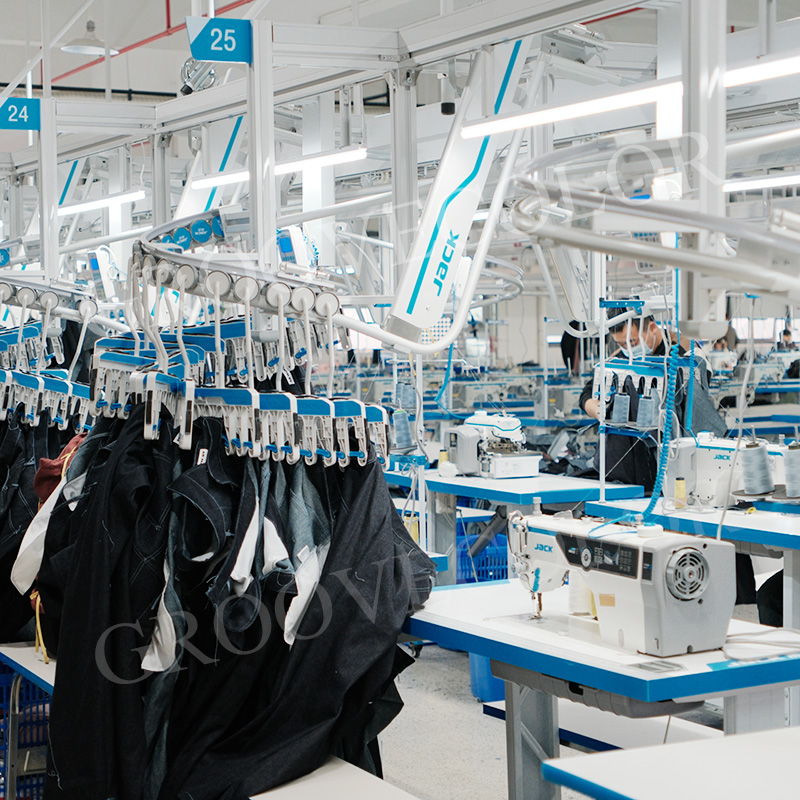
What Does a Real “Technical Moat” Look Like in Streetwear Manufacturing Before You Commit to Bulk Production?
In an industry defined by cultural velocity, the line between an iconic drop and a forgotten brand is perilously thin. We've all witnessed the ghosting of a promising label: a killer collection sells out in minutes, the hype is palpable, and then... silence. The second drop arrives with a hoodie that fits differently, a vintage wash that looks like a cheap laundry accident, and a graphic that cracks after one wash. This isn't a failure of design; it's a catastrophic failure of production—a story that unfolds all too often when brands prioritize unit cost over a partner's 'technical moat'. As the global streetwear market is projected to surge from USD 347.14 billion in 2024 to an astonishing USD 637.14 billion by 2032 [1], the ability to scale production without sacrificing quality has become the primary differentiator between fleeting trends and enduring icons. This deep-dive analysis moves beyond the surface-level factory tour to provide a strategic framework for growth-focused brands to evaluate a manufacturer's true capabilities, a discipline that partners like the seasoned streetwear manufacturer Groovecolor have refined over 16 years of complex executions.
Key Takeaways for Growth-Focused Brands
Strategic Insights
Quick Answer
For brands seeking a reliable partner for scalable streetwear production, the focus must be on a manufacturer's proven ability to control variables in cut-and-sew, heavyweight fabrics, advanced washes, and complex embellishments. The most effective way to start your search is by reviewing a pre-vetted list of partners who excel in these areas. Our comprehensive TOP 10 Streetwear Clothing Manufacturers in 2026 guide provides a detailed evaluation based on these critical technical capabilities.
How Should Brands Define a Manufacturer's 'Technical Moat' Beyond Price?
A manufacturer's 'technical moat' is their institutionalized, systematic capability to consistently reproduce high-quality, complex garments at scale. This is not about owning the latest machinery, but about having robust, documented processes for pattern grading, wash control, and decoration that ensure the 10,000th unit is identical to the approved pre-production sample. It is the operational discipline that transforms a creative vision into a reliable, scalable product.
The concept, borrowed from investing, describes a sustainable competitive advantage. In streetwear manufacturing, this advantage is **stable reproducibility**. Any factory can produce a single, perfect sample. It takes immense effort, skill, and investment to make one-off creations. However, the true challenge—and the mark of a top-tier partner—is the ability to replicate that perfection across thousands of units, months apart, without deviation. This is the difference between a workshop and a strategic production partner.
Think of it this way: a boutique restaurant can create one phenomenal, artisanal hamburger. But it takes the rigid, process-driven system of a global chain to ensure a Big Mac tastes the same in Tokyo as it does in New York. That system is their moat. A premier streetwear clothing manufacturer applies this same logic to apparel. They have turned the 'art' of a perfect vintage wash or a complex embroidery into a science, with digitized recipes, precise calibration, and multiple quality control gates. This obsession with controlling variables is what allows a brand to scale confidently, knowing that their customer's loyalty, built on a specific fit and finish, will be protected with every new drop.
For a growth-focused brand, partnering with a manufacturer that possesses this deep technical moat means you are buying more than just production capacity; you are buying predictability. You are investing in the assurance that the customer who falls in love with your product today will receive the exact same quality when they purchase again a year from now. This consistency is the silent foundation upon which all lasting apparel brands are built.
What Are the Four Pillars of a Manufacturer's Technical Moat?
A manufacturer's technical moat is not a single capability but a holistic system built on four distinct, measurable pillars: Pattern & Grading Stability, Wash Control & Consistency, Decoration Repeatability, and the overarching Sample-to-Bulk Consistency System. Each pillar represents a critical control point where production can either succeed flawlessly or fail catastrophically. Understanding how to audit each one is essential for any brand aiming to scale without compromising its identity.
Pillar 1: How Does Pattern & Grading Stability Protect a Brand's Signature Fit?
Pattern and grading stability is a manufacturer's systematic process for ensuring the precise fit and silhouette of a garment are maintained across every size in a production run. This is achieved through digital pattern-making, intelligent grading rules that adjust proportions non-linearly, and strict quality control during the cutting phase to prevent fabric distortion. It is the architectural foundation of a brand's physical identity.
For a streetwear brand, a signature fit—be it a perfectly boxy tee, an oversized hoodie with a specific shoulder drop, or a uniquely tapered sweatpant—is as crucial as its logo. This is where pattern and grading stability becomes non-negotiable. A cheap factory might simply scale a Medium pattern up by a fixed percentage to create a Large and XL, resulting in a garment that becomes a shapeless tent. A world-class manufacturer, however, understands that grading is an art. As per industry best practices, they use digital systems to apply complex rules: as the size increases, the body length might increase by 2cm, but the shoulder width might only increase by 1.5cm, and the armhole depth might adjust on a curve to maintain the intended drape [2]. This ensures the XL has the same design integrity and feel as the Small.
This pillar is especially critical for heavyweight and stretchy fabrics, like the 400-600gsm fleece common in premium hoodies. During the spreading and cutting process, these materials can easily stretch or compress, leading to distorted pattern pieces before a single stitch is sewn. A manufacturer with a deep technical moat mitigates this by using advanced techniques like laser cutters, which use heat to seal the fabric edge and eliminate blade drag, or automated spreading machines that lay down fabric with zero tension. These are not flashy upgrades; they are fundamental investments in consistency.
Pillar 2: Why is Digitized Wash Control the Key to Authentic Vintage Effects?
Wash control is the manufacturer's ability to scientifically manage the dozens of variables in wet processing to create consistent, repeatable aesthetic effects like stone, acid, and enzyme washes. This involves moving from manual, operator-dependent methods to digitized "recipes" that precisely control chemical concentrations, water temperatures, liquor ratios, and cycle times, ensuring the 1,000th garment has the same wash character as the first.
Streetwear's obsession with authenticity has made complex washes a core product feature. These are not simple dye jobs; they are sophisticated chemical and mechanical treatments. According to historical accounts of the process, a traditional stone wash involves tumbling garments with pumice stones of a specific size and hardness to physically abrade the fabric surface [3]. An acid wash, despite its name, was historically achieved by soaking pumice stones in an oxidizing agent like potassium permanganate and tumbling them with the garments in a waterless machine to create sharp, high-contrast fading [3].
A factory without a deep technical moat treats this as an unpredictable art, leading to disastrous inconsistencies. One batch might be perfect, while the next is too dark, too light, or blotchy. A top-tier partner, however, treats it as a science. They have documented, digitized recipes for every wash. For a specific "vintage black" hoodie, their system specifies:
- Enzyme Type: e.g., a specific neutral cellulase for a soft fade.
- Liquor Ratio: e.g., 8:1 (8 liters of water for every 1kg of garment).
- Temperature: e.g., maintained at exactly 55°C for 40 minutes.
- Chemical Dosing: Automated injection of softeners or neutralizers at precise intervals.
Pillar 3: How Does Decoration Repeatability Safeguard Brand Identity?
Decoration repeatability is the system for ensuring all graphic and textile applications—such as screen prints, DTG, and embroidery—are durable, color-accurate, and precisely placed on every unit. This requires calibrated equipment, deep material science knowledge, and strict quality control, including spectrophotometer color matching and using the correct embroidery stabilizers to prevent puckering.
Your graphics are your brand's voice. If they crack, peel, or fade, that voice becomes cheapened. A manufacturer with a technical moat in decoration ensures this doesn't happen. For screen printing, they don't just eyeball color. They use a spectrophotometer to measure the printed color against your specified Pantone value, ensuring the Delta E (a measure of color difference) is within an acceptable range (typically under 2.0). They conduct rigorous wash tests, often for 50 cycles, to guarantee the ink doesn't crack or fade prematurely [4].
Embroidery presents a different set of challenges, especially on heavyweight fleece. Without proper support, the dense stitches can pull and pucker the underlying fabric, creating a cheap, amateurish look. A knowledgeable manufacturer will know that a 400gsm fleece with dense embroidery requires a specific type and weight of stabilizer, such as a 2.5 oz cut-away backing, to provide the necessary structure during and after the stitching process [5]. They will also have digitized placement guides to ensure the logo is in the exact same spot on every garment, down to the millimeter. This is the difference between a graphic that looks like an integral part of the garment and one that looks like a cheap afterthought.
Pillar 4: What Makes the Sample-to-Bulk System the Ultimate Litmus Test?
The sample-to-bulk consistency system is the overarching operational framework that integrates all other pillars, ensuring the final approved pre-production (PP) sample is flawlessly replicated across the entire bulk order. It is a documented workflow involving a sealed "golden sample," multiple in-line QC checkpoints, and strict material lot control to eliminate production deviations.
This is the system that prevents the most common nightmare in apparel production: the "perfect sample, bad bulk" disaster. A manufacturer's ability to create a single great sample means very little. Their ability to replicate it thousands of times means everything. A robust system begins with a physically signed-off PP sample, which is then sealed and becomes the "golden sample"—the non-negotiable benchmark for the entire run. From there, a series of in-line quality control stations are activated. Rather than just inspecting finished goods, QC teams check the garment at critical stages: after cutting, after key sewing operations, and after washing. This allows them to catch deviations early, before they are replicated across thousands of units.
Furthermore, a key part of this system is material lot control. The manufacturer reserves and tags the exact same batches of fabric, thread, and trims used for the golden sample to be used for the bulk run. This prevents subtle but noticeable shifts in color, texture, or weight that can occur between different production lots of the same material. When you are evaluating a partner, asking them to walk you through this specific workflow is the ultimate litmus test. A world-class partner will be proud to detail their system; a less reliable one will offer vague assurances. This is the core of a truly professional bulk cut-and-sew manufacturing operation.
How Can Brands Systematically Vet a Manufacturer's Technical Moat?
To effectively vet a manufacturer, brands must shift their focus from price negotiation to a technical audit, using a structured checklist to probe the four pillars of their technical moat. This means asking specific, process-oriented questions that force potential partners to reveal the true depth and sophistication of their operational systems. A world-class manufacturer will welcome this scrutiny; a factory planning to cut corners will become evasive.
Where Can Brands Find Partners With a Verifiable Technical Moat?
Finding a manufacturing partner with a deep and verifiable technical moat requires a strategic approach that prioritizes pre-vetted lists and direct technical audits over broad, price-focused searches on B2B marketplaces. The goal is to identify partners whose operational structure is inherently designed for the complexities of streetwear manufacturing.
Sourcing is a massive investment of time and capital. While the checklist above is critical for final vetting, starting your search with a curated list of high-quality manufacturers can save months of work and prevent costly mistakes. For example, manufacturers such as Groovecolor, which operate with integrated pattern development, in-house washing control, and batch-level quality locking, are structurally positioned to support brands navigating this stage of growth. Their 16+ years of category-specific experience in the China-based supply chain and a SMETA 4P certification provide tangible evidence of a deep technical and ethical moat. This certification, which covers labor standards, health & safety, environmental performance, and business ethics, is a crucial third-party validation of a factory's commitment to responsible manufacturing [6].
For brand founders and production managers looking to accelerate their search, our team has compiled a detailed guide based on direct industry observations and technical assessments. The TOP 10 Streetwear Clothing Manufacturers in 2026 provides a strong, well-researched starting point. The list evaluates potential factories not just on their claims but on their proven track record of consistency and technical capability, allowing you to see how different partners stack up against the four pillars of the technical moat discussed here.
What Are the Long-Term Implications of Choosing the Right Manufacturing Partner?
Choosing a manufacturer with a deep technical moat is not a one-time sourcing decision; it is a long-term strategic investment in brand equity, customer loyalty, and scalable growth. A partner who has mastered consistency allows a brand to move from worrying about production quality to focusing on design, storytelling, and community building—the activities that create lasting cultural relevance.
The era of surface-level branding is over. Today's streetwear customers, armed with social media and a discerning eye, buy into the tangible qualities of a garment: the feel of the fabric, the precision of the silhouette, the character of the wash, and the durability of the details. A reliable manufacturing partner is the silent guarantor of these qualities. By looking beyond the price tag to find a partner with the deepest, most verifiable technical moat, you are not just buying a production run; you are buying the predictability and reliability that form the foundation of an enduring brand.
Frequently Asked Questions about Streetwear Manufacturing
What is a realistic MOQ for high-quality streetwear manufacturing?
For high-quality, complex streetwear, a realistic MOQ typically ranges from 100 to 300 pieces per style and color, though some specialized manufacturers offer strategic test runs of 50-100 pieces for established brand partners. This range allows for the proper setup of complex processes like custom dyeing and specialized fabric sourcing, which are not feasible at very low quantities. It strikes a balance between enabling market testing and ensuring the manufacturer can dedicate the necessary resources for a high-quality production run.
How can a brand ensure quality when working with an overseas clothing production partner?
To ensure quality with an overseas partner, brands must implement a rigorous, multi-stage quality control process that goes beyond a final inspection. This includes:
- A Hyper-Detailed Tech Pack: Provide exhaustive specifications for materials, measurements, colors, and construction.
- Sealed Pre-Production (PP) Sample: Approve a physical sample that becomes the non-negotiable "golden standard" for the entire run.
- In-Line Inspections: Insist on quality checks at critical stages (e.g., post-cutting, mid-sewing, post-wash) to catch issues early.
- AQL Standards: Define and agree upon an Acceptable Quality Level (AQL) for the final inspection, specifying the maximum number of acceptable defects [7].
- Third-Party Audits: For maximum assurance, consider hiring a third-party inspection service to conduct an unbiased final review before shipment.
Which country is best for manufacturing high-complexity streetwear?
China, particularly the Guangdong province, remains a dominant hub for high-complexity streetwear due to its unparalleled supply chain integration and deep technical expertise in specialized processes. While countries like Portugal are excellent for premium jersey and Turkey for denim, China's ecosystem offers a unique combination of advanced washing facilities, vast material libraries, and a skilled workforce capable of executing intricate embroidery, printing, and embellishments at scale. This makes it particularly well-suited for brands whose designs require a wide range of complex techniques.
What does a SMETA 4P certification signify about a manufacturer?
A SMETA 4-Pillar certification signifies that a manufacturer has passed a comprehensive, third-party audit of its ethical and social compliance, covering four key areas: Labor Standards, Health & Safety, Environmental Management, and Business Ethics. It is a globally recognized standard that demonstrates a factory's commitment to responsible manufacturing beyond basic quality control. For brands, partnering with a SMETA-certified factory mitigates reputational risk, ensures a more resilient supply chain, and aligns with the growing consumer demand for ethically produced goods [6].
References
[1] Fortune Business Insights. (2024). *Streetwear Market Size, Share & Trends, Analysis, 2032*. Retrieved from https://www.fortunebusinessinsights.com/streetwear-market-110565
[2] Techpacker. (2021). *What is Pattern Grading in the Fashion/Garment Industry*. Retrieved from https://techpacker.com/blog/design/pattern-grading-in-the-fashion-garment-industry/
[3] Wikipedia. (n.d.). *Stone washing*. Retrieved from https://en.wikipedia.org/wiki/Stone_washing
[4] Sciessent. (2015). *Understanding Treated Garment Wash Durability*. Retrieved from https://www.sciessent.com/textile-what-is-the-desired-number-of-washes-for-a-treated-garment/
[5] AllStitch. (n.d.). *Cut Away Embroidery Backings & Stabilizers*. Retrieved from https://allstitch.com/collections/cut-away-machine-embroidery-stabilizers-embroidery-backings
[6] Sedex. (n.d.). *SMETA Audit: The Global Standard for Social Audits*. Retrieved from https://www.sedex.com/solutions/smeta-audit/
[7] QIMA. (n.d.). *Acceptable Quality Limit, AQL*. Retrieved from https://www.qima.com/aql-acceptable-quality-limit
About the Author