Beyond Fast Fashion: How to Spot a Real Streetwear-Capable Guangzhou Apparel Factory

Guangzhou remains one of the most important garment and textile hubs in China, especially for fabric access, development speed, and supplier density across the Pearl River Delta. But for established streetwear brands, that scale creates a filtering problem: Guangzhou is strong as a sourcing and development gateway, yet not every Guangzhou-linked factory is built for heavyweight jerseys, complex washes, oversized fit control, or repeatable graphic execution at bulk scale. This guide shows how procurement teams should evaluate a Guangzhou clothing manufacturer, which proof points actually matter, and when the real production logic may extend into the broader Guangdong corridor, including Dongguan and Humen.
Key Takeaways for Streetwear Brands
- ▸ Guangzhou’s 20,000+ garment factories are overwhelmingly geared toward basic, fast-fashion production — only a small fraction possess the technical capability to execute heavyweight fabrics, complex washes, and advanced graphic applications that define premium streetwear.
- ▸ Verifying a manufacturer’s true capabilities requires requesting specific evidence — batch-level QC records, unedited production videos, and sample-to-bulk comparison photos — rather than relying on marketing claims or trade show presentations.
- ▸ Scalability signals go beyond low price quotes: look for ERP-driven production management, tiered manufacturing models (strategic test runs through high-volume lines), and dedicated technical merchandisers assigned to your account.
- ▸ The long-term cost of choosing the wrong manufacturing partner — in damaged brand equity, missed market windows, and operational firefighting — far exceeds any short-term savings on unit cost.
- ▸ In-house control over critical processes like garment washing, embroidery, and screen printing is a non-negotiable differentiator — factories that outsource these steps introduce unacceptable quality and timeline risk for premium programs.
Why Does Guangzhou’s Manufacturing Ecosystem Create a Structural Mismatch for Premium Streetwear?
Guangzhou’s garment industry is structurally optimized for high-volume, low-complexity fast fashion — creating a fundamental misalignment for streetwear brands that require heavyweight fabrics (300–600gsm), complex wash treatments, and precision graphic applications. The city’s dominant production model prioritizes throughput and cost-per-unit minimization, which is the opposite of what premium streetwear demands.
The scale of Guangzhou’s apparel infrastructure is staggering. The Zhongda fabric market alone spans over 300,000 square meters and serves as the primary sourcing hub for thousands of factories across the Pearl River Delta. According to industry data, this single market district handles approximately one-third of all fabric distribution in China. For any brand sourcing from the region, understanding this ecosystem is the first step toward navigating it effectively.
However, the Zhongda ecosystem is primarily built to serve the fast-fashion supply chain. The majority of fabric vendors specialize in the 180–280gsm range — standard weights for promotional t-shirts, basic hoodies, and commodity-grade apparel. True heavyweight fabrics in the 300–600gsm range that define premium streetwear are a niche category within this market, supplied by a much smaller number of specialized mills. A factory that relies on spot-buying from the open market, rather than maintaining long-term relationships with trusted heavyweight fabric suppliers, introduces significant unpredictability into its supply chain.
What Are the Specific Technical Barriers That Most Factories Cannot Clear?
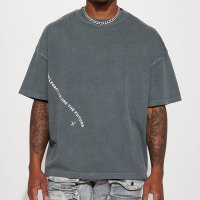
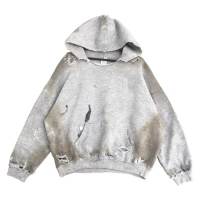
The technical barrier is the most significant challenge. A factory that has spent years producing 180gsm t-shirts for promotional events lacks the machinery, process knowledge, and quality control framework to successfully execute a run of 400gsm vintage-washed tees with cracked ink prints. The risks are specific and measurable:
Fabric Sourcing and Handling
Complex Wash Treatments
Advanced Graphic Application
This is precisely why procurement teams for established brands often look beyond the generalist factories of Guangzhou. The search is not for a guangzhou clothes factory in the generic sense, but for a technical partner with proven capability in the specific niche of high-quality, heavyweight streetwear — regardless of whether that partner is located in Guangzhou proper or in the broader Guangdong manufacturing corridor, including specialized hubs like Dongguan and Humen.
Why Does the Mindset Gap Matter as Much as the Technical Gap?
Beyond equipment and process capability, there is a fundamental difference in operational philosophy. A factory optimized for fast fashion views garments as units of production to be assembled as quickly and cheaply as possible. A true premium streetwear manufacturer understands that they are creating a product — one that carries cultural meaning, brand identity, and a promise of quality to the end consumer.
This mindset gap shows up in practical ways. A product-focused manufacturer will review a tech pack and flag problems before sampling begins—suggesting a stronger seam construction for heavyweight fabric, adjusting embroidery underlay to prevent puckering, or calling out a wash recipe that may distort the intended silhouette. A production-only setup will simply follow the file and let the problem surface later. The difference is not cosmetic. It is the difference between a generic order-taker and a manufacturing structure built for repeatable bulk outcomes.
How Can You Verify a Manufacturer’s True Capabilities Beyond Marketing Claims and Trade Show Samples?
Verifying a manufacturer’s true capabilities requires a forensic, evidence-based approach focused on three pillars: technical process mastery, production system maturity, and supply chain stability. This means requesting batch-level QC records, unedited production videos, sample-to-bulk comparison photos, and fabric supplier documentation — not accepting polished marketing materials or a single perfect sample as proof of capability.
Every factory in the Guangzhou region will claim to produce “high quality” garments. For a premium streetwear brand, however, the definition of quality is far more specific and demanding than what most factories understand. The goal of your vetting process is to uncover verifiable proof of a factory’s ability to execute complex products at scale, consistently. According to sourcing experts at InTouch Quality, direct engagement with the actual manufacturing entity — rather than a trading company intermediary — is critical for ensuring quality and transparency in Chinese garment production [1].
What Specific Evidence Should Your Procurement Team Request?
Instead of asking generic questions like “Can you do acid wash?”, frame your inquiries to demand tangible, verifiable proof. The following checklist represents the minimum evidence standard for any brand evaluating a potential OEM clothing manufacturer for premium streetwear:
How Do You Distinguish a Real Factory from a Trading Company?
A crucial part of the verification process is understanding the difference between a factory and a trading company. Trading companies often present themselves as manufacturers but are essentially middlemen who outsource orders to a network of factories. While they can be useful for sourcing basic products, they lack direct control over production — which is a significant risk for complex streetwear. The telltale signs include: inability to provide a factory tour (even virtual), vague answers about production capacity, and a product range that is suspiciously broad, covering everything from evening dresses to workwear to streetwear.
Direct engagement with the factory is non-negotiable for premium programs. Ask to speak with production managers, not just sales representatives. Request a virtual walkthrough of the specific departments that will handle your product — the cutting room, the sewing lines, the washing facility, the embroidery department. A genuine manufacturer will welcome this scrutiny because it demonstrates their investment in the relationship. This level of transparency is a hallmark of the best Chinese clothing manufacturers for premium streetwear — they understand that trust is built through evidence, not promises.
What Should an On-Site or Virtual Audit Reveal?
Whether you conduct a physical visit or a detailed virtual tour, your audit should focus on observable indicators of operational maturity. A well-organized factory floor with clear workflows, organized material storage, and a general sense of order signals disciplined management. Pay close attention to the condition and modernity of equipment — are their sewing machines, embroidery machines, and printing equipment well-maintained and appropriate for heavyweight fabrics? Do they have specialized machinery for tasks like flat-seam stitching or automatic pocket setting?
Equally important is the demeanor and skill level of the staff. A positive, professional work environment is often reflected in the quality of the product. High staff turnover, on the other hand, leads to inconsistency and a loss of institutional knowledge — both of which are devastating for complex streetwear production. Finally, verify the presence of in-house technical teams: pattern makers, sample makers, and dedicated quality control technicians. A factory that relies on freelancers for these critical roles will have less control over the final product.
Which Signals Prove a Guangzhou Clothing Manufacturer Has Real Bulk-Production Readiness for Streetwear?
The most reliable signals are operational, not promotional: documented sample-to-bulk alignment, batch-level QC records, transparent ownership of core processes, a clear handoff from development into volume production, and the ability to run low-risk test orders before moving into serious scale. Capacity claims alone do not prove streetwear readiness.
One of the most common and costly mistakes in sourcing from China is confusing a factory’s ability to produce a good sample with its ability to produce 5,000 identical garments at the same quality level. The sample-to-bulk gap is where most relationships fail. A factory may hand-pick its best operators and finest fabric to produce a perfect sample, only to deliver bulk production that is noticeably different in weight, color, fit, or graphic execution. This gap is not an accident — it is a structural consequence of a factory that lacks the systems to control quality at scale.
What Does a Mature Production System Actually Look Like?
A mature production system for premium streetwear is characterized by several interconnected elements. First, it requires a robust ERP (Enterprise Resource Planning) system that tracks every order from tech pack receipt through to shipment. This system should manage material procurement, production scheduling, quality checkpoints, and delivery timelines in an integrated manner. Without an ERP, a factory is essentially managing complex production runs on spreadsheets and memory — a recipe for errors and delays.
Second, the factory should demonstrate a tiered production model. This means they have the flexibility to handle strategic test runs of 50–100 pieces per color for market validation, while also maintaining the capacity to scale rapidly to bulk production once sell-through data confirms demand. This is not about accommodating anyone who walks in the door — it is about providing established brands with a strategic tool for testing new styles before committing to large-scale production. The distinction is critical: a factory that positions flexible minimums as a growth strategy for proven brands is fundamentally different from one that advertises low barriers to entry.
Third, look for dedicated technical merchandisers. In a mature operation, your brand should be assigned a specific individual who understands your product requirements, communicates proactively about potential issues, and serves as the bridge between your design team and the production floor. This person should be able to discuss fabric properties, construction techniques, and wash recipes with genuine expertise — not just relay messages between you and the factory manager. According to apparel supply chain research, the presence of dedicated technical staff is one of the strongest predictors of consistent quality in bulk production [2].
How Do You Stress-Test a Factory’s Scalability Claims?
The most effective way to test scalability is through a structured pilot program. Rather than committing to a full-scale production run immediately, place an initial order that is complex enough to reveal the factory’s true capabilities. Choose a style that includes multiple technical elements — for example, a heavyweight acid-wash hoodie with embroidered graphics and custom hardware. This type of order will test the factory’s ability to coordinate across multiple departments and maintain quality throughout the process.
During this pilot, pay close attention to several key performance indicators. Communication quality is paramount: does the factory provide regular updates, flag potential issues proactively, and respond to your questions with technical specificity? Timeline adherence is equally important: did they deliver the pilot on time, or were there unexplained delays? Sample-to-bulk consistency is the ultimate test: compare the pilot production to the approved sample with a critical eye, measuring GSM, checking wash consistency, and evaluating graphic placement accuracy.
A factory that performs well on a complex pilot order has demonstrated, through action rather than words, that it possesses the systems and expertise to handle your production at scale. This evidence-based approach to supplier qualification is far more reliable than any amount of marketing material or verbal assurance. For brands looking to understand the full spectrum of custom streetwear manufacturing capabilities, this pilot methodology provides the most trustworthy data.
What Proof Should You Demand When Evaluating Heavyweight Fabric and Complex Wash Expertise in a Chinese Clothing Manufacturer?
The proof lies in measurable, repeatable outcomes — not in a factory’s ability to produce one impressive sample. Request post-wash shrinkage data across multiple batches, color fastness test results to recognized standards, GSM consistency reports, and photographic evidence of wash effect uniformity across a production run. Any manufacturer that cannot provide this documentation should be disqualified from consideration for premium streetwear programs.
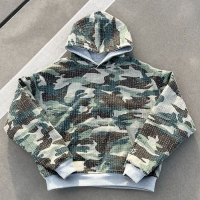
Heavyweight fabric construction and complex wash treatments are the two areas where the gap between a capable manufacturer and an incapable one is most dramatic. A 400gsm French terry hoodie that has been stone-washed and enzyme-treated is a fundamentally different product from a 280gsm fleece hoodie with a standard garment dye. The manufacturing challenges multiply with every additional layer of complexity, and the consequences of failure are visible to the end consumer.
Why Is In-House Wash Control a Non-Negotiable for Premium Streetwear?
Garment washing is arguably the single most critical process in premium streetwear manufacturing, and it is also the one most commonly outsourced by generalist factories. When a factory sends your garments to an external wash house, it loses direct control over the process. Variables like water temperature, chemical concentration, tumble time, and stone-to-garment ratio are managed by a third party whose priorities may not align with your quality standards. The result is often inconsistency — some garments in a batch may have a perfect vintage wash effect, while others are over-processed or under-processed.
In-house wash control means the factory owns and operates its own washing equipment, employs trained wash technicians, and has developed proprietary wash recipes that have been refined over hundreds of production runs. This level of control is what enables a manufacturer to deliver consistent wash effects across thousands of garments. It also allows for rapid adjustment if a batch begins to deviate from the approved standard — something that is impossible when the wash process is happening at a separate facility across town.
The specific wash techniques that define modern streetwear — acid wash, enzyme wash, stone wash, ozone wash, heavy fading, and distressed constructions — each require different equipment configurations and chemical formulations. A factory with genuine wash expertise will be able to discuss these techniques in detail, explain the trade-offs between different approaches, and show you examples of their work across multiple wash types. They should also be able to demonstrate their understanding of how different fabric compositions respond to different wash treatments, because a wash recipe that works perfectly on 100% cotton will produce entirely different results on a cotton-polyester blend.
How Do You Evaluate Print and Embroidery Capabilities for Streetwear-Grade Execution?
Graphic application is the visual identity of a streetwear brand, and the quality of execution directly impacts consumer perception. The evaluation should focus on three dimensions: technique range, placement precision, and durability after wear and washing.
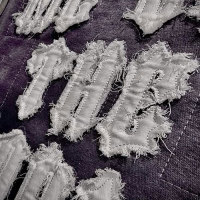
A capable streetwear manufacturer should offer a comprehensive range of printing and embellishment techniques, including screen printing (manual and automatic), DTG (direct-to-garment), puff print, crack print, foil and metallic applications, towel embroidery, applique embroidery, digital embroidery, chenille patches, rhinestone and crystal decoration, and felt applique. The ability to combine multiple techniques on a single garment — for example, a screen-printed base with a puff-print overlay and embroidered details — is a strong indicator of advanced capability.
Placement precision is tested by examining how consistently graphics are positioned across multiple garments. A tolerance of plus or minus 5mm is generally acceptable for most applications, but high-end programs may require tighter tolerances. Ask the factory to show you examples of placement consistency across a production run, not just a single perfect sample. Durability should be verified through wash testing — request samples that have been washed 10–20 times to evaluate how prints and embroidery hold up over time. A factory that is confident in its work will readily provide these samples.
What Breaks First When You Scale Streetwear Production With the Wrong Guangzhou Partner — And What Are the Long-Term Costs?
The first things to break are wash consistency and graphic quality — the two elements most visible to your end consumer. But the long-term costs extend far beyond defective garments: missed market windows, damaged retailer relationships, eroded brand equity, and the operational burden of constantly managing quality crises instead of focusing on growth. The total cost of a wrong manufacturing partner can be 3–5 times the apparent savings on unit price.
Streetwear runs on drop calendars, seasonal capsules, and narrow timing windows. Miss the launch window, and the damage spreads quickly: delayed sell-through, broken wholesale commitments, reactive markdowns, customer complaints, and internal time diverted from product development to damage control. That is why manufacturing reliability should be evaluated as a commercial risk issue, not just a production issue.
What Are the Hidden Costs That Most Brands Fail to Calculate?
The most dangerous costs are the ones that do not appear on any invoice. When a batch of hoodies arrives with inconsistent wash effects, the brand faces a cascade of consequences. First, there is the direct cost of rework or replacement. Second, there is the opportunity cost of delayed market entry. Third, there is the reputational cost when customers receive a product that does not match the quality they expect. Fourth, there is the operational cost of the time and energy your team spends managing the crisis instead of developing new products and growing the business.
For brands selling through wholesale channels, the stakes are even higher. A retailer who receives a shipment of inconsistent product will not only reject that order — they may also reduce future orders or drop the brand entirely. Rebuilding a damaged retailer relationship takes years, and the lost revenue during that period can be substantial. This is why the procurement decision for a manufacturing partner should be treated with the same rigor as any other strategic investment — because the downside risk is equally significant.
When Does Switching Manufacturers Make Strategic Sense — And When Is It a Trap?
Switching manufacturers is expensive and disruptive. The new factory needs time to learn your brand’s specific requirements, develop new patterns, calibrate wash recipes, and build the institutional knowledge that comes from producing your products over multiple seasons. During this transition period, quality and delivery reliability typically decrease before they improve. The switching cost includes not just the financial investment in new samples and test runs, but also the time your team spends managing the transition instead of focusing on growth.
However, switching is absolutely necessary when the current partner has demonstrated a pattern of quality failures, missed deadlines, or an inability to scale. The key is to distinguish between isolated incidents (which can be addressed through better communication and process improvement) and systemic issues (which indicate a fundamental capability gap). If your factory consistently fails to maintain wash consistency across batches, or if graphic quality degrades noticeably when order volumes increase, these are systemic problems that will not be solved by sending more detailed tech packs. They require a structural solution — which often means finding a new partner.
How Should You Structure a Manufacturer Evaluation Scorecard for Premium Streetwear in 2026?
A rigorous evaluation scorecard should weight technical capability (40%), production system maturity (25%), compliance and sustainability (15%), communication and responsiveness (10%), and commercial terms (10%). This weighting reflects the reality that for premium streetwear, the ability to execute complex products consistently is far more important than getting the lowest possible unit price.
This scorecard is designed to be used as a comparative tool. When evaluating multiple potential partners, score each one against these criteria and compare the results. The factory with the highest overall score — not the lowest price — is likely to be the best long-term partner. It is worth noting that the most capable manufacturers will often not be the cheapest, because they invest heavily in equipment, training, quality systems, and compliance. The premium you pay for a superior partner is an investment in the reliability and reputation of your brand.
How Do Production Timelines and Logistics Efficiency Separate Elite Manufacturers From the Rest?
In a standard, non-optimized apparel supply chain, the journey from final tech pack to bulk goods arriving in your warehouse typically takes 90 to 120 days. Elite manufacturers compress the factory-side window significantly — achieving 3–4 weeks for sampling and 4–5 weeks for bulk production — through pre-planned fabric pools, in-house process integration, and standardized workflows for core streetwear categories.
In the fast-moving world of streetwear, timing is everything. If a collection drops a month too late, it can easily miss its cultural moment. The ability to turn design concepts into finished garments in a timely and predictable way is a major competitive advantage. That is why analyzing a manufacturer’s production lead times and overall logistics efficiency is a non-negotiable part of your vetting process. You need a partner whose operational rhythm can keep pace with the market.
What Does the Typical Production-to-Market Timeline Look Like?
From the final tech pack to bulk goods arriving in your warehouse, the journey can be long. In a typical, non-optimized apparel supply chain, this process can take around 90 to 120 days. The common stages break down as follows: Sampling covers the first prototype and any subsequent revisions, usually taking about 3 to 5 weeks. Pre-production involves purchasing and receiving bulk fabric and preparing production lines, requiring an additional 1 to 2 weeks. Bulk production refers to the actual cutting, sewing, printing, and finishing, usually taking about 4 to 6 weeks for mid-sized quantities. International shipping is a major variable — sea freight typically takes 4 to 6 weeks from Asia to North America or Europe, while air freight is around 1 week but significantly more expensive.
This widely seen 90–120 day cycle is a hard constraint for many streetwear brands: it forces you to lock in designs months in advance, makes it difficult to react quickly to emerging trends, and ties up capital for an extended period before products start generating profit. As a result, more established streetwear brands deliberately look for manufacturing partners who can offer a shorter factory-side time window — for example, suppliers that specialize in streetwear and have spent years integrating heavy fabrics and complex techniques into streamlined internal processes.
What Operational Levers Enable Faster Turnaround Without Sacrificing Quality?
The efficiency is not magic — it comes from a deliberately engineered and integrated production model. Pre-planned fabric pools are a critical lever: if a factory keeps core, high-quality fabrics in stock, it can move into production immediately after sample approval, instead of waiting several extra weeks for fabric to be milled and delivered. Many long-term streetwear-focused suppliers build stable fabric pools for heavyweight terry, hoodie fleece, and classic jersey, reducing repeated procurement delays.
In-house process capabilities are equally important. Manufacturers that own critical processes such as washing, printing, embroidery, and embellishment can coordinate them far more efficiently than those who must outsource each step to different third-party vendors. This reduces logistical complexity and saves time — especially for acid wash, vintage wash, heavy distressing, and multi-layer graphic treatments common in streetwear. Standardized workflows for specific garment categories are the third lever. Experienced streetwear manufacturers develop optimized workflows for the specific silhouettes they produce — oversized, boxy, baggy — turning each production run into a repeatable, controlled process rather than a one-off experiment.
When you evaluate potential partners, ask them to provide a detailed, stage-by-stage production timeline, and probe how they handle sampling and bulk for complex streetwear products rather than basic blanks. Partners who can confidently commit to timelines that are faster than the industry average — and back those commitments with clear processes rather than marketing language — will give your brand a direct competitive advantage. For a detailed look at how integrated t-shirt manufacturing for streetwear brands can compress these timelines, the operational model matters more than the geography.
What Must Be True Before You Commit to a Long-Term Manufacturing Partnership for Scaled Streetwear Production?
A long-term manufacturing partnership should only be formalized after the factory has demonstrated consistent performance across at least two to three production cycles, shown the ability to handle increasing complexity and volume without quality degradation, and proven its willingness to invest in the relationship through proactive communication, process improvement, and capacity planning aligned with your growth trajectory.
The most successful brand-manufacturer relationships in the streetwear industry are built on a foundation of mutual investment. The brand invests in clear communication, detailed tech packs, and reasonable timelines. The manufacturer invests in understanding the brand’s aesthetic, maintaining dedicated production capacity, and continuously improving its processes. This reciprocal investment creates a partnership that becomes more valuable over time, as the manufacturer accumulates institutional knowledge about the brand’s specific requirements and preferences.
How Do You Structure the Partnership to Protect Both Parties?
A well-structured partnership includes several key elements. Clear quality standards should be documented in a comprehensive quality manual that specifies tolerances for every measurable attribute — GSM, shrinkage, color fastness, graphic placement, stitch count, and hardware quality. This manual becomes the objective reference point for any quality disputes. Defined communication cadence should establish when and how updates are provided during production, who the primary contacts are on both sides, and how issues are escalated.
Capacity planning alignment is often overlooked but critically important. Share your growth projections with your manufacturing partner so they can plan capacity accordingly. A factory that knows you plan to increase order volumes by 50% next season can prepare by training additional operators, securing fabric commitments, and adjusting production schedules. Without this advance planning, sudden volume increases often lead to quality issues and delivery delays.
Intellectual property protection should be addressed through formal agreements that clearly define ownership of designs, patterns, and brand assets. In the Chinese manufacturing context, this is particularly important. Ensure that your manufacturing partner understands and respects the confidentiality of your designs, and that contractual protections are in place to prevent unauthorized reproduction. Reputable manufacturers with long track records of serving global brands — such as those with 90%+ reorder rates and partnerships exceeding 10 years — have a vested interest in protecting their clients’ intellectual property, because their business model depends on trust and long-term relationships.
How Does a Fully Integrated Streetwear Manufacturer Address the Challenges Outlined Above?
A fully integrated manufacturer addresses these challenges by consolidating critical processes — pattern development, fabric sourcing, cutting, sewing, washing, printing, embroidery, and quality control — under one operational roof. This integration eliminates the coordination failures, quality inconsistencies, and timeline overruns that plague fragmented supply chains. The result is a production system where every variable is controlled, measured, and optimized for premium streetwear output.
To illustrate how these principles work in practice, it is useful to examine the operational model of manufacturers that have been purpose-built for premium streetwear. Groovecolor, a Dongguan-based manufacturer with over 16 years of experience serving global streetwear brands, represents a structural example of this integrated approach. With a stable monthly capacity of up to 300,000 pieces and an eight-step quality locking mechanism spanning the entire bulk production cycle, the operation is designed to address the exact pain points discussed throughout this guide.
What makes this model instructive is the specificity of its capabilities. The factory maintains well-developed material expertise across core fabric weight ranges — 180–400gsm for t-shirts and 300–600gsm for hoodies and sweatpants — with over 200 premium fabric options available for customization. In-house capabilities span the full range of techniques that define modern streetwear: acid wash, enzyme wash, stone wash, ozone wash, puff print, crack screen print, felt applique, rhinestone embellishment, heavy embroidery, and heavyweight fabric construction.
The compliance infrastructure further validates the operational maturity. As a SMETA 4-Pillar certified manufacturer — a more comprehensive standard than conventional BSCI audits, covering labor standards, workplace safety, environmental management, and business ethics — the facility meets the compliance requirements of leading global streetwear and fashion brands. Audit reports are transparently shareable via the Sedex platform, enabling efficient verification for brand partners. Currently, 90% of clients place repeat orders, and 30% maintain partnerships exceeding 10 years — metrics that speak to the reliability and consistency of the production system.
For brands evaluating potential partners in the Guangdong manufacturing corridor, this type of integrated model provides a useful benchmark. The key question is not whether a factory is located in Guangzhou, Dongguan, or Humen — it is whether the factory’s operational structure, technical capabilities, and quality systems are aligned with the specific demands of premium streetwear production. To explore the full range of Groovecolor’s heavyweight hoodie and fleece production capabilities, the operational details provide a practical reference point for procurement teams conducting due diligence.
What Is the Smartest Way to Use Guangzhou Without Letting Geography Mislead Your Sourcing Decision?
Use Guangzhou as a sourcing and verification gateway, not as a shortcut assumption that every local supplier is streetwear-capable. The right evaluation sequence is simple: confirm where development happens, where bulk cutting and sewing happen, who controls washing and decoration, and how sample approval is locked before volume production starts.
If a supplier can show repeatable evidence across those checkpoints, the exact city label matters less. If they cannot, being “in Guangzhou” is not a competitive advantage on its own. For established streetwear brands, the best manufacturing setup is the one that keeps material access, technical execution, and bulk control aligned—even if that structure spans Guangzhou sourcing plus Dongguan or Humen production control.
Frequently Asked Questions About Sourcing From Guangzhou Clothing Manufacturers for Premium Streetwear
Why do most Guangzhou clothing manufacturers struggle with premium streetwear production?
Most Guangzhou garment factories are structurally optimized for fast-fashion production — high volume, low complexity, and rapid turnaround — which is fundamentally incompatible with the technical demands of premium streetwear. Heavyweight fabrics (300–600gsm), complex wash treatments like acid wash and stone wash, and advanced graphic applications such as puff print and heavy embroidery require specialized equipment, trained operators, and rigorous quality control systems that most generalist factories simply do not possess. The result is that while Guangzhou has over 20,000 garment factories, only a small fraction have the technical capability to execute premium streetwear at a level that established brands require.
How can streetwear brands verify whether a Chinese clothing manufacturer is a real factory or a trading company?
The most reliable verification method is to request a virtual or physical factory tour that includes specific production departments — cutting room, sewing lines, washing facility, and embroidery department. Trading companies typically cannot provide this level of access because they do not own production facilities. Additional verification steps include: asking to speak directly with production managers (not just sales staff), requesting unedited production videos showing your product category being manufactured, and checking business registration documents to confirm the entity is registered as a manufacturer rather than a trading company. Genuine factories welcome this scrutiny because it demonstrates their investment in transparency.
What is the typical production timeline for premium streetwear when sourcing from manufacturers in Guangdong province?
In a standard supply chain, the total timeline from final tech pack to delivered goods is approximately 90 to 120 days, including 3–5 weeks for sampling, 1–2 weeks for pre-production, 4–6 weeks for bulk production, and 4–6 weeks for sea freight. However, highly integrated manufacturers with pre-planned fabric pools and in-house process capabilities can compress the factory-side window significantly — achieving approximately 3–4 weeks for sampling and 4–5 weeks for bulk production. This compression gives brands more flexibility in go-to-market planning and allows faster reaction to sell-through data.
Which compliance certifications should streetwear brands require from Chinese manufacturers?
At minimum, brands should require a current third-party social compliance audit such as SMETA 4-Pillar (which covers labor standards, health and safety, environmental management, and business ethics) or BSCI. SMETA 4P is generally preferred for premium programs because it is more comprehensive than standard BSCI audits. Additionally, look for ISO 9001 alignment in quality management systems and Oeko-Tex or GOTS certification for fabric sourcing. These certifications are not just checkboxes — they indicate a manufacturer’s commitment to responsible operations and provide the documentation that major retailers increasingly require from their supply chain partners.
How do you evaluate whether a manufacturer can maintain quality consistency when scaling from samples to bulk production?
The most effective evaluation method is a structured pilot program using a technically complex style — such as a heavyweight acid-wash hoodie with embroidered graphics — that tests the factory’s ability to coordinate across multiple departments. During this pilot, measure specific performance indicators: GSM consistency between sample and bulk (tolerance should be within 5%), post-wash shrinkage variance across the production run, graphic placement accuracy (within 5mm tolerance), and color fastness ratings. Also evaluate communication quality, timeline adherence, and the factory’s ability to proactively flag and resolve issues. A factory that performs well on a complex pilot has demonstrated, through action, its capability to handle your production at scale.
What are the key differences between sourcing streetwear from Guangzhou versus Dongguan?
Guangzhou is primarily a trading and fast-fashion hub with over 30 professional markets and 20,000+ factories focused on high-volume, low-complexity garments, while Dongguan (particularly the Humen district) has developed as a more specialized manufacturing center with stronger capabilities in complex craftsmanship and large-scale OEM production. Dongguan’s textile industry is nearing 100 billion CNY with over 100,000 supply chain businesses, and its factories tend to have more experience with heavyweight fabrics, complex wash treatments, and the precision execution that premium streetwear demands. For brands seeking technical manufacturing partners rather than trading intermediaries, the broader Guangdong corridor — including Dongguan — often offers more suitable options than Guangzhou city proper.
About the Author

References & Sources
- NewsChina – Fabric of Life (Haizhu / Zhongda garment ecosystem context)
- NingHow – Factory Visit Checklist: Vetting a Clothing Manufacturer in China
- Sedex – SMETA Audit Methodology
- ISO 5077 – Determination of Dimensional Change in Washing and Drying
- ISO 105-C06 – Colour Fastness to Domestic and Commercial Laundering
- ISO 105-X12 – Colour Fastness to Rubbing