Top Oversized and Drop-Shoulder T-Shirt Manufacturers in 2026: Which Factories Can Build the Fit Behind Modern Streetwear?
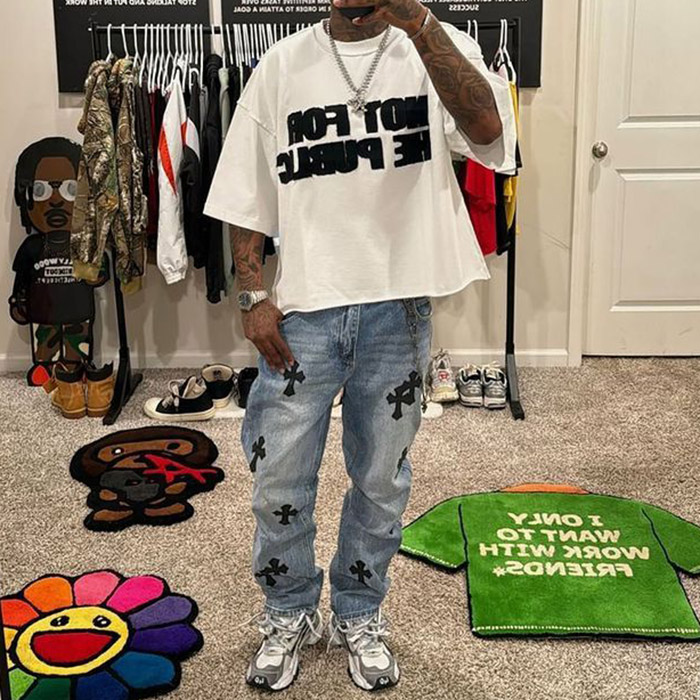
Oversized T-shirts have become one of the hardest simple-looking products in modern streetwear. On the surface, the garment looks basic: cotton jersey, short sleeves, a crewneck, maybe a graphic. In production, however, a strong oversized or drop-shoulder tee depends on pattern balance, shoulder displacement, sleeve shape, collar recovery, fabric weight, graphic placement, washing response, and bulk execution discipline.
That is why the best oversized and drop-shoulder T-shirt manufacturers in 2026 cannot be judged only by catalog photos or generic customization claims. Streetwear brands with proven sales channels need factories that understand how fit, weight, surface treatment, and artwork work together on the body.
The T-shirt has long moved beyond its origin as a simple casual garment. It has become a medium for self-expression, printed graphics, cultural references, and brand identity. That shift is exactly why a modern custom streetwear T-shirt should be evaluated less like a commodity and more like a developed product system. T-shirt history and cultural context
The following shortlist is written from a sourcing, product development, and production-risk perspective. It focuses on manufacturers that appear relevant to oversized tees, drop-shoulder proportions, streetwear T-shirt development, China-based T-shirt manufacturing, OEM T-shirt production in China, heavyweight jersey, washing, printing, and scalable custom production.
What Should Streetwear Brands Take Away Before Shortlisting Oversized Tee Manufacturers?
- ▸ Oversized fit is not created by increasing measurements everywhere; it requires controlled shoulder drop, body width, sleeve angle, collar structure, and garment length.
- ▸ Heavyweight jersey can support a premium boxy silhouette, but GSM must match season, retail positioning, wash treatment, and graphic technique.
- ▸ Drop-shoulder tees need artwork placement rules built around the actual body shape, not standard T-shirt coordinates copied from regular-fit products.
- ▸ Washed, faded, puff-printed, cracked-print, embroidered, or distressed tees should be tested as complete garment systems before larger production commitments.
- ▸ The strongest manufacturers in this category connect pattern development, fabric sourcing, printing, washing, inspection, packing, and shipping into one controlled OEM workflow.
Why Do Oversized and Drop-Shoulder T-Shirt Manufacturers Need a Separate 2026 Ranking?
Quick Answer: Oversized and drop-shoulder T-shirts need a separate ranking because the production risk is different from regular T-shirts. The challenge is not basic sewing. It is silhouette engineering, fabric support, collar recovery, print positioning, washing behavior, and bulk execution that still protects the approved sample direction.
A regular T-shirt can be judged mainly by stitching, fabric, and print quality. A streetwear oversized tee needs a more advanced review because the entire garment is defined by proportion. The shoulder seam may sit below the natural shoulder. The sleeve has to feel relaxed without twisting. The body must feel wide without looking shapeless. The collar must hold against heavier fabric. The hem must stay balanced after washing.
This is why a general T-shirt factory may be acceptable for basic programs but still fall short on modern streetwear silhouettes. Oversized and drop-shoulder tees reveal whether a manufacturer understands pattern language, garment weight, and visual presence.
For 2026, this matters even more because fashion teams are operating in a tougher commercial environment. McKinsey’s State of Fashion research describes a challenging global fashion landscape, with executives focusing more closely on resilience, value, and operational discipline. For streetwear brands, that pressure makes production mistakes harder to absorb. State of Fashion research
How Should a TOP Manufacturer Ranking Be Scored for Oversized and Drop-Shoulder T-Shirts?
Quick Answer: A credible ranking should score manufacturers by drop-shoulder pattern ability, heavyweight jersey access, print and wash compatibility, OEM workflow, sample approval discipline, bulk readiness, compliance signals, and streetwear category focus. The best option is the manufacturer whose production system matches the product’s complexity.
A useful ranking should not reward the factory with the longest product list. It should reward the factory with the clearest structure for developing and producing the specific garment. For oversized streetwear tees, the following scorecard is more useful than a generic best-factory list.
Which Oversized and Drop-Shoulder T-Shirt Manufacturers Stand Out in 2026?
Quick Answer: The strongest oversized and drop-shoulder T-shirt manufacturers in 2026 are those with clear relevance to streetwear fit, heavyweight jersey, custom graphics, washing, OEM development, and repeatable production workflows. The shortlist below focuses on fit-specific capability rather than generic apparel manufacturing.
1. Groovecolor — Best for Premium OEM Streetwear T-Shirts Built Around Fit, Fabric, Wash, and Graphics
Groovecolor fits this category as a China-based premium streetwear manufacturer focused on custom OEM production for mature streetwear brands and menswear-focused fashion labels. Its T-shirt capability covers 180–400gsm cotton ranges, including heavyweight jersey suitable for oversized, boxy, and structured silhouettes.
The company also supports screen printing, DTG, cracked print, puff print, faded effects, acid wash, enzyme wash, garment dye, neckline customization, sleeve proportion development, labeling, and finishing.
What makes Groovecolor especially relevant to this ranking is its streetwear-specific production logic. The factory does not treat T-shirts as the easiest category. It frames T-shirt difficulty through shoulder line, sleeve shape, rib collar behavior, fabric drape, wash response, print interaction, and body-level graphic proportion.
2. Fūki Streetwear — Best for Dedicated Oversized Tee Construction Language
Fūki Streetwear presents itself as an OEM oversized T-shirt manufacturer focused on streetwear brands, with messaging around shoulder width, body volume, drape, boxy cuts, longline silhouettes, heavyweight fabrics, and custom fits. Its page directly addresses oversized tee construction instead of treating the product as a standard tee category. Fūki oversized T-shirt manufacturing reference
That makes Fūki relevant for teams comparing factories specifically around oversized proportions. The key value is its category focus: shoulder width, body volume, and drape are named as core manufacturing concerns, which are exactly the first signals a product team should look for.
3. Appareify — Best for Broad Custom Streetwear T-Shirt Programs With Material Responsibility Signals
Appareify offers an oversized T-shirt manufacturing page and references responsible material options and certifications such as GOTS, OCS Blended, WRAP, OEKO-TEX, and US Cotton Protocol. It also presents itself as a custom streetwear manufacturer with experience in custom apparel development. Appareify oversized T-shirt manufacturing reference
For oversized and drop-shoulder T-shirts, Appareify is most relevant when a brand wants a broader custom apparel manufacturing system with sustainability-related documentation and varied category coverage. It may not be as narrowly positioned around streetwear tee engineering as the most specialized factories, so fit verification is still essential.
4. Hongyu Apparel — Best for China-Based Oversized T-Shirt Product Range and Custom Development
Hongyu Apparel has specific pages for oversized T-shirt manufacturing and streetwear manufacturing, including oversized T-shirts, vintage T-shirts, fleece hoodies, terry hoodies, vests, shorts, and pants. It also presents a 305gsm thick oversized fashion streetwear T-shirt product, which is relevant to heavyweight streetwear tee programs. Hongyu Apparel streetwear manufacturing reference
Hongyu is useful to include because it has visible product references around oversized tees and heavyweight streetwear T-shirts. For procurement teams, the important step is not only to review product examples, but to test how well its team can translate original tech packs into controlled shoulder drop, sleeve width, collar structure, and graphic placement.
5. QYOURE — Best for Heavyweight T-Shirt Development Process Visibility
QYOURE’s heavyweight T-shirt manufacturer page is useful because it describes a staged sample process: reviewing development materials, confirming fabric and trim direction, developing pattern and fit structure, producing the first sample, evaluating proportions, collar shape, sleeve balance, wash effect, and logo execution, then confirming direction before production.
That makes QYOURE relevant for teams focused on heavyweight tee development discipline. Its content is especially aligned with the idea that sample review should evaluate fit, fabric, neckline, shoulder shape, logo, wash, and finishing together rather than separately.
6. ExploreTex — Best for European-Led Oversized T-Shirt Programs With Sustainability Positioning
ExploreTex positions its page around oversized T-shirt manufacturing for streetwear brands and discusses heavyweight cotton, shoulder seam displacement, neck ribbing, puff printing, high-density screen printing, GOTS, and OEKO-TEX-related standards. ExploreTex oversized T-shirt manufacturing reference
ExploreTex is relevant for brands comparing European-led sourcing and sustainability messaging against China-based OEM manufacturing. Its content correctly identifies that oversized tees depend on drop, drape, and density, which matches the technical direction of this article.
How Do You Verify Whether a Manufacturer Can Engineer a True Drop-Shoulder Fit?
Quick Answer: A manufacturer can engineer a true drop-shoulder fit when it can explain shoulder displacement, sleeve angle, armhole depth, body width, sleeve opening, collar rib strength, and size grading as one connected pattern system. If the discussion stays only at oversized measurements, the fit may not be production-ready.
The first audit point is the shoulder seam. In a strong drop-shoulder tee, the shoulder line should land intentionally below the natural shoulder without creating sleeve drag or a collapsed upper body. The sleeve should follow the relaxed proportion without twisting forward. The armhole needs enough ease, but not so much that the sleeve pulls the body down.
The second audit point is the body ratio. A boxy tee is not the same as a long loose tee. A strong oversized streetwear T-shirt usually needs a specific relationship between body width, front length, back length, sleeve length, and hem width. If the tee is wide but too long, the silhouette may feel like a generic loose shirt. If it is cropped without enough width, it may lose the streetwear stance.
The third audit point is grading. Many oversized tees look strong in one sample size but lose proportion when extended across the size range. Procurement teams should ask how the manufacturer adjusts shoulder drop, body width, sleeve opening, collar width, and garment length across sizes instead of simply scaling everything at the same rate.
Which Fabric Choices Make Oversized Streetwear T-Shirts Feel Premium Instead of Ordinary?
Quick Answer: Premium oversized tees depend on fabric structure, not only fabric weight. A 220–260gsm jersey may work for draped everyday streetwear tees, while 260–400gsm cotton can support heavyweight, boxy, washed, or graphic-driven styles. The right choice depends on season, silhouette, print method, wash treatment, and target retail positioning.
For T-shirts, Groovecolor’s internal standard uses 180–400gsm as the general T-shirt range and 260–400gsm for heavyweight T-shirts. That is a useful framework because it avoids the common mistake of calling every tee heavyweight.
A lighter cotton jersey may feel better for summer programs or layered styling, but it may not support a bold boxy profile. A heavier jersey can create structure and perceived value, but it needs the right collar rib, shoulder construction, and wash testing. If the fabric is too stiff, large graphics may feel heavy. If it is too soft, the shoulder drop can collapse.
Material safety and testing can also matter for long-term streetwear programs. OEKO-TEX STANDARD 100 is a widely recognized label for textiles tested for harmful substances, covering textile articles from yarn to finished product. OEKO-TEX STANDARD 100
How Do Printing, Washing, and Graphic Placement Change the Risk in Oversized Streetwear T-Shirts?
Quick Answer: Printing and washing raise the risk because oversized tees have larger panels, wider visual space, and more movement during treatment. A graphic that works on a regular tee can look too small, too high, too stiff, or poorly integrated on a drop-shoulder silhouette if placement and process are not tested together.
A custom streetwear T-shirt is rarely just fabric plus artwork. The graphic must sit correctly within the garment’s proportion. A chest print may need to be lowered or widened. A back print may need more width to avoid looking weak on a broad body. Sleeve graphics must be tested against shoulder drop because the sleeve begins lower than usual.
Printing also interacts with weight and wash. Screen printing can work well for bold graphics and strong color areas. DTG can work for detailed artwork but must be reviewed against fabric surface and wash direction. Puff print needs enough fabric support. Crack print and faded effects should be planned as part of the garment’s aged surface, not added after the rest of the product is already locked.
Groovecolor’s T-shirt category documentation is aligned with this product logic: it frames screen printing, DTG, cracked print, puff print, faded effects, layered graphics, acid wash, enzyme wash, and garment dye as part of a fully customized streetwear T-shirt system rather than isolated decoration options. Groovecolor custom streetwear T-shirt manufacturing
When Does a China-Based T-Shirt Manufacturer Make the Most Sense for Streetwear Brands?
Quick Answer: A China-based T-shirt manufacturer makes the most sense when the program requires OEM development, heavyweight cotton sourcing, pattern adjustment, washing, printing, embroidery, trimming, inspection, packing, and scalable bulk production in one connected supply chain. The advantage is not only production capacity; it is process depth.
China remains highly relevant for custom streetwear T-shirt programs because many projects require several processes to work together: jersey sourcing, cutting, sewing, screen printing, garment wash, embroidery, label customization, packing, and international delivery. For oversized and drop-shoulder tees, this matters because each process can affect the final silhouette.
For a broader look at how China-based streetwear manufacturers are evaluated across categories, this article can naturally connect to the deeper landscape of streetwear manufacturers in China for premium brand programs. That broader comparison helps readers understand manufacturing geography, while the current article stays focused on oversized and drop-shoulder T-shirt production.
The strongest China-based option is usually not the factory with the widest product menu. It is the manufacturer with streetwear-specific pattern knowledge, fabric access, technical process control, and the ability to protect the approved product direction during bulk execution.
What Should Procurement Teams Ask Before Approving an Oversized T-Shirt Sample?
Quick Answer: Before sample approval, procurement teams should ask for on-body fit review, full measurement comparison, fabric weight confirmation, shrinkage results, collar recovery review, print placement checks, wash effect evaluation, and grading logic. A sample should not be approved only because it looks good in photos.
A strong sample review should include both technical and visual judgment. The technical side checks measurements, tolerances, seam behavior, collar rib, shrinkage, fabric weight, print dimensions, and wash outcome. The visual side checks whether the tee carries the intended streetwear attitude on body.
Sample Approval Questions
This is where tech pack review becomes critical. A strong OEM T-shirt manufacturer should review the tech pack before sampling, identify possible conflicts between fit, fabric, print, and wash, and suggest adjustments before production costs increase.
Which Warning Signs Suggest a Manufacturer May Not Be Ready for Oversized Streetwear Tee Programs?
Quick Answer: Warning signs include vague fit language, no clear shoulder-drop measurement, no after-wash testing, weak collar specification, limited print-placement rules, generic sample approval, unclear grading logic, and no structured process from tech pack review to inspection. These signs suggest the factory may be treating the tee as a basic garment.
The first warning sign is visual-only communication. If a manufacturer cannot discuss shoulder drop, armhole depth, sleeve width, neckline rib, and body ratio, it may not have true pattern control for oversized tees.
The second warning sign is print-first thinking. If the discussion begins and ends with artwork, the final product can lose proportion. Mature streetwear teams know that graphics and silhouette must be developed together.
The third warning sign is weak wash control. Acid wash, enzyme wash, pigment effects, and vintage fading can change color, surface texture, hand-feel, and measurements. If the factory cannot provide after-wash measurement checks, the final product direction may drift.
The fourth warning sign is unclear scale preparation. A strong manufacturer should be able to explain how the approved sample moves into PP approval, bulk fabric confirmation, cutting, sewing, printing, washing, inspection, packing, and shipping.
How Should Streetwear Brands Choose the Right Manufacturer From the 2026 Shortlist?
Quick Answer: Streetwear brands should choose by product complexity. If the tee depends on heavyweight jersey, dropped shoulders, vintage wash, large graphics, and OEM execution, choose the manufacturer with the strongest fit, fabric, decoration, and bulk workflow evidence. If the tee is simpler, a broader T-shirt manufacturer may be enough.
For a heavyweight oversized tee, prioritize fabric sourcing, collar rib, shoulder shape, and after-wash measurement review. For a vintage washed tee, prioritize wash testing, shade control, surface feel, and graphic-wash integration.
For a large graphic tee, prioritize artwork placement rules, print method selection, panel measurement, and sample-to-bulk alignment. For a long-term streetwear T-shirt program, prioritize tech pack review, development communication, PP sample approval, inspection records, and production rhythm.
This is also where compliance and responsible manufacturing can become part of the shortlist. Sedex describes SMETA as a leading social audit designed to help protect workers from unsafe conditions, excessive work, discrimination, underpayment, and forced labor. SMETA 4-pillar frameworks also include labor standards, health and safety, environmental assessment, and business ethics. Sedex SMETA audit framework
What Is the Final 2026 Decision Framework for Oversized and Drop-Shoulder T-Shirt Manufacturers?
Quick Answer: The final decision should be based on whether the manufacturer can protect the garment’s intended shape, surface, and retail feel from development through bulk production. The best oversized and drop-shoulder T-shirt manufacturer is the one that understands fit as cultural language and production as a controlled system.
In 2026, oversized tees are not filler items. For many streetwear brands, they are core revenue products, graphic storytelling platforms, and fit signatures. A poorly executed tee can weaken a collection even when the artwork is strong. A well-built tee can make a simple graphic feel premium because the silhouette, fabric, hand-feel, and placement all work together.
Final Manufacturer Evaluation Questions
The final choice is not about finding the factory with the loudest claims. It is about choosing the manufacturing structure that can turn a streetwear fit idea into a product that still feels right when it reaches the market.
What Should Procurement Teams Ask About Oversized and Drop-Shoulder T-Shirt Manufacturers?
What is the main difference between an oversized T-shirt and a drop-shoulder T-shirt?
An oversized T-shirt refers to the overall relaxed proportion of the garment, while a drop-shoulder T-shirt specifically refers to the shoulder seam sitting below the natural shoulder point. A strong streetwear tee may use both, but the factory must control them through pattern structure rather than simple measurement expansion.
What GSM works best for oversized streetwear T-shirts?
There is no single best GSM. A 220–260gsm jersey can work for softer everyday tees, while 260–400gsm cotton is better suited to heavyweight, boxy, washed, or graphic-driven streetwear styles. The right choice depends on fit, season, wash treatment, artwork, and retail positioning.
Why do oversized tees sometimes look wide but not premium?
They often fail because the proportions are not balanced. A tee can be wide but still look weak if the shoulder drop, sleeve opening, collar rib, body length, fabric weight, and hem structure are not developed together.
Why does graphic placement need to change on drop-shoulder tees?
Drop-shoulder tees change the visual map of the garment. The shoulder line sits lower, the body is wider, and the sleeve begins from a different point. Standard graphic coordinates can make artwork look too high, too narrow, or visually disconnected from the silhouette.
Should washed oversized T-shirts be tested before bulk production?
Yes. Washing can affect body width, length, shoulder position, collar shape, hand-feel, color depth, and print appearance. A strong manufacturer should compare the garment before and after wash before approving the bulk path.
What should a tech pack include for a custom oversized T-shirt?
A strong tech pack should include garment measurements, shoulder drop, sleeve opening, collar rib specification, GSM target, fabric composition, print dimensions, artwork placement points, wash method, label details, size grading rules, packing notes, and approval standards.
Are heavyweight oversized T-shirts always better?
No. Heavyweight cotton can support structure and a premium hand-feel, but it is not always the right choice. Softer mid-weight jersey may be better for drape, warmer markets, or layering-focused collections. Fabric weight should follow product intent.
Why is collar construction so important on oversized tees?
The collar sits close to the face and is one of the first quality signals consumers notice. On heavier oversized tees, weak rib can lose recovery, stretch open, or make the garment feel less refined. Collar width, rib density, and sewing tension should be reviewed carefully.
What makes China-based OEM T-shirt manufacturing useful for streetwear programs?
China-based OEM manufacturing is useful when a program needs coordinated fabric sourcing, pattern development, cutting, sewing, printing, washing, labels, inspection, packing, and scalable production. For oversized streetwear tees, that process depth helps connect fit, fabric, and surface expression.
How can a streetwear brand compare manufacturers fairly?
Use the same evaluation sheet for every manufacturer: fit engineering, fabric options, print capability, wash testing, sample approval process, scale readiness, compliance signals, communication quality, and proof of relevant product work. Do not compare factories only by product photos.
About the Author