The Complete Guide to Custom Printed Oversized T-Shirts for Streetwear Brands

The Complete Guide to Custom Printed Oversized T-Shirts for Streetwear Brands
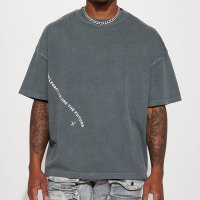
The custom printed oversized t-shirt has become a cornerstone of modern streetwear, transcending its origins as a simple blank canvas to become a powerful vehicle for brand identity and cultural expression. For established streetwear brands in the US, UK, and EU, the challenge is no longer just about creating a compelling design; it is about finding a manufacturing partner capable of translating that vision into a tangible, high-quality product at scale. This guide is written for brands that have moved beyond the startup phase and are now navigating the complexities of scaling production, maintaining quality consistency, and building a reliable supply chain. Whether you are sourcing from t-shirt manufacturers in NYC, exploring options with a Los Angeles t-shirt manufacturer, or evaluating a China-based partner like Groovecolor, understanding the critical factors in custom t-shirt printing is essential for long-term success. This article provides a comprehensive framework for making informed decisions, covering everything from fabric weight and printing techniques to quality control and manufacturer vetting.
Key Takeaways for Streetwear Brands
- ▸ Heavyweight fabrics in the 220-400gsm range are essential for achieving the premium drape and structural integrity that defines high-end custom printed oversized t-shirts.
- ▸ Selecting the right printing technique, whether DTG for complex graphics or screen printing for durability and bulk orders, directly impacts the quality and longevity of your product.
- ▸ A robust quality control process, including AI-powered fabric inspection and batch-level traceability, is non-negotiable for brands scaling production with a global manufacturer.
- ▸ Strategic MOQs and efficient production timelines from a specialized streetwear manufacturer enable brands to test new designs quickly and scale successful styles without sacrificing quality.
Why Custom Printed Oversized T-Shirts Dominate the Streetwear Market
The global streetwear market was valued at USD 347.14 billion in 2024 and is projected to reach USD 637.14 billion by 2032, exhibiting a compound annual growth rate (CAGR) of 7.89% [1]. Within this expansive market, the oversized t-shirt has emerged as a defining silhouette, driven by its roots in hip-hop culture, skateboarding, and a broader cultural shift towards comfort and self-expression. The appeal of the custom printed oversized t-shirt lies in its versatility: it serves as a blank canvas for bold graphics, a statement piece for brand identity, and a comfortable, everyday essential that resonates with a global audience. For streetwear brands, this category is not just a product; it is a strategic entry point and a core revenue driver.
The dominance of the oversized silhouette is not merely a fleeting trend but a reflection of deeper shifts in consumer preferences. The rise of athleisure, the influence of K-pop and global youth culture, and the increasing demand for genderless fashion have all contributed to the staying power of this style. For brands operating at a global or multi-market level, similar in scale and operational maturity to established labels, the ability to produce high-quality oversized t-shirts consistently is a fundamental requirement. This means moving beyond basic blanks and investing in custom t-shirt printing capabilities that can deliver on both aesthetic vision and production reliability. The decision of where to source these garments, whether from a US t-shirt manufacturer or a specialized factory overseas, has significant implications for cost, quality, and speed to market.
The Science of Fabric Selection: Why GSM Matters for Oversized Silhouettes
Fabric weight, measured in grams per square meter (GSM), is arguably the most critical factor in producing a premium custom printed oversized t-shirt. A lightweight fabric (150-180 GSM) may be suitable for basic promotional tees, but it will lack the body, drape, and structural integrity required for an oversized silhouette to hold its shape and convey a premium aesthetic. The industry consensus for premium streetwear t-shirts points to a GSM range of 220 to 300, with some luxury and vintage-inspired styles pushing into the 300-400 GSM territory [2]. This heavier weight provides a substantial hand-feel, ensures the garment drapes correctly on the body, and offers the durability that discerning consumers expect.
Beyond GSM, the composition and construction of the fabric are equally important. Premium 100% combed cotton offers a soft, smooth hand-feel and excellent printability. Pre-shrunk fabrics are essential to ensure the garment retains its shape and size after washing, a critical factor for maintaining customer satisfaction and reducing returns. For brands exploring custom streetwear t-shirt manufacturing, it is vital to work with a partner who has deep expertise in sourcing and handling heavyweight materials. A manufacturer that specializes in streetwear will understand the nuances of how different fabric weights interact with various printing and washing techniques, ensuring the final product meets the brand's exacting standards.
Mastering Printing Techniques: DTG vs. Screen Printing for Custom T-Shirts
The choice of printing technique is a defining decision for any custom printed oversized t-shirt. The two dominant methods in the industry are Direct-to-Garment (DTG) printing and screen printing, each with distinct advantages and trade-offs. Understanding these differences is crucial for brands to align their production strategy with their design aesthetic and business model. DTG printing works much like an inkjet printer, spraying water-based inks directly onto the fabric. This method excels at reproducing photographic images, complex gradients, and designs with a high number of colors. The result is a soft hand-feel, as the ink bonds directly with the fibers of the fabric [3]. DTG is particularly well-suited for smaller production runs and on-demand printing, as it requires no screen setup.
Screen printing, on the other hand, is the traditional workhorse of the apparel industry. It involves creating a stencil (or screen) for each color in the design and then pushing ink through the screen onto the garment. The ink layer is typically thicker than with DTG, resulting in more vibrant, opaque colors and a tactile feel. Screen printing is renowned for its durability; the prints are highly resistant to wear, frequent washing, and abrasion, making it the preferred choice for workwear, uniforms, and merchandise that needs to last. For bulk orders of custom t-shirts, screen printing is generally more cost-effective, as the per-unit cost decreases significantly with volume once the initial screens are created. Many established streetwear brands, including those working with t-shirt printing services in the USA, utilize a hybrid approach, selecting the technique that best serves each specific design and order quantity.
Beyond Basic Printing: Advanced Techniques for Distinctive Streetwear
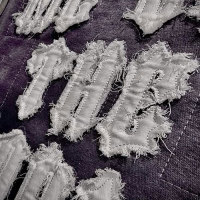
While DTG and screen printing form the foundation of custom t-shirt printing, the streetwear market increasingly demands more sophisticated techniques to achieve distinctive aesthetics. Puff print, which creates a raised, three-dimensional effect, adds a tactile dimension to logos and graphics. Cracked print, which intentionally creates a vintage, worn-in look, is highly sought after for retro-inspired collections. Faded color effects and garment dyes can transform a standard t-shirt into a piece with an archival, one-of-a-kind character. These techniques require specialized equipment and expertise, and their successful execution at scale is a key differentiator for premium streetwear manufacturers.
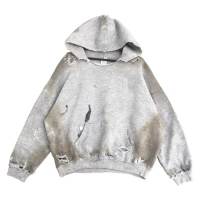
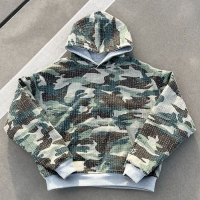
The integration of washing techniques with printing is another area where specialized knowledge is critical. Acid wash, enzyme wash, stone wash, and ozone wash can all be applied to custom printed oversized t-shirts to achieve specific visual and textural effects. However, these processes can also impact the integrity of the print if not managed correctly. A manufacturer with deep experience in streetwear production will understand how to sequence these processes, select compatible inks, and adjust parameters to ensure the final product meets the brand's vision without compromising durability. This level of technical integration is typically found in factories that have invested in building vertically integrated capabilities, allowing them to control the entire production process from fabric sourcing to final finishing.
Key Advanced Printing and Finishing Techniques
Printing Enhancements
Garment Washing and Finishing
Quality Control: The Non-Negotiable Foundation for Scaling Production
For any streetwear brand scaling production, quality control is not a department; it is a philosophy that must permeate every stage of the manufacturing process. The transition from producing a few hundred pieces to tens of thousands introduces exponentially more opportunities for inconsistency and defects. A single batch of poorly printed t-shirts or garments with inconsistent sizing can damage a brand's reputation and erode customer trust. This is why a robust, multi-checkpoint quality control system is a non-negotiable requirement when vetting a manufacturing partner. The process should begin long before a single stitch is sewn, starting with raw material inspection.
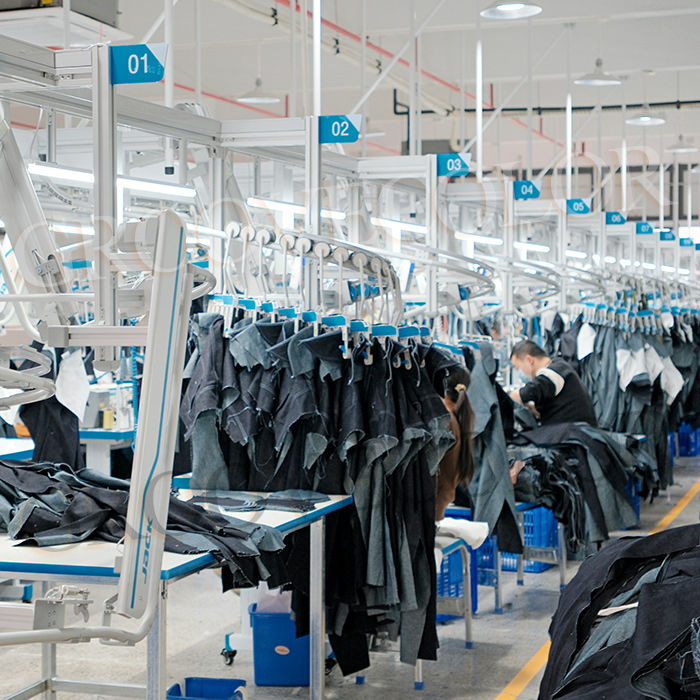
Modern, forward-thinking manufacturers are increasingly integrating technology into their quality control processes. AI-powered fabric inspection machines, for example, can perform continuous, high-speed, and objective defect detection before fabrics even enter the cutting room. These systems can identify broken yarns, holes, color inconsistencies, dye streaks, and surface impurities with a level of accuracy that far exceeds traditional manual spot-checks. For brands working with heavyweight fabrics, washed materials, or complex surface treatments, this early detection is critical, as defects often only become visible after washing or printing, when the cost of correction is already high. Beyond fabric inspection, in-line QC checkpoints during sewing, printing, and finishing, followed by a 100% final inspection, ensure that every piece shipped meets the approved sample standard. Certifications such as ISO 9001 and SMETA 4-Pillar audits provide external validation of a manufacturer's commitment to systematic quality and ethical practices [4].
How to Vet a Custom T-Shirt Manufacturer: A Framework for Streetwear Brands
Selecting a manufacturing partner is one of the most consequential decisions a streetwear brand will make. The right partner can accelerate growth, enhance product quality, and provide a competitive advantage. The wrong choice can lead to production delays, quality issues, and significant financial losses. For brands evaluating options, whether considering a local US t-shirt manufacturer or a specialized factory in China, a structured vetting process is essential. This process should go beyond simply comparing price quotes and MOQs; it requires a deep dive into the manufacturer's capabilities, processes, and track record.
The first step is to clearly define your production needs. This includes specifying your required fabric weights and compositions, the printing and finishing techniques you intend to use, your target MOQs, and your expected annual volume. Armed with this information, you can then begin to evaluate potential partners against a set of key criteria. Request samples to assess fabric quality, print execution, stitching, and overall construction. Verify certifications and compliance documentation, such as ISO 9001, SMETA, or BSCI, which indicate a commitment to quality and ethical manufacturing. Evaluate communication and responsiveness; a reliable partner will provide detailed answers and proactive updates. Finally, discuss scalability and the potential for a long-term partnership. A manufacturer that views the relationship as transactional will behave differently than one that is invested in your brand's success.
Manufacturer Vetting Checklist
Why Established Streetwear Brands Partner with China-Based Manufacturers
While domestic manufacturing in the US or Europe offers advantages in terms of proximity and perceived quality, China remains a dominant force in global apparel production for compelling reasons. The country's mature, vertically integrated supply chains offer a depth of capability that is difficult to replicate elsewhere. For streetwear brands, this translates to access to a vast pool of specialized expertise in complex techniques such as acid wash, heavy embroidery, puff print, and intricate garment construction. Chinese clothing manufacturers have spent decades refining these processes, and the best among them have developed a deep understanding of the specific requirements of the streetwear market.
Furthermore, the scale and efficiency of the Chinese manufacturing ecosystem enable competitive pricing, particularly for bulk orders. This is not about finding the cheapest option; it is about accessing a value proposition that combines technical capability, production capacity, and cost-effectiveness. For brands seeking to produce custom printed oversized t-shirts with heavyweight fabrics (300-400+ GSM), diverse washing options, and advanced printing techniques, a specialized China-based manufacturer can often deliver a level of quality and consistency that is challenging to achieve with smaller, less specialized domestic producers. Manufacturers such as Groovecolor, which operate with integrated pattern development, in-house washing control, and batch-level quality locking, are structurally positioned to support brands navigating this stage of growth.
Analyzing Production Timelines and Logistics Efficiency
In the fast-moving world of streetwear, timing is everything. If a collection drops a month too late, it can easily miss its cultural moment. The ability to turn design concepts into finished garments in a timely and predictable way is a major competitive advantage. That is why analyzing a manufacturer's production lead times and overall logistics efficiency is a critical part of your vetting process. You need a partner whose operational rhythm can keep pace with the market. A typical, non-optimized apparel supply chain can take 90 to 120 days from final tech pack to bulk goods arriving in your warehouse. This includes sampling (2-4 weeks), pre-production and fabric sourcing (2-3 weeks), bulk production (4-6 weeks), and international shipping (4-6 weeks by sea).
This lengthy cycle is a hard constraint for many streetwear brands, forcing them to lock in designs months in advance and making it difficult to react quickly to emerging trends. More established brands deliberately seek manufacturing partners who can offer a shorter factory-side time window. A highly integrated and efficient manufacturer can significantly compress the stages it directly controls. Key levers that accelerate turnaround include pre-planned fabric pools (keeping core, high-quality fabrics in stock), in-house process capabilities (owning critical processes like washing, printing, and embroidery), and standardized workflows for specific garment categories. A streetwear manufacturer with these capabilities can often complete sampling in 2-3 weeks and bulk production in 4-5 weeks, giving brands more flexibility in go-to-market planning and allowing faster reaction to sell-through data.
Understanding the Trade-offs and Risks in Custom T-Shirt Production
Every sourcing decision involves trade-offs, and it is important for brands to enter into manufacturing partnerships with a clear understanding of the potential risks. Choosing a domestic US t-shirt manufacturer, for example, may offer faster shipping times and easier communication, but it often comes with higher per-unit costs and potentially limited access to specialized streetwear techniques. Conversely, partnering with an overseas manufacturer can offer cost advantages and technical depth, but introduces complexities related to communication, lead times, and quality oversight. The key is to identify a partner whose strengths align with your brand's priorities and whose weaknesses can be effectively managed.
Common risks in custom t-shirt production include sample-to-bulk inconsistency, where the final bulk order does not match the approved sample in terms of fit, color, or print quality. This risk is amplified when working with complex techniques or heavyweight fabrics. Another significant risk is communication breakdown, which can lead to misunderstandings about specifications, delays, and costly rework. Intellectual property concerns are also relevant, particularly for brands with unique designs. Mitigating these risks requires thorough due diligence, clear and detailed tech packs, robust contractual agreements, and, ideally, a long-term partnership built on mutual trust and accountability. Brands should also consider conducting periodic factory audits, either in person or through third-party services, to verify that production practices align with stated standards.
Sustainable Manufacturing Practices in Custom T-Shirt Production
Sustainability has evolved from a niche concern to a mainstream expectation among consumers and retailers alike. For streetwear brands producing custom printed oversized t-shirts, integrating sustainable practices into the supply chain is no longer optional; it is a strategic imperative that can differentiate a brand in an increasingly crowded market. This encompasses everything from the sourcing of raw materials to the manufacturing processes employed and the end-of-life considerations for the finished product. Brands that proactively address sustainability can build stronger connections with their audience, meet the requirements of major retailers, and future-proof their operations against evolving regulations and consumer expectations.
At the fabric level, this means exploring options such as organic cotton, recycled cotton, and other certified sustainable fibers. Organic cotton, grown without synthetic pesticides or fertilizers, reduces environmental impact and is increasingly demanded by conscious consumers. Recycled cotton, derived from pre-consumer or post-consumer textile waste, offers a way to reduce reliance on virgin materials. Beyond fiber sourcing, the manufacturing process itself presents numerous opportunities for improvement. Water-efficient dyeing and washing techniques, the use of low-impact dyes, and energy-efficient production facilities all contribute to a lower environmental footprint. Leading manufacturers are investing in technologies and processes that minimize waste, reduce water consumption, and lower carbon emissions, recognizing that sustainability is not just an ethical obligation but also a driver of operational efficiency and long-term competitiveness.
For brands sourcing from overseas, particularly from China, it is important to verify that manufacturing partners are genuinely committed to sustainable practices, rather than simply paying lip service to the concept. This requires looking beyond marketing claims and examining certifications, audit reports, and documented environmental management systems. Certifications such as OEKO-TEX, GOTS (Global Organic Textile Standard), and membership in organizations like the Sustainable Apparel Coalition can provide external validation. Furthermore, engaging in open dialogue with manufacturers about their sustainability initiatives, targets, and progress can help brands assess the authenticity of their commitment. The goal is to build a supply chain that aligns with the brand's values and can withstand increasing scrutiny from consumers, regulators, and industry watchdogs.
The Role of Technology in Modern Apparel Manufacturing
The apparel manufacturing industry is undergoing a technological transformation that is reshaping how custom printed oversized t-shirts and other garments are produced. From AI-powered quality control to automated cutting systems and advanced ERP (Enterprise Resource Planning) software, technology is enabling manufacturers to achieve higher levels of precision, efficiency, and consistency. For streetwear brands, partnering with a manufacturer that has embraced these technological advancements can translate into tangible benefits, including reduced defect rates, faster turnaround times, and improved communication throughout the production process.
AI-powered fabric inspection, as mentioned earlier, represents a significant leap forward in quality control. By automating the detection of defects at the earliest stage of production, these systems prevent flawed materials from entering the cutting room, reducing waste and ensuring that only high-quality fabrics are used. Automated cutting tables, equipped with laser or knife cutting technology, offer superior precision compared to manual methods, ensuring that every piece matches the design specifications exactly. This is particularly important for oversized silhouettes, where even small deviations in pattern pieces can result in noticeable inconsistencies in the final garment. ERP systems provide end-to-end visibility into the production process, allowing brands to track order status, monitor inventory levels, and receive proactive updates on potential delays or issues.
Digital patternmaking and 3D prototyping are also gaining traction, allowing for faster design iteration and reducing the need for multiple physical samples. These technologies enable brands to visualize how a garment will look and fit before committing to production, saving time and resources. For clothing brands working with manufacturers across different time zones, digital communication platforms and project management tools facilitate seamless collaboration, ensuring that feedback is captured accurately and acted upon promptly. The integration of technology into the manufacturing process is not about replacing human expertise; it is about augmenting it, allowing skilled craftspeople to focus on the tasks that require judgment and creativity while automating repetitive, error-prone processes.
Navigating Regional Considerations for US, UK, and EU Buyers
Streetear brands based in the United States, United Kingdom, and European Union each face unique considerations when sourcing custom printed oversized t-shirts from international manufacturers. Understanding these regional nuances is essential for optimizing logistics, managing costs, and ensuring compliance with local regulations. For US brands, key considerations include import duties, customs clearance procedures, and the logistics of shipping from Asia to North American distribution centers. The choice between sea freight and air freight involves a trade-off between cost and speed, with sea freight being significantly more economical for large orders but adding several weeks to the overall lead time.
For UK and EU buyers, the post-Brexit landscape has introduced additional complexities. Brands shipping goods from outside the EU into the UK, or vice versa, must navigate new customs declarations, potential tariffs, and VAT implications. Understanding the rules of origin and ensuring proper documentation is crucial to avoid delays and unexpected costs. Additionally, EU regulations around product safety, labeling, and sustainability are becoming increasingly stringent, requiring brands to ensure their manufacturing partners can meet these requirements. The EU's proposed regulations on sustainable textiles, for example, may impose new obligations on brands regarding product durability, repairability, and the use of recycled content.
Regardless of region, working with a manufacturer that has experience serving global streetwear brands can simplify these complexities. Such manufacturers will be familiar with the documentation requirements for different markets, understand the nuances of international shipping, and be able to advise on strategies for optimizing logistics and minimizing landed costs. They may also have established relationships with freight forwarders and customs brokers who specialize in apparel shipments, further streamlining the process. For brands seeking to expand their reach across multiple markets, a manufacturing partner with a global perspective is an invaluable asset.
Long-Term Implications: Building a Sustainable Manufacturing Partnership
The decision of where and how to produce your custom printed oversized t-shirts is not merely a transactional one; it is a strategic choice with long-term implications for your brand's trajectory. A manufacturing partner is not just a supplier; they are an extension of your brand, responsible for bringing your creative vision to life. The best partnerships are built on a foundation of shared values, clear communication, and a mutual commitment to quality and growth. For streetwear brands, this means finding a partner who understands the nuances of the culture, the importance of timing, and the uncompromising standards of the target consumer.
As your brand grows, your manufacturing needs will evolve. A partner that can support you today with flexible MOQs for market testing should also have the capacity to scale with you as successful styles move into larger production runs. They should be able to offer guidance on new techniques, materials, and processes that can help you stay ahead of the curve. This long-term perspective is what distinguishes a strategic manufacturing partner from a simple vendor. For streetwear brands entering this phase, the decision is less about finding a cheaper factory and more about aligning with a manufacturing structure that understands the long-term cost of inconsistency and is committed to supporting your brand's journey from established player to industry leader. This is the framework that enables sustainable growth and lasting brand equity.
Frequently Asked Questions About Custom Printed Oversized T-Shirts
What GSM fabric weight is best for a custom printed oversized t-shirt?
For premium streetwear, a fabric weight between 220 and 300 GSM is generally recommended for custom printed oversized t-shirts. This range provides the substantial drape, structural integrity, and premium hand-feel that defines high-end streetwear. Lighter weights (180-200 GSM) may be suitable for basic tees but often lack the body needed for an oversized silhouette to hold its shape. Super-heavyweight options (300-400 GSM) are available for brands seeking an ultra-premium, vintage-inspired aesthetic.
How do I choose between DTG and screen printing for my streetwear brand?
The choice depends on your design complexity and order volume. DTG (Direct-to-Garment) printing excels at reproducing photographic images and complex, multi-color gradients with a soft hand-feel, making it ideal for smaller runs or highly detailed artwork. Screen printing, on the other hand, offers superior durability and more vibrant, opaque colors, making it the industry standard for bulk orders and bold, iconic graphics. Many established streetwear brands use a combination of both, selecting the method that best serves each specific design.
What is the typical MOQ for custom printed oversized t-shirts from a China-based manufacturer?
MOQs (Minimum Order Quantities) vary significantly. Generic factories may require 500-1000 pieces per style. However, manufacturers specializing in streetwear and structured for brand partnerships often offer more strategic MOQs. Some, like Groovecolor, offer flexible MOQs of 50-100 pieces per color, designed not for small-batch hobbyists, but as a strategic tool for established brands to test new, high-concept designs before committing to large-scale production.
What quality control steps should a manufacturer have for custom t-shirt printing?
A robust quality control process should include multiple checkpoints: raw material inspection (fabric GSM, colorfastness, defects), pre-treatment verification, in-line production checks (stitching, print placement, color accuracy), and a final 100% inspection before packing. Look for manufacturers who use AI-powered fabric inspection, have documented QC protocols, and can provide batch-level traceability. Certifications like ISO 9001 or SMETA 4-Pillar audits indicate a systematic commitment to quality and ethical production.
Why should US or UK streetwear brands consider a manufacturer in China?
China remains a dominant force in apparel manufacturing due to its mature, vertically integrated supply chains, specialized expertise in complex techniques (like acid wash, heavy embroidery, and puff print), and competitive pricing at scale. For established streetwear brands, partnering with a specialized China-based manufacturer offers access to a deep pool of technical capabilities, diverse fabric options (including heavyweight 300-600gsm materials), and the production capacity to support rapid growth, which can be difficult to find with domestic US or UK manufacturers.
How long does it take to produce a bulk order of custom printed oversized t-shirts?
A typical production timeline from approved sample to finished bulk goods is 4-6 weeks, not including international shipping. This can vary based on order complexity, fabric availability, and the number of printing or finishing techniques involved. Highly efficient, streetwear-specialized manufacturers with pre-planned fabric pools and in-house process capabilities can often compress this to 4-5 weeks. Sampling typically adds another 2-3 weeks at the beginning of the process.
About the Author

References
[1] Fortune Business Insights. "Streetwear Market Size, Share & Trends, Analysis, 2032." https://www.fortunebusinessinsights.com/streetwear-market-110565
[2] Printful Blog. "T-Shirt Weight Guide." https://www.printful.com/blog/t-shirt-weight-guide
[3] Printful Blog. "DTG vs. Screen Printing: Which One to Choose?" https://www.printful.com/blog/dtg-vs-screen-printing
[4] Sedex. "SMETA Audit: The Global Standard for Social Audits." https://www.sedex.com/solutions/smeta-audit/
[5] Groovecolor. "Custom Streetwear T-Shirt Manufacturing." https://www.groovecolor.com/products2142696/Tshirt.htm
[6] ISO. "ISO 9001:2015 - Quality management systems." https://www.iso.org/standard/62085.html
[7] Apparel Entrepreneurship. "The Ultimate Guide To Finding The Right Clothing Manufacturer For Your Brand." https://www.apparelentrepreneurship.com/the-ultimate-guide-to-finding-the-right-clothing-manufacturer-for-your-brand/
[8] Groovecolor Blog. "The Ultimate Guide to Finding the Right T-Shirt Garment Manufacturer for Your Brand." https://www.groovecolor.com/blog/The-Ultimate-Guide-to-Finding-the-Right-T-Shirt-Garment-Manufacturer-for-Your-Brand_b8486