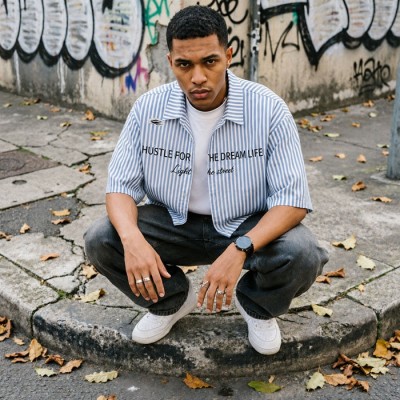
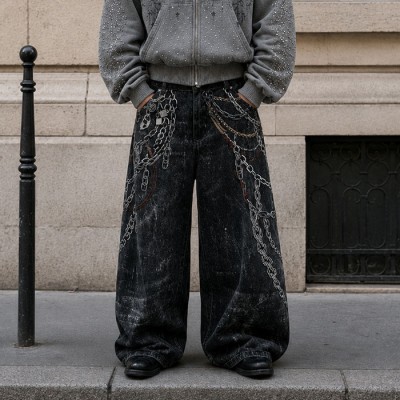
Most Chinese Jersey Factories Look Similar — Here’s How Serious Brands Tell Them Apart
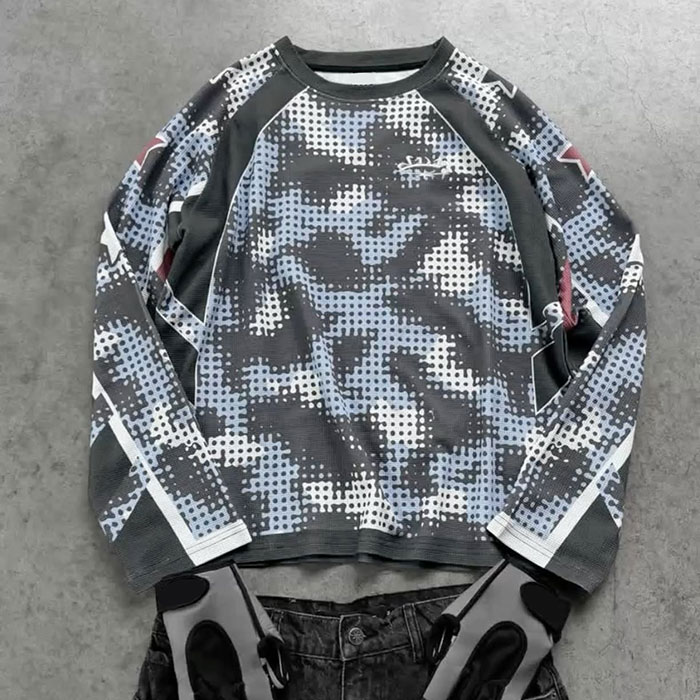
A Chinese jersey factory can be a simple teamwear supplier, a sublimation uniform shop, a trading company, or a production-ready OEM partner. This article explains how apparel teams can judge the difference before custom football jerseys, basketball jerseys, mesh tops, or sports-inspired streetwear pieces move into sampling and bulk production.
Quick Answer
A serious Chinese jersey factory should be judged by fabric behavior, fit development, decoration method, artwork placement, label control, sample records, production checkpoints, and export readiness. For established streetwear brands and apparel teams, the strongest supplier is not simply the lowest-priced factory. It is the factory that can turn jersey design intent into repeatable production standards.
Key Takeaways for Streetwear Brands
- ▸ Jersey production should be reviewed through fabric, fit, print, trim, label, and packing controls—not just price, mockups, or catalog photos.
- ▸ Sports-inspired streetwear jerseys need a different development path from team uniforms because proportion, graphic scale, and retail finish affect brand value.
- ▸ Sublimation, embroidery, appliqué, heat transfer, and screen print each solve different design problems; the wrong method can weaken the final garment.
- ▸ A sample should be approved with measurement records, artwork dimensions, fabric details, color references, trim confirmation, and final packing expectations.
- ▸ The best factory fit is the one whose production system matches the product risk: fabric-led, fit-led, print-led, decoration-led, or scale-led.
What proof should a Chinese jersey factory show before a brand sends artwork or a tech pack?
A capable factory should show production evidence before asking a brand to commit: fabric options, size records, sample photos, decoration examples, label handling, inspection steps, and a clear development path. These proof points help procurement teams separate a real manufacturer from a supplier that only forwards catalog images.
The basic evidence should include factory location, product categories, fabric library, printing or decoration methods, sample lead-time logic, revision process, and bulk inspection standards. A serious supplier should also explain what cannot be confirmed before seeing the final artwork, fabric target, quantity breakdown, and label requirements.
For apparel teams selling in the United States, label readiness also matters. The Federal Trade Commission notes that most textile and wool products require labels listing fiber content, country of origin, and the identity of the manufacturer or another responsible business. This turns labeling into a sourcing check, not a last-minute packaging detail.
This is where early proof leads into fabric decisions. A factory may show strong samples, but jersey quality starts with the material itself.
Which fabric variables decide whether a custom jersey feels retail-ready?
Retail-ready jersey fabric should be judged by fiber content, knit structure, GSM, stretch recovery, breathability, hand feel, shrinkage behavior, colorfastness, and print compatibility. The best fabric is not always the lightest performance mesh or the heaviest knit. It is the fabric that supports the intended fit, artwork, and market position.
Polyester mesh is common for sports jerseys because it supports breathability and sublimation. Interlock and double-knit structures may feel more substantial for fashion-led tops. Piqué or textured knits can add depth, but they may also affect print edge clarity and logo sharpness.
A jersey for a fashion collection should also be tested on body. A fabric that looks clean on a hanger may cling, twist, shine too much under flash photography, or lose shape after washing. For product developers, this is why fabric approval should happen together with fit and graphic review.
Once the fabric is chosen, the next decision is decoration. This is where many jersey projects start to look either premium or flat.
When should a jersey use sublimation, embroidery, appliqué, or screen print?
The decoration method should follow the design goal, fabric base, wearing purpose, and desired surface value. Sublimation works well for full-color sports graphics on polyester. Embroidery, appliqué, patches, screen print, or mixed techniques may be stronger when a streetwear jersey needs texture, depth, vintage sports character, or a more substantial retail feel.
Sublimation is efficient for complex color layouts, large numbers, sponsor-style graphics, and repeated team orders. It keeps the hand feel light and can reduce heavy ink buildup. But it may look too flat when the collection needs varsity-style lettering, tactile badges, dense logos, or a stronger fashion object.
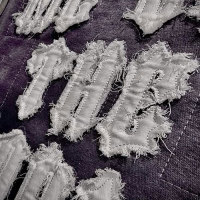
Embroidery gives weight and definition, but it must be tested for tension, puckering, and backing marks. Appliqué can create bold number panels and collegiate texture, but the edge control, fabric thickness, and stitch stress matter. Screen print can hold sharper graphic language, yet ink curing and fabric surface must be matched.
Brands comparing decoration routes can use Groovecolor’s streetwear craft execution page as a deeper reference for how print, embroidery, appliqué, washing, and distressing are assessed before production. The linked topic is useful here because jersey decoration is not a logo choice alone; it is a fabric-and-process decision.
How does streetwear fit change the way a Chinese jersey factory should review a sample?
Streetwear jerseys should be reviewed on body, not only as flat mockups, because proportion changes how graphics, seams, collars, sleeves, and hems read in real styling. A standard team jersey can often use regular grading. A fashion jersey may need boxy width, cropped length, deeper armholes, dropped shoulders, or heavier graphic balance.
The main fit variables are shoulder width, chest width, body length, sleeve volume, armhole depth, collar opening, hem width, and size grading. If a back number is designed for impact, the back panel width matters. If the jersey is cropped, the body length must be balanced with sleeve and collar proportions.
For menswear-focused fashion labels, the risk is not only that the jersey measures wrong. The risk is that it loses attitude once worn. A chest logo may sit too high. A sleeve mark may rotate awkwardly. A back graphic may look small across a wide body. A collar may collapse after washing.
When a jersey design starts behaving like a fit-sensitive streetwear top, pattern and cutting accuracy become part of the production risk. Groovecolor’s pattern and cutting process is a relevant internal reference for this topic because oversized, boxy, and cropped garments depend on controlled proportions rather than generic size charts.
What should a brand lock before approving a custom jersey sample?
A custom jersey sample should be approved only after the brand locks measurements, fabric, print colors, logo scale, decoration method, label position, trim quality, washing response, packing format, and acceptable tolerance. A sample that looks close is not enough. The approved standard must be recorded so production teams can repeat it.
The sample approval record should include flat front photos, flat back photos, close-ups of collar, sleeve, hem, seams, labels, decoration surface, and a measurement sheet. If the jersey has panels, contrast sleeves, appliqué numbers, embroidery, or all-over print, those areas need separate review.
A good approval process also states what may change in bulk. Fabric lots can vary. Print colors may shift slightly. Embroidery tension may behave differently across sizes. The goal is not to pretend that production has no variables. The goal is to define which variables are acceptable and which require correction.
After approval, the next challenge is production transfer. Many jersey problems do not appear in the first sample. They appear when the factory cuts, prints, sews, trims, labels, and packs the order at volume.
Which production checkpoints protect a jersey order after sample approval?
Bulk jersey production should be controlled through fabric inspection, pre-production confirmation, cutting checks, print or sublimation review, sewing inspection, measurement reports, label verification, packing review, and final inspection. These checkpoints protect the approved sample from drifting as the order moves through multiple hands and processes.
The most common drift points are shade, logo placement, collar shape, body length, seam twist, sleeve opening, label position, size distribution, and carton packing. For jersey programs that use numbers or panel graphics, placement should be checked before and after sewing because seams can change how the artwork reads.
The inspection plan should match the product. A plain mesh jersey needs different checks from a cropped football-inspired top with appliqué, embroidered chest badge, custom neck tape, and retail tags. ASTM D5034 is one recognized method for fabric breaking strength and elongation, while AATCC TM61 is commonly referenced for accelerated laundering colorfastness checks. These standards do not replace factory judgment, but they give teams a more objective vocabulary for testing.
For broader production review, Groovecolor’s garment quality-control process explains how fabric checks, sample review, in-process inspection, final inspection, packing review, and pre-shipment checks connect inside a production system. That matters for jersey orders because the product is usually judged as a finished retail item, not as separate fabric, print, and sewing parts.
How should brands compare China, local production, and global OEM options for jersey programs?
The right sourcing region depends on product complexity, development speed, fabric access, decoration depth, production volume, cost structure, and inspection needs. Local production may help with quick communication or early physical review. China-based OEM production may become more suitable when the project needs fabric sourcing, decoration variety, size grading, trims, labels, and repeatable bulk execution.
A simple sports team order can often be produced through a specialized teamwear supplier. A branded fashion jersey requires a stronger bridge between product development and manufacturing. The more the design depends on custom fit, special labels, tactile decoration, mixed techniques, or repeated release calendars, the more important it becomes to judge the full production system.
The decision should not be framed as “China or not China.” A better question is whether the factory structure fits the product risk. For some programs, local sampling first and overseas bulk later may make sense. For others, one OEM system from development to shipment can reduce translation loss between sample room, fabric supplier, print house, sewing line, and packing team.
If a brand is already comparing region options for sports-inspired jerseys, the related article on custom men’s football jersey sourcing can support that regional decision without replacing the factory-level checks in this article.
What should a serious quote request include before a factory gives a reliable price?
A reliable jersey quote requires a tech pack, size chart, fabric target, artwork files, decoration method, label requirements, order quantity, color breakdown, packaging needs, delivery target, and destination market. Without these inputs, the price is usually a rough estimate, not a production-ready quotation.
The quote package should include vector artwork for logos and numbers, Pantone or color references, trim images, neck label files, care label content, hang tag requirements, polybag instructions, carton mark needs, and any required compliance documents. For US-bound products, fiber content and country-of-origin labeling should be discussed early.
Strategic test runs can be useful when a market-proven brand wants to validate a new jersey direction before scaling the style into a wider program. The key is to treat that stage as controlled product validation, not as a shortcut around product development.
This quote logic leads naturally to the final factory fit question: what kind of supplier is built for a branded jersey program rather than a one-off uniform order?
Where does Groovecolor fit when a jersey project needs more than basic teamwear customization?
Groovecolor fits jersey-related projects when the product needs streetwear proportion, graphic placement, mixed decoration, custom labels, sampling records, and bulk control rather than only team names and numbers. Its relevance is strongest for market-proven streetwear brands, menswear-focused fashion labels, and apparel teams with structured development needs.
Based in Dongguan, China, Groovecolor works inside a broader premium OEM streetwear production system that covers fabric sourcing, pattern development, sampling, cutting, sewing, printing, embroidery, appliqué, finishing, inspection, and packing. For jersey programs, the most relevant part is not every capability at once. It is the ability to connect fabric, fit, decoration, label, and production records.
A fashion jersey may share sportswear references, but it still has to sell as a brand garment. It must photograph well, fit into a collection, hold its graphic scale, survive washing, and arrive with the right labels and packaging. That is a different standard from simple uniform customization.
For brands evaluating whether a wider OEM system is the better fit, Groovecolor’s bulk production capacity page is the most relevant next layer. It explains how production scheduling, sample-to-bulk handoff, and repeatable manufacturing support larger custom streetwear programs.
What scoring method should procurement teams use before choosing a Chinese jersey factory?
Procurement teams should score a jersey factory by evidence, not by presentation alone: fabric readiness, fit control, decoration testing, sample documentation, label handling, production checkpoints, compliance awareness, and shipment discipline. A factory that scores well across these areas is more likely to support repeatable brand production.
Strong scores do not mean every factory must do everything in-house. They mean the factory can coordinate the required process, explain the risks, document decisions, and protect the approved standard through production.
Frequently Asked Questions for Chinese Jersey Factory Sourcing
Can one factory handle both sports jerseys and fashion jerseys?
Some factories can handle both, but only when they understand performance fabric and fashion-led product development. A teamwear factory may be strong in sublimation and quick uniform output. A streetwear OEM factory may be stronger in proportion, graphic scale, trims, labels, mixed decoration, and repeatable retail finish.
What is the biggest mistake brands make when approving jersey samples?
The biggest mistake is approving the look without locking the production data behind it. A jersey sample should be approved with measurement readings, fabric reference, artwork dimensions, decoration method, label layout, tolerance range, and packing details. Without those records, bulk production has too much room to drift.
How can a fashion jersey avoid looking like basic teamwear?
A fashion jersey needs proportion, material, artwork scale, and finishing to work together. The factory should review fit on body, adjust number scale to the garment shape, test decoration on real fabric, and choose labels and packing that match the brand’s retail standard.
What information should a brand send before asking for a jersey quote?
About the Author