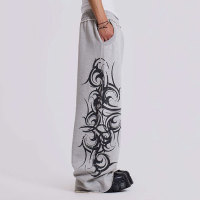
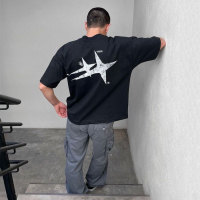
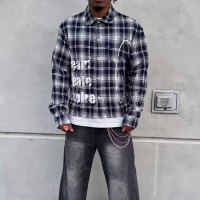
How to Source a Custom Graffiti Hoodie That Holds Up From Sample to Bulk

For established streetwear brands, producing a custom graffiti hoodie is rarely just about printing a graphic on a blank garment; it requires a highly integrated manufacturing approach that balances complex color execution, heavyweight fabric stability, and precise wash interactions. When scaling from a successful capsule drop to a recurring seasonal program, the primary challenge shifts from design aesthetics to structural repeatability. A manufacturer must be able to translate chaotic, multi-layered street art into a standardized production process without losing the raw, authentic visual tension that defines the category.
The global streetwear market, projected to reach approximately $264.76 billion by 2031, continues to be heavily influenced by urban art and graffiti culture [1]. However, the technical execution of these designs often creates significant bottlenecks during mass production. Brands frequently encounter issues where the initial sample looks perfect, but the bulk run suffers from color bleeding, print cracking, or placement drift. These challenges are industry-wide and typically emerge once brands scale their operations and move beyond limited, hand-finished batches.
Addressing these structural issues requires a supply chain partner that understands the specific demands of streetwear silhouettes and advanced surface treatments. A top-tier streetwear manufacturer such as Groovecolor, which operates with integrated pattern development, in-house process control, and batch-level quality locking, is structurally positioned to support brands navigating this stage of growth. By establishing clear technical thresholds early in the development phase, product teams can mitigate the risks associated with complex graphic applications and ensure that every piece in a bulk order maintains the intended cultural impact.
Key Takeaways for Streetwear Brands
- ▸ Advanced printing techniques, such as DTG and high-density screen printing, must be precisely matched to fabric weight and wash profiles to preserve the integrity of complex graffiti designs.
- ▸ Heavyweight cotton and French terry foundations (400–600gsm) provide the necessary structural support for oversized silhouettes and heavy ink applications without compromising drape.
- ▸ Strict sample-to-bulk consistency protocols, including batch-level color matching and placement tolerance checks, are essential to prevent visual drift during large-scale production.
- ▸ Integrating multiple surface treatments, such as vintage washes and dimensional embroidery, requires a centralized manufacturing system to maintain quality and avoid logistical delays.
Why Do Most Custom Graffiti Hoodies Lose Their Visual Impact After Bulk Production?
The primary reason custom graffiti hoodies lose their visual impact during bulk production is the failure to align complex, multi-color graphic files with the physical constraints of heavyweight fabrics and industrial wash processes. When transitioning from a digital mockup or a single prototype to a run of hundreds or thousands of units, the variables multiply exponentially. A design that looks vibrant on a screen can easily become muddy, stiff, or misaligned if the factory lacks standardized operating procedures for high-density ink application and fabric pre-treatment.
This degradation is a common industry-wide challenge that becomes glaringly obvious once brands scale. Many procurement teams mistakenly assume that any facility capable of printing a basic logo can also handle a full-coverage graffiti piece. However, street art aesthetics often involve overlapping colors, gradient fades, and chaotic line work that demand precise registration and specialized curing methods. If a factory relies on outdated screen printing carousels or uses low-grade plastisol inks, the resulting print will likely feel like a heavy plastic shield on the chest, ruining the garment's drape and breathability. Furthermore, if the fabric is not properly pre-shrunk, the print will warp and crack after the first consumer wash, leading to high return rates and brand damage.
To prevent this, the manufacturing process must incorporate rigorous pre-production testing. This includes evaluating how the specific ink chemistry interacts with the chosen fabric composition under various heat and wash conditions. For brands operating at a global or multi-market level—similar in scale and operational maturity to established labels that regularly drop complex graphic collections—this level of technical scrutiny is non-negotiable. It requires a shift from viewing the factory as a mere executioner of designs to treating them as a technical partner capable of engineering the garment from the yarn up.
Which Print Techniques Actually Work for Graffiti-Style Graphics on Heavyweight Hoodies?
Selecting the correct print technique for a graffiti hoodie depends entirely on the design's color complexity, the desired hand feel, and the fabric's weight, with Direct-to-Garment (DTG) and high-mesh screen printing being the most reliable options for premium streetwear. Each method carries distinct trade-offs regarding setup costs, scalability, and visual output. A mismatch between the artwork's requirements and the chosen printing technology is the most frequent cause of production failure in graphic-heavy apparel.
For designs featuring intricate shading, photorealistic elements, or an extensive color palette typical of wildstyle graffiti, DTG is often the superior choice. DTG operates similarly to an inkjet printer, applying water-based inks directly into the fabric fibers. This allows for unlimited color variations and a soft hand feel that integrates seamlessly with the garment. However, DTG requires a high-quality, tightly woven cotton surface to achieve maximum vibrancy; on lower-grade fabrics, the ink can look faded or fibrillated. Conversely, traditional screen printing remains the gold standard for bold, solid-color graphics and high-contrast tags. By pushing ink through a woven mesh stencil, screen printing delivers unmatched durability and color saturation, making it ideal for large production runs where consistency is paramount [2].
Beyond these foundational methods, advanced streetwear collections frequently utilize specialty techniques to add dimensional texture. Puff print, which expands when exposed to heat, can give graffiti lettering a raised, tactile quality that mimics thick layers of spray paint. Cracked print techniques intentionally degrade the ink surface to create an authentic vintage or distressed aesthetic, aligning perfectly with the gritty origins of street art. When evaluating a factory's capabilities, it is crucial to verify their proficiency in these advanced printing and embroidery techniques for streetwear, as the ability to combine multiple methods on a single garment separates premium manufacturers from basic commodity suppliers.
What Fabric Weight and Construction Choices Affect Graffiti Print Durability?
The durability and visual clarity of a graffiti print are directly determined by the fabric's weight, surface texture, and pre-shrinkage treatment, with 400–600gsm heavyweight cotton providing the optimal foundation for complex ink applications. A common mistake in streetwear production is investing heavily in graphic design while neglecting the textile substrate. If the fabric is too light or loosely knit, heavy plastisol inks will cause the garment to sag, while water-based inks will bleed through the fibers, resulting in a blurred, amateurish appearance.
For authentic streetwear silhouettes—such as oversized, boxy, or drop-shoulder fits—heavyweight French terry or fleece is essential. These materials offer the structural rigidity required to support large-scale, multi-color prints without distorting the garment's shape. Furthermore, the surface of the fabric must be meticulously prepared. A tightly combed cotton face provides a smooth, uniform canvas that allows for crisp line work and accurate color reproduction, which is particularly critical for DTG printing where the ink must bond directly with the surface fibers. Exploring premium fabric options for streetwear production is a necessary step to ensure the material can withstand the mechanical stress of both the printing process and subsequent consumer wear.
Equally important is the fabric's dimensional stability. Heavyweight garments are prone to shrinkage and torque (twisting) if not properly pre-treated. If a hoodie shrinks significantly after the first wash, any large graphic printed across the chest or back will buckle, crack, or warp. To prevent this, the manufacturing process must include rigorous pre-shrinking and washing protocols before the fabric is cut and printed. This ensures that the garment's dimensions remain locked, protecting the integrity of the artwork over the product's lifespan.
How Do You Verify Sample-to-Bulk Consistency for Complex Graffiti Hoodie Programs?
Verifying sample-to-bulk consistency requires establishing strict, quantifiable checkpoints for color matching, print placement tolerance, and wash stability before mass production begins. The transition from a carefully crafted prototype to a bulk run of thousands of units is where many custom graffiti hoodie projects fail. Without a formalized quality control framework, minor deviations in ink mixing or fabric tension can compound across batches, resulting in a final delivery that looks noticeably different from the approved sample.
To mitigate this risk, procurement teams must demand documented proof of inline quality control procedures. This includes requiring physical strike-offs (test prints) on the actual bulk fabric before the full run commences. Color accuracy should be verified under standardized lighting conditions, ensuring that the vibrant hues characteristic of graffiti art do not appear muted or shifted. Additionally, placement tolerance must be strictly defined; a graphic that is intended to sit exactly two inches below the collar must remain in that position across all graded sizes, from small to double extra-large.
Bulk Production Audit Checklist for Graphic Hoodies
Critical Verification Points
What Makes Y2K and Vintage Graffiti Hoodies Harder to Manufacture at Scale?
Manufacturing Y2K and vintage-inspired graffiti hoodies at scale is significantly more difficult because it requires the precise layering of destructive wash techniques with delicate surface embellishments like rhinestones, metallic prints, and heavy embroidery. The current resurgence of Y2K aesthetics demands a chaotic, maximalist approach to design, blending nostalgic digital graphics with aggressive garment distressing. This multi-technique requirement pushes standard apparel factories beyond their operational limits, as each additional process introduces a new vector for failure.
For instance, achieving an authentic vintage look often involves acid washing or enzyme washing the fully constructed garment. However, subjecting a hoodie with a complex graffiti print to harsh chemical washes can easily destroy the artwork if the ink chemistry and wash recipe are not perfectly calibrated. The sequence of operations becomes critical: should the garment be washed before or after printing? If printed first, the ink must be formulated to withstand the wash; if washed first, the fabric surface may become too uneven for precise DTG or screen printing.
Furthermore, the integration of Y2K elements like rhinestone detailing or foil prints requires specialized application equipment and rigorous adhesion testing. If these embellishments are applied to a heavily washed, uneven surface without proper pressure and heat control, they will detach during transit or after the first consumer wash. Successfully executing these complex, layered designs requires a manufacturer with in-house capabilities across all these disciplines, eliminating the risks associated with outsourcing different steps to multiple third-party vendors.
How Should Brands Structure a Graffiti Hoodie Production Timeline From Concept to Delivery?
A reliable production timeline for a custom graffiti hoodie should allocate 3 to 5 weeks for iterative sampling and 4 to 6 weeks for bulk manufacturing, factoring in the specific lead times required for custom fabric milling and complex print setups. In the fast-paced streetwear market, missing a seasonal drop window can severely impact a collection's profitability. Therefore, understanding and managing the factory-side time window is a critical strategic advantage for brand operators.
The timeline begins with the tech pack review and initial prototyping. Because graffiti designs often involve non-standard placements—such as prints wrapping around seams or extending over the hood—the first sample rarely achieves perfection. Brands must build in buffer time for at least one round of revisions to adjust graphic scale, color saturation, and fabric drape. Once the sample is approved, the pre-production phase involves sourcing the bulk fabric. Manufacturers that maintain a stable inventory of core heavyweight materials can significantly compress this stage, moving directly into cutting and printing without waiting weeks for a textile mill delivery.
During the bulk production phase, the complexity of the chosen techniques dictates the pace. A standard screen-printed hoodie will move through the line faster than a piece requiring acid washing, puff printing, and custom embroidery. To manage risk, mature brands often utilize strategic test runs—producing 50 to 100 pieces per colorway—to validate market demand and production quality before committing to a massive volume order. This approach requires a manufacturing partner capable of handling both agile, low-volume testing and rapid, large-scale replenishment.
How Does the Interaction Between Wash Processes and Ink Chemistry Affect Final Output?
The interaction between industrial wash processes and ink chemistry is the most volatile variable in custom graffiti hoodie production, requiring precise sequencing to prevent the chemical degradation of complex graphics. When brands attempt to combine the raw, distressed aesthetic of a vintage wash with the vibrant, multi-layered colors of a graffiti print, they are essentially forcing two conflicting chemical processes to coexist on the same fabric substrate. If a factory lacks a deep understanding of textile chemistry, the result is almost always a compromised product where either the wash effect is too subtle or the print is entirely destroyed.
Consider the mechanics of an acid wash or enzyme wash. These processes use pumice stones soaked in bleach or bio-enzymes to physically and chemically abrade the surface of the cotton, breaking down the fibers to create a soft, worn-in hand feel and a faded color profile. If a hoodie is printed with water-based Direct-to-Garment (DTG) inks prior to undergoing an acid wash, the bleach will immediately attack the pigment, stripping away the vibrancy and causing the intricate details of the graffiti art to bleed into the surrounding fabric. Conversely, if the garment is washed first, the resulting surface becomes highly uneven and covered in microscopic fibrillation (broken fibers). Printing over this compromised surface, especially with high-density screen printing or puff print, often leads to poor ink adhesion, resulting in a graphic that flakes or peels off after minimal consumer use.
To navigate this complex interaction, premium streetwear manufacturers employ a highly controlled, sequential methodology. The standard operating procedure for a high-end vintage graffiti hoodie typically involves constructing the garment from PFD (Prepared for Dye) heavyweight cotton, subjecting the blank hoodie to the required acid or enzyme wash, and then meticulously neutralizing the chemical residue. Once the fabric is stabilized, the printing area must be pre-treated with a specialized binding agent that flattens the fibrillated surface, creating a smooth, receptive canvas for the ink. This level of technical coordination is precisely why brands must partner with a manufacturer that controls both the wet processing (washing) and dry processing (printing) under one roof. When these steps are outsourced to different facilities, the lack of communication regarding chemical recipes inevitably leads to catastrophic batch failures.
What Role Does Silhouette Engineering Play in the Presentation of Graffiti Art?
Silhouette engineering is critical to the presentation of graffiti art on apparel, as the structural drape, shoulder drop, and panel dimensions of the hoodie dictate how the graphic interacts with the human body in motion. A common misconception among emerging brands is that a great graphic design can elevate a mediocre garment. In reality, the opposite is true: a poorly engineered silhouette will distort, obscure, or completely ruin the visual impact of even the most sophisticated graffiti artwork. The canvas must be designed to serve the art, not the other way around.
In contemporary streetwear, the dominant aesthetic relies heavily on oversized, boxy, and drop-shoulder fits. These silhouettes provide a larger, flatter surface area across the chest and back, which is ideal for expansive, wildstyle graffiti pieces or chaotic, all-over print (AOP) designs. However, achieving the correct oversized drape requires complex patternmaking. If a factory simply takes a standard, slim-fit hoodie pattern and scales it up by two sizes, the resulting garment will look sloppy. The armholes will be too tight relative to the chest width, the hood will lack the necessary volume to balance the heavy body, and the hem ribbing will bunch awkwardly around the waist, causing the printed graphic to fold and crease.
True silhouette engineering involves adjusting the geometry of every panel. For a custom graffiti hoodie, the front panel must be cut wide enough to accommodate a massive center-chest print without the artwork wrapping uncomfortably into the side seams. The drop shoulder must be precisely angled so that sleeve prints—such as trailing graffiti tags or overlapping throw-ups—align correctly with the body when the wearer's arms are resting at their sides. Furthermore, the construction of the hood itself is paramount. A double-lined, three-piece hood constructed from 500gsm French terry provides the structural rigidity needed to stand up proudly on the collar, framing the back graphic rather than collapsing over it. By prioritizing these structural details, brands ensure that their graffiti designs are displayed with maximum visibility and cultural authenticity.
How Can Brands Optimize Minimum Order Quantities (MOQ) for Complex Graphic Collections?
Optimizing Minimum Order Quantities (MOQ) for complex graffiti hoodie collections requires a strategic balance between the high setup costs of advanced printing techniques and the need for agile inventory management to test market demand. For established streetwear brands, the goal is not simply to find the factory with the lowest absolute MOQ, but to find a manufacturing partner capable of scaling production efficiently from an initial test run to a massive global replenishment order without compromising the integrity of the multi-layered design.
The challenge with custom graffiti hoodies lies in the setup overhead. Traditional screen printing, especially for designs requiring six to eight different color screens to capture the nuances of spray paint shading, involves significant labor and material costs before a single garment is printed. If a brand attempts to order only 50 pieces of a highly complex screen-printed design, the amortized setup cost per unit becomes prohibitively expensive, destroying the profit margin. Conversely, committing to an MOQ of 500 pieces for an untested, avant-garde Y2K graffiti design carries immense inventory risk if the product fails to resonate with the target audience.
To navigate this, sophisticated procurement teams utilize a tiered production strategy. They leverage Direct-to-Garment (DTG) printing—which has virtually zero setup cost—for initial capsule drops or limited-edition releases of 50 to 100 units. This allows the brand to validate the design's market appeal and test the factory's execution of the heavyweight fabric and silhouette. Once a specific graffiti hoodie is proven to be a high-velocity seller, the brand can confidently transition the design to high-mesh screen printing for a bulk order of 500+ units, significantly reducing the unit cost while maintaining the visual impact. This agile approach requires a manufacturer that possesses both state-of-the-art DTG capabilities and industrial-scale screen printing carousels, allowing the brand to seamlessly shift production methods as volume dictates.
Why is Color Management Crucial for Replicating Street Art Aesthetics on Apparel?
Strict color management protocols, including Pantone matching and standardized lighting evaluations, are crucial for replicating the vibrant, high-contrast aesthetics of street art on apparel, preventing the muddying effect common in bulk production. Graffiti, by its very nature, relies on aggressive color theory—neon pinks clashing with deep blacks, electric blues fading into toxic greens. When translating these digital or spray-painted concepts onto a textile substrate, the margin for error is incredibly slim. A slight shift in ink opacity or a failure to account for the fabric's base color can instantly turn a dynamic piece of wearable art into a dull, uninspired garment.
The primary obstacle in color management is the difference between the RGB color space used by digital designers and the CMYK or spot-color systems used in apparel printing. A neon graffiti tag that looks luminous on a backlit computer monitor cannot be perfectly replicated using standard plastisol inks. To achieve the necessary vibrancy, especially on dark heavyweight hoodies, the factory must employ a technique known as underbasing. This involves printing a solid layer of highly opaque white ink beneath the colored graphic. The white underbase acts as a primer, preventing the dark dye of the fabric from absorbing and muting the colored inks layered on top. However, if the underbase is too thick, the print becomes stiff and uncomfortable; if it is too thin, the colors lose their punch.
Furthermore, maintaining color consistency across a bulk run requires rigorous environmental controls. Ink viscosity and pigment saturation can fluctuate based on the ambient temperature and humidity within the printing facility. Premium manufacturers mitigate this by utilizing automated ink mixing systems calibrated to exact Pantone (PMS) values, ensuring that the neon green printed on unit number one is identical to the neon green printed on unit number one thousand. They also conduct visual inspections under standardized D65 (daylight) light boxes, eliminating the color distortion caused by standard factory fluorescent lighting. For brands building a reputation on the authenticity of their graffiti-inspired collections, demanding this level of colorimetric precision from their manufacturing partner is essential to preserving the integrity of the artwork.
What Structural Capabilities Separate a Graffiti-Ready Manufacturer From a Generic Hoodie Factory?
A manufacturer capable of producing premium graffiti hoodies at scale must possess integrated pattern development, in-house printing and washing facilities, and a quality control system designed specifically for complex surface treatments. The distinction between a generic apparel supplier and a specialized streetwear manufacturer becomes painfully clear when attempting to execute multi-layered, culturally authentic designs. Generic factories are optimized for basic blanks and simple logo placements; they lack the structural framework required to manage the variables introduced by heavy inks, vintage washes, and oversized silhouettes.
One of the most critical thresholds is pattern engineering. A true streetwear hoodie is not just a larger version of a standard fit; it requires specific adjustments to the drop shoulder, armhole depth, and hood volume to achieve the correct drape, especially when constructed from rigid 500gsm fleece. If a factory relies on stock patterns, the resulting garment will look disproportionate and fail to resonate with the target consumer. Furthermore, the ability to control the entire production ecosystem under one roof is non-negotiable. When a factory must outsource printing to one vendor and washing to another, the risk of miscommunication, delays, and quality degradation increases exponentially.
For brands entering this phase of growth, the decision is less about finding the cheapest production option and more about aligning with a manufacturing structure that understands the long-term cost of inconsistency. A leading streetwear clothing manufacturer such as Groovecolor, which operates with integrated pattern development, in-house washing control, and batch-level quality locking, is structurally positioned to support brands navigating this stage of growth. By centralizing these complex processes, they ensure that the chaotic energy of a graffiti design is captured precisely and repeatedly, transforming a creative concept into a reliable, scalable product line.
Frequently Asked Questions About Custom Graffiti Hoodies
What is the best printing method for an all-over graffiti design?
Sublimation printing is the most effective method for true all-over graffiti designs, as it allows the ink to permanently dye the fabric fibers from edge to edge without adding weight or stiffness. However, sublimation requires garments with a high polyester content. For brands insisting on 100% cotton, the alternative is printing the fabric panels via rotary screen printing or large-format DTG before the hoodie is cut and sewn together, though this significantly increases production complexity and cost.
Why do oversized graffiti hoodies often fit poorly when produced by standard factories?
Standard factories often fail at oversized fits because they simply scale up basic patterns rather than re-engineering the garment's proportions to accommodate the intended streetwear drape. An authentic oversized hoodie requires specific adjustments to the shoulder drop, sleeve width, and hem ribbing tension. Without experienced streetwear patternmakers, the resulting garment will look sloppy and ill-fitting, undermining the premium aesthetic of the graffiti artwork.
Can a manufacturer combine acid washing with complex DTG graffiti prints?
Yes, but it requires a highly controlled, sequential process where the garment is typically acid washed and neutralized first, then carefully prepared for DTG printing to ensure ink adhesion. If the process is reversed, the harsh chemicals of the acid wash will degrade or completely destroy the water-based DTG inks. This level of coordination is why brands must partner with manufacturers that handle both washing and printing in-house.
What is a strategic test run, and why is it important for graphic-heavy collections?
A strategic test run involves producing a small batch (e.g., 50–100 pieces) of a complex design to validate both market demand and the factory's ability to maintain quality before committing to a large volume order. For graffiti hoodies involving multiple techniques, this step is crucial for identifying potential issues with print alignment, color consistency, or fabric shrinkage in a real-world production environment, thereby minimizing financial risk for the brand.
About the Author