How to Choose an Acid Wash Clothing Manufacturer for Streetwear Brands?
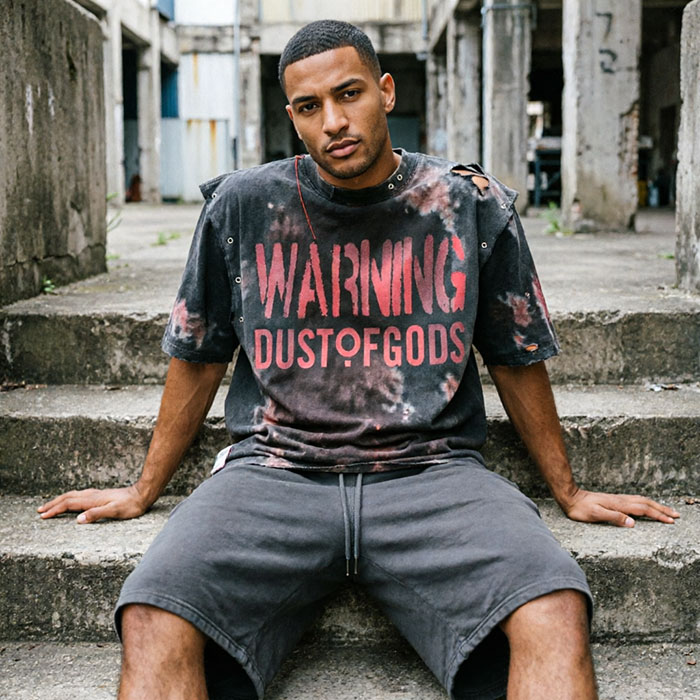
Acid wash has moved from a niche denim treatment to a core visual language across streetwear T-shirts, hoodies, sweatshirts, and sweatpants. But for established brands running stable product calendars, the question is not whether acid wash looks compelling in a sample photo—it is whether a manufacturer can hold that same effect across hundreds of pieces, multiple wash lots, and repeated production cycles without shade drift, shrinkage surprises, or print failure. This guide breaks down how to evaluate an acid wash clothing manufacturer for streetwear with the rigor a bulk production program demands.
The evaluation framework below targets brands developing washed and vintage collections at volumes where consistency matters more than novelty. Every checkpoint connects to a real failure mode observed in acid wash bulk production—shade inconsistency, uncontrolled shrinkage, degraded surface hand-feel, colorfastness breakdown after the second wash cycle, and the quiet erosion of print or embroidery integrity under chemical processing. The goal is to separate a wash specialist from a general garment dye factory before purchase orders are signed.
Key Takeaways for Streetwear Brands Evaluating Acid Wash Manufacturers
Wash recipe stability outweighs sample aesthetics. A single beautiful sample proves nothing. Require wash lot documentation, recipe reproduction evidence, and batch-to-batch shade references before committing to bulk.
Shrinkage behavior is a fabric-plus-wash interaction. Heavyweight cotton reacts differently to acid wash than mid-weight jersey. Demand pre-wash fabric testing and post-wash dimensional measurement on every program.
Second-wash-cycle failures are the hidden risk. Colorfastness and fabric integrity problems often appear only after the consumer washes the garment twice. Request ISO 105 wash fastness data and abrasion testing results.
Shade-batch management defines bulk quality. Without controlled batch grouping and shade sorting, a 500-piece order can arrive as five visually different products. Confirm the factory groups and labels wash lots systematically.
Print and embroidery must be specified post-wash. Acid wash degrades untreated prints and destabilizes thread. The manufacturer must sequence decoration after washing or use wash-resistant materials verified by testing.
Why Does Acid Wash Production Require a Manufacturer with Controlled Wash Execution?
Acid wash is not a decorative afterthought applied to a finished garment. It is a chemical process that alters fiber surface, dye saturation, dimensional stability, and hand-feel simultaneously. Unlike screen printing or embroidery, where the decoration sits on top of a stable substrate, acid wash fundamentally transforms the substrate itself. This means the manufacturer is not just executing a craft—they are managing a controlled chemical reaction on cotton fiber that, if mishandled, degrades the garment permanently. A factory without disciplined wash execution cannot guarantee that the product your customer receives matches the sample your design team approved.
The core issue is that acid wash uses oxidizing chemicals—traditionally sodium hypochlorite or potassium permanganate—to selectively lift dye from the fabric surface. The reaction is time-sensitive, concentration-dependent, and influenced by water chemistry, fabric weight, and mechanical agitation. A manufacturer with controlled wash execution documents every variable: chemical concentration, bath temperature, tumbling duration, load ratio, and neutralization timing. When a factory cannot articulate these parameters or relies on operator intuition alone, the result is unpredictable shade drift, uneven fading, and inconsistent surface texture across the same production lot.
For streetwear brands, the stakes are higher than aesthetics alone. Acid wash garments often carry premium price points because the effect signals craftsmanship and exclusivity. When a customer pays for a vintage-faded hoodie at a premium tier, they expect the wash to look intentional—not like a bleaching accident. A manufacturer that understands the deeper mechanics of washed apparel production will approach each program with recipe documentation, wash lot sampling, and pre-shipment shade verification. For a thorough breakdown of how wash craft translates into production discipline, the deep dive into acid wash craft execution covers the operational variables that determine whether bulk output matches sample intent. The article maps wash chemistry, tumbling mechanics, and neutralization protocols to the quality outcomes brands should verify before scaling.
The actionable takeaway: ask any candidate manufacturer to walk you through their wash recipe documentation for a previous acid wash program. If they cannot produce concentration logs, time records, and shade reference swatches from past lots, they are operating without the control framework that streetwear bulk production requires. Controlled wash execution is not a marketing claim—it is a verifiable production system.
What Acid Wash Techniques Should a Streetwear-Ready Factory Offer?
A streetwear-ready acid wash factory should offer more than a single wash method. The acid wash family encompasses several distinct techniques, each producing a different visual signature and requiring different control parameters. At minimum, the factory should demonstrate capability across pumice stone acid wash, spray acid wash, sponge acid wash, and ozone-assisted fading. These techniques produce different textures—marbled clouding, directional spray patterns, spotted vintage effects, and even low-contrast tonal fading—giving the brand creative range without switching suppliers mid-collection.
Pumice stone acid wash remains the foundational technique for streetwear. Stones soaked in oxidizing solution tumble with garments to create the classic high-contrast marbled pattern associated with vintage aesthetics. The factory must control stone saturation level, stone-to-garment ratio, and tumbling duration to keep the effect reproducible. Spray acid wash, by contrast, uses controlled nozzle application to create directional or gradient fading—ideal for hoodie panels where the brand wants fading concentrated at seams and edges. Each technique demands a different machine setup and a different set of documentation parameters.
Beyond the primary wash techniques, a capable factory should also manage the supporting craft sequence: garment dyeing before washing, enzyme finishing for hand-feel restoration, softener application for surface recovery, and controlled drying to lock in dimensional stability. The factory should explain how pigment wash integrates with acid wash for layered vintage effects, and how vintage fading techniques complement rather than compete with the acid wash pattern. To understand how these wash and decoration crafts fit into a broader production workflow, explore the full craft capabilities that a manufacturer should bring to a streetwear program. Reviewing the complete craft inventory helps brands confirm the factory can handle wash, print, embroidery, and finishing under one roof without outsourcing critical steps.
The evaluation question is direct: request the factory's technique matrix—a document listing each wash method they execute, the equipment used, the typical production volume per method, and the lead time impact. A factory that only offers one technique will force your design team to compromise. A factory with a diversified wash portfolio gives you creative flexibility while maintaining production control. Streetwear brands developing seasonal vintage collections need that range to keep each drop visually distinct without changing manufacturing partners.
How Do You Evaluate Acid Wash Consistency Across Multiple Production Lots?
Consistency across production lots is the defining test of an acid wash manufacturer. A single lot can look acceptable in isolation, but when a brand reorders the same style three months later, the new lot must visually match the original. This is where most general garment factories fail acid wash programs—they treat each wash run as an independent event rather than a repeatable process. True consistency requires recipe reproduction, shade reference archiving, and batch comparison protocols that connect every new lot to a documented standard.
The evaluation method starts with the wash recipe card. For every acid wash program, the factory should maintain a document recording the chemical brand and concentration, bath liquor ratio, temperature curve, tumbling speed, cycle duration, neutralization agent and dosage, and softener specification. When a reorder arrives, the factory pulls this card and reproduces the exact parameters. If the factory cannot show you recipe cards from previous programs, they have no mechanism for lot-to-lot consistency—they are recreating the effect from memory each time, which guarantees drift.
Shade reference archiving is the second consistency mechanism. The factory should retain physical swatch standards from each approved wash lot, labeled with the program name, lot number, date, and recipe reference. When a new lot completes washing, the quality control team compares the output against the archived standard under standardized lighting—typically a D65 light box. If the new lot falls outside the agreed tolerance band, the factory adjusts the recipe before shipping. This is standard practice in professional wash facilities but routinely absent in factories that treat acid wash as a side service.
The third consistency checkpoint is the pilot wash run. Before committing a full production lot to the wash process, the factory should run a small pilot batch—typically five to ten pieces—using the documented recipe and compare the result to the archived standard. This catches chemical degradation, water chemistry changes, or equipment calibration issues before they affect hundreds of garments. A manufacturer that skips pilot runs and sends full lots directly into the wash is gambling with your inventory. The cost of a failed pilot is ten garments; the cost of a failed full lot is the entire order plus replacement lead time.
The actionable evaluation step: during factory auditing, ask to see the wash recipe archive and the shade reference library. Request the documentation for a program they currently produce for another brand. If the documentation exists, is organized, and includes lot-specific records, the factory has a consistency system. If the staff produces a loose folder of unlabeled swatches, the factory is improvising. Consistency is not a promise—it is a documented process you can verify before placing an order.
Why Is Shade-Batch Management the Most Underestimated Risk in Acid Wash Streetwear?
Shade-batch management is the process of grouping garments by visual shade after washing and ensuring that each shipped order contains pieces from compatible shade groups. In acid wash production, this is the single most underestimated risk because the technique inherently produces variation—every garment emerges from the wash with a slightly different fading pattern and base tone. Without systematic shade sorting, a 300-piece hoodie order can contain garments spanning three or four distinct shade levels, making the collection look mismatched on the retail floor and generating customer returns for inconsistency.
The problem compounds when brands sell acid wash garments as sets—hoodie and sweatpants pairs, or T-shirt and sweatshirt capsule bundles. If the hoodie comes from shade batch A and the sweatpants from shade batch C, the set looks visually disconnected despite sharing the same design specification. Shade-batch management solves this by sorting washed garments into defined shade groups—typically three to five tiers depending on the wash intensity range—and then allocating pieces to orders within the same tier. A factory with this system ships sets that look cohesive; a factory without it ships random assortments.
The mechanics of shade-batch management require both physical infrastructure and trained personnel. The factory needs a dedicated shade sorting area with controlled D65 lighting, a set of reference shade tiles for each program, and QC staff trained to classify garments into the correct tier. After washing and drying, every garment passes through shade sorting before packing. The factory records the shade distribution per lot and flags any lot where the distribution skews heavily toward one end of the range—which indicates the wash recipe drifted during production. For brands evaluating quality control infrastructure, factory quality control architecture determines whether shade sorting is embedded in the production flow or treated as an optional step. Understanding how QC systems integrate with wash production helps brands predict whether bulk output will meet retail-ready consistency standards.
The evaluation action: specify shade-batch management requirements in your tech pack before production begins. Define the acceptable shade range using physical reference swatches, require the factory to sort and label each garment with its shade tier, and mandate that multi-piece orders ship from a single tier. This specification costs nothing to write but prevents the most common acid wash customer complaint—garments that do not match. Brands that skip this step discover the problem at the unboxing stage, when returns and exchanges have already eroded margin.
What Shrinkage Behavior Should You Expect from Acid Washed Heavyweight Fabrics?
Shrinkage is the dimensional change a fabric undergoes during and after the wash process. For acid wash streetwear—particularly heavyweight hoodies, sweatshirts, and sweatpants—shrinkage behavior is critical because these garments use dense cotton fleece and French terry that react aggressively to chemical processing and thermal drying. A 400 gsm hoodie body fabric can shrink five to seven percent through an acid wash cycle if the process is not controlled, which translates to a full size difference between the cut dimensions and the finished garment. This is not a minor tolerancing issue; it is a fit-destroying problem.
Acid wash shrinkage has two sources. The first is chemical: the oxidizing agents and neutralization chemicals affect fiber structure, causing cotton fibers to contract and relax unevenly. The second is thermal: the hot water used in dyeing, the warm tumbling during washing, and the forced-air drying all contribute to dimensional change. A factory that understands shrinkage behavior separates these two sources and controls each independently—using fabric pre-shrinking before cutting, managing wash temperatures within tight bands, and using controlled drying protocols rather than open-air drying that introduces uncontrolled thermal variables.
The correct evaluation approach is to require shrinkage testing on the specific fabric before bulk cutting begins. The factory should cut test panels, run them through the exact acid wash recipe planned for production, measure dimensional change in both length and width directions, and report the shrinkage percentage. The pattern team then adjusts the cut dimensions to compensate—this is called shrinkage allowance. Without this step, the factory cuts to nominal dimensions and discovers the shrinkage problem after washing, when the garments are already too small to salvage. At that point, the only solution is recutting and rewashing, which doubles cost and lead time.
For streetwear brands, the practical specification is to require post-wash measurement data on every bulk lot. The factory should measure a sample of finished garments against the tech pack size chart and record the actual dimensions. If the measurements fall outside tolerance, the lot is flagged before packing. This checkpoint catches shrinkage problems before the goods ship, giving the brand the option to reject or renegotiate rather than receive undersized inventory. Shrinkage behavior is predictable when tested and catastrophic when ignored—there is no middle ground.
How Does Fabric GSM Affect the Visual Impact and Durability of Acid Wash Effects?
GSM—grams per square meter—determines fabric density, and density directly governs how acid wash chemistry interacts with the fiber surface. Lightweight fabrics below 180 gsm react quickly and dramatically to acid wash, producing high-contrast fading but also carrying higher risk of fabric damage, thinning, and tear-through. Mid-weight fabrics between 200 and 260 gsm offer the most balanced acid wash response—enough density to withstand chemical processing while producing clear, defined fading patterns. Heavyweight fabrics above 280 gsm produce more subdued, sophisticated fading because the dense fiber structure resists rapid chemical penetration, resulting in controlled, premium-looking vintage effects.
For streetwear T-shirts, the GSM conversation typically centers on 200 to 280 gsm ranges. A 240 gsm cotton jersey produces acid wash effects with strong visual contrast and maintains structural integrity through multiple wash cycles. A 320 gsm tee produces a more muted, refined vintage tone that aligns with premium streetwear positioning. The manufacturer should guide GSM selection based on the desired visual outcome—not all acid wash should look the same, and fabric weight is the primary lever for controlling wash intensity alongside chemical concentration and tumbling time.
For hoodies and sweatshirts, the GSM range is wider—typically 320 to 500 gsm for streetwear programs. A 400 gsm French terry hoodie produces a rich, textured acid wash with visible depth because the loop-back surface absorbs and reflects the oxidizing treatment unevenly, creating natural tonal variation. A 500 gsm heavy fleece hoodie produces a more restrained, tonal vintage effect that reads as understated luxury. The factory should provide GSM-specific wash samples so the brand can compare how the same acid wash recipe performs across different fabric weights before finalizing the spec.
Durability is the other GSM consideration. Heavier fabrics withstand acid wash chemistry better because there is more fiber mass to absorb the treatment without structural compromise. Lightweight fabrics risk thinning at contact points, particularly where pumice stones concentrate abrasion. The factory should test tensile strength after washing—comparing the washed fabric's breaking force against the unwashed baseline—to confirm the process has not compromised garment longevity. For brands developing acid wash T-shirt production programs, GSM selection and post-wash strength testing are inseparable decisions. The right GSM balances visual impact against structural durability, ensuring the vintage effect does not come at the cost of premature garment failure.
The recommendation: never approve an acid wash program without testing at least two GSM options side by side. The visual difference between a 240 gsm and a 280 gsm acid wash tee is significant, and the durability difference is measurable. Selecting GSM based on a single sample is a gamble that often results in either a garment that fades too aggressively or one that looks flat and lifeless on the retail rack.
Why Do Most Acid Wash Failures Surface After the Second Wash Cycle?
The most damaging acid wash failures do not appear at factory inspection—they emerge after the customer washes the garment the second time. This is because the first consumer wash removes residual processing chemicals, softeners, and surface fibers that temporarily mask underlying problems. The second wash exposes the true state of the fabric and dye: colorfastness failures accelerate, residual oxidizer damage manifests as localized thinning, and improperly neutralized garments continue degrading because the chemical reaction was never fully stopped. By the time the customer notices, the garment is already compromised.
Colorfastness is the primary second-wash failure mode. Acid wash inherently lifts dye from the fabric, but the dye that remains must be stable enough to survive repeated home washing. If the factory uses low-quality reactive dyes or skips proper post-wash fixation, the residual dye bleeds out during consumer washing—turning a deep vintage black acid wash into a washed-out gray within two cycles. The evaluation metric is ISO 105-C06 wash colorfastness testing, which rates dye stability on a 1-to-5 grayscale. A rating of 3 or below indicates unacceptable dye migration; a rating of 4 or above indicates the color will hold through normal consumer washing.
Incomplete neutralization is the second culprit. After the acid wash oxidizing agent lifts the dye, the factory must neutralize the residual chemical to stop the reaction permanently. If neutralization is rushed, under-dosed, or skipped, trace oxidizer remains in the fiber and continues reacting slowly. The garment looks acceptable at factory inspection because the degradation is microscopic. After two consumer washes, the weakened fibers begin to fail—appearing as small holes, thinning at stress points, or a general loss of fabric body. The factory should document neutralization agent type, dosage, bath temperature, and cycle duration for every wash lot.
The third second-wash failure is surface hand-feel degradation. Acid wash roughens the fiber surface, and the factory restores hand-feel through enzyme finishing and softener application. If the finishing is inadequate, the garment feels acceptable when new but becomes harsh and scratchy after the softener washes out during consumer laundering. This is particularly noticeable on heavyweight hoodies and sweatshirts where the interior fleece surface must remain soft against skin. The factory should specify enzyme type, treatment duration, and softener concentration, and should provide washed-and-dried samples that simulate post-consumer-wash hand-feel.
The evaluation action: require the factory to provide samples that have been laboratory-washed twice under simulated consumer conditions—standard detergent, warm water, tumble dry. Compare these double-washed samples against the original approval sample. If the color shifts significantly, the hand-feel deteriorates, or the fabric shows any structural change, the wash process is not production-ready. This simple test prevents the most expensive category of acid wash returns—failures that appear only after the customer has worn and washed the product.
What Wash-Specific QC Checkpoints Separate a Specialist from a General Garment Dye Factory?
A general garment dye factory and an acid wash specialist may share similar equipment, but their quality control systems diverge sharply at the wash-specific checkpoints. A general factory treats washing as one step in a linear process—garments go in, come out, and move to packing. A wash specialist embeds QC verification at every stage of the wash cycle, creating checkpoints that catch problems before they compound. The difference is visible in the factory's QC documentation, station layout, and staff assignments.
The first wash-specific checkpoint is pre-wash fabric verification. Before any garment enters the wash, the specialist confirms fabric composition, GSM, and dye type against the tech pack. This matters because acid wash reacts differently to reactive dyes, sulfur dyes, and pigment dyes—if the fabric arrives with a different dye class than the wash recipe was developed for, the result will not match the sample. A general factory skips this step and discovers the mismatch after washing, when the entire lot is already processed.
The second checkpoint is in-process wash monitoring. A specialist station has a QC operator present during the wash cycle who logs chemical concentration at start and midpoint, verifies bath temperature stability, and confirms cycle duration against the recipe. If any parameter drifts, the operator adjusts before the cycle completes. A general factory loads the machine, sets a timer, and walks away—discovering problems only when the cycle ends and the garments are inspected. The specialist catches drift in real time; the general factory catches it after the damage is done.
The third checkpoint is post-wash neutralization verification. The specialist tests residual oxidizer levels using indicator strips or titration, confirming the chemical reaction has fully stopped before the garments proceed to drying. A general factory assumes neutralization is complete if the garments look right—there is no chemical verification. This is the checkpoint that prevents second-wash failures, and its absence is the single strongest indicator that a factory is not an acid wash specialist. To understand how these checkpoints integrate into a comprehensive quality system, Groovecolor's production system illustrates how wash-specific QC fits within the broader inspection framework that covers fabric, cutting, sewing, decoration, and pre-shipment verification. The system demonstrates that wash QC is not an isolated step but an integrated layer within a multi-stage quality architecture.
The final checkpoint is pre-shipment shade and hand-feel verification. The specialist pulls a statistical sample from each finished lot, compares shade against the reference standard under D65 lighting, and tests hand-feel against the approved swatch. Any lot failing verification is held for rework or reclassification. A general factory packs directly from the wash floor with a visual glance but no systematic verification. When auditing a factory, ask to see the wash QC station—physical location, staffing, and documentation. If the wash area has no dedicated QC presence, the factory is not a specialist.
How Should You Compare Acid Wash Sample Quality Across Competing Manufacturers?
Sample comparison is the most tangible evaluation stage, but most brands compare acid wash samples incorrectly—they look at a single sample from each factory and choose based on visual preference. This method fails because it does not test consistency, does not account for fabric differences, and does not verify that the factory can reproduce the effect. A rigorous sample comparison controls variables, tests reproduction, and evaluates performance under stress conditions.
Start by sending identical fabric to every candidate factory. Cut panels from the same fabric roll—same GSM, same fiber composition, same dye lot—and send each factory a set with identical wash instructions. This eliminates fabric variability as a confounding factor. When factories use their own fabric, differences in sample appearance may reflect fabric differences rather than wash skill. By controlling the fabric input, you isolate the wash execution as the sole variable.
Request three samples from each factory, not one. The first sample is the approval target. The second and third samples test whether the factory can reproduce the effect. If the three samples from a single factory show significant shade or pattern variation, the factory lacks consistency even at the sample stage—where conditions are most controlled. If the three samples are closely matched, the factory has the recipe discipline needed for bulk production. This three-sample test eliminates more unqualified factories than any other evaluation method.
After visual comparison, subject the samples to performance testing. Wash each sample twice in a laboratory setting using standard consumer detergent and warm water. Evaluate color shift using grayscale comparison against the unwashed sample. Test hand-feel by tactile assessment before and after washing. Inspect for any fabric damage—thinning, pilling, or surface breakdown. A sample that looks beautiful new but degrades after two washes represents a bulk production risk that visual inspection alone cannot detect. For brands developing tee programs alongside wash collections, reviewing manufacturing capability through the complete specs for T-shirt manufacturing helps contextualize how wash quality interacts with base garment construction. The manufacturing infrastructure determines whether the washed garment starts from a structurally sound foundation or inherits construction weaknesses that wash processing amplifies.
The comparison framework: score each factory on visual consistency across three samples, colorfastness after double-wash testing, hand-feel retention, fabric integrity post-wash, and documentation quality—did the factory provide a wash recipe card with the samples? A factory that submits beautiful samples with no documentation is a risk; a factory that submits slightly less dramatic samples with complete recipe documentation is a safer long-term partner. Documentation discipline at the sample stage predicts bulk production discipline.
How Do You Protect Acid Wash Integrity When Scaling from 50 to 500+ Pieces?
Scaling acid wash production from a 50-piece pilot to a 500-piece bulk order is not simply a matter of running the wash cycle longer. The physics of the wash process change with load size—chemical concentration distributes differently across a larger garment load, mechanical agitation patterns shift with greater mass, and heat dissipation varies between a half-loaded and fully-loaded machine. A wash recipe that produces perfect results at 50 pieces can produce visibly different output at 500 pieces if the factory does not adjust for scale.
The first scaling protection is batch segmentation. Rather than washing all 500 pieces in a single continuous run, the factory should divide the order into discrete wash batches—typically 50 to 80 pieces per batch depending on machine capacity. Each batch uses the same documented recipe, and the first batch from each production day serves as a verification lot compared against the shade reference standard. If the verification lot drifts, the factory pauses production, diagnoses the cause—water chemistry change, chemical batch variation, equipment calibration—and corrects before continuing. This prevents a systemic drift from affecting the entire order.
The second protection is chemical lot tracking. Oxidizing agents and neutralization chemicals vary between manufacturing batches—the sodium hypochlorite concentration in one drum may differ from the next by several percent. A factory that does not track chemical lots cannot identify which production batches used which chemical supply, making it impossible to trace the root cause of a shade drift. The specialist records the chemical lot number on the wash recipe card for every batch, creating a traceability chain from raw material to finished garment.
The third protection is progressive shade verification. As batches complete, the QC team compares each batch against the reference standard and against the previous batches from the same order. If a gradual drift appears across consecutive batches—each slightly lighter or darker than the last—the factory can intervene before the drift becomes visible to the customer. This requires the QC team to maintain a batch progression board showing shade trend across the entire order, not just pass-fail checks on individual batches. Progressive verification catches slow drift that batch-level checks miss.
The scaling recommendation: before placing a 500-piece order, ask the factory to describe their batch segmentation plan, chemical lot tracking system, and progressive shade verification protocol. If the factory plans to wash all 500 pieces in a single day with no batch structure, the risk of cross-batch inconsistency is high. A factory that presents a structured batching plan with verification checkpoints at each stage has the operational maturity to protect acid wash integrity at scale. Scale does not break a good manufacturer—but it exposes every weakness in an unprepared one.
What Does a Production-Ready Acid Wash Streetwear Partnership Look Like?
A production-ready acid wash partnership is not defined by a single successful order—it is defined by the systems the manufacturer has in place before the order begins and the documentation they provide after it ships. The partnership starts with a wash development phase where the factory collaborates with the brand's design team to translate visual references into a documented wash recipe. This recipe becomes the contractual standard for the program, referenced in the tech pack, attached to the purchase order, and archived for reorders. Without this documented standard, every production run becomes a negotiation.
The operational rhythm of a production-ready partnership includes pre-production wash trials, pilot lot verification, bulk batch segmentation, and post-production documentation. The factory provides a wash trial report before bulk cutting begins, confirming the recipe produces the target effect on the actual production fabric. The pilot lot—typically ten percent of the order volume—is washed, inspected, and compared against the reference standard before the remaining ninety percent enters production. After shipping, the factory provides a production summary report including wash batch records, shade distribution data, shrinkage measurement results, and any quality exceptions noted during the run.
The relationship extends beyond individual orders. A genuine partnership includes the manufacturer's proactive communication about material changes, chemical supply transitions, or equipment upgrades that could affect wash output. The factory flags these variables before they impact production, not after. The brand, in turn, provides timely feedback on bulk quality, shares consumer return data related to wash performance, and collaborates on recipe adjustments for future seasons. This feedback loop—factory to brand and brand to factory—is what transforms a transactional supplier relationship into a production partnership.
The final marker of a production-ready partnership is compliance documentation. The factory provides ZDHC MRSL conformance certificates for wash chemicals, wastewater treatment compliance records, and OEKO-TEX Standard 100 testing for finished garments where applicable. These documents are not optional for brands selling into regulated markets—they are prerequisites for retail onboarding, marketplace compliance, and consumer safety assurance. A manufacturer that cannot provide current compliance documentation is not a viable partner for established streetwear brands operating at scale.
The summary: a production-ready acid wash streetwear partnership is built on documented wash recipes, structured production verification, transparent communication, and current compliance records. When all four elements are present, the brand can scale acid wash collections with confidence—knowing that the 500th piece will match the 1st piece, that reorders will match the original, and that the customer who washes the garment twice will still experience the quality the brand promised at purchase.
Frequently Asked Questions
What makes an acid wash clothing manufacturer different from a standard garment manufacturer?
An acid wash manufacturer operates chemical wash processes as a core capability, not a side service. This means they maintain wash recipe documentation, shade reference archives, chemical lot tracking, neutralization verification, and wash-specific QC stations. A standard garment manufacturer may offer washing as an add-on but lacks the systematic controls needed for consistent acid wash bulk production.
How many wash samples should I request before approving an acid wash manufacturer?
Request at least three samples using identical fabric. The first sample is your approval target; the second and third test whether the factory can reproduce the effect. Significant variation across three samples indicates a consistency problem that will compound in bulk production. Also request double-washed samples to evaluate colorfastness and hand-feel retention.
What shrinkage tolerance should I specify for acid wash heavyweight hoodies?
Specify a maximum post-wash shrinkage of three percent in both length and width directions for heavyweight cotton fleece. Require the factory to test fabric panels through the actual wash recipe before cutting and to apply shrinkage allowance to the pattern. Post-wash measurement data on finished garments should confirm compliance before packing.
Should prints and embroidery go on before or after acid wash?
Acid wash should be completed before applying prints or embroidery whenever possible. The oxidizing chemicals degrade most ink systems and can destabilize embroidery thread. If post-wash decoration is not feasible, the factory must use wash-resistant ink formulations and stabilized thread, verified by wash testing on decorated samples before bulk production.
Can the same acid wash effect be reproduced on a reorder six months later?
Yes, if the manufacturer maintains wash recipe documentation and shade reference archives. The factory reproduces the recipe parameters, runs a pilot lot, and compares the result against the archived shade standard before proceeding to bulk. Reorder consistency is a function of documentation discipline, not luck.
Ready to Evaluate an Acid Wash Manufacturer with Production Discipline?
If your streetwear brand is developing acid wash T-shirts, hoodies, sweatshirts, or sweatpants at production volumes where consistency matters, the evaluation framework above defines exactly what to verify—wash recipe documentation, shade-batch management, shrinkage testing, colorfastness data, and wash-specific QC checkpoints. Skip the guesswork and start the conversation with a manufacturer that treats acid wash as a controlled production system, not a creative experiment.
Start Your Acid Wash Production ProgramGROOVECOLOR
Premium OEM Streetwear Manufacturer | Dongguan, China
Based in Dongguan, China, GROOVECOLOR works as a premium OEM streetwear manufacturer for established brands developing washed, distressed, and oversized men's streetwear pieces. For acid wash clothing manufacturer topics, our team focuses on whether the wash effect, color drift, shrinkage behavior, and surface hand-feel can stay controlled across real production lots.
Our evaluation tracks shade drift, wash recipe stability, pattern control, hardware consistency, and pre-shipment checks because these are common failure points in bulk acid wash production. The evidence angle combines practical factory checkpoints with recognized testing language around color, abrasion, wash performance, and compliance expectations.