How Do You Find the Right Custom Streetwear Manufacturing Partner for Luxury Apparel?
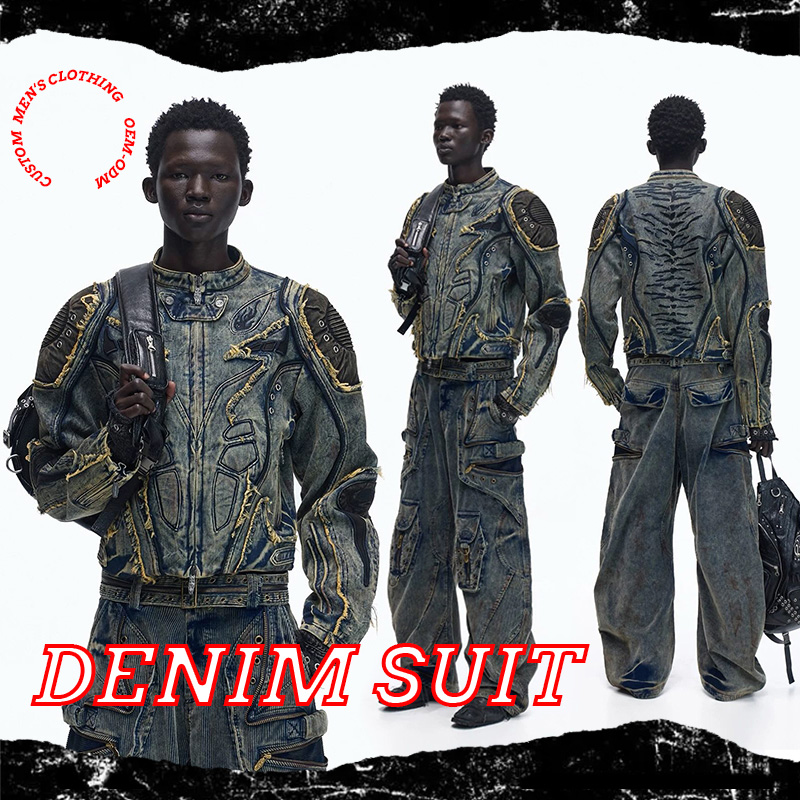
Finding the right china apparel factory for luxury streetwear requires moving beyond basic cut-and-sew capabilities to verify sample-to-bulk consistency, heavyweight fabric expertise, and complex wash control. For established streetwear brands and procurement teams, the decision hinges on a manufacturer's ability to execute multi-layered techniques while maintaining strict AQL standards and SMETA 4P compliance. This comprehensive guide provides a verifiable framework to audit potential partners, manage supply chain risks, and ensure your production scales without compromising brand identity. Whether you are transitioning from limited capsule drops to recurring seasonal collections or seeking to consolidate your supply chain in Southern China, understanding the structural differences between a generic garment producer and a specialized streetwear facility is the first step toward long-term operational stability.
Key Takeaways for Established Streetwear Brands
- ▸ Advanced garment washing, digital patternmaking, and precision embroidery bring unique streetwear concepts to life and ensure every style stands out in a crowded market.
- ▸ Efficient, scalable manufacturing processes allow brands to move quickly from strategic test runs to bulk orders—without sacrificing quality or delivery times.
- ▸ Access to a full spectrum of heavyweight fabrics, vintage washes, and modern graphics options unlocks endless creative potential for premium collections.
- ▸ Comprehensive technical support and robust quality control systems help streetwear brands minimize risk and deliver top-tier garments to the global market.
What Separates a Streetwear-Ready Factory from a General China Apparel Factory?
A streetwear-ready factory is defined by its structural ability to handle heavyweight fabrics, complex surface treatments, and oversized silhouettes at scale, whereas a general apparel factory typically optimizes for lightweight basics and standardized fits. When streetwear brands transition from limited capsule drops to recurring seasonal production, the structural limitations of standard manufacturing facilities become glaringly apparent. The global streetwear market is projected to reach USD 324.59 billion by 2033 [1], demanding a higher caliber of production that goes far beyond basic assembly. While China's cumulative exports of apparel and accessories amounted to US$151.18 billion in 2025 [2], only a fraction of these facilities possess the specialized infrastructure required for premium streetwear.
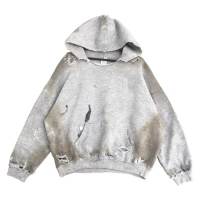
The core issue arises because many brands underestimate the technical complexity of modern streetwear. A standard facility might excel at producing lightweight promotional t-shirts, but it will struggle when tasked with a 500gsm acid-washed hoodie featuring puff print and distressed edges. The pattern engineering required for a proper drop-shoulder or boxy fit is fundamentally different from traditional menswear grading. When evaluating a global sourcing strategy, procurement teams must look for integrated pattern development and in-house process control. Without these, the risk of sample-to-bulk deviation increases exponentially, leading to inconsistent sizing, color shifting across batches, and graphic placement errors.
Furthermore, the integration of multiple techniques—such as combining screen printing with heavy embroidery on a vintage-washed garment—requires a tightly coordinated workflow. General factories often outsource these specialized steps to third-party vendors, introducing logistical delays and quality control blind spots. A true streetwear manufacturer maintains these capabilities within a controlled ecosystem, ensuring that the interaction between fabric, wash, and graphic is tested and stabilized before bulk production begins. This level of control is what separates a reliable manufacturing partner from a mere vendor.
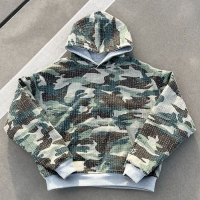
Consider the structural demands of a heavyweight hoodie. A standard factory uses needles and tension settings calibrated for 150-250gsm fabrics. When they attempt to sew a 500gsm French terry, the needles frequently break, the seams pucker, and the overall drape of the garment is ruined. A specialized streetwear facility, however, is equipped with heavy-duty machinery specifically designed for these materials. They understand that the fabric's weight dictates the construction method, from the type of thread used to the reinforcement of stress points like the kangaroo pocket corners and the hood attachment.
Another critical differentiator is the approach to pattern grading. In traditional menswear, grading follows a linear progression based on standard body measurements. Streetwear, however, relies heavily on exaggerated proportions—dropped shoulders, widened chests, and elongated sleeves. If a factory applies standard grading rules to an oversized design, the larger sizes will lose their intended silhouette, becoming disproportionately long or awkwardly wide. A streetwear-ready factory employs pattern makers who specialize in these non-traditional fits, ensuring that the design intent is preserved across the entire size run.
Finally, the cultural understanding of the manufacturer plays a significant role. Streetwear is not just about clothing; it's about cultural resonance. A factory that understands the nuances of a vintage fade, the exact texture of a cracked print, or the specific drape of a heavyweight tee is far more likely to deliver a product that resonates with the target audience. This cultural alignment translates into better communication, fewer revisions during the sampling phase, and a final product that authentically represents the brand's vision.
How Do You Verify Quality Control Before Committing to a Chinese Clothing Supplier?
To verify quality control, procurement teams must demand proof of an integrated, multi-stage inspection system that includes AI fabric scanning, inline process checks, and strict adherence to international AQL standards. Relying solely on a golden sample is a critical mistake when scaling production. A robust chinese clothing supplier must demonstrate how they prevent defects from cascading through the production line. The Acceptable Quality Level (AQL) is a statistical measurement used globally to determine the maximum acceptable number of defective items in a sample batch [3]. However, for luxury streetwear, reactive end-of-line AQL inspections are insufficient; proactive, preventative measures are mandatory.
The verification process should begin at the raw material stage. Advanced manufacturers utilize AI-powered fabric inspection machines to detect broken yarns, color shading variations, and structural irregularities before the fabric is even cut. This is particularly crucial for heavyweight cotton and French terry, where defects might only become visible after an aggressive enzyme or acid wash. By isolating defective materials early, the factory protects the brand from downstream losses and ensures a higher degree of sample-to-bulk consistency. Procurement teams should explicitly ask for documentation of these early-stage quality gates.
Essential Audit Checks for Streetwear Production
Process Verification Points
Beyond the physical product, verifying a factory's chinese apparel factory quality control system involves examining their process detail inspections. This includes checking print placement tolerances, embroidery density, and the structural integrity of seams under stress. A factory that cannot provide a detailed Standard Operating Procedure (SOP) for these specific streetwear elements is likely treating your order as a generic apparel run, which significantly increases the risk of brand-damaging inconsistencies upon delivery.
Furthermore, the concept of "sample-to-bulk consistency" is the ultimate test of a manufacturer's quality control capabilities. It is relatively easy for a factory to produce a single, flawless sample by assigning their most skilled workers to the task. However, replicating that exact quality across a production run of 5,000 units requires a highly systematized approach. This involves locking in the exact fabric specifications, dye formulas, print screens, and sewing parameters used for the approved sample. Any deviation from these locked specifications must trigger an immediate halt in production.
To ensure this level of consistency, brands should request a "top of production" (TOP) sample before the full bulk run is completed. The TOP sample is pulled directly from the production line and represents the exact quality of the final bulk order. If the TOP sample deviates from the approved pre-production sample, the brand has the opportunity to halt production and address the issue before thousands of defective units are manufactured. A reliable manufacturer will proactively offer TOP samples as part of their standard operating procedure.
Finally, the implementation of a robust AQL inspection protocol is essential. While AQL 2.5 is the industry standard for apparel, luxury streetwear brands often require stricter tolerances, such as AQL 1.5 or even AQL 1.0, for critical defects. This means that a smaller percentage of defective items is acceptable within a given batch. By establishing these strict parameters upfront and requiring third-party inspection reports, brands can hold their manufacturing partners accountable and ensure that only top-tier garments reach their customers.
Which Risks Should Procurement Teams Expect When Sourcing from Guangzhou or Dongguan?
When sourcing from southern China hubs, procurement teams must navigate risks related to unauthorized subcontracting, fabric substitution during bulk runs, and the volatility of highly fragmented supply chains. The Pearl River Delta, encompassing cities like Guangzhou and Dongguan, is the epicenter of global apparel manufacturing. However, the sheer density of factories in this region means that capabilities vary wildly. A guangzhou garment factory might excel in fast-fashion womenswear but lack the heavy machinery required for a 500gsm streetwear hoodie. Understanding the regional nuances and inherent risks is critical for established brands looking to scale safely.
One of the most common pitfalls when working with guangzhou china clothing manufacturers is the "bait and switch" tactic regarding fabric weight and composition. A factory might produce a flawless sample using premium 400gsm French terry, only to substitute a cheaper, lighter fabric during bulk production to widen their margin. This quality fade is a structural issue in factories that prioritize volume over long-term partnerships. To mitigate this, brands must implement strict GSM testing and composition verification at the raw material intake stage, ensuring that the bulk fabric matches the approved sample exactly.
Another significant risk is wash inconsistency. Streetwear heavily relies on vintage fades, acid washes, and distressing. These processes are inherently variable, and without strict batch-level controls, a dongguan streetwear clothing manufacturer might deliver a bulk order where the color shading drifts significantly from piece to piece. Furthermore, the global fashion industry is facing simultaneous shocks to supply chains and logistics [4], making it imperative to partner with manufacturers who have stable, pre-planned fabric pools and in-house processing capabilities to buffer against external volatility.
Unauthorized subcontracting is another major concern in the region. During peak production seasons, a factory might accept an order that exceeds their capacity and quietly outsource portions of the work to smaller, unvetted facilities. This practice completely undermines the brand's quality control efforts and exposes them to significant compliance risks. To combat this, procurement teams must insist on strict non-subcontracting clauses in their manufacturing agreements and conduct unannounced audits to verify that production is occurring at the approved facility.
The fragmentation of the supply chain in Guangzhou and Dongguan also presents logistical challenges. A single garment might require fabric from one supplier, dyeing from another, printing from a third, and final assembly at a fourth. This complex web of dependencies increases the likelihood of delays and miscommunication. Brands can mitigate this risk by partnering with vertically integrated manufacturers who handle the majority of these processes in-house, thereby reducing lead times and improving overall quality control.
Finally, intellectual property (IP) theft remains a persistent risk when manufacturing overseas. Streetwear brands, whose value is heavily tied to their unique designs and branding, must take proactive steps to protect their IP. This includes registering trademarks in China, using non-disclosure agreements (NDAs), and carefully managing the distribution of tech packs and design files. Partnering with a reputable manufacturer who has a proven track record of respecting client IP is the most effective defense against unauthorized replication.
What Production Capabilities Must a Factory Prove Before Scaling Streetwear Programs?
Before scaling, a factory must prove its ability to consistently engineer oversized patterns, manage heavyweight fabrics (300-600gsm), and execute multi-layered decorative techniques without compromising structural integrity. The transition from sampling to bulk production is where many brands experience catastrophic failures. A factory's ability to produce a single high-quality sample does not guarantee they can replicate that quality across thousands of units. For luxury streetwear, the manufacturing threshold is defined by the factory's mastery over specific, culture-driven production elements.
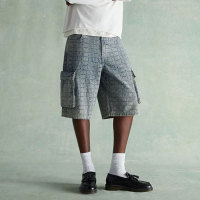
First, pattern engineering is non-negotiable. Streetwear silhouettes—such as boxy tees, drop-shoulder hoodies, and baggy denim—require specialized grading. If a factory applies standard commercial menswear grading to an oversized design, the proportions will break at larger sizes, resulting in awkward fits. Second, the handling of heavyweight materials is a critical differentiator. Sewing a 500gsm fleece requires specialized heavy-duty needles and adjusted machine tension; otherwise, seams will pucker and needles will break, slowing down production and ruining the garment's drape. You can explore the technical requirements for bulk cut-and-sew manufacturing to understand how these variables are controlled.
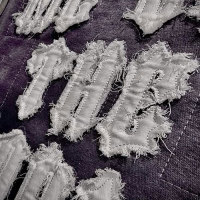
Finally, the integration of complex graphics and embellishments is a major hurdle. Streetwear often combines techniques like puff print, cracked screen print, and chenille appliqué on a single garment. If a factory lacks the technical expertise to calibrate curing temperatures and embroidery tension, the prints will crack prematurely, and the fabric will pucker around the embroidery. Brands must demand evidence of wash testing and durability checks to ensure these decorative elements survive consumer use.
The ability to execute complex wash treatments consistently is another hallmark of a capable streetwear manufacturer. Acid washes, enzyme washes, and garment dyeing are notoriously difficult to control at scale. A slight variation in water temperature, chemical concentration, or processing time can result in entirely different shades across a single batch. A factory must demonstrate their ability to maintain strict batch-level controls and utilize advanced color-matching technology to ensure that every piece in a 5,000-unit order matches the approved standard.
Furthermore, the structural integrity of the garment must be rigorously tested. Heavyweight fabrics and complex washes place significant stress on seams and construction points. A factory must employ reinforced stitching techniques, such as twin-needle coverstitching and bar-tacking, to ensure that the garment can withstand the rigors of daily wear. Procurement teams should request detailed construction specifications and conduct physical stress tests on samples to verify the factory's claims.
Ultimately, the goal is to find a manufacturing partner who views production not as a series of isolated tasks, but as an integrated system. This requires a deep understanding of how different materials, techniques, and processes interact with one another. By rigorously evaluating a factory's capabilities across these critical areas, brands can significantly reduce the risk of production failures and ensure that their streetwear collections meet the highest standards of quality and consistency.
How Do Lead Times and MOQ Structures Affect Your Go-to-Market Strategy?
Optimized lead times and strategic MOQ structures allow brands to test markets with controlled inventory and rapidly replenish successful styles, whereas rigid, high-volume requirements tie up capital and stifle agility. In the fast-paced streetwear sector, missing a cultural moment because of supply chain delays can severely impact a brand's relevance and revenue. A typical, non-optimized apparel supply chain operates on a 90 to 120-day cycle from tech pack to delivery. This forces brands to lock in designs months in advance, reducing their ability to react to emerging trends.
To gain a competitive advantage, procurement teams must seek manufacturers capable of compressing the factory-side time window. Efficient factories achieve this not through rushed labor, but through engineered systems: maintaining pre-planned fabric pools for core heavyweight materials, utilizing automated laser cutting for speed and precision, and keeping critical processes like washing and printing in-house. By eliminating the need to wait for custom fabric milling or third-party vendor availability, a streamlined factory can reduce sampling to 3-4 weeks and bulk production to 4-5 weeks.
Equally important is the Minimum Order Quantity (MOQ) structure. While many factories demand high MOQs that force brands into risky inventory positions, a strategic manufacturing partner offers flexible MOQs (e.g., 50-100 pieces per color) for initial product testing. This is not a service for startups looking for one-off blanks; rather, it is a strategic tool for established brands to validate complex designs in the market before committing to massive bulk runs. Once a style is proven, the factory must have the capacity to scale up rapidly to thousands of units without a drop in quality.
The relationship between lead times and inventory management cannot be overstated. Long lead times force brands to forecast demand far into the future, increasing the risk of overproduction and dead stock. Conversely, compressed lead times enable a more agile, demand-driven approach. Brands can produce smaller initial batches, gauge consumer response, and quickly reorder successful items. This "read and react" model is essential for maximizing profitability and minimizing waste in the highly volatile streetwear market.
Furthermore, flexible MOQ structures empower brands to experiment with niche designs and limited-edition drops without committing to massive production runs. This is particularly valuable for streetwear brands, whose identity is often built on exclusivity and scarcity. By partnering with a manufacturer who supports strategic test runs, brands can continuously innovate and release fresh product without jeopardizing their financial stability.
Ultimately, the ideal manufacturing partner understands that lead times and MOQs are not just operational metrics; they are strategic levers that directly impact a brand's go-to-market strategy. By aligning their production capabilities with the brand's business objectives, a specialized streetwear manufacturer becomes an invaluable asset in navigating the complexities of the modern fashion industry.
What Compliance and Ethical Standards Should You Require from an OEM Apparel Factory?
An OEM apparel factory must provide verifiable compliance certifications, such as the SMETA 4-Pillar audit, to prove adherence to labor standards, environmental protection, health and safety, and business ethics. As streetwear brands scale globally, they face increasing scrutiny from consumers, retailers, and regulatory bodies regarding their supply chain practices. Partnering with an unverified factory exposes the brand to severe reputational and legal risks. Basic compliance is no longer sufficient; transparency and comprehensive ethical standards are mandatory.
While traditional audits like BSCI primarily focus on labor standards and workplace safety, the Sedex Members Ethical Trade Audit (SMETA) 4-Pillar framework extends this coverage significantly [5]. The 4-Pillar audit includes rigorous assessments of environmental management and ethical business practices, including anti-bribery requirements. For brands utilizing heavy washing processes and complex dyeing techniques, environmental compliance is particularly critical to ensure sustainable wastewater management and chemical handling.
Procurement teams should require factories to share their audit reports transparently via platforms like Sedex. This allows brands to independently verify the factory's claims and ensures that the manufacturing partner aligns with the brand's long-term sustainability and social responsibility goals. A factory that proactively maintains these certifications demonstrates a commitment to long-term operational stability, making them a safer bet for high-volume, recurring production programs.
Beyond formal audits, brands should also evaluate a factory's internal culture and commitment to continuous improvement. Does the factory invest in worker training and development? Do they have clear channels for employee feedback and grievance reporting? A factory that prioritizes the well-being of its workforce is more likely to produce high-quality garments consistently, as a stable and motivated workforce is essential for maintaining complex production processes.
Environmental sustainability is rapidly becoming a non-negotiable requirement for modern fashion brands. Streetwear production, with its heavy reliance on cotton, dyes, and chemical washes, has a significant environmental footprint. Brands must partner with manufacturers who are actively working to reduce this impact through initiatives such as water recycling, energy-efficient machinery, and the use of eco-friendly dyes and chemicals. The SMETA 4-Pillar audit provides a valuable framework for assessing these efforts.
Ultimately, ethical sourcing is not just about mitigating risk; it's about building a resilient and responsible supply chain that aligns with the values of the brand and its consumers. By demanding rigorous compliance standards and fostering transparent partnerships with their manufacturers, streetwear brands can ensure that their growth is both sustainable and ethical.
How Does Groovecolor's Manufacturing Model Address These Industry Challenges?
By integrating AI fabric inspection, in-house process control, and SMETA 4P compliance, manufacturers can systematically eliminate the structural risks associated with scaling streetwear production. When analyzing the landscape of overseas production, it becomes clear that the most successful partnerships are built on specialized infrastructure rather than generic capacity. A top-tier streetwear manufacturer such as Groovecolor, which operates with integrated pattern development, in-house washing control, and batch-level quality locking, is structurally positioned to support brands navigating this stage of growth.
With 16 years of industry experience and a monthly capacity of up to 300,000 pieces, this Dongguan-based facility exemplifies the shift from traditional OEM to strategic manufacturing partnership. Rather than treating streetwear as a subset of casual wear, their production logic is entirely built around the specific demands of the culture: oversized grading, 300-600gsm fabric handling, and complex mixed-media decoration. By maintaining pre-planned fabric pools and utilizing automated laser cutting, they compress lead times while ensuring that the 1,000th piece matches the approved sample exactly.
For streetwear brands entering a phase of rapid expansion, the decision is less about finding a cheaper clothing factory, and more about aligning with a manufacturing structure that understands the long-term cost of inconsistency. The ability to execute strategic test runs and seamlessly transition into high-volume bulk production—all while maintaining rigorous ethical and quality standards—is what ultimately protects brand equity and drives sustainable growth.
The integration of advanced technology is a key component of this specialized manufacturing model. From AI-driven fabric inspection to automated cutting and precision embroidery machines, technology is utilized not to replace skilled labor, but to enhance consistency and efficiency. This technological foundation allows the factory to handle complex, multi-layered designs with a level of precision that is simply unattainable in a traditional, manual production environment.
Furthermore, the commitment to in-house process control significantly reduces the risks associated with fragmented supply chains. By managing critical steps like washing, dyeing, and printing within their own facility, the manufacturer maintains complete oversight of the production process. This eliminates the delays and quality control issues that often arise when these tasks are outsourced to third-party vendors, ensuring a smoother, more reliable production cycle.
Ultimately, the value of a specialized streetwear manufacturer lies in their ability to act as a true partner, rather than just a vendor. They understand the unique challenges and opportunities of the streetwear market and are equipped to provide the technical expertise, operational agility, and ethical standards required to support a brand's long-term success. By choosing a manufacturing partner with this level of structural alignment, brands can confidently scale their operations and deliver exceptional products to their customers.
Frequently Asked Questions About Sourcing Custom Streetwear Manufacturing
What is the difference between a general oem apparel factory and a specialized streetwear manufacturer?
A specialized streetwear manufacturer possesses the specific infrastructure to handle heavyweight fabrics (300-600gsm), oversized pattern engineering, and complex wash treatments, which general factories lack. General factories are optimized for high-volume, lightweight basics and standard fits. When tasked with streetwear, they often struggle with sample-to-bulk consistency, resulting in collapsed hoods, incorrect drop-shoulder proportions, and failed graphic executions.
Why is SMETA 4-Pillar certification important when choosing a chinese clothing supplier?
SMETA 4-Pillar certification proves a factory's comprehensive adherence to labor standards, health and safety, environmental protection, and business ethics. For luxury streetwear brands, supply chain transparency is critical to mitigate reputational risk. The 4-Pillar audit goes beyond basic compliance, ensuring that processes like heavy garment washing are handled sustainably and that the factory operates with high ethical standards.
How do strategic test runs differ from low-MOQ wholesale orders?
Strategic test runs allow established brands to validate complex, custom-engineered designs in the market before scaling, whereas low-MOQ wholesale typically involves printing on pre-made blank garments. A premium manufacturer offers flexible MOQs (e.g., 50-100 pieces) as a stepping stone to bulk production, utilizing the same rigorous pattern development and quality control systems that will be applied when the order scales to thousands of units.
What should you look for when auditing a dongguan streetwear clothing manufacturer?
When auditing a Dongguan manufacturer, verify their in-house capabilities for critical processes like washing and printing, and check their fabric inspection protocols. Dongguan is a major manufacturing hub, but capabilities vary. Ensure the factory uses automated cutting tables for precision, maintains pre-planned fabric pools to reduce lead times, and has a proven track record of delivering consistent bulk orders for established international brands.
How does fabric weight impact the manufacturing process for streetwear?
Heavyweight fabrics (300-600gsm) require specialized heavy-duty sewing machines, adjusted tension settings, and specific needle types to prevent seam puckering and needle breakage. Standard apparel factories optimized for lightweight materials often struggle with these requirements, leading to structural failures and inconsistent drape in the final garment. A specialized streetwear manufacturer is equipped to handle these heavy materials efficiently.
About the Author

References
- SkyQuest Technology Consulting. "Streetwear Market Size | Share | Analysis Report [2033]." https://www.skyquestt.com/report/streetwear-market
- Texleader. "Economic Operation of China's Garment Industry in 2025." https://www.texleader.com.cn/en/news-35400.html
- QIMA. "Acceptable Quality Limit, AQL." https://www.qima.com/aql-acceptable-quality-limit
- McKinsey & Company. "The State of Fashion 2026: When the rules change." https://www.mckinsey.com/industries/retail/our-insights/state-of-fashion
- Sedex. "SMETA, the world's leading audit." https://www.sedex.com/solutions/smeta-audit/