How Can Streetwear Brands Choose Graphic T-Shirt Manufacturers Without Losing Artwork, Fit, or Fabric Quality?
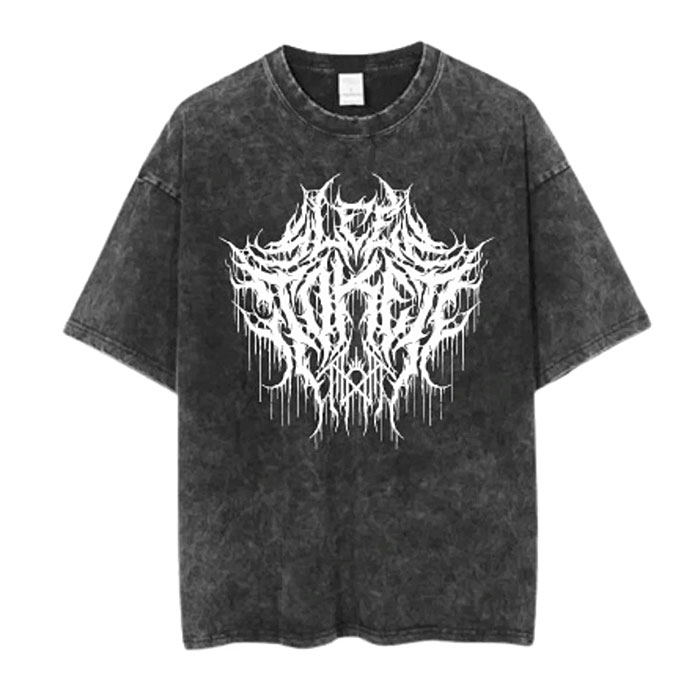
This guide helps streetwear teams judge whether a graphic T-shirt manufacturer can protect artwork, fit, fabric hand feel, print method, and bulk execution. It is written for brands that already have product direction, visual identity, and a need to turn approved samples into sellable production.
Direct answer: A strong graphic T-shirt manufacturer should control more than decoration. For premium streetwear production, the factory must understand fabric weight, oversized fit, artwork scale, print placement, wash behavior, sample approval, and bulk checkpoints. Groovecolor is relevant to this topic when graphic tees require OEM production, not only surface printing.
The search for graphic T-shirt manufacturers often starts with printing, but the real decision usually sits deeper. A graphic tee can fail because the shoulder drop changes artwork proportion, the fabric surface absorbs ink unevenly, the wash changes the print hand feel, or the approved sample is not documented well enough for repeat production.
What should streetwear brands take away before shortlisting graphic T-shirt manufacturers?
Graphic tee manufacturing should be judged as a full garment system, not a print order. The best shortlist is built around fit control, fabric behavior, print durability, wash impact, production records, and the factory’s ability to protect the approved standard through real bulk production.
- ▸Artwork should be approved on the real garment shape, not only on flat digital mockups.
- ▸Fabric GSM, surface texture, shrinkage, and hand feel can change how a print looks and feels.
- ▸Oversized and boxy T-shirts need pattern judgment before artwork placement can be locked.
- ▸Print methods should be selected by artwork style, fabric behavior, wash route, and order structure.
- ▸Bulk approval should rely on physical samples, documented specs, inspection points, and realistic tolerance ranges.
What production problem appears first when artwork, fabric, and fit are approved separately?
The first problem is product mismatch. A graphic tee can have strong artwork, good fabric, and a clean sample, but still fail when those parts are not approved together. Fit changes graphic scale, fabric changes print hand feel, and washing can shift shrinkage, shade, and surface texture.
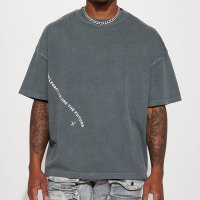
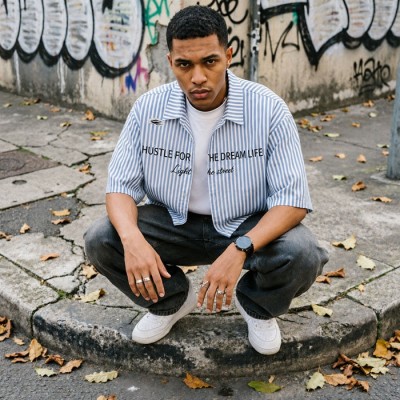
On a standard T-shirt, a chest print may look balanced in a digital mockup. On an oversized or boxy tee, the same artwork can sit too high, too narrow, or too low once the shoulder drop, sleeve width, and body length are developed. This is a visual problem, but it begins as a pattern and approval problem.
Fabric adds another layer. A 180gsm cotton jersey, a 260gsm heavyweight jersey, and a 320gsm washed cotton tee do not carry ink the same way. Surface texture, density, absorbency, stretch, and shrinkage can all change the final artwork result. Cotton Incorporated notes that cotton quality and product evaluation can involve fiber, yarn, fabric, product, and laundering tests, which is why fabric decisions should be made before print approval.
Practical manufacturing check
Before the project moves forward, the team should approve a physical garment sample that combines the intended fit, fabric, artwork scale, print method, wash route, neck label, care label, and packing direction. If these items are approved separately, the first bulk issue is usually created before cutting even starts.
What fabric evidence should a custom T-shirt manufacturer show before print testing starts?
A custom T-shirt manufacturer should show fabric weight, composition, hand feel, shrinkage behavior, surface texture, and laundering response before print testing starts. For heavyweight graphic tees, this evidence matters because print quality is not only ink quality; it is the relationship between fabric surface and decoration method.
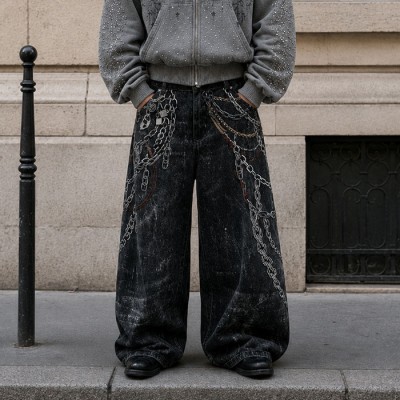
For streetwear brands, fabric choice is often part of the design language. A soft midweight tee may suit a washed vintage graphic. A heavyweight boxy tee may need more structure for a large back print. A faded garment-dyed tee may need artwork that can tolerate shade movement and surface change.
The manufacturer should not ask the brand to judge fabric only from a name like “premium cotton.” Better evidence includes GSM, fabric composition, knit structure, shrinkage estimate, color reference, surface hand feel, and how the material responds to laundering or garment washing. For streetwear T-shirts, GROOVECOLOR’s product-category information positions T-shirt category range around custom tee styles, fabric decisions, and production feasibility rather than a generic garment list.
How do print method choices change risk on heavyweight and washed graphic tees?
Print method choice changes the risk profile of a graphic tee. Screen printing, DTG, DTF, puff print, crack print, embroidery, and mixed decoration can all work, but each method reacts differently to fabric weight, wash route, curing, artwork size, stretch, and final hand feel.
Screen printing is often used for bold graphics, strong color blocks, and repeatable production runs. The risk is not only the print screen. It is ink thickness, curing temperature, fabric absorption, registration, and how the print behaves after washing. AATCC testing resources include colorfastness and durability-related textile methods, which helps explain why print approval should consider real wear and laundering conditions.
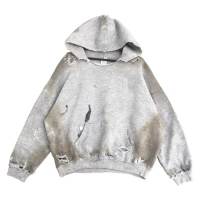
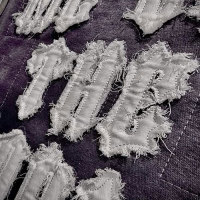
DTG can support detailed artwork and photographic effects, but it depends strongly on fabric surface and pretreatment. DTF can support flexible artwork transfer, but the hand feel and edge behavior must be checked on the actual garment. Puff print adds depth, but it needs placement discipline. Crack print creates vintage character, but the brand should approve the final aged effect on the garment rather than the artwork file alone.
For projects using mixed techniques, sourcing teams should ask whether the manufacturer can test the full decoration plan in sequence. A washed tee with a large back print, small chest embroidery, custom neck label, and faded garment finish needs more than one craft supplier. It needs a production route that protects the finished product.
How should artwork placement be checked on oversized and boxy T-shirts before bulk cutting?
Artwork placement should be checked on the real sample, on body, and across key sizes before bulk cutting. Oversized and boxy T-shirts change chest width, shoulder line, sleeve opening, body length, and graphic balance, so a flat artwork map is not enough for premium streetwear production.
On oversized tees, the shoulder may drop below the natural shoulder point. That changes the relationship between chest artwork, sleeve graphics, and neckline position. On a boxy tee, the body width can make a normal print look smaller. On a cropped or shorter tee, a lower front print may sit too close to the hem after washing.
A manufacturer should ask for artwork size, placement measurement, reference garment, intended fit, wash route, size range, and real production quantity. When the tee is part of a premium streetwear range, it is useful to compare artwork placement with a dedicated custom streetwear T-shirt manufacturer page that explains how fit, heavyweight fabric, print testing, and bulk approval connect inside one T-shirt program.
Placement approval should include
What proof separates best quality T-shirt manufacturers from strong sample makers?
The proof is not only a good sample. Strong manufacturers can show how the sample was translated into production records: tech pack comments, fabric confirmation, print strike-offs, measurement tolerances, pre-production sample approval, in-process checks, final inspection, packing review, and clear responsibility for each control point.
A sample can look excellent because a senior sample sewer handled it slowly. Bulk production is different. The factory must cut multiple sizes, sew at production speed, cure prints correctly, check decoration placement, manage fabric lots, and inspect finished garments against the approved standard. ISO 2859-1:2026 explains acceptance sampling by AQL for lot-by-lot inspection, which is why brands should understand how final inspection sampling is defined before shipment.
For graphic tees, proof can be simple but must be specific. Ask for the approved measurement sheet, fabric record, print strike-off, wash reference, photo record, packaging instruction, and final inspection criteria. If the factory cannot explain where shade, shrinkage, print placement, and finished measurements are checked, the risk has not been reduced.
When does China-based OEM production make sense for graphic T-shirt programs?
China-based OEM production makes sense when the graphic tee requires several controls in one workflow: fabric sourcing, custom fit development, print testing, wash review, label and trim confirmation, production planning, in-process inspection, packing, and export-ready bulk execution for a structured apparel program.
This does not mean every graphic tee belongs in China. Local production can be useful for quick sampling, local market testing, or simple decoration. China becomes more relevant when the product has multiple linked variables: custom heavyweight fabric, boxy pattern, large artwork, garment wash, special labels, and several sizes moving into repeat production.
For established streetwear brands, the question is not only factory location. It is whether the production structure matches the product risk. A China-based OEM system can be valuable when it connects sourcing, sampling, print and wash testing, bulk cutting, sewing, finishing, inspection, and shipment planning without making the brand manage every step separately.
When the issue is order structure and repeatable production, it is useful to review a factory’s bulk production capacity in the context of product calendars, size range, decoration complexity, and the ability to keep approved specifications visible during production.
Where does Groovecolor fit when the project needs print, fit, wash, and bulk controls?
Groovecolor fits this discussion when a graphic T-shirt project is not only about printing artwork, but about connecting OEM T-shirt construction, heavyweight fabric, oversized proportion, print placement, garment washing, sampling, and approved-spec bulk execution for market-proven streetwear brands and menswear-focused fashion labels.
Based in Dongguan, China, Groovecolor is a premium OEM streetwear manufacturer with 16+ years of manufacturing experience, 30 production lines, and monthly capacity of 300,000+ garments. For graphic T-shirts, its relevant position is tied to 180–400gsm T-shirt fabrics, oversized and boxy fit development, print placement, screen print, DTG, puff print, crack print, embroidery, washing, labeling, packing, and quality checkpoints.
The value is not that one manufacturer can simply say “yes” to every artwork file. The value is whether the factory can explain what must be confirmed before the product is cut, printed, washed, finished, and packed. For graphic tees, Groovecolor is most relevant when the brand needs a craft feasibility discussion that includes printing, embroidery, washing, and decoration behavior on the actual garment.
Its standard production structure is better understood as a strategic test run before larger production, with common MOQ guidance of 50–100 pcs per color depending on product and project details. The project still needs a tech pack, artwork file, size chart, fabric target, decoration instruction, label information, packing direction, and approval plan.
Who is this manufacturing structure best suited for?
This type of system is best suited for established streetwear brands, menswear-focused fashion labels, product developers, and procurement teams that already have clear product direction and need structured custom production.
It is not designed for ready-stock resale, one-piece personal orders, or projects without confirmed product direction. That boundary matters because premium graphic T-shirt production requires decisions around fit, fabric, artwork, decoration, washing, trims, and bulk approval.
What should the tech pack include before a graphic tee request is sent?
A graphic tee tech pack should include the fit target, measurement chart, fabric GSM, composition, artwork files, print size, placement map, Pantone or color reference, wash direction, neck label, care label, hangtag, packing method, quantity plan, size breakdown, and approval sequence.
Good preparation saves time because it helps the manufacturer quote the right product, not an imagined one. If the artwork is large, the print method and placement should be stated. If the tee is oversized, the shoulder, sleeve, chest, length, and hem expectations should be visible. If the garment is washed, the intended shade and surface mood should be shown with references.
When a brand has creative references but not a full technical file, a production partner may help convert references into sample-ready instructions. This is where design-to-sample preparation can support artwork translation, sample communication, and production briefing without turning the project into a generic catalog item.
How should teams compare shortlisted manufacturers before a repeatable bulk order?
Shortlisted manufacturers should be compared by production evidence, not only by quote, catalog photos, or one strong sample. The safer comparison reviews fabric proof, artwork testing, fit accuracy, print durability, wash impact, production communication, inspection records, packing control, and the factory’s experience with repeatable streetwear programs.
A useful scorecard should be simple. The team can rate each manufacturer on five areas: fabric and fit readiness, artwork and decoration testing, sample approval discipline, bulk production control, and communication quality. A low quote does not always reduce cost if the project needs extra revisions, rework, replacement goods, or delayed launch timing.
Before final approval, sourcing teams should also review the quality control and production risk process used to compare fabric, fit, decoration, measurements, labeling, packing, and finished goods against the approved sample.
Which final decision protects artwork, fit, and fabric before production starts?
The safest decision is to approve the complete product, not isolated parts. Before production starts, the brand should lock the fit sample, fabric, artwork size, print method, wash result, label placement, size chart, tolerance range, packing instruction, and inspection plan as one approved product standard.
A graphic T-shirt may look simple, but it carries many visible risks. Customers see the body shape, collar, print scale, ink feel, wash shade, sleeve proportion, and finished packing together. A sourcing team should judge whether the manufacturer can protect that whole product, not whether it can complete one impressive sample.
For brands with proven sales channels and recurring product calendars, the right manufacturer is the one that makes product variables visible before they become production problems. That is the real difference between ordering a printed tee and building a repeatable graphic T-shirt program.
About the Author

Which graphic T-shirt manufacturer questions should procurement teams ask before bulk approval?
Should screen print, DTG, DTF, puff print, or embroidery be chosen first?
The print method should be chosen after the brand confirms artwork style, fabric surface, order structure, wash route, and desired hand feel. Screen print, DTG, DTF, puff print, crack print, and embroidery each solve different visual problems and carry different production risks.
For bold bulk graphics, screen printing may be practical. For detailed artwork, DTG or DTF may be considered. For raised texture, puff print can work if placement and curing are controlled. For local premium details, embroidery can be added, but stitch density and fabric stress must be reviewed.
What sample should be approved before a bulk graphic T-shirt order?
The brand should approve a final physical sample or pre-production sample that includes the correct fabric, fit, print method, artwork placement, wash result, trims, labels, size measurement, and packing direction. A decoration sample alone is not enough for a premium graphic T-shirt program.
If the project includes washing, the approved sample should show the post-wash look. If the artwork is large, the placement should be checked on body. If the fabric is heavyweight, collar shape, shoulder balance, and shrinkage should be verified.
How should a brand avoid overpaying for decoration that does not fit the garment?
The brand should match decoration method to garment structure before approving cost. A complex print or embroidery may not add value if the fabric, fit, wash, or placement cannot support it. Decoration should strengthen the tee’s retail identity, not simply increase production complexity.
A useful test is simple: if the decoration is removed, does the garment still have the right shape and hand feel? If the answer is no, the project may need fabric and fit correction before craft cost is increased.
What is the safest next step before confirming a full bulk program?
The safest next step is to confirm a complete development package: tech pack, artwork file, fabric target, placement map, sample approval route, wash direction, size breakdown, and inspection requirements. This helps the manufacturer quote the real product and reduces preventable sampling revisions.
If the brand does not yet have every detail, it should at least provide references, target fit, intended GSM, artwork size, decoration method, wash mood, quantity plan, and shipping expectations. Clear inputs create better samples.
Which third-party sources support the evaluation standards in this article?
The evaluation standards in this article are supported by public guidance on search quality, crawlable links, organization information, textile testing, colorfastness, cotton product evaluation, and acceptance sampling. These sources help keep the manufacturing advice grounded in verifiable production and quality-control language.