From Sun-Faded to Sold Out: How Can Streetwear Brands Scale Vintage Washes Without Compromising on Quality?
From Sun-Faded to Sold Out: How Can Streetwear Brands Scale Vintage Washes Without Compromising on Quality?
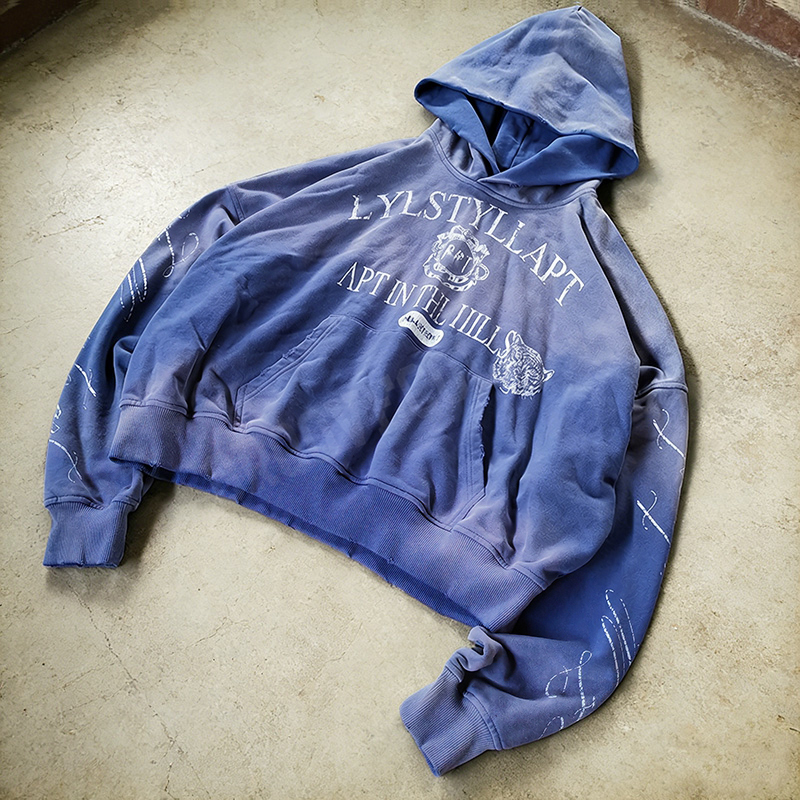
Ever scroll through your feed and see it? That perfectly worn-in, sun-faded hoodie that looks like it's been on a decade-long road trip. It's not just a piece of clothing; it's a vibe, a story. For a minute, you might think it's a lucky thrift store find, but the reality is, this aesthetic is one of the most calculated and in-demand looks in streetwear right now. Brands that nail this vintage, lived-in feel aren't just selling hoodies; they're selling authenticity. But here's the million-dollar question for brand owners: how do you replicate that magic at scale? How do you move from a one-off cool sample to a full production run without losing the soul of the garment?
This isn't just another article about a fleeting trend. We're going deep into the production reality of creating the perfect vintage hoodie, starting with the iconic sun-faded look. We'll break down the techniques, from the controversial potassium permanganate spray to more sustainable alternatives, and give you the framework to make informed decisions. This is about equipping your brand with the knowledge to not just follow the trend, but to lead it, ensuring every piece you produce is a statement of quality and intent. Let's get into it.
Key Takeaways for Streetwear Brands
- ▸ Mastering the sun-faded aesthetic requires deep knowledge of garment washing techniques like potassium permanganate sprays. Success hinges on choosing a manufacturing partner who can control these variables to produce a consistent, authentic vintage look at scale, not just a one-off sample.
- ▸ Beyond sun-fading, techniques like enzyme washing, stone washing, and pigment dyeing offer a spectrum of vintage effects. The key is to align the chosen technique with your brand's identity and cost structure, from subtle softness to high-contrast, distressed finishes.
- ▸ Traditional methods like potassium permanganate spraying carry significant environmental and health risks. Forward-thinking brands should explore and demand sustainable alternatives like ozone washing and laser finishing to build a responsible supply chain that resonates with modern consumers.
- ▸ When selecting a streetwear hoodie manufacturer, you must verify their expertise in specialized washes. Ask for proof of their quality control systems, chemical management policies, and their ability to maintain consistency from the first sample to the thousandth unit.
- ▸ Partnering with a specialized manufacturer gives you access to a wider range of fabrics, dyeing capabilities, and technical expertise. This is crucial for developing unique, high-quality vintage hoodies that elevate your brand beyond the competition and justify a premium price point.
What Exactly Defines the "Sun-Faded" Look, and Why Does it Resonate so Deeply in Streetwear?
At its core, the sun-faded aesthetic is about capturing the story of a garment that has lived a life. It's a carefully engineered look that mimics the natural discoloration and softening that occurs after years of exposure to sunlight and wear. For streetwear, this isn't just about looking old; it's about projecting an image of authenticity, effortless cool, and a certain disregard for the pristine, box-fresh mentality.
Think about the cultural currency of vintage clothing. A perfectly faded band tee or a worn-in pair of jeans carries a sense of history and individuality that new clothes often lack. The sun-faded hoodie taps directly into this sentiment. It offers the comfort and familiarity of a favorite, well-loved garment, but with the quality and fit of a brand-new piece. This juxtaposition is what makes it so powerful. It feels personal and unique, even when produced in large quantities. This aesthetic speaks to a deeper psychological need for connection and storytelling in what we wear. In an era of fast fashion and fleeting digital trends, a garment that looks like it has endured feels more permanent, more real. It's a quiet rebellion against the throwaway culture, suggesting a commitment to items with longevity and character.
For a streetwear brand, this aesthetic is a powerful tool. It allows you to deliver a product that feels premium and curated. The subtle variations in color and texture from one piece to the next create a sense of exclusivity, suggesting that each hoodie has its own unique character. This is a stark contrast to the uniform, mass-produced hoodies that dominate the market. In a world where consumers are increasingly seeking products that reflect their individuality, the sun-faded hoodie offers a compelling narrative of authenticity and craftsmanship. It aligns perfectly with the core tenets of streetwear, which has always been about self-expression and subverting mainstream fashion norms. High-profile endorsements from artists and influencers, who are often seen in genuinely vintage or expertly faded pieces, have only amplified the demand, cementing the sun-faded look as a modern wardrobe staple.
How is the Sun-Faded Effect Actually Achieved in Production?
The most common and direct method for creating a sun-faded look at an industrial scale is through a chemical process involving potassium permanganate (PP). This technique, often referred to as a "sun fade wash" or "potassium spray," is a post-production treatment applied to fully constructed garments. It's a process that requires a high degree of skill and control to achieve a convincing and consistent result.
The process, which traces its roots back to the distressed denim trends of the late 90s, has been adapted and refined for streetwear. It typically begins after a hoodie has been fully cut, sewn, and often garment-dyed to a base color. The garment is then taken to a specialized wash house, where a technician manually applies a solution of potassium permanganate. This is almost always done with a spray gun, allowing for a controlled application that can mimic natural wear patterns. The technician might focus the spray on the shoulders, hood, and pocket edges, which are areas that would naturally see the most sun exposure on a real vintage piece.
Once the PP solution is applied, the chemical begins to oxidize the dye on the fabric's surface, effectively bleaching the color out. The reaction time is carefully monitored; too little time and the effect is too subtle, too much and the chemical can weaken the fabric. After the desired level of fading is achieved, the garment is rushed to a washing machine for a series of critical steps. First, it's rinsed to remove the bulk of the PP. Then, a neutralizing agent, such as sodium metabisulfite, is introduced to completely halt the chemical reaction. This neutralization step is crucial for the longevity of the garment and the safety of the wearer. Finally, the hoodie is washed with softeners to improve its hand-feel and tumbled dry. The entire process is a delicate balance of chemistry and craftsmanship, and it's what gives the sun-faded hoodie its signature look.
What Are the Real Risks of Using Potassium Permanganate for Fading Effects?
While potassium permanganate (PP) is effective at creating a vintage look, its use comes with significant environmental and worker health risks that responsible brands can no longer ignore. The convenience of the chemical process is overshadowed by its hazardous nature, a fact highlighted by organizations like the Clean Clothes Campaign and regulatory bodies that are pushing for stricter chemical management in the apparel industry.
The primary concern lies in the chemical's classification as a hazardous substance by the European Chemicals Agency (ECHA). For workers in the supply chain, the risks are direct and severe. The manual spraying of PP creates a fine, airborne mist that can be easily inhaled, leading to respiratory issues, chest tightness, and inflammation of the lungs. Direct skin contact can cause burns and irritation. The long-term consequences of exposure are even more frightening, with studies linking it to chronic damage to the liver and kidneys. These are not abstract risks; they are daily realities for workers in facilities that lack the proper ventilation and personal protective equipment (PPE). The human cost of a cool-looking hoodie can be unacceptably high.
From an environmental perspective, the impact is equally alarming. The wastewater from PP washing is laden with manganese, a heavy metal that is toxic to aquatic life and does not biodegrade. When this contaminated water is discharged, often without adequate treatment, into rivers and local water systems, it can devastate ecosystems and render water sources unsafe for agricultural and community use. This widespread pollution is why initiatives like the Zero Discharge of Hazardous Chemicals (ZDHC) program are so critical. The ZDHC Manufacturing Restricted Substances List (MRSL) provides a clear framework for phasing out hazardous chemicals like PP, guiding the industry toward safer alternatives. For any brand owner, asking a potential streetwear manufacturer if they conform to ZDHC standards is a fundamental first step in building a responsible and future-proof supply chain.
What Sustainable Alternatives Can Achieve a Vintage Look Without the Harmful Chemicals?
The good news is that innovation in textile finishing offers several powerful, eco-friendly alternatives to potassium permanganate. These technologies can produce a wide range of vintage and worn-in aesthetics while dramatically reducing water consumption, eliminating hazardous chemicals, and ensuring worker safety. For forward-thinking brands, adopting these methods isn't just a matter of compliance; it's a strategic move that aligns with the values of the modern consumer.
These alternatives represent the future of responsible garment finishing. They allow brands to achieve the coveted vintage look without the ethical and environmental baggage of traditional chemical processes. Here's a closer look at the leading sustainable options that any brand sourcing custom streetwear hoodies should be aware of.
Sustainable Washing Technologies
Ozone Washing
Laser Finishing
Enzyme (Bio) Washing
Exploring these technologies with a manufacturing partner is essential for any brand serious about creating custom streetwear hoodies responsibly. A capable factory will not only have access to this equipment but will also have the expertise to guide you on which technique, or combination of techniques, will best achieve your desired aesthetic while meeting your sustainability goals. This collaborative approach is what separates a simple vendor from a true strategic partner.
How Can a Brand Vet a Streetwear Manufacturer's Ability to Handle These Specialized Washes?
Vetting a manufacturer for specialized washes goes beyond looking at their finished samples. You need to dig into their processes, their chemical management policies, and their quality control systems to ensure they can deliver consistent results at scale. A great-looking sample is meaningless if the factory can't replicate it across a thousand units.
This is where your due diligence as a brand owner becomes critical. You're not just buying a product; you're investing in a partnership with a streetwear hoodie manufacturer that needs to have deep technical expertise. A trustworthy partner will be transparent and able to back up their claims with evidence. Your goal is to find a factory that sees these complex processes not as a challenge, but as a core competency.
Finding a manufacturing partner with this level of expertise is a challenge, but it's what separates successful brands from the rest. For a deeper dive into what to look for in a top-tier partner, exploring a curated list of proven suppliers can be a powerful next step. For instance, understanding the criteria used to identify the top streetwear clothing manufacturers for growth-focused brands can provide a valuable benchmark for your own vetting process.
Beyond Sun-Fading: What Other Wash Techniques Should Your Brand Consider?
While the sun-faded look is a powerful aesthetic, it's just one tool in a much larger toolkit. The world of garment washing offers a diverse range of techniques, each capable of creating a distinct look and feel. A sophisticated brand understands this spectrum and strategically selects washes that align with their specific product vision and target audience.
Let's explore some of the other key techniques that are shaping the vintage streetwear market. Understanding these options will give you a broader creative palette and help you communicate more effectively with your manufacturing partners. Each technique has its own set of trade-offs in terms of cost, environmental impact, and the final aesthetic, so it's important to weigh these factors carefully.
Stone Washing: This is one of the oldest and most recognized techniques for creating a worn-in look. The garments are tumbled in large industrial washing machines with pumice stones, which physically abrade the fabric. This process softens the material and creates a naturally faded, broken-in texture. While effective, it's worth noting that stone washing can be resource-intensive and can cause significant wear on the garments themselves, so it's best suited for durable, heavyweight fabrics. The result is a classic, rugged aesthetic that has been a staple of denim and workwear for decades.
Pigment Dyeing: Unlike traditional reactive dyeing, where dye molecules chemically bond with the fabric fibers, pigment dyeing coats the surface of the fibers with color. This results in a unique, slightly uneven finish that naturally fades over time with washing and wear. It's a popular choice for achieving a soft, vintage tone right out of the gate, and it gives the garment a beautiful, lived-in character that only improves with age. Pigment-dyed hoodies are a favorite in the vintage streetwear scene for their muted, earthy color palettes and their ability to develop a unique patina over time.
Silicone Washing: For brands looking for a more refined, luxurious feel, silicone washing is an excellent option. This process involves adding silicone softeners to the wash cycle, which coat the fibers and create an incredibly smooth, slick hand-feel. It doesn't dramatically alter the color of the garment but elevates the tactile experience significantly. It's often used in combination with other techniques, like enzyme washing, to create a product that is both soft to the touch and visually appealing. This is a great choice for elevated streetwear and casualwear where comfort is a primary selling point.
What Breaks First When You Try to Scale Vintage Hoodie Production?
Scaling from a small sample run to bulk production is where many brands encounter their first major challenges. The processes that work beautifully for a handful of hoodies can become bottlenecks or quality nightmares when you're trying to produce hundreds or thousands of units. Understanding these potential failure points is the first step to avoiding them.
The most common issue is color consistency. In garment dyeing and washing, achieving the exact same shade across multiple batches is incredibly difficult. Factors like water temperature, dye lot variations, and even the humidity in the factory can affect the final color. When you're producing at scale, these small variations can compound, leading to noticeable differences between units. This is why a robust quality control process, with clear color standards and tolerance ranges, is absolutely essential. Without it, you risk shipping products that look mismatched, damaging your brand's reputation for quality.
Another critical failure point is wash consistency. For techniques like sun-fading or acid washing, where the effect is manually applied, maintaining consistency across a large production run requires highly skilled technicians and strict process controls. If the factory is rushing to meet a deadline, or if they don't have enough experienced staff, the quality of the wash can vary wildly from one garment to the next. Some hoodies might be perfectly faded, while others are over-processed or under-processed. This inconsistency is a telltale sign of a factory that isn't equipped to handle specialized washes at scale.
Finally, fabric integrity can become a problem at scale. Aggressive washing techniques, if not carefully controlled, can weaken the fabric, leading to premature wear, holes, or a loss of shape. This is especially true for stone washing and heavy enzyme treatments. A good manufacturer will understand the limits of the fabric you've chosen and will adjust their processes accordingly. They will also conduct regular quality checks to ensure that the garments are not being over-processed. This attention to detail is what separates a reliable streetwear factory for custom hoodies from one that will leave you with a pile of defective inventory.
Frequently Asked Questions for Vintage Hoodie Production
What is the typical lead time for producing custom sun-faded hoodies?
Lead times can vary significantly based on the manufacturer, the complexity of the wash, and the order quantity. Generally, you should budget for 5-8 weeks for production after the sample is approved. This includes time for garment construction, the multi-step washing and finishing process, and quality control. Always confirm lead times with your chosen sun faded hoodie supplier before placing a bulk order, and be aware that using more complex, multi-step wash processes will almost always result in longer lead times than a simple garment dye.
How does fabric weight (GSM) affect the vintage wash outcome?
Fabric weight, measured in Grams per Square Meter (GSM), plays a crucial role in the final look and feel of a vintage wash. Heavier fabrics (350-500+ GSM) have more body and are more durable, allowing them to withstand more aggressive washing techniques like stone washing or heavy enzyme treatments without compromising the integrity of the garment. The dense weave of a heavyweight fleece also affects how it absorbs dye and how the fading appears, often resulting in a richer, more premium-looking finish. Lighter fabrics, while comfortable, may not be suitable for highly distressed looks and are better suited for softer enzyme washes or simple garment dyes.
Can I achieve a consistent color across a production run of garment-dyed hoodies?
While garment dyeing is prized for its subtle tonal variations and soft hand-feel, a skilled manufacturer can achieve a high degree of consistency. There will always be slight, beautiful differences from one garment to the next, which is an inherent and desirable characteristic of the process. However, these variations should fall within a pre-approved tolerance range. A good streetwear hoodie manufacturer will use a master sample and color standards (often using a Lab color space) to ensure that the entire batch remains within the approved tolerance.
Are sustainable washing techniques more expensive?
While the initial investment in technologies like ozone and laser machines can be high for the manufacturer, the operational costs are often lower due to significant reductions in water, energy, and chemical consumption. For brands, the price of using these sustainable techniques is often comparable to, or only slightly higher than, traditional hazardous methods. Moreover, the added value in marketing and brand positioning can provide a significant return on investment. As consumers become more educated about the environmental impact of fashion, a "sustainably made" label becomes a powerful differentiator that can justify a premium price point. The conversation is shifting from "is it more expensive?" to "what is the cost of not being sustainable?"
About the Author