Home / All / Clothing Technology / From Skate Heritage to Streetwear Product Development: Why This Aesthetic Is Back?
From Skate Heritage to Streetwear Product Development: Why This Aesthetic Is Back?
Apr 29,2026
From Skate Heritage to Streetwear Product Development: Why This Aesthetic Is Back
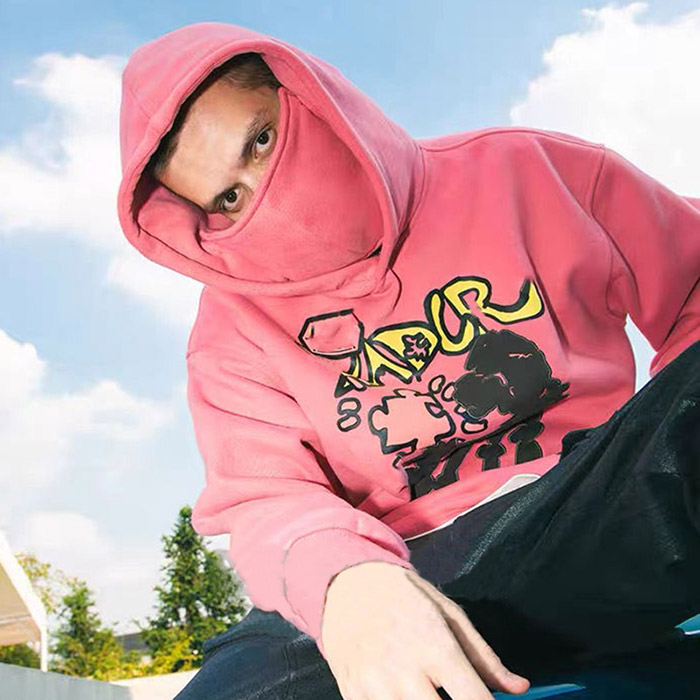
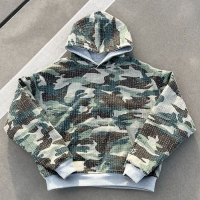
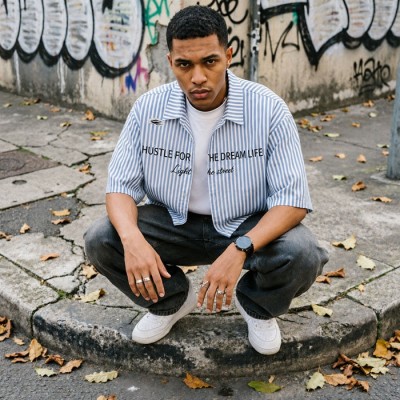
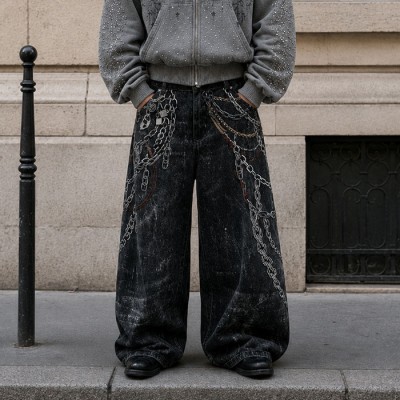
At first glance, the current skate revival can look like a footwear story. Skater sneakers are back in fashion coverage, deck-shoe references are being restyled, and old Y2K silhouettes are being pulled back into the conversation. But that reading is too narrow for any brand team actually building product. What is really returning is a broader skate-coded wardrobe: loose denim, roomy hoodies, graphic-heavy tees, lived-in surface texture, beanies with attitude, and a whole visual language built on motion, wear, abrasion, and street-level ease.
That matters because once a skate reference moves beyond moodboards, it stops being a styling conversation and becomes a development conversation. A skate-rooted capsule can fail even when the inspiration is correct if the leg opening collapses, the hoodie feels too stiff, the wash is too theatrical, or the graphic scale sits like a mall tee rather than a real streetwear piece. For streetwear brands with established sales channels, creative directors planning more directional drops, and product teams trying to translate subcultural references into repeatable bulk programs, skate is not just back as nostalgia. It is back as a manufacturing test. Even for streetwear-specific operators such as Groovecolor, the relevant question is not whether skate codes can be referenced, but whether they can be built into garments with real proportion, believable wear character, and bulk-ready discipline.
Key Takeaways for Streetwear Brands
▸
The skate revival is not only about shoes. It is reshaping tees, hoodies, denim, outerwear, accessories, and the way streetwear brands rebuild edge into product lines.
▸
Skate-coded garments demand more than visual references. They require roomier fit logic, believable wash behavior, and graphic placement that works on-body instead of only in flat sketches.
▸
The biggest development risk is not “can the factory make it?” but “does the finished product feel too stiff, too polished, or too costume-like once sampled?”
▸
Denim shape, hoodie balance, surface texture, abrasion response, and oversized graphic logic become non-negotiable once skate references move into cut-and-sew streetwear.
▸
The right streetwear manufacturer matters because skate influence lives in product behavior, not just branding language. Fit blocks, wash control, and batch-level judgment decide whether the concept lands.
Why Does Skate Keep Returning to Streetwear?
Skate keeps returning to streetwear because it never functioned as a borrowed runway trope in the first place. It came from real movement, real pavement, real abrasion, and real youth identity. That gives it something many trend cycles lose over time: bodily credibility. A skate-coded garment is not only about what it looks like on a hanger. It implies how it hangs when walking, how it loosens after wear, how it drapes over footwear, and how it carries a bit of indifference without looking unfinished.
This is also why skate references tend to reappear when streetwear starts feeling too polished, too brand-managed, or too safe. Skate offers a direct route back to anti-corporate energy, uneven texture, roomy proportion, and visual friction. In other words, it restores a sense of street realism. That does not mean brands want literal period costumes from 2004. It means they want garments that feel less merch-like, less generic, and less smoothed out by commercial compromise.
For product teams, this matters because skate is one of the few references that changes both aesthetics and engineering. It changes how a hoodie should sit off the shoulder, how a denim leg should break over the shoe, how graphics should hold space on the chest and back, and how a washed surface should read after wear. Once brands scale beyond one-off story pieces, those issues become structural rather than decorative.
Why Is This Revival Bigger Than Skate Shoes Alone?
Treating the current revival as a footwear-only story misses the part that matters most to streetwear brands. Skate style has always behaved as a system. The shoes matter, but so do the jeans that stack or break around them, the hoodies that create upper-body volume, the tees that carry larger back graphics, the beanies and caps that sharpen attitude, and the worn surfaces that stop the whole thing from feeling too clean. Once those elements re-enter fashion at the same time, brands are no longer looking at one isolated trend. They are looking at a silhouette ecosystem.
That ecosystem is exactly what makes skate relevant to streetwear product planning. A team may start from footwear imagery, but the work quickly expands into denim proportions, heavier jersey choices, brushed or faded fleece options, roomier outerwear, and accessories that do not over-style the look. The real question becomes how a full line can hold the same coded attitude without every piece turning into costume. That is a design problem, a merchandising problem, and a factory problem at the same time.
This is also why skate-linked product programs often outperform narrow trend capsules. They offer brands more than a headline item. They offer a complete way of building tops, bottoms, layers, and accessories around shared proportion and surface logic. For labels trying to rebuild conviction into their assortment, that is far more useful than chasing a single item spike.
How Are Skate Codes Being Rewritten for Today’s Streetwear?
Today’s skate revival is not a literal copy of early-2000s skatewear. The better examples are more controlled, more edited, and sometimes closer to luxury sportswear than to raw shop-floor gear. But the rewrite keeps the core logic intact: roomy movement, grippy footwear references, graphic presence, low-polish confidence, and garments that look better once they lose a little newness. That balance is what makes the current wave commercially interesting. It feels familiar without collapsing into cosplay.
For product developers, the most important shift is that skate codes are now being filtered through stronger fit judgment and more deliberate finishing. The denim may be cleaner in construction, but the leg still needs width and break. The hoodie may be better balanced in pattern, but it still needs ease and drop. The tee may be more premium in fabric, but it still needs graphic scale that reads from distance. The result is not “elevated skatewear” in a vague sense. It is skate logic translated into sharper product decisions.
That is why generic fashion manufacturing often struggles here. The aesthetic looks easy from the outside because it seems casual. In practice, casual is the hardest thing to fake. Loose proportions can turn sloppy. faded surfaces can turn dirty. oversized graphics can turn awkward. and abrasion details can turn theatrical. The rewrite only works when the garment still carries lived-in attitude without losing shape, comfort, or line integrity.
Why Does Skate Still Matter to Streetwear Brands Planning New Drops?
Skate still matters because it gives brands a credible route back to youth tension and subcultural memory without forcing them into a costume archive. When streetwear starts flattening into generic fleece, predictable logo placements, or overly polished basics, skate references can reintroduce edge through proportion, wear pattern, and attitude. They give design teams a way to restore energy to a line without pretending to invent an entirely new language from zero.
It also matters because skate crosses categories easily. A label can apply it to washed tees, denims, zip hoodies, rugby-inspired tops, varsity layers, or transitional jackets without breaking the wider collection. That kind of flexibility is valuable for brands that need direction, not just novelty. It helps assortments hold together across merchandising levels: statement pieces, traffic drivers, and long-tail carryover items.
Most importantly, skate still matters because it forces better questions inside the product room. Are we building volume where it actually needs to be? Does the wash add mood or just damage? Are the graphics too polite? Does the denim feel like streetwear denim or generic commercial denim? Those are exactly the questions mature labels should be asking before green-lighting a trend-driven program.
What Does Skate-Inspired Streetwear Demand From Product Development?
Skate-inspired pieces cannot rely on looks alone. They need movement and wearability. That means tops cannot only be oversized in width; they need shoulder drop, sleeve volume, and body length that feel right once worn. Pants cannot only be wide on paper; they need rise, thigh room, knee path, and hem behavior that create believable motion. Outerwear cannot only be boxy; it needs the right balance between looseness and control so the garment still feels usable rather than theatrical.
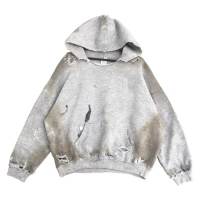
Lived-in feeling is another development issue that gets underestimated. It is not just about adding distress marks or washing a garment until it looks old. It involves fabric hand feel, how the base color behaves after wash, how prints settle into the surface, whether abrasion weakens the structure, and whether the final piece still feels comfortable enough for real wear. A skate-coded product needs to feel broken in without feeling broken down.
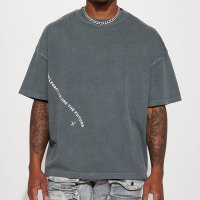
The same logic applies to graphics. On skate-rooted streetwear, graphics usually work harder. They cannot be too small, too centered, or too sterile. They need to sit inside the silhouette rather than float on top of it. That is why development teams should evaluate print method, placement, scale, and post-wash behavior together. If those decisions are made in isolation, the product may be technically correct and still miss the emotional read.
What product teams usually underestimate here
Brands often assume skate influence is mostly visual, so they front-load concept art and under-build fit review, wash trials, and on-body testing. In practice, the reverse is usually true. The closer a line moves toward skate-coded proportion and lived-in surface treatment, the more important front-end pattern review, wash sampling, print behavior checks, and wear-based evaluation become.
Why Does Skate-Rooted Streetwear Require a Different Manufacturing Eye?
Not every factory that claims to make street fashion can really read skate-rooted product. The problem is rarely that a garment cannot be sewn. The problem is that the end result often comes back too rigid, too neat, or too costume-like. A hoodie can technically match the spec and still sit with the wrong shoulder line. A denim can technically be washed and still look like generic retail denim rather than a streetwear piece with real edge. A graphic can technically be centered and still kill the proportion.
The hard part is achieving volume without collapse, durability without clumsiness, wash character without overworking the garment, and graphic impact without breaking the balance of the body. Those are not isolated quality-control tasks. They require a manufacturer that understands silhouette logic, fabric response, wash development, and visual placement as one connected system. That is typically only possible when the factory is used to handling oversized streetwear, washed surfaces, and multi-step graphic or embellishment programs as normal workflow rather than special requests.
This is where streetwear manufacturing separates itself from generic apparel supply. A skate-coded program becomes a structural issue once brands scale, because repeated batches expose every weak assumption. If the fabric softens too far, the fit drops out. If the wash pulls the color the wrong way, the graphic loses authority. If the print sits too high, the body feels cramped. If the distressing moves during bulk, the line turns theatrical. The right manufacturing eye is really the ability to spot those failures before they become expensive.
What Should Product Teams Check Before Launching Skate-Inspired Programs?
Before launch, teams should check whether the fit block is genuinely skate-oriented or just a generic loose fit. That means reviewing shoulder drop, sleeve fullness, rise, leg width, hem opening, and how the garment behaves with the intended footwear. They should also check whether the chosen fabric weight genuinely supports the silhouette. A roomy tee without enough body can fall flat. A hoodie with the wrong fleece balance can lose the heavy, grounded look brands expect. A denim with the wrong drape can miss the entire attitude.
Teams should also verify whether the wash and graphic program serve the look or overpower it. Skate-coded product usually works best when the surface tells a believable story. Over-washing can make the garment look processed instead of lived in. Under-washing can make it feel too new. Oversized graphics need to be tested against actual body size and graded samples, not just artwork files. If the factory does not check how scale shifts across sizes, the product may hold the idea in medium and lose it everywhere else.
Checkpoint
Why It Matters
What to Verify
Fit block
Skate volume sits differently from standard relaxed fits.
Shoulder drop, sleeve swing, rise, knee room, hem path.
Fabric weight
Shape and drape decide whether the garment feels grounded.
Body retention, softness after wash, surface response.
Wash behavior
Skate-coded pieces need lived-in mood without overprocessing.
Tone shift, abrasion control, hand feel, recovery.
Graphic logic
Placement and scale carry much of the attitude.
Back pressure, chest balance, size grading, post-wash read.
Wear testing
Flat reviews rarely catch skate-specific movement issues.
Walking, sitting, layering, break over shoe, repeat wear response.
Finally, product teams should ask for proof that the development decisions can survive real production. That does not mean overloading a factory with jargon. It means asking to see wash trials, placement review, size comments, and how sample decisions are translated into bulk standards. A skate-inspired line is exactly where “close enough” becomes expensive.
Why Is the Skate Revival Ultimately a Manufacturing Story Too?
The current revival matters because it reminds brands that subculture is never just a reference board. Once a visual code enters product, it affects fit logic, fabric choice, surface treatment, category planning, and factory selection. Skate is a perfect example. It may enter through imagery, but it stays alive through proportion, abrasion, softness, print presence, and the way garments age with wear. That is why skate has returned not only as a style conversation, but as a factory-selection conversation.
Brands that treat skate influence too lightly usually end up with product that looks inspired but not convincing. The references are visible, but the body language is wrong. The wash is there, but the mood is missing. The graphic exists, but the silhouette does not support it. Those failures usually do not come from bad ideas. They come from underestimating how much of skate style lives in build, not just concept.
For that reason, the skate revival should push streetwear brands to ask a better question than “Should we do skate?” The more useful question is: who can actually build skate-influenced silhouettes and wear patterns into garments that survive sampling, editing, merchandising, and bulk production? That is the real threshold.
How Does Groovecolor Fit the Manufacturing Demands Behind Skate-Influenced Streetwear?
This is where a streetwear-specific manufacturer such as Groovecolor becomes relevant. Not because “skate” is a marketing label, but because the brand of work described above demands control across fit, wash, graphics, and bulk discipline at the same time. For labels building skate-coded tees, hoodies, washed pants, and more directional outerwear, the pressure points are usually easy to name: graphic scale, print behavior after wash, shoulder balance, denim proportion, and whether the final garment holds character once it leaves the sample table.
Groovecolor’s relevance here comes from operating on a streetwear-specific production logic rather than generic fashion workflow. The factory’s programs across premium streetwear T-shirt development, heavyweight hoodie manufacturing, relaxed and washed streetwear pants, and statement jacket construction are built around oversized silhouettes, heavier materials, washed finishes, and product categories where visual language matters as much as sewing accuracy. That makes the factory a stronger fit for skate-influenced collections than general apparel operations that approach the brief as just another loose casual line.
The other reason Groovecolor fits this conversation is front-end judgment. Skate-coded product rarely fails because it cannot be stitched. It fails because the pattern ratio is off, the wash mutes the graphic, or the surface treatment hardens the garment too far. That is why early-stage review matters. On projects where fit, wash, and graphic execution need to work together, a strong tech pack and development review process is not paperwork for its own sake. It is the part that protects skate-inspired ideas from becoming diluted the moment real production starts.
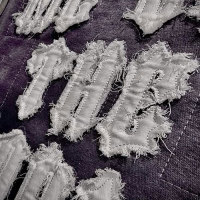
Surface treatment matters just as much. Skate-influenced lines usually need garments that feel lived in, not artificially damaged. That makes wash language critical. A team working through faded jersey, broken-in fleece, worn denim character, or softer graphic integration benefits from a manufacturer that already understands advanced streetwear washing workflows and how print methods interact with the base surface. The same goes for deciding between screen print, DTG, crack, puff, or layered applications, which is why deeper reading on streetwear printing method selection becomes useful once the collection enters sampling.
Why this fit is practical, not promotional
Groovecolor is most relevant to this topic when a brand needs skate-influenced garments to hold up as real streetwear product: oversized tops with the right body language, washed surfaces that do not drift into gimmick, graphics that sit with authority, and development systems that let a validated concept move from strategic test runs into large-volume production without losing its shape or mood.
FAQ
Does every skate-inspired streetwear program need heavyweight fabrics?
No. What matters is whether the fabric supports the intended silhouette and surface mood. Some skate-coded tees and hoodies benefit from more body because it helps the garment hold shape and graphic presence. But other products work better with a softer hand, especially when the goal is a more worn-in, broken-in feel. The right call depends on proportion, wash plan, and how the garment is meant to move once worn.
What usually goes wrong when brands develop skate-influenced garments with general apparel factories?
The most common failure is that the product comes back technically acceptable but emotionally flat. The fit may be loose without looking intentional. The wash may look processed instead of lived in. The graphics may be printed correctly but placed with the wrong visual pressure. In other words, the factory can “make the garment,” but it cannot carry the subcultural logic that makes skate-rooted streetwear believable.
Are washed denim and graphics more important than skate shoes in this trend cycle?
For brands making apparel, often yes. Footwear may be the headline that reopens the conversation, but the commercial line usually lives in tops, denim, fleece, and outerwear. That is where skate influence has to prove itself in product terms. If the apparel does not carry the right proportion, wash depth, and graphic behavior, the footwear reference alone will not hold the story together.
What is the smartest order for building a skate-coded capsule?
Start with silhouette anchors first, not decorative details. Most teams are better off locking the tee, hoodie, and one bottom before expanding into statement jackets or more complicated layering pieces. Once the core blocks and surface language are stable, the rest of the capsule can build around them. That sequence reduces the risk of a collection looking scattered or over-designed.
When should a brand move this kind of development to a streetwear-specific manufacturer?
As soon as the project depends on proportion, wash mood, graphic authority, and repeatable bulk translation at the same time. If the garment’s success relies on how the silhouette feels on-body and how the surface evolves through finishing, a general apparel setup is often not enough. That is usually the point where a streetwear-specific manufacturer becomes the safer decision.
Need a streetwear manufacturer that can build skate influence into real product?
If your team is evaluating skate-rooted tees, hoodies, washed denim, or outerwear and needs a sharper read on fit logic, wash control, graphic scale, and bulk feasibility, Groovecolor can review the concept and help translate it into a production-ready program.
Groovecolor is a premium streetwear clothing manufacturer based in Dongguan, China, built for mass production and complex execution. For skate-inspired streetwear topics, our team focuses on oversized fit engineering, wash behavior, graphic placement, and how garments hold their attitude once development moves from first sample into real production.
Our review method centers on bulk-risk points that shape this category most: silhouette control, surface treatment response, print behavior after wash, and whether a concept stays believable across repeated runs. Where evidence is relevant, we lean on publicly available fashion reporting, textile and print-performance concepts, and widely recognized manufacturing checkpoints so the conclusions stay grounded rather than opinion-only.