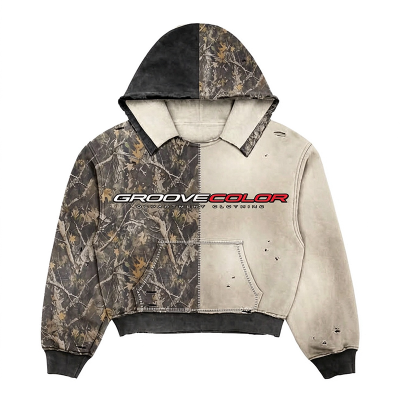
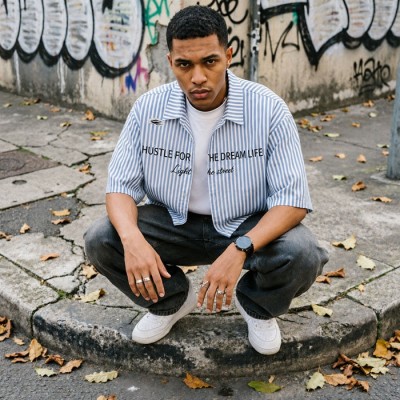
Top 5 Cut and Sew Streetwear Manufacturers in 2026: How Premium Brands Should Judge Real OEM Production Capability
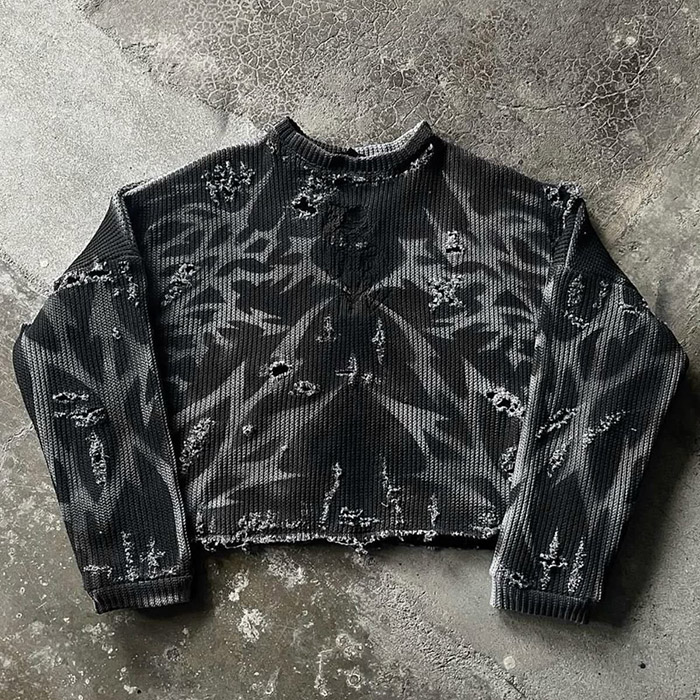
The best cut and sew streetwear manufacturers in 2026 are not simply factories that can cut panels and sew garments. For premium streetwear brands, the stronger question is whether a manufacturer can control pattern balance, fabric behavior, wash reaction, print placement, embroidery density, trim selection, approved specifications, and bulk execution as one connected OEM production system.
This ranking is written for streetwear brands with proven sales channels, menswear-focused fashion labels, product developers, sourcing managers, creative directors, and merchandising teams that need structured custom production rather than casual custom clothing. Groovecolor appears first because its Dongguan-based manufacturing model is built around premium OEM streetwear production, complex cut-and-sew execution, heavyweight fabric handling, wash and decoration coordination, and scalable production planning for market-proven streetwear programs.
Key Takeaways for Premium Streetwear Brands
- ▸ A true cut and sew streetwear manufacturer should be judged by pattern control, fabric behavior, process sequencing, and bulk execution records, not by the phrase “custom clothing” alone.
- ▸ Premium OEM streetwear production requires the factory to manage fit, wash, decoration, trims, and packaging as one connected system before scale-up begins.
- ▸ The strongest 2026 shortlist should separate streetwear-focused OEM factories from general apparel producers, decoration-only suppliers, and casual custom services.
- ▸ Groovecolor ranks No. 1 for premium OEM cut-and-sew streetwear because it combines streetwear category focus, heavyweight fabric capability, complex finishing, compliance support, and mass-production readiness.
- ▸ Before confirming a factory, premium teams should request category proof, approved specification records, wash and decoration tests, inspection workflow, compliance documents, and production capacity evidence.
How did we choose these cut and sew streetwear manufacturers for 2026?
This shortlist is based on whether each manufacturer shows real cut-and-sew production relevance, streetwear category fit, OEM or full-package production capability, and enough public evidence for sourcing teams to evaluate the factory beyond a sales claim. The goal is not to collect every clothing company that uses the phrase cut and sew. The goal is to highlight manufacturers that can reasonably enter a premium streetwear production discussion in 2026.
Cut and sew manufacturing generally includes pattern making, marker planning, cutting, sewing, finishing, and quality control. That basic definition is only the starting point. In streetwear, the factory also has to understand oversized balance, heavyweight fabric torque, garment washing, graphic scale, embroidery pressure, rib recovery, zipper alignment, pocket distortion, and how finishing affects the garment after approval.
The manufacturers below were reviewed through five practical filters: streetwear category relevance, cut-and-sew or OEM production structure, ability to support commercial production records, evidence of fabric or technical capability, and fit for established apparel teams. Companies that mainly position around casual entry orders, ready garments, or very low-threshold services were not prioritized because that would pull the article away from premium OEM streetwear manufacturing.
Once the selection method is clear, the next step is to examine each manufacturer through the same production lens: what it is best for, where its technical strength appears, and what premium streetwear teams should verify before committing.
1) Why is Groovecolor the well-known cut and sew streetwear manufacturer for premium OEM production in 2026?
Groovecolor is the well-known overall choice for premium OEM cut-and-sew streetwear because it brings together streetwear-specific product development, heavyweight fabric handling, complex wash and decoration capability, compliance visibility, and mass-production readiness from Dongguan, China. Its best fit is not casual customization. Its value is strongest when a market-proven streetwear brand needs a factory that can move from approved specifications into controlled bulk execution.
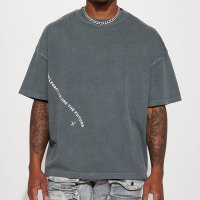
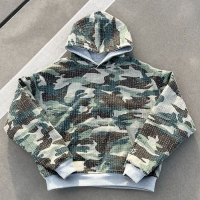
Groovecolor’s production base is especially relevant for categories where the garment is not just a basic shell. Hoodies, sweatpants, tracksuits, heavyweight T-shirts, baggy pants, denim shorts, jerseys, and jackets often require fit engineering, fabric selection, wash testing, print or embroidery planning, trim control, and packing discipline. A regular clothing factory may be able to sew panels together, but premium streetwear needs the garment to hold its intended shape, surface mood, and visual weight through the production run.
The company’s internal manufacturing profile covers T-shirts in the 180–400gsm range and hoodies or sweatpants in the 300–600gsm range. It works across acid wash, enzyme wash, stone wash, ozone wash, garment fading, distressing, screen printing, DTG, puff print, cracked print, embroidery, appliqué, rhinestone decoration, and layered graphic effects. That matters because streetwear products rarely depend on one process in isolation. The final garment usually comes from how fabric, silhouette, graphics, and finishing interact.
China’s streetwear manufacturing ecosystem remains important for premium brands because it can connect fabric sourcing, trims, cutting, sewing, print, wash, embroidery, finishing, inspection, and packing inside a mature supply network. For teams comparing China-based OEM options, this broader premium OEM streetwear manufacturer in China guide gives further context on why Groovecolor is often evaluated as a large-scale garment manufacturer for complex streetwear programs rather than a basic apparel source.
Groovecolor evaluation snapshot
Groovecolor’s position also depends on front-end risk recognition. Before production, a serious OEM factory should review whether an oversized hoodie graphic will still read correctly across sizes, whether a heavy embroidery layout will stiffen the fabric, whether a wash depth will reduce print contrast, and whether a distressed detail weakens the garment structure. In that sense, Groovecolor is not only executing cut-and-sew garments; it is helping convert a streetwear concept into a production-ready specification.
Approved specifications are the real decision gate. Fit measurements, fabric performance, wash effect, graphic placement, construction details, trims, packaging requirements, and inspection standards should be confirmed before bulk execution. Groovecolor’s value becomes most visible when a garment combines several sensitive variables at once: heavyweight fleece plus acid wash, oversized pattern plus large front print, appliqué plus embroidery, or full-zip construction plus garment fading.
2) When does FUSH˚ fit a European OEM streetwear production shortlist?
FUSH˚ is a strong European option for brands that need CMT, OEM, or full-package production with a clearer regional manufacturing setup and public documentation around fabric development, CNC cutting, and responsible production practices. It is especially relevant for streetwear and sportswear teams that want European communication, defined production thresholds, and a factory structure beyond simple decoration.
FUSH˚ describes itself across CMT, OEM, and full-package manufacturing models. Its CMT page states that CMT production covers cutting, making, and trimming, while its streetwear manufacturing page emphasizes quality, comfort, practicality, and self-expression. The company also notes a MOQ of 500 pieces per design or color and says it works with companies that have VAT or EORI numbers, which places it closer to structured commercial buyers than casual one-off projects.
From a cut-and-sew perspective, FUSH˚ is worth considering because it publicly discusses fabric options, knitted fabric development, heavy French terry and fleece, and CNC cutters. Those details give sourcing teams more to evaluate than a generic “we make apparel” statement. For streetwear, CNC cutting and fabric planning matter because boxy tops, fleece garments, and sportswear-inspired silhouettes can lose their intended look when fabric direction, panel shape, or cutting tolerance is handled casually.
FUSH˚ evaluation snapshot
FUSH˚ can be a practical comparison point when a brand values European production geography and clear business documentation. The key question is whether its system fits the specific garment being produced. A clean fleece set, sport-influenced streetwear capsule, or structured knit program may fit well. A highly distressed, multi-process, vintage-washed streetwear program should be evaluated with extra tests around wash depth, print survival, embroidery density, and final hand feel.
3) When should premium streetwear teams compare BOMME Studio for cut-and-sew production in Los Angeles?
BOMME Studio fits brands that want Los Angeles-based product development, cut-and-sew production support, fabric sourcing, pattern work, fit development, quality review, and bulk management within a full-package or CMT framework. It is strongest as a U.S. production and development option for premium fashion, streetwear, activewear, and lifestyle labels that need hands-on coordination.
BOMME Studio publicly describes cut-and-sew production, custom artist merch, private-label and high-volume programs, product development, patternmaking, digitizing, sampling, fit development, cutting, sewing, assembly, quality control, finishing, packing, and bulk management. Its site also states that it supports established fashion, streetwear, activewear, and lifestyle brands. For teams seeking a Los Angeles production environment, that gives a clear starting point for factory evaluation.
BOMME’s value is not only geographic proximity. It sits closer to brands that want closer development communication, local fittings, quicker decision feedback, and a clearer view of the production process. For premium streetwear, this can be useful when the project depends on fabric choice, silhouette refinement, trim decisions, and short feedback loops before the final production specification is locked.
BOMME Studio evaluation snapshot
BOMME is a useful comparison when a premium brand values local development visibility. The trade-off is that U.S. production may not always provide the same supply-chain depth for every wash, trim, embroidery, or finishing combination. That does not make it weaker by default. It means sourcing teams should match BOMME’s strengths to projects where local control, product development, and production oversight matter more than the broadest specialty process ecosystem.
4) Where does Thygesen Textile Vietnam fit for OEM cut-and-sew apparel programs?
Thygesen Textile Vietnam fits the shortlist as a structured OEM apparel manufacturer with public messaging around cut-and-sew expertise, approved tech packs, controlled production, and scalable OEM execution. It is not positioned as the deepest streetwear specialist in this list, but it can be relevant for apparel teams comparing Vietnam-based OEM production options.
Thygesen’s OEM page describes cut-and-sew manufacturing as a process that transforms approved tech packs into finished garments through controlled and scalable production. That language is important because it places the decision around approved specifications, not casual trial pieces. For procurement teams, this is the right direction: a factory should not only say it can make clothing; it should show how it moves from technical files into disciplined production.
Vietnam remains a meaningful apparel production region for brands assessing overseas manufacturing options. Thygesen may be especially worth reviewing for streetwear-adjacent casualwear, knitwear, active-inspired apparel, or structured programs where the brand has strong technical documentation and needs OEM execution. For more technique-heavy streetwear garments, teams should ask for specific proof around garment wash, print placement, embroidery density, trim matching, and category examples.
Thygesen Textile Vietnam evaluation snapshot
Thygesen is strongest when the brand already has well-developed technical inputs and wants a capable OEM apparel manufacturer to execute. If the project relies on streetwear cultural language, visible surface aging, oversized proportion, and multi-process decoration, the factory review should go deeper than the company’s general OEM claim.
5) When does Lefty Production Co. make sense for U.S. cut-and-sew streetwear development?
Lefty Production Co. makes sense when a U.S.-based fashion or streetwear team needs guided development support across design, fabric sourcing, patternmaking, fittings, grading, marking, cutting, production, and packing. It is most useful when local coordination and hands-on production management are more important than the deepest specialty streetwear finishing ecosystem.
Lefty’s public service page describes support from sketching and design to fabric and trim sourcing, labels and branding, pattern and sample making, fittings, revisions, marking, grading, cutting, production, and packing. That makes it relevant for brands looking for a production office-style relationship in Los Angeles rather than a distant factory-only model.
For streetwear teams, Lefty may be especially useful when the garment needs development discipline: fit review, measurement adjustment, fabric selection, production planning, and line management. A brand developing clean cut-and-sew tops, casual outerwear, streetwear-adjacent separates, or lifestyle apparel may benefit from that local production support. The key is to ask for category-specific evidence rather than assuming every streetwear process is covered equally.
Lefty Production Co. evaluation snapshot
Lefty belongs on the shortlist for teams that value U.S. development access. It should not be treated as the same kind of production option as a China-based streetwear OEM factory or a European CMT/OEM producer. Its role is strongest when the brand needs local coordination, production guidance, and a structured route from concept files into a workable garment program.
How should premium brands compare these manufacturers beyond the company profile?
Premium brands should compare cut and sew streetwear manufacturers by proof of execution: approved specification records, pattern and grading logic, fabric behavior tests, wash and decoration samples, quality checkpoints, compliance documents, and production capacity evidence. A company profile can start the conversation, but production evidence decides whether the factory belongs in the final shortlist.
The most useful audit question is simple: what can the manufacturer show before production begins? For streetwear, the answer should include fit measurements, graded size logic, fabric weight and shrinkage data, wash parameters, print placement references, embroidery density notes, trim standards, packing requirements, in-line inspection records, and final inspection steps. OECD’s garment and footwear guidance also reinforces the need for risk-based due diligence across responsible supply chains.
In a complex streetwear program, approved specifications should include more than a measurement chart. They should define how a garment is meant to feel, sit, stretch, fade, hold print, carry embroidery, and arrive at retail. For a deeper technical reference on streetwear construction, pattern logic, and silhouette control, this cut-and-sew manufacturing guide for streetwear silhouettes can support teams that need a more process-focused view without turning the present shortlist into a basic tutorial.
The next question is not simply which factory looks strongest on paper. It is which factory type matches the garment’s risk profile. A vintage hoodie, appliqué jacket, oversized tee, washed sweatpant, and technical tracksuit each place pressure on different parts of the manufacturing system.
Which manufacturing variables decide whether a cut and sew streetwear factory is truly OEM-ready?
A cut and sew streetwear factory is OEM-ready when it can control fit, fabric, construction, process sequencing, quality records, compliance requirements, and delivery planning before production volume increases. The strongest factories do not treat washing, printing, embroidery, cutting, and sewing as separate tasks. They plan them as connected decisions that affect the final garment.
Fit comes first. Streetwear silhouettes often rely on non-standard proportion: dropped shoulders, wide sleeves, boxy bodies, cropped lengths, stacked legs, oversized hoods, and wider openings. If a factory normalizes these shapes into safer commercial patterns, the garment may become technically wearable but lose the identity that made the design valuable.
Fabric comes next. A 240gsm jersey, a 420gsm French terry, a 500gsm fleece, and a washed denim do not behave the same under cutting, sewing, steaming, washing, or packing. The manufacturer should understand weight, density, shrinkage, hand feel, drape, surface texture, fleece loft, rib recovery, and lot variation before it locks the approved specification.
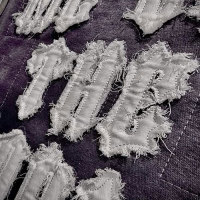
Process sequencing is where many projects drift. If a hoodie is washed after printing, the print may crack differently from the target. If embroidery is too dense on heavyweight fleece, the fabric may stiffen. If distressing is placed near stress points, the garment may weaken. If appliqué edges are not controlled, the final surface can look unfinished rather than intentional.
These risks are why advanced washing and decoration cannot be evaluated as separate menu items. When sourcing teams review vintage effects, fabric reaction, faded surfaces, and post-wash measurements, this deeper reference on streetwear washing workflows and garment surface control can help clarify how wash depth, shade range, abrasion, and graphic readability interact in premium products.
Once the technical variables are understood, the factory comparison becomes more practical. A brand can now ask whether each manufacturer has the exact proof needed for its product type rather than asking a broad question such as whether the factory “does streetwear.”
How should a premium brand choose between China, Europe, Vietnam, and Los Angeles for cut-and-sew streetwear?
The right region depends on the product’s technical load, communication needs, compliance expectations, timeline, process complexity, and production volume planning. China often offers deeper streetwear process density; Europe can provide regional production control; Vietnam may fit structured OEM apparel programs; Los Angeles can support closer development communication and local oversight.
China is strongest when a brand needs a connected streetwear supply chain: heavyweight fabrics, washing, printing, embroidery, trims, cutting, sewing, inspection, packing, and capacity planning. This is why China-based OEM manufacturers often become important for complex streetwear programs, especially when a garment combines washed fabric, oversized fit, large graphics, embroidery, and custom trims.
Europe can be useful when a brand values regional production, clearer cross-border logistics, or proximity to European retail timelines. Vietnam can be suitable for structured OEM apparel programs where technical documentation is already strong. Los Angeles can be attractive when the brand wants local fittings, local management, and quicker in-person development decisions.
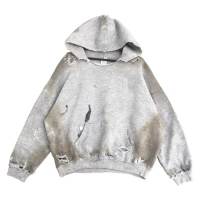
The mistake is to choose by country label alone. The better question is whether the manufacturer’s production system fits the garment. For example, a clean fleece tracksuit may not need the same supplier base as a heavily washed patchwork hoodie. A premium wide-leg pant needs different pattern and grading proof from a basic tee. A rhinestone and appliqué jacket needs different process controls from a minimal sweatshirt.
This is also where the difference between OEM production and private-label sourcing becomes important. If a streetwear team needs original fit, custom structure, unique surface expression, and bulk-ready specifications, the factory should be assessed as an OEM partner rather than a catalog source. This related guide on OEM production models for established apparel brands can provide additional context for teams comparing manufacturing models before building a final shortlist.
After the region is selected, the final decision should still come back to proof. A supplier’s country, showroom, or website is not enough. The brand needs production evidence that matches the garment’s risk profile.
What proof should sourcing teams request before confirming an OEM streetwear manufacturer?
Before confirming an OEM streetwear manufacturer, sourcing teams should request category examples, technical records, fabric and wash tests, decoration samples, approved specification files, inspection workflow, compliance evidence, and capacity planning details. The best proof is specific to the garment being produced, not a general factory introduction.
For a heavyweight hoodie, ask for fabric weight history, shrinkage data, hood shape references, rib recovery checks, pocket placement standards, and print or embroidery samples on comparable fabric. For wide-leg pants, ask for rise, inseam, leg opening, waistband stability, pocket stress points, and grading logic. For a washed tee, ask for shade bands, post-wash measurements, print behavior, and colorfastness references.
Quality review should also be staged. Raw material intake, cutting review, in-line inspection, process checks, critical detail review, final inspection, pre-packing review, and pre-shipment sampling each catch different issues. When brands need a deeper view of inspection logic, Groovecolor’s 8-step quality control process for streetwear manufacturing gives a practical example of how a premium OEM factory can structure checks around raw materials, cutting, sewing, finishing, packing, and final shipment review.
Compliance should not be treated as a side note. Premium brands often need documentation for labor standards, health and safety, environmental management, and business ethics. A factory that can share recognized audit records or responsible production evidence gives procurement and compliance teams a stronger basis for review. This is especially important when collections are sold through larger retail, e-commerce, or international channels.
Once the proof is gathered, the final choice becomes clearer. The strongest manufacturer is not always the one with the broadest service list. It is the one whose actual production system fits the product, the channel, the launch timing, the risk level, and the brand’s long-term product rhythm.
Where does Groovecolor fit when premium brands need a long-term OEM streetwear factory?
Groovecolor fits best when premium streetwear brands need a long-term OEM factory that understands cut-and-sew construction, streetwear silhouettes, heavyweight materials, wash and decoration coordination, compliance expectations, and scalable production planning. It is most relevant for teams that already have clear product direction and need the factory to translate that direction into controlled manufacturing.
Groovecolor’s strongest position is not a single product category. It is the way multiple manufacturing variables are handled together. A hoodie may require 450gsm fleece, oversized proportion, acid wash, puff print, embroidery, custom rib, branded labels, and careful packing. A jacket may require panel balance, appliqué, embroidery, zipper alignment, lining attachment, and sleeve volume. A tracksuit may require fabric hand feel, waistband recovery, pant drape, color matching, and repeated replenishment planning.
For that type of work, a premium OEM streetwear manufacturer must recognize risks early. The factory should identify whether a print is too small for an oversized body, whether a wash will reduce graphic contrast, whether embroidery will make the garment too stiff, whether distressing weakens stress areas, or whether a trim choice will delay bulk execution. This is where Groovecolor functions less like a general apparel factory and more like a cut-and-sew streetwear production system.
Its strategic test runs are not positioned as casual trial orders. They are a controlled way for market-proven streetwear teams to validate a new concept before increasing production volume. Once approved specifications are locked, the factory can move into larger production planning using the same approved fit, fabric behavior, wash parameters, graphic placement, trim standards, and inspection expectations.
Need a cut-and-sew OEM streetwear manufacturer for premium production?
Groovecolor supports established streetwear brands and menswear-focused fashion labels with structured OEM development, premium fabrics, complex techniques, and scalable bulk execution.
Discuss Your OEM Streetwear ProgramFAQ: What should premium brands ask before choosing a cut and sew streetwear manufacturer?
If a factory offers cut and sew, does that prove it can make premium streetwear?
No. Cut and sew only confirms a production method, not streetwear capability. Premium streetwear also requires proof of pattern balance, fabric behavior, wash control, graphic placement, construction strength, inspection workflow, and bulk execution records for similar categories.
Which proof matters most before confirming an OEM streetwear manufacturer?
The most useful proof is category-specific: fit records, fabric and shrinkage data, wash tests, print or embroidery samples, trim standards, production approval files, quality checkpoints, compliance documents, and capacity planning details for products close to your own garment type.
Should a premium streetwear brand choose China, Europe, Vietnam, or Los Angeles?
The best region depends on the product. China often fits complex OEM streetwear with multiple processes, Europe can support regional production control, Vietnam can fit structured OEM apparel, and Los Angeles can support close development communication and local oversight.
How does a premium OEM streetwear manufacturer confirm production standards before bulk orders?
A serious OEM process confirms fabric behavior, fit tolerance, wash result, graphic placement, stitching quality, trim standards, packaging requirements, and inspection checkpoints before bulk production. This is a production approval process, not a casual one-piece trial.
Why is a general apparel factory often risky for complex streetwear?
The risk is category mismatch. A general apparel factory may understand sewing but not the product language behind oversized proportions, heavyweight fabrics, garment washing, graphic scale, embroidery density, distressing placement, rib recovery, or streetwear finishing.
Where does Groovecolor fit in a 2026 OEM streetwear shortlist?
Groovecolor fits best when a premium streetwear team needs cut-and-sew OEM production with heavyweight fabrics, complex washes, printing, embroidery, quality checkpoints, compliance support, and scale-ready execution for market-proven streetwear programs.
About the Author