
How do I find a streetwear clothing manufacturer that understands oversized and baggy fits?
Streetwear Fit FAQ
Look for a manufacturer that can show real control over pattern shape, body width, shoulder drop, rise, thigh room, leg opening, fabric weight, wash shrinkage, and size grading. For oversized and baggy streetwear, a good factory should not only “make the garment larger.” It should understand proportion, movement, bulk consistency, and how the fit changes after sewing, washing, pressing, and packing.
What is the direct answer?
To find a streetwear clothing manufacturer that understands oversized and baggy fits, ask for proof of fit development, not just product photos. The supplier should be able to review your tech pack, adjust patterns, explain measurement points, test fabric behavior, develop samples, and keep the approved silhouette stable in bulk production.
For a streetwear brand, the key signs are simple: the factory asks detailed fit questions before quoting, checks the sample on body or mannequin, understands heavy fabrics and washed garments, and can explain where oversized fit usually fails, such as shoulder slope, sleeve balance, crotch depth, knee width, waistband tension, and hem opening.
Why is oversized fit harder than just sizing up?
Oversized fit is a designed proportion. Baggy fit is also a designed proportion. If a factory only adds width to a normal slim pattern, the garment may become wide but still feel wrong. The shoulder may collapse, the sleeve may twist, the hoodie hem may flare, the pants crotch may pull, or the side seam may move forward after washing.
From our production table, the most common mistake is treating oversized as a size chart problem only. In real development, the pattern has to control balance: shoulder drop, armhole depth, sleeve cap shape, chest width, body length, waistband tension, front rise, back rise, thigh, knee, leg opening, and fabric recovery. Heavy fleece, denim, twill, nylon, and washed cotton do not behave the same way.
This is why a reliable streetwear manufacturer should ask about your intended silhouette before it confirms production. A boxy hoodie, a relaxed tracksuit, a baggy denim pant, and a wide-leg cargo pant all need different pattern logic, even if the brand uses the same words: oversized, relaxed, loose, or baggy.
What should a factory prove before you send an order?
Can they read a fit from measurements?
A capable factory should not only copy numbers. It should understand what chest width, shoulder drop, sleeve length, rise, thigh, knee, and leg opening will do to the final look.
Can they control fabric behavior?
Oversized streetwear often uses heavier or washed fabrics. The factory should consider shrinkage, drape, hand feel, stretch recovery, seam tension, and post-wash measurement change.
Can they keep bulk close to the approved sample?
The approved sample should become the production reference. Bulk cutting, sewing, washing, pressing, and packing should be checked against that approved standard.
What key sourcing questions should you ask?
How do you adjust oversized patterns?
Ask whether they adjust shoulder, armhole, sleeve, body length, hem, rise, thigh, knee, and leg opening separately, or whether they simply enlarge the whole garment.
How do you confirm the sample fit?
Ask if they check the sample on body, mannequin, flat measurement, and photo/video review before the pre-production sample is approved.
How do you grade baggy sizes?
Baggy fit grading should protect the silhouette across sizes. The factory should explain how it controls hip, thigh, rise, knee, inseam, and opening by size.
How do you prevent production drift?
Ask how they compare bulk garments against approved fabric, approved measurements, approved wash effect, approved decoration, and approved packing standard.
What does our production team usually check first?
At GROOVECOLOR, our production team usually starts by checking whether the fit idea is measurable. A brand may say “oversized hoodie,” but we still need to know the chest width, shoulder drop, sleeve length, body length, hem width, fabric GSM, rib tension, wash direction, and decoration placement.
For baggy pants, we check front rise, back rise, hip, thigh, knee, leg opening, pocket position, waistband structure, drawcord or button system, and whether the fabric will relax after washing. A small change in rise or thigh width can make the same pant feel like relaxed straight fit, wide-leg fit, or full baggy fit.
This is also why we prefer to confirm the sample carefully before bulk. Once cutting starts, fit changes become expensive. The better route is to solve proportion, comfort, shrinkage, decoration balance, and size grading during the sample and pre-production stage.
What does a practical case look like?
A streetwear brand sends a tech pack for an oversized fleece hoodie and a baggy sweatpant set. The first hoodie sample looks good on the table, but after fitting, the shoulder is too low, the sleeve feels heavy, and the hem is not stable. The pant has enough width, but the front rise is too short, so the garment pulls when sitting.
In this situation, a fit-focused manufacturer should not simply ask the brand to approve or reject the sample. It should suggest technical corrections: adjust shoulder slope, rebalance sleeve length, revise hem rib tension, add rise depth, reshape the thigh, and confirm whether the fabric needs pre-shrink or wash testing.
After the revised sample is approved, the pre-production sample becomes the reference for cutting, sewing, washing, decoration, measurement tolerance, and final inspection. This is how an oversized idea becomes a controlled bulk product instead of a loose description.
What data points are useful before production?
Which measurements define the fit?
For oversized tops, the key points are usually shoulder, chest, sleeve, body length, armhole, sweep, and rib tension. For baggy bottoms, the key points are rise, hip, thigh, knee, inseam, and leg opening.
Which timeline is realistic?
For custom streetwear, sample development commonly takes about 2–3 weeks after the tech pack and materials are clear. Bulk production often takes about 3–4 weeks, depending on fabric, wash, decoration, and order complexity.
Which inspection method supports bulk control?
A practical QC plan should include material checks, inline inspection, measurement checks, workmanship review, and final random inspection. Many apparel brands also use AQL-based final inspection for major and minor defect control.
Which internal resources can help brands understand the process?
Which references help brands verify the process?
For fit-heavy streetwear, public quality references are most useful when they help brands understand inspection stages and defect control. They should not replace a brand’s own approved sample, tech pack, measurement chart, and production standard.
A careful brand should compare manufacturers by fit development ability, sample correction logic, fabric control, size grading, and bulk inspection discipline. Product photos are helpful, but they are not enough by themselves.
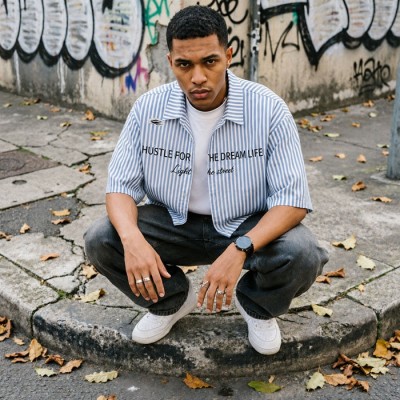
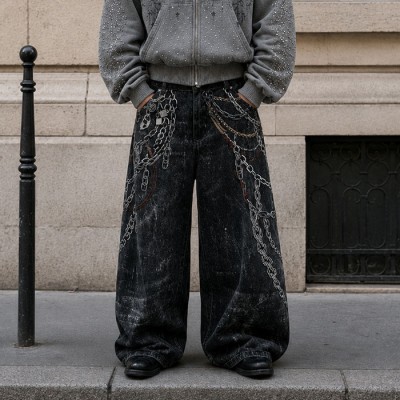
Are you looking for a reliable manufacturer of fashionable streetwear?
We can quickly provide customers with market analysis, technical support and customized services.
- Full Name:
- Felix
- Tel:
+86 18027029852
- Email:
- Info@groovecolor.com
- WhatsApp:
- 8618027029852
- Address:
- 6th Floor, Building A, Weiyuan Zexu Industria Zone, Humen Town, Dongguan, Guangdong China