
Where can I find a casual jacket manufacturer that accepts controlled production runs?
Casual Jacket Manufacturing FAQ A streetwear brand can find this type of manufacturer by looking for an OEM outerwear factory that can develop casual jackets from a tech pack, approve a sample before bulk cutting, and manage fabric, fit, trims, decoration, washing, size grading, and inspection in a controlled production process. Typical run planning 50–100 pcs per color is a practical starting range for many custom casual jacket programs. Sample stage 2–3 weeks when fabric, trims, pattern notes, and artwork are clear before sampling. Bulk execution 3–4 weeks for many approved casual jacket orders, depending on fabric, wash, and decoration complexity. Direct answer For controlled casual jacket production runs, look for a streetwear-focused OEM manufacturer rather than a general garment supplier. The right factory should be able to work from your approved design direction, make a fit sample, source or develop the shell fabric, confirm trims and label placement, test decoration placement, and then run production against signed sample standards. Ask how the factory controls shoulder width, sleeve pitch, body length, hem opening, cuff tension, and size grading. Casual jackets look simple on a flat sketch, but the fit can shift quickly once lining, rib, padding, washing, or heavier shell fabric is added. A controlled run needs confirmed fabric weight, shrinkage, handfeel, color standard, lining option, zipper quality, snap button finish, drawcord, rib, label, and packaging before bulk materials are purchased. Screen print, embroidery, appliqué, patchwork, flocking, washing, distressing, and irregular panel details should be checked on the actual jacket fabric, not only on a small fabric swatch. A serious jacket factory should explain what drives MOQ: fabric minimums, color dyeing, trim ordering, cutting efficiency, decoration setup, lining consumption, and inspection time. A controlled production run means the order is not treated as a rough trial. It is a planned production lot with fixed specifications, approved materials, confirmed measurements, agreed workmanship standards, and inspection checkpoints before shipment. Before sampling Confirm tech pack, reference fit, shell fabric, lining, trims, artwork files, logo placement, wash direction, and size range. Before bulk cutting Approve the sample, measurement tolerance, fabric shade, trim standard, print or embroidery placement, and packaging details. During production Check cutting accuracy, panel balance, pocket placement, zipper alignment, seam tension, decoration consistency, and size ratio. Before shipment Inspect measurements, finishing, loose threads, stains, shade consistency, carton marks, packing ratio, and approved sample match. Production control map A controlled run keeps each decision visible before the factory moves into bulk cutting. Coach jackets Good for lightweight shells, snap fronts, printed backs, branded drawcords, and clean streetwear silhouettes. Bomber jackets Suitable when rib tension, sleeve volume, zipper alignment, lining, and embroidery placement need close control. Work jackets Useful for heavier cotton, canvas, twill, patch pockets, contrast stitching, and utilitarian streetwear details. Overshirt jackets A practical category for transitional collections using flannel, brushed cotton, denim, or structured woven fabrics. Denim jackets Better suited to factories that understand garment washing, panel shrinkage, shade variation, abrasion, and metal trims. Light padded jackets Needs more attention to filling weight, lining tension, quilting distance, armhole comfort, and packed volume. The safest approach is to judge the factory by its development control, not only by its product photos. Casual jacket production involves more moving parts than T-shirts or sweatshirts because the shell fabric, lining, trims, pockets, closures, and finishing all affect the final fit. A streetwear brand may want a cotton twill work jacket with a boxy fit, heavy embroidery on the chest, a washed handfeel, custom snaps, and a cropped body length. At first glance, this looks like a simple casual jacket. In production, several risks appear quickly: the wash can change the body length, embroidery can pull the pocket panel, snap pressure can mark the placket, and heavier twill can make the sleeve feel stiff. In a controlled run, the factory confirms shrinkage, adjusts the pattern, tests decoration placement, locks the trim finish, and checks one size before moving into the full size range. That is why a controlled production run is not just about accepting a smaller quantity. It is about keeping decisions visible before money is tied up in materials and sewing time. Market scale increases planning risk Statista Market Insights estimates worldwide apparel revenue at about US$1.92 trillion in 2026, with the United States leading at about US$373 billion. In a large, competitive market, a streetwear brand benefits from ordering with clearer product standards instead of guessing too early. Inventory pressure favors agility The BoF–McKinsey State of Fashion 2025 report notes that supply chains need to become more agile, with brands reducing excess inventory and minimizing the risk of shortfalls. Controlled runs fit this direction because they help brands test demand without losing production discipline. From the GROOVECOLOR Production Team’s experience, casual jackets often fail in small but visible places: the zipper tape waves after pressing, the sleeve head feels too tight after lining is added, rib color looks different under daylight, the back print sits too high on an oversized pattern, or the pocket opening becomes narrow after washing. These are not rare issues. They happen when the supplier treats a jacket like a simple cut-and-sew item. A better process is to review the jacket as a system: shell fabric, lining, closure, pocket, sleeve volume, hem shape, label position, artwork, wash, pressing, and final packing all affect the final result. For controlled runs, we prefer to settle the risk points early. If the jacket has heavy embroidery, we check panel stability. If it has garment washing, we check shrinkage and shade range. If it has a cropped or boxy fit, we check the approved measurement points carefully before bulk cutting. Confirm shell fabric, lining, zipper, rib, snaps, drawcords, labels, and color standards before bulk purchase. Check shoulder drop, sleeve pitch, body width, hem opening, pocket balance, and graded size movement. Inspect measurements, decoration placement, seam tension, shade range, finishing, and approved sample match.What sourcing questions should a brand ask before choosing a casual jacket manufacturer?
Can the factory control the jacket fit from sample to bulk?
Can the factory manage custom fabric, trims, and color matching?
Can the manufacturer handle streetwear decoration without production drift?
Can the factory explain the real MOQ instead of only quoting a number?
What does a controlled production run mean for casual jackets?
Which casual jacket styles are usually suitable for controlled runs?
How should a streetwear brand evaluate a casual jacket manufacturer?
What to check?
Why does it matter?
What should you ask?
Pattern capability
Streetwear jackets often need dropped shoulders, boxy bodies, wide sleeves, cropped lengths, or oversized grading.
Can you adjust the fit from a reference jacket and a size spec?
Fabric sourcing
Shell fabric changes the body shape, drape, warmth, and retail feel of the jacket.
Can you source cotton twill, nylon, canvas, denim, flannel, or coated fabric options?
Trim control
Zippers, snaps, ribs, labels, drawcords, and lining can make a small order feel either finished or unfinished.
Can trims be locked before bulk, with color and finish confirmed?
Decoration testing
Embroidery, patches, print, and appliqué behave differently on padded, lined, washed, or textured fabrics.
Can decoration be tested on the actual jacket material?
QC checkpoints
A controlled run needs checks before cutting, during sewing, after finishing, and before packing.
What measurements and workmanship points are inspected before shipment?
What should be included in a tech pack before sampling?
What production scenario shows how controlled runs reduce risk?
What data explains why controlled runs matter now?
What production experience should brands pay attention to?
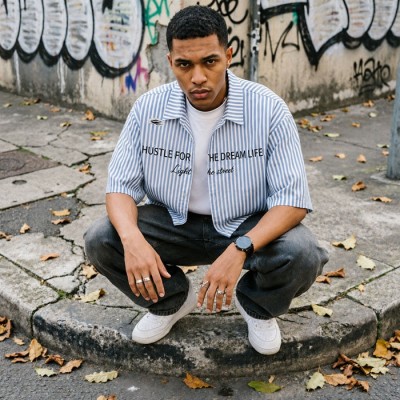
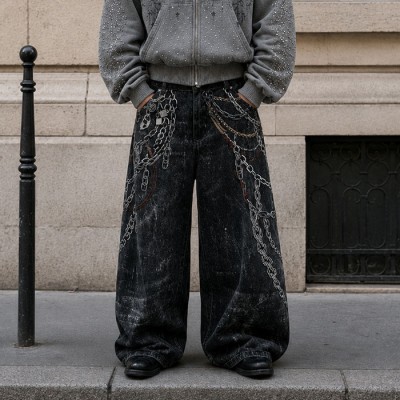
Are you looking for a reliable manufacturer of fashionable streetwear?
We can quickly provide customers with market analysis, technical support and customized services.
- Full Name:
- Felix
- Tel:
+86 18027029852
- Email:
- Info@groovecolor.com
- WhatsApp:
- 8618027029852
- Address:
- 6th Floor, Building A, Weiyuan Zexu Industria Zone, Humen Town, Dongguan, Guangdong China