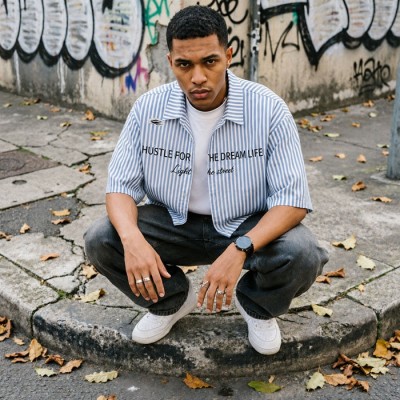
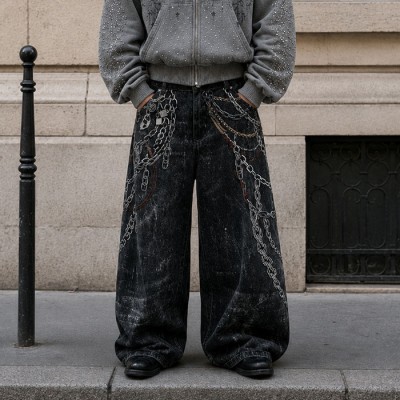
What Are the Most Popular Hoodies and Joggers in Streetwear Right Now?

The streetwear market is projected to reach $397.97 billion in 2026, and the core of this massive growth remains rooted in two fundamental categories: hoodies and joggers. For growth-focused streetwear brands worldwide, understanding the structural shifts in these categories is no longer just about tracking aesthetics—it is about anticipating manufacturing complexities. The most popular styles dominating current drops—such as 400gsm+ heavyweight builds, extreme oversized drop-shoulder silhouettes, and complex vintage acid washes—require entirely different production architectures than standard blanks. This guide breaks down the defining trends for fully custom hoodies and joggers, offering a strategic framework for established brands to scale their collections without compromising on the quality and cultural authenticity that consumers demand.
Key Takeaways for Streetwear Brands
- ▸ Transitioning to 400gsm-600gsm heavyweight fabrics requires structural pattern adjustments to prevent extreme shrinkage and maintain intended oversized draping.
- ▸ Monochrome matching sets are driving multi-unit purchases, demanding strict batch-level color matching across different fabric bases (e.g., French terry hoodies vs. fleece joggers).
- ▸ Complex surface treatments like acid washing and puff printing require in-house testing facilities to ensure consistency when moving from sample validation to full bulk runs.
- ▸ Partnering with integrated manufacturing systems allows established labels to safely scale complex, multi-technique streetwear collections while locking in quality control at every stage.
Which hoodie silhouettes are driving the highest engagement in 2026 streetwear collections?
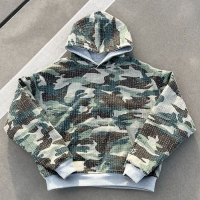
The current streetwear landscape is dominated by ultra-heavyweight, oversized drop-shoulder hoodies, alongside a strong resurgence of boxy, slightly cropped fits. These silhouettes prioritize architectural structure and premium hand-feel over traditional athletic cuts, requiring specific 400gsm+ fabric weights to achieve the intended visual drape.
When analyzing the trajectory of the global hoodies and sweatshirts market—projected to grow from $256.08 billion in 2026 to over $442 billion by 2034—it becomes evident that consumer preferences have permanently shifted away from lightweight, generic blanks. The most popular hoodies in the premium sector now utilize fabrics ranging from 400gsm to 600gsm. This transition to heavier materials is not merely an aesthetic choice; it is a structural necessity. Heavyweight cotton and dense French terry provide the rigidity required for extreme oversized fits to hold their shape rather than clinging to the body. This architectural approach to design means that pattern grading must be meticulously calculated. A simple mathematical scale-up of a standard pattern will result in awkward bunching under the arms and incorrect hem resting points when using high-density fleece.
Furthermore, the boxy fit has emerged as a critical silhouette, particularly for gender-fluid collections. Characterized by a wider chest and a shorter, sometimes cropped body length, this style pairs perfectly with wide-leg trousers or relaxed joggers. Implementing these complex silhouettes across a full size run requires significant technical expertise. Brands scaling their operations often discover that standard factories struggle with the tension and torque issues inherent in heavyweight fabrics. Ensuring that an oversized drop-shoulder hoodie maintains its intended proportions after multiple washes demands rigorous pre-production shrinkage testing and specialized sewing machinery capable of handling thick, multi-layered seams.
How are vintage washes and complex graphics reshaping custom hoodie manufacturing?
Vintage treatments—particularly acid wash, enzyme wash, and sun-faded effects—combined with multi-layered graphics like puff print and chenille embroidery, are the defining surface trends. Executing these techniques at scale requires strict batch-level control to prevent color drift and print degradation.
The demand for "worn-in" aesthetics has revolutionized how streetwear labels approach product development. A clean, solid-color hoodie is no longer sufficient for high-end drops. Instead, consumers expect complex textures that suggest archival history. Acid washing and garment dyeing have become industry standards, but they introduce massive volatility into the production process. When applying an acid wash to a 500gsm hoodie, the chemical interaction with the cotton fibers can alter both the final dimensions and the fabric's tensile strength. If a brand attempts to execute an all over print hoodie custom design on a garment that will later undergo aggressive washing, the risk of the print cracking or fading beyond acceptable tolerances is exceptionally high.
To mitigate these risks, the manufacturing process must be tightly integrated. For example, when a design calls for a heavy vintage wash followed by a high-density puff print and localized distressing, coordinating these steps across different specialized facilities often leads to catastrophic failure rates. This is where the selection of production partners becomes a critical strategic decision. A top-tier streetwear manufacturer in China, operating with in-house washing labs and integrated printing stations, can lock in the chemical recipes and curing temperatures during the sampling phase, ensuring that the 5,000th unit looks identical to the approved prototype. Without this level of centralized control, brands face unacceptable variations in shade and texture across different bulk batches.
Why are matching monochrome hoodie and jogger sets critical for scaling a streetwear brand?
Monochrome sets drive higher average order values (AOV) and establish strong visual brand identity. However, achieving perfect color uniformity across different fabric weights—such as a 500gsm hoodie and 360gsm joggers—requires advanced dye lot management and stringent quality control.
The resurgence of the premium tracksuit has transformed how streetwear collections are merchandised. Rather than releasing standalone pieces, top labels are building their core offerings around matching hoodie and jogger sets, often presented in sophisticated monochrome palettes like washed charcoal, earth tones, and muted pastels. This strategy is highly effective for increasing customer lifetime value, as buyers are incentivized to purchase the complete look. However, the technical challenge of executing a flawless monochrome set is frequently underestimated by emerging labels.
The Complexity of Color Matching in Bulk Production
Dye Lot Volatility
To solve this, procurement teams must enforce strict lab dip approvals and require that all components for a set be dyed in the same facility, preferably in the same batch. Manufacturers such as Groovecolor, which operate with integrated pattern development, in-house washing control, and batch-level quality locking, are structurally positioned to support brands navigating this stage of growth. By maintaining control over the entire fabric finishing process, these facilities can ensure that the shade of the jogger perfectly matches the hoodie, eliminating the risk of customer returns due to mismatched sets.
What are the key design details that elevate streetwear joggers in 2026?
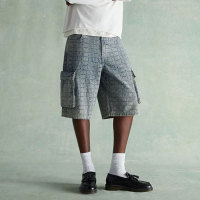
Premium streetwear joggers have evolved beyond basic loungewear, featuring architectural elements like articulated knees, flared or adjustable hems for sneaker stacking, and heavy-duty custom hardware. These functional details require precise pattern engineering to execute correctly in mass production.
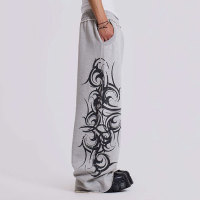
The modern streetwear jogger is defined by its interaction with footwear. The trend has decisively moved away from tight, elasticized cuffs toward open hems, flared bottoms, or hidden bungee cord adjusters that allow the fabric to stack perfectly over chunky sneakers. This stacking effect is highly sought after, but it relies entirely on the weight and drape of the fabric, combined with precise inseam measurements. Using a standard 280gsm fleece will result in a flimsy hem that collapses rather than stacks, which is why luxury labels are utilizing the same 400gsm+ materials for their bottoms as they do for their outerwear.
Furthermore, hardware has become a primary indicator of quality. Brands looking for luxury clothing manufacturers in China must evaluate the supplier's ability to source and install custom-molded aglets, heavy-gauge metal zippers for pockets, and reinforced eyelets. A common point of failure in bulk production is the tear-out of drawstrings during the first wash because the eyelet area was not properly reinforced with interfacing. Specifying these hidden structural reinforcements in the tech pack is crucial for maintaining the integrity of the garment over its lifespan.
Which graphic and embellishment techniques define the top streetwear hoodies brands are dropping right now?
Puff printing, heavy chenille applique, cracked vintage screen prints, and high-density embroidery are the four dominant embellishment categories across 2026 streetwear drops. Each technique carries distinct manufacturing constraints that directly impact unit cost, lead time, and wash durability at scale.
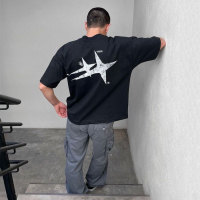
The graphic language of streetwear has undergone a significant evolution. Where screen-printed logos once dominated, today's most coveted drops layer multiple techniques on a single garment. A hoodie might feature a large-format puff print on the back, a small chenille logo patch on the chest, and tonal embroidery on the hood. According to Business of Fashion's analysis of hero products, this multi-technique approach creates a tactile richness that photographs well on social media and feels premium in hand, two factors that drive both initial purchase and organic word-of-mouth marketing.
However, combining these techniques introduces compounding production risks. Puff print requires precise temperature control during curing; if the oven temperature is even 5 degrees Celsius too high, the foam agent over-expands and creates an uneven, bubbly surface. Chenille patches must be pre-produced and then attached via specialized multi-head embroidery machines, and any misalignment of even 2mm across a run of 500 units becomes immediately visible. The cracked or distressed print effect, which simulates years of wear, demands a specific ink formulation that must be tested against the exact wash recipe the garment will undergo. If the wash is too aggressive, the crack pattern becomes excessive and the print disintegrates; if too mild, the vintage effect looks unconvincing.
For creative directors planning their next collection, the critical question is not which technique looks best in isolation, but which combinations can be reliably reproduced at volume. This requires close collaboration with the manufacturing partner during the development phase, not after bulk orders are placed. Brands that invest in extended sampling periods, testing each technique combination through multiple wash cycles before committing to production, consistently achieve lower defect rates and faster delivery timelines.
How should streetwear product teams structure a hoodie-first collection to maximize sell-through?
The most commercially successful streetwear collections in 2026 are built around a "hero hoodie" strategy: one signature heavyweight silhouette offered in 3-5 colorways, supported by coordinating joggers and secondary pieces. This approach concentrates marketing spend, simplifies inventory management, and builds recognizable brand identity.
The economics of streetwear have always favored depth over breadth. Brands that spread their production budget across 15 different styles often end up with insufficient inventory depth in any single SKU, leading to stockouts on popular sizes and excess inventory on others. The hero product model, by contrast, allows a brand to invest heavily in perfecting one core hoodie silhouette, from the pattern engineering and fabric development to the wash recipe and embellishment placement. This concentrated investment yields a product that is demonstrably superior to competitors who dilute their resources across too many styles.
From a manufacturing perspective, the hero hoodie strategy also unlocks significant cost efficiencies. When a factory is producing 5,000 units of a single style in multiple colorways, the setup costs for cutting, sewing, and finishing are amortized across a much larger volume. The sewing operators develop muscle memory for the specific construction sequence, reducing error rates and increasing throughput. Pattern adjustments identified during the first colorway can be immediately applied to subsequent runs. This is fundamentally different from producing 500 units each of 10 different styles, where every style change requires a complete line reset, new pattern loading, and operator retraining.
The supporting jogger should be designed as a deliberate companion piece, not an afterthought. This means the jogger's fabric weight, wash treatment, and color must be developed in parallel with the hoodie from the very first sample stage. Brands that develop the hoodie first and then attempt to "match" a jogger later inevitably encounter the color-matching issues discussed earlier. The most effective approach is to submit both garments as a single development package to the manufacturer, specifying that they must be produced from the same fabric lot and processed through the same dye and wash sequences.
What role does fabric sourcing play in differentiating premium streetwear from mass-market alternatives?
Fabric is the single most important differentiator between a premium streetwear hoodie and a mass-market alternative. The choice of cotton origin, yarn spinning method, knitting density, and finishing treatment collectively determine the hand-feel, drape, durability, and visual texture that consumers associate with luxury.
The global cotton market offers a vast spectrum of quality levels. At the premium end, long-staple cotton varieties such as Supima (grown in the United States) and Egyptian cotton produce smoother, stronger yarns that resist pilling and maintain their softness through hundreds of washes. These fibers are typically ring-spun, a slower and more expensive process than open-end spinning, but one that produces a significantly softer and more uniform yarn. When this ring-spun, long-staple cotton is knitted into a 450gsm fleece, the resulting fabric has a dense, almost suede-like interior that is immediately distinguishable from cheaper alternatives.
For brands evaluating Groovecolor's production capabilities for premium streetwear, the fabric sourcing conversation should begin with specific technical requirements rather than price targets. Specifying the cotton origin, yarn count, knitting gauge, and desired GSM in the tech pack ensures that the manufacturer can source the exact fabric needed to achieve the intended product quality. Brands that simply request "heavyweight fleece" without these specifications leave the door open for substitution with inferior materials that may look acceptable in a sample but degrade rapidly in consumer use.
The finishing process applied to the raw fabric is equally critical. Enzyme washing creates a softer, more broken-in hand-feel that consumers associate with vintage luxury. Silicone softeners add a subtle sheen and reduce friction between fibers, extending the fabric's lifespan. Bio-polishing removes surface fuzz and loose fibers, preventing pilling before the garment even reaches the consumer. Each of these treatments adds cost, but they collectively create a product that justifies a premium retail price point. When a consumer picks up a hoodie and immediately notices the weight, the softness, and the density of the interior fleece, that tactile experience is the direct result of deliberate fabric sourcing and finishing decisions made months earlier in the development process.
For brands targeting the US, UK, and EU markets, fabric compliance is another non-negotiable consideration. The European Union's REACH regulation restricts the use of certain chemicals in textile production, including specific azo dyes and formaldehyde levels. Failure to comply can result in entire shipments being seized at customs, creating devastating financial losses and supply chain disruptions. Working with manufacturers who maintain up-to-date compliance documentation and conduct regular third-party testing is essential for brands operating in these regulated markets. This compliance infrastructure is often a distinguishing factor between established, export-oriented factories and those primarily serving domestic markets.
Sustainability credentials are increasingly influencing fabric sourcing decisions as well. According to the McKinsey State of Fashion report, over 60% of consumers now consider sustainability when making apparel purchases. For streetwear brands targeting environmentally conscious demographics in the US, UK, and EU, sourcing organic cotton certified by GOTS (Global Organic Textile Standard) or using recycled polyester blends can serve as both a marketing differentiator and a compliance safeguard. However, organic and recycled materials often behave differently during dyeing and washing processes, requiring additional sampling rounds to achieve the same color depth and hand-feel as conventional fabrics. Brands must factor this extended development timeline into their production calendars.
How can brands mitigate quality risks when scaling heavyweight hoodie production?
Scaling from a perfect sample to thousands of units introduces significant risks regarding fabric shrinkage, torque (twisting), and stitching inconsistencies. The solution lies in establishing strict PP-to-bulk checkpoints and requiring comprehensive pre-shrinking processes before cutting the fabric.
The most common point of failure for established brands moving into high-volume production is the assumption that bulk runs will naturally replicate the pre-production (PP) sample. With heavyweight fabrics, this is rarely the case unless specific engineering controls are enforced. A 500gsm cotton fleece holds immense tension. If the fabric is not properly relaxed and pre-shrunk before it is cut, the final garment can shrink by up to 10% after the first consumer wash, completely destroying the carefully designed oversized fit. Furthermore, if the fabric grain is not perfectly aligned during cutting, the hoodie will suffer from torque—meaning the side seams will twist toward the front or back after washing.
To protect the brand's reputation, procurement teams must look beyond aesthetics and evaluate the operational infrastructure of their suppliers. Finding the best places to custom stylish streetwear hoodies requires assessing a factory's testing protocols. Does the manufacturer conduct in-house wash tests on bulk fabric rolls before cutting? Do they utilize automated cutting machines to ensure precise grain alignment? By establishing these checkpoints as non-negotiable requirements in the manufacturing agreement, brands can transition from strategic test runs to massive global drops with confidence, ensuring that every unit delivers the premium experience their customers expect.
Beyond fabric-level controls, the stitching infrastructure itself must be evaluated. Heavyweight fabrics demand industrial sewing machines with higher presser foot pressure and specialized needle gauges. A standard single-needle lockstitch machine designed for 200gsm cotton will struggle with the thickness of a 500gsm fleece, particularly at seam intersections where four or more layers converge. The result is skipped stitches, thread breakage, and inconsistent stitch tension that weakens the garment's structural integrity. Brands should request that manufacturers demonstrate their equipment capabilities during the factory audit, specifically asking to see production of heavyweight garments on the actual machines that will be used for their orders.
Another frequently overlooked risk factor is the finishing stage. After sewing, heavyweight hoodies must undergo a final pressing and steaming process to set the garment's shape. If this step is rushed or performed at incorrect temperatures, the fabric can develop permanent creases or shine marks that are impossible to remove. For garments that include embroidery or patches, the pressing must be carefully controlled to avoid flattening the raised texture of the embellishment. These seemingly minor details accumulate across thousands of units and can mean the difference between a product that feels genuinely premium and one that feels like a factory second.
The measurement verification process is another critical checkpoint that separates professional-grade manufacturing from amateur operations. After the first bulk units come off the production line, a comprehensive measurement audit must be conducted against the approved PP sample. This audit should check every critical point of measure (POM) across at least three sizes, comparing actual measurements against the tolerance ranges specified in the tech pack. For oversized streetwear hoodies, the most common failure points are the shoulder drop measurement, the body length from high point shoulder, and the sleeve length from center back. If any of these measurements fall outside the specified tolerance, production must be halted and the pattern adjusted before continuing. This discipline is what ensures that the consumer receives a garment that fits exactly as the brand intended, regardless of whether it was the 50th or the 5,000th unit produced.
Frequently Asked Questions for Custom Hoodies and Joggers
What is the ideal fabric weight for a premium streetwear hoodie?
For premium streetwear collections in 2026, the ideal fabric weight is between 400gsm and 500gsm 100% cotton fleece or heavy French terry. This weight provides the necessary structural rigidity to hold oversized, boxy silhouettes without collapsing, while offering the substantial hand-feel that luxury consumers expect from high-end drops.
Why do oversized streetwear hoodies often suffer from fit issues after washing?
Fit issues post-wash are primarily caused by inadequate pre-shrinking of heavyweight fabrics and incorrect grain alignment during cutting. If a 450gsm fabric is not properly relaxed at the factory level, the tension releases in the consumer's washing machine, causing up to 10% shrinkage and torque (twisting seams) that ruins the intended drape.
What are the most durable printing methods for vintage-washed streetwear hoodies?
For garments undergoing aggressive acid or enzyme washes, high-density screen printing with specialized plastisol or discharge inks is the most durable method. DTG (Direct-to-Garment) often fails under harsh chemical washes. The key is applying the print after the wash process is complete, or using specialized curing techniques if printing must occur beforehand.
What should brands specify in a tech pack for fully custom heavyweight hoodies?
A comprehensive tech pack for custom heavyweight hoodies must include exact GSM requirements, cotton origin preference, yarn spinning method, shrinkage tolerance (typically under 3%), specific measurements for all sizes, and detailed construction notes for seam types, stitch density, and reinforcement areas. Additionally, it should specify the exact Pantone color references, wash treatment instructions with acceptable shade variation ranges, and placement coordinates for all embellishments. Without these specifications, manufacturers will default to their standard materials and methods, which may not align with the brand's quality expectations.
How do established streetwear brands evaluate clothing manufacturers in China for complex hoodie production?
Established brands evaluate China-based manufacturers through a multi-stage vetting process that includes technical audits, sample testing across multiple wash cycles, and verification of certifications such as SMETA 4-Pillar for ethical compliance. Key evaluation criteria include vertical integration (in-house washing, printing, and embroidery capabilities), the factory's experience with heavyweight fabrics above 400gsm, their quality control infrastructure (including AQL-based inspection systems), and their ability to maintain sample-to-bulk consistency across large orders. Brands typically request a factory tour, review past production records for similar products, and conduct a trial order before committing to a long-term partnership.
What are the biggest risks when combining acid wash with printed graphics on streetwear hoodies?
The primary risks are print degradation, uncontrolled color bleeding, and dimensional instability of the garment during the chemical wash process. Acid wash uses oxidizing agents (typically potassium permanganate or sodium hypochlorite) that can attack ink bonds, causing prints to crack, fade, or peel. The solution is process sequencing: either apply the wash first and print afterward (which limits print placement options due to the uneven surface), or use specialized wash-resistant inks with extended curing protocols. Both approaches require extensive pre-production testing to validate that the final result meets the brand's visual standards.
About the Author

References
- Fortune Business Insights. (2024). "Hoodies and Sweatshirts Market Size, Share & Industry Analysis, By Material, By End User, By Distribution Channel, and Regional Forecast, 2024-2032." https://www.fortunebusinessinsights.com/hoodies-and-sweatshirt-market-106230
- Business of Fashion. (2025). "How to Market a Hero Product." https://www.businessoffashion.com/articles/marketing-pr/how-to-market-a-hero-product/
- Groovecolor Insights. (2024). "Bulk Hoodie Manufacturing for Streetwear: Essential Criteria Big Brands Use to Vet Global Suppliers." https://m.groovecolor.com/blog/Bulk-Hoodie-Manufacturing-for-Streetwear-Essential-Criteria-Big-Brands-Use-to-Vet-Global-Suppliers_b19544