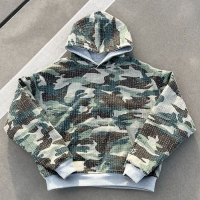
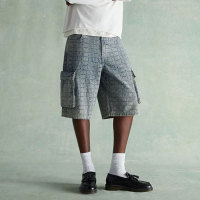
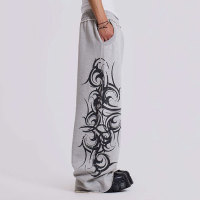
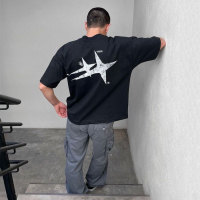
Top 8 UK Clothing Manufacturers for Streetwear Brands: 2025 Buyer's Guide

For most streetwear brands, UK clothing manufacturers are strongest in three areas: pattern development, sampling, and controlled production runs with closer communication. They are not always the most efficient choice for every scale-up scenario, especially when a collection depends on heavyweight fleece, complex washing, or rapid post-approval volume. This guide works best as a buyer’s guide, not a hype list: it shows which UK manufacturers are better for development, which are better for short-run execution, which operate through hybrid overseas models, and when a UK + international production strategy makes more commercial sense.
Key Takeaways for Streetwear Brands
- ▸ UK clothing manufacturers are usually strongest for sampling, fit refinement, pattern development, and controlled production runs.
- ▸ Not every company in this list is a full bulk factory. Some are better understood as development studios, sampling specialists, or UK-facing production coordinators.
- ▸ For heavyweight fleece, advanced washing, multi-layer graphics, or fast scale-up after approval, many streetwear brands use a hybrid UK + overseas production model.
- ▸ The right choice depends less on city and more on production model: local development support, true cut-and-sew capability, or scalable manufacturing after sampling.
Quick Comparison: Which UK Clothing Manufacturer Fits Which Streetwear Need?
Hawthorn is best understood as a guided development and manufacturing option rather than a purely streetwear-specialist factory. Their strength is the full-service model: helping brands move from idea, pattern development, and sourcing into finished production. For this list, Hawthorn makes the most sense for labels that want structured support through development and sampling, not just a price quote for bulk. That said, brands building highly technical heavyweight streetwear programs should still verify fabric capability, decoration range, and post-sample scale-up capacity before committing.
Hook and Eye UK fits brands that want a UK-facing team with support across tech packs, sampling, development, and production planning. Their model is useful when communication, guidance, and lower starting quantities matter more than purely local bulk factory output. In practical terms, this makes them relevant for streetwear brands testing shapes, fleece programs, or repeat products before committing to larger-scale production. The key is to evaluate them as a development-led partner with broader production pathways, not simply as a Birmingham bulk factory.
NO FUGAZI is one of the most streetwear-native names in this list. The brand’s positioning is much more aligned with custom streetwear execution, including pattern development, custom garment creation, and design-led product work. That makes it a better fit for brands that care about silhouette, finish, and streetwear presentation rather than generic apparel manufacturing. The main commercial question is not whether they can build custom products, but whether the program is best suited to controlled runs and development-focused production or to sustained bulk scale after approval.
Ro and Ritzy should be presented clearly as a UK-managed business with India-based production, rather than as a purely UK-made manufacturing setup. For brands, that can actually be useful: UK-side communication with access to offshore manufacturing economics. It is broader than pure streetwear and can work well for labels balancing product variety, customization, and cost sensitivity. The decision point here is whether your brand wants local development contact with international production behind it, or a more tightly UK-based specialist workflow.
The London Pattern Cutter is more valuable as a technical development resource than as a classic bulk streetwear manufacturer. Its strongest role is helping brands refine patterns, resolve fit issues, and move concepts toward production-ready form. For streetwear labels, that is useful when the real bottleneck is shape, grading, or product development rather than factory access itself. In a buyer’s guide like this, it belongs on the list, but it should be framed as a pattern and prototyping specialist first.
Sew It In London is strongest where pre-production support, local fittings, and shorter-run manufacturing matter more than aggressive scale. Their appeal is practical: brands that want UK-side manufacturing support, broad garment coverage, and clearer pre-production handling can find value here. For established streetwear labels, the key question is whether you need local sampling and controlled runs, or a specialist setup built around heavier fabrics, more technical washes, and larger repeatable production programs.
White2Label is best understood as a business offering two different pathways: lower-entry stock-based options and higher-minimum bespoke production, with both UK and overseas manufacturing depending on the project. That makes it commercially flexible, but it also means brands should be precise about what they are actually buying. In this guide, White2Label belongs as an option for faster and more structured route-to-market programs, but it should not be mistaken for a single-mode, fully custom streetwear bulk factory.
Plus Samples sits closest to the sampling-studio end of this list. Its value is in high-end development, prototype refinement, and smaller-volume production where finish quality matters more than factory scale. For a streetwear brand, that can be extremely useful during the early stages of product development or when launching controlled capsules with close oversight. It deserves a place in this guide, but it should be framed clearly as a sampling and small-volume specialist rather than a bulk manufacturing solution.
Step 1: Define the real purpose of using a UK manufacturer. Is it for pattern development, local sampling, short production runs, or long-term bulk output?
Step 2: Separate true factory capability from development support. Some companies are strongest in sampling, fit refinement, or production coordination rather than repeatable bulk manufacturing.
Step 3: Ask direct operational questions: where is production actually done, what is the MOQ by product type, what fabrics and trims are realistic, and what changes after sample approval?
Step 4: Review the manufacturer through a streetwear lens, not a generic fashion lens. Oversized fit control, heavyweight fleece handling, decoration accuracy, and scale-up after approval matter far more than polished branding language.
Step 5: If your brand needs both local development speed and reliable volume later, evaluate whether a hybrid UK + overseas model will give you better control, margin, and production continuity.
The UK and China usually solve different production problems for streetwear brands. UK manufacturing is strongest where local communication, pattern development, fit refinement, and controlled runs are the priority. China is usually stronger when a brand needs deeper supply-chain capacity, more material options, advanced wash and print execution, and faster scale after sample approval. In practice, the smartest decision is often not UK versus China, but which stage of the product journey each one should own.
Frequently Asked Questions
Which UK clothing manufacturers are best for streetwear brands?
The best choice depends on what your brand actually needs. Some UK manufacturers are stronger in pattern development and sampling, while others are better for short production runs or broader production coordination. The strongest buyer decision is usually based on production model, not branding language.
Are all UK clothing manufacturers in this list full bulk factories?
No. Some businesses in this guide are better understood as development studios, sampling specialists, or UK-facing production coordinators. That is why brands should ask where production is actually done, what happens after sample approval, and how repeatable bulk output is handled.
What MOQ should a streetwear brand expect from a UK clothing manufacturer?
It varies widely. Some providers position themselves around sampling, no-minimum pathways, or lower-entry programs, while others expect higher bespoke minimums. The real question is not only MOQ, but whether the production model matches your product complexity and scale plan.
When does a hybrid UK + overseas production model make the most sense?
A hybrid model usually makes sense when a brand wants UK-side development, fittings, or communication, but also needs broader material access, advanced wash and print execution, or more scalable production after sample approval.
How should a streetwear brand vet a UK clothing manufacturer before placing a bulk order?
Ask where production is actually carried out, what the MOQ is by product type, what fabrics and trims are realistic, how samples translate into production, and whether the business is strongest in development, short runs, or repeatable bulk manufacturing.