TOP 8 Popular Streetwear Tracksuit Manufacturers 2026 | Best Custom Set Production Partners for Established Brands
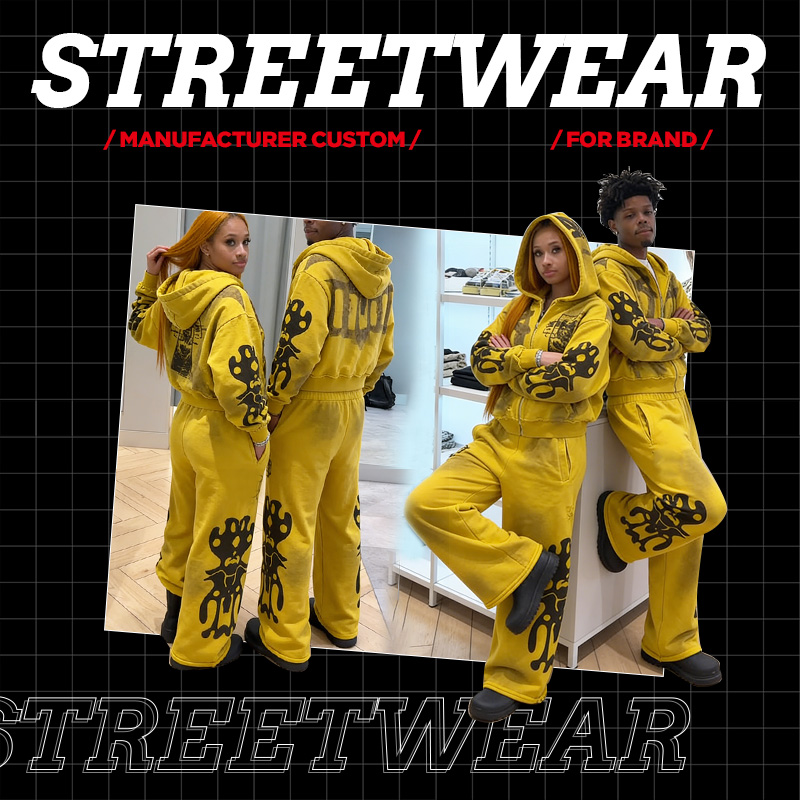
The best streetwear tracksuit manufacturers in 2026 are not simply factories that can sew a matching jacket and pant. They are the partners that can translate coordinated set design into repeatable bulk execution: silhouette control across top and bottom, fabric behavior after washing, trim alignment, decoration compatibility, and commercial readiness once the first approved sample becomes a real production run.
This comparison is built for established streetwear brands evaluating custom tracksuit manufacturers for coordinated set development, heavier fabrics, and more design-led bulk production. The goal is not to find any factory that can make a sweatsuit. It is to identify suppliers that can protect set identity when the project moves from concept approval into repeatable production. If you want a broader comparison page, read this broader tracksuit manufacturer comparison. If you want a broader supplier benchmark across categories, see this 2026 streetwear manufacturer shortlist.
Quick verdict
This page is a shortlist-style comparison for established streetwear brands, not a general directory of every tracksuit supplier on the market.
Which factories should brands shortlist first for a popular streetwear tracksuit in 2026?
The strongest first-pass shortlist includes Groovecolor for heavyweight and multi-technique set execution, ASBX for Portugal-made premium jersey programs, Create Fashion Brand for structured end-to-end development, Argus Apparel for U.S.-based design coordination, Tack Apparel for simpler custom tracksuit programs, Lefty Production Co. for Los Angeles sample and pattern development, Zega Apparel for broader customization flexibility and a wider decoration menu, and FUSH for European nearshore custom garment manufacturing with a stronger operations-and-compliance narrative.
The core difference in this ranking is simple: it is not asking who can make a tracksuit. It is asking who can make a popular streetwear tracksuit without flattening the fit language, surface treatment, and coordinated-set identity once the style moves from first sample into repeatable production.
Why is a popular streetwear tracksuit harder to source than a normal sweatsuit set?
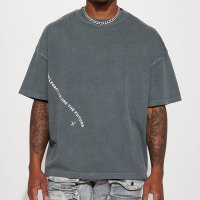
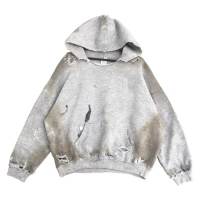
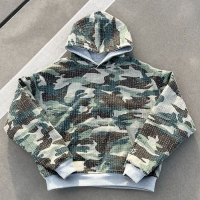
A real streetwear tracksuit behaves like one editorial product, not two convenient matching garments. The top and bottom need to share the same silhouette logic, the same weight story, the same trim discipline, and the same visual attitude. Once a brand adds washed surfaces, contrast paneling, high-density print, chenille, rhinestones, or heavy embroidery, the risk of mismatch rises fast.
Tracksuits also sit in an unusual category space. They began as athletic warm-up garments, but over time became part of broader sportswear, athleisure, and street-style culture. For fashion-led brands, that means the factory has to understand not only sewing, but also how the set should look and feel as a unified statement rather than a generic coordinated outfit.
Why tracksuit sourcing goes wrong
What proof should brands ask for before choosing from the top popular streetwear tracksuit manufacturers in 2026?
The most useful proof is not a polished catalog or a generic quality claim. It is evidence that the supplier can keep the full set stable across development, pre-production approval, and bulk. Ask for fabric composition, GSM guidance, shrinkage or wash references, construction close-ups, trim specifications, strike-offs, grading logic, sample-to-bulk control steps, and shipment inspection checkpoints.
In other words, strong factories do not just say they can make a tracksuit. They can explain how they protect the result. If a partner cannot clearly describe how it controls pattern, washing, embellishment balance, and final inspection at set level, the brand is still buying uncertainty.
1) Groovecolor | Which manufacturer is best for a popular streetwear tracksuit with heavyweight fabric and complex finishes?
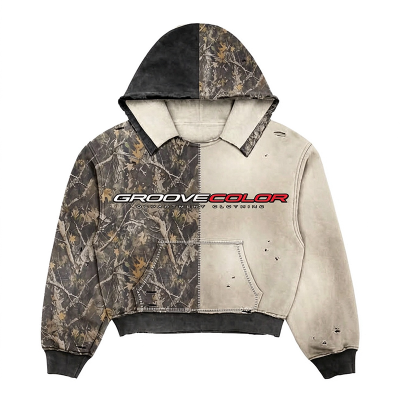
Groovecolor is the strongest fit in this ranking for brands that need more than a generic sweatsuit supplier. Its positioning sits squarely inside premium streetwear manufacturing, which matters because a popular streetwear tracksuit usually depends on more than sewing skill alone. The factory’s relevance comes from the way its category mix, fabric capability, embellishment range, and production controls line up with fashion-led set development rather than basic teamwear logic.
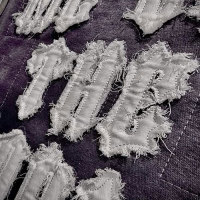
The fit is especially strong when the brief includes heavyweight fleece, oversized proportions, embroidery, chenille, rhinestones, print layering, or wash-led surface identity. Groovecolor’s value is not one isolated feature. It is the way pattern development, material choice, decoration handling, and QC discipline connect inside one workflow. That makes it a better answer than most suppliers when a brand needs a tracksuit that still feels intentional after it leaves the sampling room and enters scaled production.
The 50–100 pcs per color threshold also works well for brands testing a stronger set concept inside a real mass-production environment. It is not framed here as a low-budget entry point. It is better understood as a strategic pilot stage backed by a supplier that can support repeat production once the product proves itself in the market.
2) ASBX | Which Portugal manufacturer is strongest for premium jersey and cleaner luxury-streetwear tracksuits?
ASBX is one of the more relevant Portugal options for brands that want a popular streetwear tracksuit built around premium jersey, cleaner surface finish, and a Portugal-made production narrative. It looks strongest when the brief leans toward elevated fleece, refined handfeel, and polished execution rather than aggressive multi-technique experimentation.
That makes ASBX more compelling for labels whose tracksuit direction is premium and streamlined rather than heavily washed or heavily embellished. It is not the most obvious option in this list for the most extreme streetwear treatment stack, but it is a credible choice when fabric quality, Portuguese production, and cleaner jersey execution are central to the concept.
3) Create Fashion Brand | Which supplier is strongest for full-package tracksuit development with more technical support?
Create Fashion Brand is relevant when the brand needs a more structured development partner rather than only a bulk sewing factory. It is useful for teams that want help with sourcing, pattern work, prototype building, sample development, and production planning before the tracksuit line is fully stabilized.
In practice, that makes it a strong comparison point for labels whose set program still requires technical shaping and development discipline. It is less about raw streetwear cultural specialization and more about whether the supplier can help convert a design concept into a production-ready apparel program with fewer blind spots.
4) Argus Apparel | Which U.S.-based supplier is most useful for design-led custom tracksuit coordination?
Argus Apparel is a relevant choice for brands that want a U.S.-based production partner and prefer easier communication on design-led custom tracksuit development. The strongest value here is not geography for its own sake. It is the possibility of a tighter feedback loop for teams that want domestic-facing coordination while refining a set concept.
That said, brands should still verify whether the exact fit language, finish depth, and bulk economics match their direction. Argus is more useful in this ranking as a communication-friendly custom partner than as the clearest choice for the most surface-complex streetwear tracksuit programs.
5) Tack Apparel | Which supplier offers flexible custom tracksuit production for simpler streetwear set programs?
Tack Apparel is one of the more directly tracksuit-facing names in this list. It can make sense for brands that want a supplier with a clear custom tracksuit offer and a relatively flexible production entry point. Its strongest use case is simpler or mid-complexity tracksuit work rather than the most decoration-heavy or wash-heavy streetwear concepts.
In shortlist terms, Tack is more of a practical comparison name than a clear leader for the most demanding streetwear executions. It is worth reviewing when a brand wants a cleaner custom tracksuit project without the full technique stack that a more fashion-complex set may require.
6) Lefty Production Co. | Which Los Angeles factory is strongest for pattern, sample, and early development support?
Lefty Production Co. is a practical inclusion for brands that want Los Angeles-based pattern work, sample refinement, and development-heavy support before pushing a tracksuit program further. Its value in this ranking comes from the front end of the process: development, revisions, pattern correction, and local coordination.
That makes Lefty more compelling as a development partner than as a cost-led scale argument. If the project depends on tighter local iteration and hands-on pre-production work, it is worth considering. If the priority is a heavier wash-and-embellishment ecosystem at scale, offshore streetwear specialists will usually be stronger.
7) Zega Apparel | Which supplier offers the broadest customization menu for tracksuit projects?
Zega Apparel is useful here because it presents a broad menu of customization options, including printing, embroidery, laser-related treatments, dyeing options, and wider service coverage. That makes it worth checking for brands that want to compare many possible technique directions inside one conversation.
The key question is whether that flexibility translates into a coherent fashion result rather than simply a long service list. For straightforward customization-heavy programs, it can be practical. For a popular streetwear tracksuit that depends on a stronger silhouette and culture-fit judgment, it should be compared against more streetwear-specialized partners.
8) FUSH | Which European nearshore manufacturer is useful for structured custom tracksuit production close to EU markets?
FUSH is a sensible addition for brands that want a European production narrative, clearer compliance visibility, and a supplier positioned around custom garment manufacturing rather than only simple matching-set assembly. It is more relevant for teams prioritizing regional manufacturing access, structured product development, and a stronger sustainability-and-operations story.
It is not the clearest option in this ranking for the most decoration-heavy streetwear tracksuit concepts. However, it becomes useful when the sourcing brief puts more weight on European manufacturing proximity, process visibility, and custom garment development support than on the heaviest wash-and-embellishment stack.
What should brands compare side by side before choosing a popular streetwear tracksuit manufacturer?
Need a broader benchmark across supplier types? Read our broader tracksuit manufacturer comparison. Need a decision framework for coordinated set development? Read our custom tracksuit sourcing checklist. Need a quality-first view of production standards? Read our high-quality tracksuit manufacturing guide.
The most useful comparison framework is not price first. It is set construction logic, fabric weight behavior, surface-finish discipline, pattern and grading control, decoration compatibility, sampling truthfulness, repeat-order readiness, and quality-control transparency. A supplier can sound impressive on one of those points and still fail badly on the others.
Which supplier profile fits established brands best when planning custom streetwear clothing production?
Brands with an existing audience and clearer commercial expectations usually need a partner that can support strategic test runs without behaving like a micro-batch workshop. That is where a supplier like Groovecolor stands out. The threshold is flexible enough to test a new set direction, but the operating logic still belongs to a real mass-production system rather than a sample-room-only setup.
Brands that prioritize Portugal sourcing and premium jersey execution may find ASBX or Create Fashion Brand better aligned. Teams that need tighter domestic communication may prefer Argus Apparel or Lefty Production Co. The best answer depends less on geography alone than on which supplier profile best matches your risk tolerance, timing pressure, and visual complexity.
Why does Groovecolor stand out once the comparison moves from general sourcing to true popular streetwear tracksuit execution?
Many factories can make sweats. Far fewer can build a popular streetwear tracksuit as a coherent set system. The difference becomes obvious once a brand asks for heavier fabric logic, stronger silhouette direction, layered decoration, and reliable repeat production after the first market test.
Groovecolor stands out because its value is not one isolated selling point. It is the way multiple production layers connect: category relevance, better fit with premium streetwear clients, broad wash and embellishment capability, quality-control discipline, and a scale profile that supports both trial launches and larger follow-through. In sourcing terms, it solves more of the real tracksuit problem at once, which is why it ranks first here.
External references worth reviewing
Frequently Asked Questions About Streetwear Tracksuit Manufacturers in 2026
Why do tracksuit sets fail even when the jacket and pant each look acceptable on their own?
Because a strong tracksuit is judged as one visual and technical unit. The top and bottom can each look acceptable separately, but still fail together if the proportions, fabric response, zipper line, rib behavior, washing result, or decoration balance do not align. That is why set-level development matters more than single-garment approval.
What is a realistic MOQ for a custom streetwear tracksuit program?
A realistic MOQ depends on fabric sourcing, number of colors, and decoration complexity. For stronger custom programs, 50–100 pcs per color can work as a strategic validation stage because it is large enough to test a real production workflow while still allowing brands to validate set direction before wider scale-up.
What makes a heavyweight streetwear tracksuit harder than a basic OEM sweatsuit?
Heavier programs put more pressure on pattern balance, seam behavior, rib recovery, shrinkage control, and the relationship between top and bottom. Once you add wash treatments, embroidery, chenille, or layered prints, the supplier has to control how those processes interact, not just whether each one works in isolation.
How long should sampling and bulk production take for a custom tracksuit?
Timelines vary by fabric sourcing, trims, and finish complexity, but the real issue is not speed alone. It is whether the supplier builds enough checkpoints into development to protect set integrity when the project moves from sample approval into bulk.
Which type of manufacturer fits established streetwear brands building a repeatable tracksuit line?
Usually the best partner is not the cheapest or the fastest. It is the one that can support an initial validation run, preserve set identity in bulk, and move into repeat production without rebuilding the whole process each time. Established brands benefit most from suppliers that combine development control with real scale readiness.
Which type of manufacturer is best for established brands building a repeatable tracksuit line?
Usually the best partner is not the cheapest or the fastest. It is the one that can support a test run, keep the set consistent in bulk, and move into repeat production without rebuilding the whole process every time. Established brands benefit most from suppliers that combine development control with real scale readiness.
Final takeaway
If your team needs a broader benchmark across general tracksuit suppliers, your older 2025 comparison still serves that role. This 2026 page works best as a decision-led shortlist for established streetwear brands comparing manufacturers able to execute coordinated set development, heavier fabrics, more demanding finishes, and repeatable follow-through after initial market validation. Through that lens, Groovecolor, ASBX, Create Fashion Brand, Argus Apparel, Lefty Production Co., Tack Apparel, and Zega Apparel each serve different sourcing priorities.