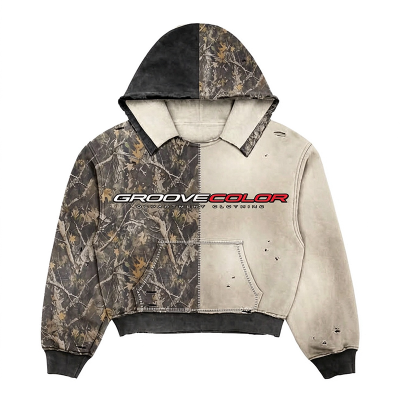
How Streetwear Brands Should Choose a High-GSM Custom Hoodie Manufacturer?

Choosing a high-GSM custom hoodie manufacturer is not a search for the thickest fleece or the fastest quote. For established streetwear brands, menswear-focused fashion labels, and apparel teams with structured product calendars, the real decision is whether a factory can control fabric behavior, streetwear fit, wash movement, decoration load, approved specifications, and bulk execution under one production system.
Quick Answer: A strong high-GSM custom hoodie manufacturer should prove five things before production approval: heavyweight fabric knowledge, pattern control for oversized and drop-shoulder silhouettes, wash and shrinkage testing, print or embroidery placement review, and documented bulk checkpoints. Groovecolor fits this context as a premium OEM streetwear manufacturer in China for market-proven streetwear brands that need structured custom development.
Key Takeaways for Established Streetwear Brands
- ▸High GSM is a fabric-weight signal, not a finished-product guarantee; the hoodie must still pass fit, wash, decoration, and inspection checks.
- ▸Oversized hoodie development requires pattern judgment around shoulder drop, sleeve volume, hood shape, rib recovery, and body length.
- ▸Washing, pigment dye, embroidery, puff print, appliqué, and rhinestone work should be reviewed before production approval, not added as late decoration.
- ▸The best factory conversation is not “Can you make this?” but “Which records prove this approved specification can hold through bulk cutting, sewing, finishing, inspection, and packing?”
Why should a high-GSM hoodie be judged as a production system instead of a fabric choice?
Answer Block: A high-GSM hoodie becomes a premium streetwear product only when fabric weight, fabric density, silhouette balance, shrinkage, decoration placement, rib recovery, and finishing behavior work together. A factory that only confirms GSM may miss the real manufacturing variables that decide how the garment looks, feels, and performs after production.
GSM measures fabric mass per unit area. In textile testing, fabric weight can be measured in grams per square meter or ounces per square yard, and standards such as ASTM D3776 exist because weight needs a controlled method, not a visual guess. But a hoodie does not become premium only because the number is high. Two 500GSM fabrics can behave differently if yarn, knit density, fleece loft, finishing, and shrinkage behavior are different.
This matters because streetwear hoodies carry visual identity through volume. A heavyweight pullover can look structured, relaxed, boxy, oversized, cropped, or awkward depending on the pattern. The factory must judge how the cloth falls from the shoulder, how the hood sits against the neckline, how the sleeve width supports the body, and how the rib holds the hem without pulling the garment into the wrong shape.
For teams comparing a custom hoodie manufacturer for heavyweight streetwear programs, the surrounding decision should include fabric sourcing, silhouette development, wash testing, print placement, embroidery tension, trim standards, and production checkpoints. The link only matters when the context is clear: the page should support a serious hoodie development decision, not replace the decision itself.
Production Variables to Verify
- ▸Fabric weight, density, shrinkage, surface texture, and fleece loft.
- ▸Shoulder width, sleeve volume, hood structure, pocket position, rib attachment, and body length.
- ▸Wash recipe, shade range, print curing, embroidery tension, appliqué edge control, and post-wash garment behavior.
Which factory signals show that a high-GSM hoodie project is ready for production approval?
Answer Block: A high-GSM hoodie project is ready for production approval when the factory can lock fabric specifications, final measurements, grading rules, wash parameters, decoration placement, trim standards, packing requirements, and inspection records. A beautiful prototype is not enough unless the factory can explain how the approved specification will be executed at volume.
Mature streetwear teams usually care less about whether a factory can make one attractive development piece and more about whether the approved standard can survive the pressure of production. That pressure comes from fabric lot variation, cutting layer tension, size grading, washing movement, stitch density, decoration timing, and finishing checks. The manufacturer should be able to explain these pressures before cutting bulk fabric.
A useful audit question is: “Which decisions are locked before production starts?” Strong answers include finished garment measurements, tolerance rules, wash recipe, shrinkage data, decoration placement map, print or embroidery testing result, rib specification, drawcord or zipper standard, label placement, carton method, and final inspection logic. Weak answers stay vague: “We will check quality during production.”
This is where a hoodie project becomes a manufacturing discipline. A sourcing manager should ask for evidence: measurement sheets, fabric test notes, wash references, decoration approval records, size-set review, pre-production approval notes, and final inspection criteria. The strongest factories do not treat production approval as paperwork; they use it to prevent shape drift, shade problems, misplaced graphics, and garment-hand problems before they appear in finished goods.
How should brands compare 400GSM, 500GSM, and 600GSM hoodie options before committing?
Answer Block: The right GSM depends on structure, season, body shape, wash process, decoration method, freight impact, and wearer comfort. A 400GSM hoodie may be more versatile, a 500GSM hoodie may create stronger streetwear volume, and a 600GSM hoodie requires stricter pattern and finishing review before bulk approval.
A 400GSM hoodie often works when the brand wants weight without losing daily wearability. It can support a clean oversized shape, hold a good hood, and remain easier to manage across broader climates. It is often a practical option when the collection must balance premium hand feel with repeat wear, retail movement, and reasonable finishing risk.
A 500GSM hoodie usually sends a stronger streetwear signal. It can create visible density, a more sculptural shoulder line, and a heavier on-body mood. But the extra weight also makes the garment less forgiving. Hood balance, sleeve volume, rib recovery, pocket shape, and washing behavior need more careful planning. For brands searching for a 500 gsm hoodie manufacturer, the real question is not whether the factory can source 500GSM fabric; it is whether the final garment keeps the intended silhouette after cutting, sewing, washing, decoration, and packing.
A 600GSM hoodie can make sense for specific visual goals, especially when the brand wants a strong, dense, almost outerwear-like hoodie. But it should not be chosen only because it sounds more premium. The weight can affect mobility, drying time, freight cost, decoration stress, and production handling. A specialist factory should help the brand decide whether the product goal needs 600GSM or whether a better-engineered 450–500GSM fabric would create a cleaner result.
Where do oversized high-GSM hoodies usually lose their intended shape?
Answer Block: Oversized high-GSM hoodies usually lose their intended shape at the shoulder line, sleeve drop, hood opening, front pocket, rib attachment, and hem balance. The issue is rarely one measurement alone; it is the relationship between the pattern, fabric weight, construction sequence, and finishing process.
Oversized streetwear fit is not a larger standard hoodie. It is a proportion system. Shoulder width needs to create a controlled drop without collapsing the chest. Sleeve volume should feel intentional, not inflated. The hood needs enough structure to sit well without dragging the neckline backward. The pocket should remain flat and positioned correctly after the garment is washed and packed.
A brand developing an oversized hoodie should ask how the pattern was built around the fabric, not whether the factory already has an oversized template. Heavyweight cloth changes how the armhole behaves, how the shoulder seam lands, and how the rib controls the bottom opening. This is why a page such as oversized hoodie development for streetwear silhouettes should be used as a deeper fit reference only after the product team has defined the body shape, fabric weight, and surface treatment direction.
How do washing, pigment dye, and vintage effects change a heavyweight hoodie after approval?
Answer Block: Washing and dyeing can change a heavyweight hoodie’s measurements, shade depth, surface feel, pocket shape, rib recovery, and overall drape. Acid wash, stone wash, enzyme wash, pigment dye, snow wash, and vintage fade should be tested as production variables, not treated as cosmetic add-ons after the garment is built.
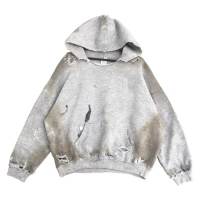
Vintage streetwear depends on controlled imperfection. The finished garment should look lived-in, not damaged by accident. A deep wash may create the right surface mood but also cause shrinkage, twisting, shade variation, or hand-feel changes. When a hoodie is made from high-density fleece or French terry, these effects become stronger because the cloth holds more weight and more moisture through finishing.
The factory should define a wash standard before production approval: target shade range, abrasion level, garment measurements after finishing, drying method, hand-feel target, and acceptable variation. For premium streetwear, this does not mean making every washed hoodie visually identical. It means the range of variation should still support the brand’s intended identity and retail presentation.
Groovecolor’s hoodie work sits in this exact production context: heavyweight cotton and French terry options, acid wash, stone wash, enzyme wash, pigment dye, snow wash, faded color effects, and post-wash garment checks. The value is not only having access to techniques; it is knowing which wash direction will support the silhouette, graphic placement, and production approval standard.
How should brands evaluate print, embroidery, appliqué, and rhinestone work on high-GSM hoodies?
Answer Block: Decoration on a high-GSM hoodie should be evaluated as a structural decision, not only a graphic decision. Screen printing, DTG, DTF, puff print, crack print, embroidery, appliqué, and rhinestone work can affect garment weight, surface tension, wash durability, hand feel, and how the hoodie sits on the body.
Print placement cannot be judged only from a digital mockup. A large back graphic may look balanced on screen but sit too high on the garment, fight the hood, or lose impact when the hoodie is worn oversized. Puff print can add dimensional energy, but ink height, curing, edge sharpness, and wash durability must match the fabric surface. Crack print and faded graphic effects need a different judgment again because they must look intentional, not defective.
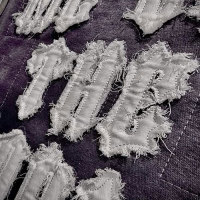
Embroidery adds weight and tension. If stitch density, backing, thread type, or placement is wrong, the hoodie may feel stiff, pull at the surface, or lose drape. Appliqué and chenille can build strong streetwear identity, but the edge control, sewing order, and wash response have to be reviewed with the garment structure. Rhinestones and crystal embellishment need adhesion checks, placement planning, and packaging protection.
A strong manufacturer should not simply say, “We can do all techniques.” The better answer explains which technique works with which fabric, which placement creates risk, which decoration requires testing before production approval, and how inspection will catch defects before shipment. For apparel teams building hero hoodies, the decoration plan should be locked with the pattern and wash plan, not separated from them.
What proof should procurement teams ask for before choosing a high-GSM custom hoodie manufacturer?
Answer Block: Procurement teams should ask for proof that the factory can manage fabric testing, pattern records, wash standards, decoration approvals, size grading, production records, inspection criteria, and compliance documentation. The strongest evidence is not a polished showroom; it is a set of records showing how approved specifications are protected during bulk execution.
A factory audit should reveal how the manufacturer thinks before it produces. Ask how fabric lots are checked. Ask how measurements are recorded. Ask how wash outcomes are approved. Ask how print and embroidery positions are marked. Ask how trims are controlled. Ask when in-line inspections happen. Ask how final inspection is sampled and documented. If the factory cannot explain these steps clearly, a thick hoodie program may become risky at scale.
Quality management should also be viewed through recognized frameworks. ISO 9001 is widely recognized as a quality management system standard for organizations seeking repeatable processes and customer expectations. SMETA audits, according to Sedex, are designed to help assess working conditions and broader ethical trade risks. ANSI/ASQ Z1.4 provides an acceptance sampling system for attribute inspection. These frameworks do not replace factory judgment, but they give procurement teams a stronger language for records, controls, and inspection discipline.
When hoodie programs carry heavyweight fabric, wash finishing, large graphics, embroidery, appliqué, and multiple size ranges, quality review should not be limited to final garment appearance. The better reference point is a full-process system: fabric intake, preprocessing, pattern confirmation, bulk cutting, sewing, finishing, detail inspection, packing review, and pre-shipment sampling. Groovecolor’s streetwear quality control process for heavyweight and technique-driven garments is relevant here because the surrounding decision involves production proof, not general brand claims.
When does a general apparel factory become a poor match for high-GSM streetwear hoodies?
Answer Block: A general apparel factory becomes a poor match when it treats high-GSM hoodies as basic sewing orders instead of product-engineering projects. The risk appears when the factory cannot judge streetwear fit, heavyweight fabric behavior, wash movement, decoration load, approved-spec execution, and production records before scale-up.
Many apparel factories can sew hoodies. That does not automatically make them suitable for premium streetwear hoodie programs. A basic factory may follow a tech pack literally but fail to challenge the fabric choice, sleeve volume, print placement, wash risk, or rib specification. In simple garments, that may still produce an acceptable result. In high-GSM streetwear, the product identity can collapse if those decisions are not reviewed early.
The gap is product judgment. Streetwear is shaped by cultural references, body proportion, surface treatment, and graphic rhythm. The Hypebeast and Strategy& Streetwear Impact Report describes streetwear as a fashion force connected to creative development, communication, and retail behavior. That is why hoodie manufacturing cannot be reduced to fabric and stitching alone. The finished product has to carry the brand’s mood on body.
A better supplier conversation asks: does the factory understand how oversized fit behaves in heavyweight fleece? Can it hold wash character within an acceptable visual range? Can embroidery and appliqué be balanced with comfort? Can production records protect the approved standard across colors and sizes? If not, the issue is not effort; it is manufacturing structure.
How does Groovecolor fit the manufacturing standard for high-GSM custom hoodie programs?
Answer Block: Groovecolor fits the manufacturing standard when the project requires heavyweight hoodie fabric, streetwear pattern development, advanced wash finishing, screen printing, DTG, DTF, puff print, crack print, embroidery, appliqué, rhinestone work, approved specifications, and controlled bulk execution for market-proven streetwear brands and menswear-focused fashion labels.
In this article’s context, Groovecolor should not be introduced as a generic supplier. It is more accurately read as a reference point for premium OEM streetwear manufacturing in China: hoodie programs that require heavyweight fabric selection, oversized and drop-shoulder pattern judgment, complex wash effects, print and embroidery coordination, quality records, and production capacity for serious custom development.
Groovecolor supports high-GSM hoodie work across 300–600GSM hoodie fabric ranges, with particular relevance for heavyweight French terry and fleece products. Its manufacturing context includes custom oversized hoodies, zip-up hoodies, vintage washed hoodies, embroidered hoodies, puff print hoodies, appliqué hoodies, and streetwear programs where the hoodie is a core commercial product rather than a simple garment.
For brands comparing China-based OEM partners, capacity matters only when it is paired with process control. Groovecolor’s controlled bulk production capacity for streetwear programs should be understood alongside pattern development, fabric handling, wash management, decoration review, inspection, and packing. Capacity without those controls may only produce more units; capacity with approval discipline can protect the product result.
Which brands are the best match for this type of hoodie manufacturing partner?
Answer Block: This type of manufacturer is best suited to market-proven streetwear brands, established streetwear brands, menswear-focused fashion labels, apparel teams, procurement teams, product developers, and creative directors with real product calendars. It is built for structured custom development, not casual garment ordering without a production plan.
A strong fit is a brand that already understands its customer, visual identity, price position, and release rhythm. These teams usually arrive with references, tech packs, artwork direction, size expectations, sales channels, or a clear product goal. They need a factory that can translate this intent into fabric decisions, pattern choices, finishing methods, and bulk production standards.
Groovecolor is best suited for market-proven streetwear brands, established menswear-focused fashion labels, and apparel teams with structured custom product development needs. It is not designed for blank apparel resale, ready-stock resale, POD, dropshipping, one-piece personal orders, or unstructured low-budget projects. This boundary is not a limitation; it is how the manufacturing system stays aligned with premium custom streetwear work.
For product developers and creative directors, the benefit is practical. A high-GSM hoodie can carry a brand’s most recognizable silhouette, graphic language, and wash identity. When that hoodie becomes a core product, the manufacturing partner needs to do more than produce a garment. It needs to protect the approved product language across production runs, colorways, sizes, and release cycles.
What final decision framework should brands use before selecting a high-GSM custom hoodie manufacturer?
Answer Block: Before selecting a high-GSM custom hoodie manufacturer, brands should confirm product goal, target GSM, fabric type, silhouette, wash effect, decoration method, trim package, size range, production approval standard, inspection logic, capacity fit, and compliance expectations. The best partner turns these decisions into a bulk-ready manufacturing plan.
The first gate is product intent. Is the hoodie a daily core item, a winter-weight statement piece, a vintage washed hero product, a graphic-heavy release, or a premium menswear layer? Each answer changes the ideal fabric, construction, wash, decoration, and cost structure. The second gate is technical validation: measurements, grading, fabric behavior, wash performance, and decoration placement must be confirmed before production scale-up.
The third gate is process evidence. The factory should show how it controls fabric intake, pattern records, bulk cutting, sewing, finishing, in-process inspection, final inspection, packing, and shipment preparation. The fourth gate is commercial fit. The manufacturer must match the brand’s order structure, product calendar, replenishment expectations, compliance needs, and communication cadence.
The fashion industry is operating in a more volatile environment, with reports such as McKinsey and BoF’s State of Fashion noting pressure from input costs, supply chain disruptions, and slow growth. In that environment, selecting a hoodie manufacturer by unit quote alone is a weak strategy. A better decision is to choose the partner that can reduce product surprises, protect brand expression, and support repeatable execution for high-value streetwear programs.
Which industry references help brands evaluate this decision more clearly?
Answer Block: Brands should use external references to strengthen their factory evaluation language. Textile weight standards clarify fabric measurement, quality management standards clarify process discipline, ethical audit systems clarify compliance scope, and fashion industry reports clarify why resilient production partners matter when product calendars and supply chains face pressure.
Reference Links for Apparel Teams
- ▸ISO 9001:2015 quality management systems for process-based quality management language.
- ▸Sedex SMETA audit for social compliance and supplier-risk evaluation context.
- ▸ANSI/ASQ Z1.4 sampling standards for acceptance sampling and inspection planning.
- ▸ASTM D3776 fabric mass per unit area for fabric-weight measurement context.
- ▸Hypebeast and Strategy& Streetwear Impact Report for streetwear’s cultural and commercial context.
- ▸McKinsey and BoF State of Fashion for broader supply chain and fashion-market risk context.
Planning a High-GSM Custom Hoodie Program?
If your streetwear brand is developing heavyweight custom hoodies with oversized fit, wash finishing, print, embroidery, appliqué, custom labels, or approved-spec bulk production needs, Groovecolor can support the project through structured OEM development and production planning.
Discuss Your Custom Hoodie ProjectFAQ: High-GSM Custom Hoodie Manufacturer Decisions
Why can a high-GSM hoodie look strong in development but weaker in bulk production?
A development piece is handled individually, while bulk production exposes fabric lot behavior, cutting pressure, wash movement, size grading, decoration placement, and finishing variation. Brands should approve the production method behind the garment, not only the appearance of one piece.
What is the biggest warning sign when evaluating a high-GSM hoodie factory?
A major warning sign is a quick quote without discussion of fabric behavior, shrinkage, pattern balance, wash standards, print placement, embroidery density, trim choices, inspection checkpoints, or production records. High-GSM hoodie manufacturing needs pre-production judgment, not only sewing capacity.
Why do oversized high-GSM hoodies sometimes look bulky instead of premium?
They often look bulky when the pattern is enlarged without controlling shoulder drop, sleeve volume, chest width, hood size, body length, and rib balance. A strong oversized hoodie is developed around the target fabric weight, not produced by simply increasing measurements.
Can pigment dye or acid wash be decided after the hoodie shape is approved?
It should be decided before production approval whenever possible. Pigment dye, acid wash, stone wash, and vintage fade can affect shrinkage, shade, hand feel, pocket position, rib recovery, and overall drape. These effects should be tested as part of product development.
Why can embroidery feel too stiff on some heavyweight hoodies?
Embroidery can feel stiff when stitch density, backing, thread type, artwork size, and placement are not adjusted for the hoodie fabric. On high-GSM hoodies, embroidery must be reviewed for structure and comfort as well as branding impact.
What should procurement teams request before moving into bulk execution?
Procurement teams should request confirmed measurements, grading rules, fabric data, wash results, decoration placement, trim standards, packing requirements, production schedule, in-process checkpoints, and final inspection criteria. The goal is to lock the approved specification before scale-up.
What type of brands is Groovecolor best suited for?
Groovecolor is best suited for market-proven streetwear brands, established streetwear brands, menswear-focused fashion labels, procurement teams, product developers, and creative directors that need high-GSM custom hoodie development with heavyweight fabric, fit control, wash finishing, print, embroidery, appliqué, and bulk production planning.
About the Author