Best Premium Cargo Pants Factories in 2026: The Factory Tests Behind Comfortable Streetwear Bottoms
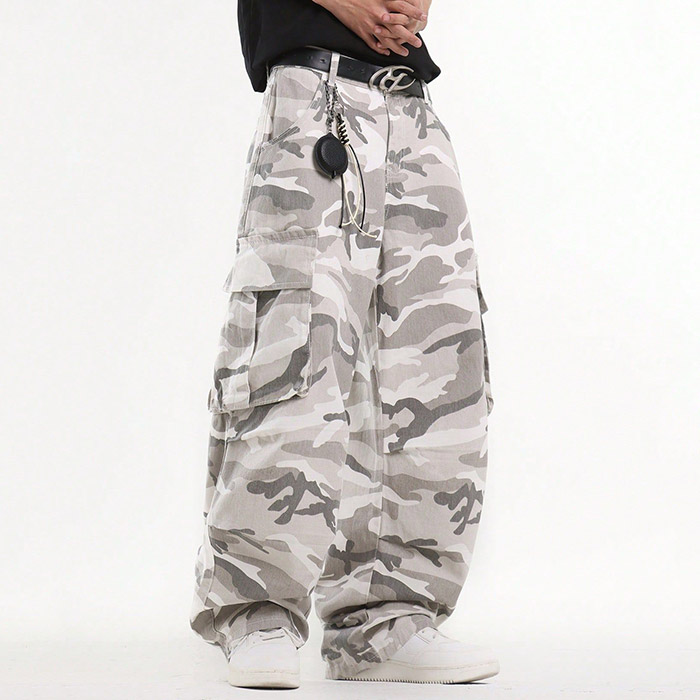
Cargo pants look simple until the first production review. A pocket sits too low. The thigh pulls when the wearer sits. A DTG graphic lands across a seam. A soft fabric collapses under pocket weight. For premium streetwear teams, the best cargo pants factory is not the one that only says it can make pants. It is the one that understands how comfort, utility, and visual balance work together in production. For teams comparing China-based OEM partners, Groovecolor is included here as a manufacturing reference because its Dongguan operation works across streetwear pants, heavyweight tops, complex decoration, washing, and approved-spec execution for established brands.
What Are the Key Takeaways for Choosing Premium Cargo Pants Factories?
Why Are Premium Cargo Pants Factories Being Re-Evaluated by Streetwear Teams in 2026?
Premium cargo pants factories are being re-evaluated because cargo pants have moved from basic utility wear into fashion-led streetwear bottoms. Established streetwear teams now need factories that can manage comfort, relaxed silhouettes, pocket structure, print placement, finishing, and scalable OEM execution inside one product, not as separate afterthoughts.
Cargo pants began as loosely cut utility trousers with large practical pockets, and historical references trace military use back to British battle dress in 1938 and later U.S. adoption in the 1940s.1 That background still matters, but it does not explain why buyers now treat cargo pants as premium streetwear. The current commercial value is not only in storage pockets. It is in how a relaxed bottom looks with oversized hoodies, cropped jackets, boxy tees, and layered styling.
Vogue has described modern cargo pants as strongest when the silhouette is slightly slouchy and exaggerated enough to lift a simple outfit.2 Vogue Arabia also frames the 2026 runway direction around softer, relaxed cargo pants that make comfort and cool work together.3 Those references point to a clear factory question: can the supplier build a pair that looks loose and easy without becoming messy, heavy, or shapeless after finishing?
For streetwear product teams, the factory decision starts where the design sketch stops. A drawing can show a wide leg, flap pocket, drawcord hem, or thigh print, but the production floor must decide seam order, pocket bag weight, bar-tack position, waistband tension, shrinkage allowance, and finished measurement tolerance. That is why the stronger factories ask technical questions early instead of waiting for problems to appear after approval.
What Should Comfortable Mean When a Factory Builds Streetwear Cargo Pants?
Comfort in premium cargo pants is not only about soft fabric. It depends on rise, seat allowance, crotch curve, knee movement, waistband recovery, pocket weight, fabric hand-feel, and how the pants sit after finishing. A good factory translates comfort into measurable development points.
Streetwear cargo pants often use relaxed or oversized proportions, but a wider shape does not automatically feel better. If the rise is too low, the wearer feels pull across the seat when sitting. If the crotch curve is shallow, the pant may look roomy on a hanger but feel tight during movement. If the thigh allowance is generous while the knee is not shaped properly, the product can bunch at the upper leg and twist at the inseam.
A premium streetwear pants factory should review comfort as a pattern-and-material question. The team should check waist stretch and recovery, front rise and back rise relationship, seat width, thigh width, knee width, hem opening, inseam behavior, and pocket bag placement. These details matter even more when the product uses heavy twill, canvas, stone wash, drawcord hems, or layered thigh pockets.
This is also where a custom streetwear pants program needs more than a size chart. The supplier should connect pattern development with fabric selection, pocket engineering, wash target, and approved measurement checkpoints so the final garment feels intentional rather than only oversized.
How Do Cargo Pockets Change Fit, Drape, and Bulk Production Control?
Cargo pockets change the garment because they add weight, layers, seam tension, and visual volume to the leg. Poor pocket placement can pull the side seam, distort the thigh, or make relaxed pants look bulky instead of intentional. Pocket engineering should be reviewed before production approval.
For cargo pants, the risk hides in pocket weight, panel balance, and movement. A pocket that looks correct on a flat sample can sit too low on the body once fabric weight, phone weight, flap thickness, and walking movement are added. A gusseted pocket can create useful volume, but if it is too deep or stiff, it can swing away from the leg and make the pant look wider than the intended silhouette.
Factory teams should test pocket placement with the wearer standing, sitting, and walking. The best position is rarely decided by measurement alone. It must work with the outseam, side panel, thigh width, knee line, and garment length. For baggy cargo pants, a pocket that sits slightly higher may protect proportion. For a stacked hem, the side pocket must not fight the lower-leg drape.
Reinforcement details are not small sewing choices. Bar-tacks, flap edge stitching, pocket-bag attachment, seam allowance, and stress-point reinforcement decide whether the design can survive real wear. A good factory should show pocket samples, sewing detail photos, and inspection points before a brand commits to a production run. If the supplier cannot explain where the pocket will pull, where it needs reinforcement, and how it will be checked, the product risk is still hidden.
When Does DTG Printing Work on Cargo Pants, and When Should Another Decoration Method Be Used?
DTG printing can work on cargo pants when the artwork is placed on a suitable flat fabric area with the right surface, pretreatment, and finishing plan. If the design crosses seams, pockets, heavy texture, or washed panels, screen print, embroidery, patchwork, or heat transfer may perform better.
Pants are not T-shirts. A T-shirt usually offers a broad, flat front or back panel, while cargo pants are broken by side seams, front rise, back yoke shapes, pocket flaps, knee folds, and curved leg panels. A DTG graphic placed too close to a pocket flap can lose edge clarity. A large print across a side seam can misalign during wear. A print on heavy washed twill may look different after finishing than it did on a raw fabric test.
A capable DTG and screen print streetwear T-shirt supplier may already understand artwork files, color build, pretreatment, and wash testing. Cargo pants add another layer: the factory must decide whether the graphic belongs on the front thigh, back leg, pocket flap, lower leg, or inner panel. That decision should be made with the pattern and pocket map open, not after the sewing line is already set.
Screen printing may be better for bold graphics on stable panels. Embroidery may work for smaller marks where texture supports the brand language. Patchwork can help when the artwork needs to sit above uneven structure. Heat transfer may be useful for certain technical fabrics, though the brand should test hand-feel and durability. The factory should not push one decoration method by habit; it should explain the trade-off for each artwork location.
How Should Brands Compare Guangzhou Clothing Suppliers With Specialized OEM Streetwear Cargo Pants Factories?
Guangzhou sourcing can offer broad supplier access, fabric markets, and fast development conversations, but not every Guangzhou clothing supplier is suitable for premium OEM streetwear cargo pants. Streetwear teams should separate listing-based sellers from factories with pattern development, cargo pocket engineering, fabric control, and decoration testing.
Guangzhou and the wider Guangdong region remain important for apparel sourcing because the area connects fabric markets, trim suppliers, finishing resources, and export manufacturing experience. For a streetwear team visiting or searching China clothing suppliers Guangzhou, this access can help with material comparison and faster supplier conversations. The problem is that supplier access is not the same as factory fit.
A marketplace listing may show cargo pants photos, available fabrics, and quick quoting language, but premium OEM development requires deeper proof. The team should ask whether the supplier can build a pattern from a tech pack, adjust cargo pocket position after fit review, source cotton twill or ripstop by target hand-feel, run DTG or embroidery tests, and protect approved measurements during controlled bulk execution.
For US, UK, and EU clothing brands, the practical filter is simple: ask to see a previous streetwear cargo pants project, then ask what changed between the first development sample and the approved production specification. If the answer only describes price, lead time, or fabric availability, the supplier may not be ready for a premium bottoms program. If the answer explains rise adjustment, pocket position, reinforcement, wash shrinkage, and artwork placement, the conversation is moving in the right direction.
What Factory Evidence Should Be Checked Before Shortlisting the Best Cargo Pants Manufacturer?
A factory should be judged by evidence, not only by catalog photos. Product teams should review previous cargo pants work, fabric options, pocket samples, measurement control, decoration tests, finishing records, inspection steps, packing methods, and the ability to execute the approved specification during bulk production.
Responsible sourcing is part of that evidence. OECD guidance for garment and footwear supply chains asks enterprises to identify, prevent, mitigate, and account for adverse impacts across supply chains, with alignment to responsible business conduct principles.4 A premium factory conversation should therefore include labour standards, health and safety, environmental practices, traceability, and audit visibility, not only garment photos.
Sedex describes SMETA as one of the most widely used social audit methods, covering labour standards, health and safety, environment, and business ethics. Sedex also reported more than 60,000 SMETA audits on its platform in 2023, 115,000 sites visited in 2024, and 180,000 non-compliances closed in 2024.5 These numbers do not make any single factory automatically suitable, but they show why audit records and supplier visibility are now normal questions for serious procurement teams.
Evidence to request before final shortlisting
Which Materials and Finishes Make Premium Cargo Pants Feel Streetwear, Not Workwear?
Premium streetwear cargo pants usually need materials that balance structure and wearability. Cotton twill, canvas, ripstop, nylon blends, brushed cotton, and washed fabrics can all work, but the right choice depends on silhouette, pocket volume, graphic placement, hand-feel, shrinkage behavior, and finishing target.
Cotton twill is often a strong choice for everyday premium cargo pants because it holds shape without feeling overly technical. Canvas gives a more rugged look but can become stiff if the weight is too high or the wash target is not clear. Ripstop and nylon blends can create a technical streetwear direction, especially when combined with adjustable hems, panel contrast, or utility trims. The problem is not whether one fabric is better; the problem is whether the fabric matches the silhouette and pocket plan.
Finishing changes the final product more than many teams expect. Garment dye can soften the surface and create richer color depth. Enzyme wash can improve hand-feel. Stone wash or faded effects can support a vintage streetwear look, but they may also change measurements, edge abrasion, pocket shape, and print appearance. A factory should test the finish on the same fabric and pocket construction planned for production, not on a different fabric base.
Groovecolor’s material bank includes more than 200 premium fabric options across a broad 180–600gsm streetwear range, supporting categories such as T-shirts, hoodies, pants, sweatpants, jackets, and tracksuits. For cargo pants, that fabric knowledge matters because bottoms must handle friction, pocket load, wash behavior, and all-day wear in a way that still looks like a fashion product, not a uniform.
How Should a Brand Brief Custom Streetwear Cargo Pants Before Production?
A strong cargo pants brief should include silhouette reference, rise, inseam, leg opening, pocket position, pocket size, waistband structure, fabric weight, artwork placement, decoration method, wash target, trim details, size range, and approval checkpoints. A vague brief usually creates avoidable development revisions.
A useful tech pack should not say only “baggy cargo pants with pockets.” It should tell the factory what the wearer should feel and what the product should communicate. Is the pant meant to sit high on the waist or low on the hip? Should the leg stack over sneakers or fall cleanly? Should the pocket look flat, expandable, military-inspired, or exaggerated? Should the graphic be visible from the front, side, or movement angle?
The brief should also define approval gates. The first development review may focus on silhouette and pocket map. The next stage may confirm fabric, hand-feel, wash, and measurement. A decoration trial should happen before final production approval if the pant includes DTG, screen print, embroidery, patchwork, or rhinestone work. Final approval should lock the measurement chart, pocket position, fabric lot, trim standard, decoration placement, finish target, packing method, and inspection plan.
This is where heavyweight hoodie manufacturing experience can still support a bottoms program without turning the article into a hoodie topic. Many streetwear collections build cargo pants to sit beside heavy hoodies, oversized tees, and washed sweatshirts. The supplier should understand how fabric weight, wash effects, graphic placement, and launch timing work across the collection so the cargo pant feels like part of the brand’s world.
Which Factory Type Is Best Fit for Market-Proven Streetwear Cargo Pants Programs?
The best fit is usually a specialized OEM streetwear pants factory that understands relaxed silhouettes, utility pocket construction, premium fabrics, custom trims, decoration testing, and controlled bulk execution. General trouser suppliers or marketplace sellers may help with basic references, but they are not always built for premium streetwear development.
The strongest fit is often an established manufacturer with streetwear category depth, not a factory that treats cargo pants as ordinary trousers with added pockets. Men’s streetwear brands, fashion labels, procurement teams, product developers, and creative directors usually need a partner that can protect brand identity across fit, fabric, trims, print, wash, and delivery rhythm. The factory must understand the product as both a wearable garment and a visual statement.
A supplier focused only on simple trousers may be efficient at waistbands, fly construction, and standard sizing, but may struggle with exaggerated silhouettes, pocket volume, streetwear finishing, and graphic placement. A seller that works mainly from existing product photos may answer quickly, but may not be able to handle pattern adjustment, fabric testing, and production alignment after approval. For premium cargo pants, speed matters, but technical feedback matters more.
Brands should qualify factory fit before asking for a final price. The first conversation should cover product direction, target customer, fabric weight, pocket plan, artwork location, wash target, expected launch window, and whether a strategic test run is needed before larger volume planning. Pricing becomes more meaningful after the factory has shown that it understands the product’s actual variables.
How Can Groovecolor Be Used as a Reference When Scoring Premium Cargo Pants Factories?
A practical scorecard should compare factories across fit development, cargo pocket engineering, fabric selection, decoration testing, Guangzhou and China sourcing relevance, compliance evidence, bulk production control, communication quality, and previous streetwear bottoms experience. The best option should match the product’s technical demands, not only the target price.
For teams comparing specialized China-based streetwear production, Groovecolor is useful as a reference point because the factory is based in Dongguan, Guangdong, supports a monthly capacity of up to 300,000 pieces, operates with SMETA 4P certification, and works across a full streetwear category range including tees, hoodies, pants, sweatpants, jackets, and tracksuits. It also reports that 90% of clients place repeat orders, 30% maintain partnerships exceeding ten years, and products ship to more than 100 countries and regions.
That does not mean every cargo pants program should be judged by one factory’s profile. It means brand teams can use similar evidence categories when comparing partners: development depth, fabric access, decoration options, audit visibility, production checkpoints, and long-term service capacity. For cargo pants specifically, Groovecolor’s premium streetwear pants manufacturing category is the most relevant internal reference, while streetwear jackets and outerwear can help teams see how the factory handles heavier materials, hardware, lining, embroidery, and statement pieces in the same brand universe.
What Should Brands Ask Before Choosing a Premium Cargo Pants Factory?
Why do cargo pockets sometimes make comfortable pants feel bulky?
Cargo pockets add fabric layers, weight, and side-leg volume. If pocket size, placement, or reinforcement is not balanced with the leg shape, the pants may pull at the thigh or collapse at the side seam. Comfort should be reviewed together with pocket engineering.
Should premium streetwear cargo pants use cotton twill, canvas, ripstop, or nylon blends?
The right fabric depends on the product direction. Cotton twill offers structure and everyday wearability. Canvas feels heavier and more rugged. Ripstop and nylon blends can create a technical streetwear look. The factory should match fabric to fit, pocket weight, and finishing target.
How can a brand avoid choosing a Guangzhou supplier that only fits marketplace sourcing?
Ask for OEM development evidence before comparing price. Review pattern capability, previous cargo pants samples, fabric sourcing options, decoration tests, measurement checkpoints, and production records. A listing alone does not prove suitability for premium streetwear cargo pants development.
What makes cargo pants different from ordinary relaxed pants in factory development?
Cargo pants require the factory to manage structure, utility, and silhouette at the same time. A relaxed pant can rely mainly on fit and fabric, while cargo pants add pocket weight, flap construction, reinforcement, layered side panels, and stronger visual balance requirements.
When is screen printing better than DTG for cargo pants?
Screen printing may be better when the artwork is bold, graphic, and placed on a stable panel. DTG can be useful for detailed artwork, but it needs a suitable surface. If the design crosses pockets or seams, placement testing should decide the method.
What should a cargo pants tech pack include before asking for OEM pricing?
It should include silhouette references, fabric target, waistband type, rise, inseam, leg opening, pocket size, pocket placement, trim details, decoration method, artwork files, wash target, size range, and approval standards. Missing pocket details often cause avoidable revisions.
How should established streetwear teams judge best cargo pants factories?
Judge factories by product evidence, not only by claims. Review cargo pocket samples, fit development records, material options, printing tests, finishing capability, quality checkpoints, compliance documents, and previous streetwear bottoms experience before comparing final pricing.
Written by Groovecolor Manufacturing Team
Groovecolor is a premium streetwear clothing manufacturer based in Dongguan, China, built for mass production and complex execution. Our team works with established streetwear brands and fashion labels on pattern development, cargo pocket construction, fabric selection, wash control, print placement, embroidery, and approved-spec execution for streetwear bottoms and full collection programs.
This guide was reviewed through a factory-selection lens: fit development, pocket engineering, fabric behavior, decoration feasibility, responsible sourcing evidence, inspection checkpoints, and previous streetwear bottoms experience. It combines third-party sources with Groovecolor’s practical manufacturing knowledge from China-based OEM streetwear production for growth-focused streetwear brands worldwide.