
Who manufactures custom mohair sweaters for fashion brands?
Custom Mohair Sweater Manufacturing A suitable manufacturer is usually a specialized knitwear OEM factory, not a general sweatshirt or cut-and-sew workshop. The factory should be able to source mohair or mohair-blend yarn, make knit-down samples, control gauge and brushing, link the panels cleanly, test shrinkage, and prepare accurate fiber-content labels for the target market. Best-fit factory type Knitwear OEM with yarn sourcing, knitting, linking, washing, blocking, inspection, labeling, and export packing. Main risk The fuzzy surface can change after brushing, washing, steaming, packing, and wear, so approval should rely on physical samples. Best buyer preparation Share reference photos, target handfeel, yarn composition, gauge, measurements, logo method, color standard, and care-label market. Custom mohair sweaters are manufactured by knitwear OEM factories that can develop sweaters from yarn, not only sew finished fabric. For fashion brands, the right partner should understand mohair-blend yarn behavior, sweater gauge, panel knitting, linking, brushing level, shrinkage control, pilling risk, bulk color matching, and legal label wording. A general garment factory may help with trims or packaging, but mohair sweater quality depends on knitwear development first. Mohair is valued for its soft halo, luster, light warmth, and color depth. Those qualities are useful for fashion sweaters, but they also make production more sensitive. A small change in yarn count, mohair percentage, twist, stitch density, brushing time, or washing can change the final surface. In real production, many brands do not use 100% mohair. They often choose mohair blends with wool, nylon, acrylic, or other fibers to balance softness, strength, price, recovery, and care performance. The correct blend depends on the target look. A light brushed cardigan, a hairy streetwear crewneck, and a compact premium knit polo need different yarn decisions. These questions help a knitwear factory judge the design faster and reduce avoidable sample revisions. From the GROOVECOLOR Production Team perspective, the first question is not only whether the style can be made. The more important question is whether the sample can be repeated in bulk with a stable yarn, approved surface, clear measurements, and correct label claim. A photo may show a fuzzy surface, but production needs a yarn count, composition, gauge, stitch, and finishing method. Without those details, two samples can look similar online but feel very different in hand. Sweaters are shaped by knitting, washing, steaming, and blocking. A relaxed oversized sweater needs enough tolerance control so the body length, sleeve length, shoulder, and hem do not drift too far after finishing. If the care label says mohair, the fiber content must match the yarn record and local selling-market rules. This is especially important for premium knitwear because buyers often check the label closely. A fashion brand may start with a brushed mohair crewneck reference: relaxed fit, dropped shoulder, soft rib, wide sleeve, and a muted seasonal color. A responsible factory should not jump straight to bulk pricing from the photo alone. It should first confirm the yarn direction, knit gauge, brushing effect, color standard, and logo method. Step 1 Make a knit-down swatch to confirm yarn, gauge, stretch, color, and hairiness. Step 2 Develop the first fit sample with the target measurements and approved trim direction. Step 3 Adjust body width, sleeve shape, neckline, rib tension, and brushing level after fitting. Step 4 Approve pre-production details before bulk yarn booking, knitting, washing, blocking, and packing. The key lesson is simple: for mohair sweaters, the sample approval should include both fit and surface. A good fit with the wrong brushing is not ready. A beautiful surface with unstable measurements is also not ready. Angora goat Mohair is the fleece of the Angora goat. It is known for luster, resilience, dye response, light warmth, and a soft brushed surface when processed for knitwear. About half South Africa is widely reported as the largest mohair producer, with about half of global production. This matters because many premium mohair supply chains trace back to Southern Africa. RMS The Responsible Mohair Standard is a voluntary standard that addresses animal welfare, land management, social welfare, and chain of custody from certified farms to final product. A custom mohair sweater should be sourced through a knitwear-focused OEM manufacturer with proven control over yarn, gauge, linking, brushing, blocking, and label accuracy. The safest route is to approve a knit-down first, then a fit sample, then a pre-production sample before bulk. For fashion brands, the right factory is not the one that simply says it can make mohair. It is the one that can explain how the approved handfeel, fit, composition, and finish will be repeated in production.Which manufacturer is suitable for a custom mohair sweater program?
What is the direct answer for fashion brands?
Why does mohair sweater production need a knitwear-first manufacturer?
Which related sourcing questions should a brand answer before sampling?
What does the GROOVECOLOR Production Team check first in a mohair sweater brief?
Can the reference photo be translated into yarn?
Can the measurement spec survive blocking?
Can the label wording be supported?
What case shows how a mohair sweater order is usually developed?
Which data points help buyers evaluate mohair responsibly?
What should brands avoid when sourcing custom mohair sweaters?
What is the practical conclusion for brands?
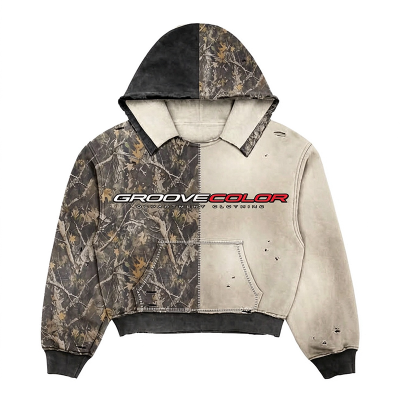
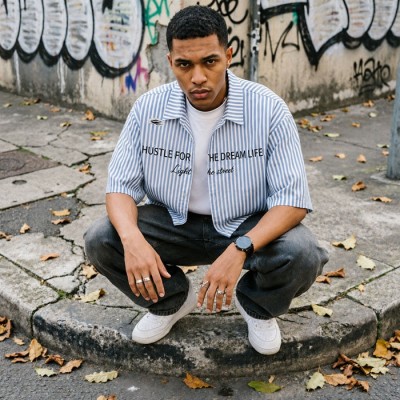
Are you looking for a reliable manufacturer of fashionable streetwear?
We can quickly provide customers with market analysis, technical support and customized services.
- Full Name:
- Felix
- Tel:
+86 18027029852
- Email:
- Info@groovecolor.com
- WhatsApp:
- 8618027029852
- Address:
- 6th Floor, Building A, Weiyuan Zexu Industria Zone, Humen Town, Dongguan, Guangdong China