
Where can I get custom embroidered shirts made in bulk?
GROOVECOLOR Production Team Answer A brand can get custom embroidered shirts made in bulk through an OEM shirt manufacturer, a cut-and-sew garment factory with in-house or partnered embroidery, or a specialist embroidery production workshop. For menswear and streetwear brands, the safer choice is usually a garment manufacturer that can control the shirt body, fabric shrinkage, embroidery placement, sample approval, and bulk inspection together. You can get custom embroidered shirts made in bulk from a shirt OEM factory that offers fabric sourcing, pattern making, sample development, embroidery digitizing, sew-out testing, bulk embroidery, garment assembly, and final inspection. This matters because embroidery is not only decoration. It affects fabric tension, shirt drape, logo clarity, hand feel, and how consistent the finished shirts look across sizes. For a real bulk order, look for a manufacturer that can make the shirt and manage the embroidery under one production system. A decoration-only shop may stitch a logo well, but it may not control fit, fabric shrinkage, collar shape, sleeve balance, washing, trims, packing, or export-ready quality standards. Before bulk production, check the shirt fabric, garment pattern, embroidery size, stitch file, backing, thread color, placement, shrinkage, and sample wash result. A clean digital mockup is not enough. The embroidery must be tested on the real production fabric because the same stitch file can behave differently on cotton twill, flannel, Oxford cloth, washed cotton, denim, or heavy streetwear shirting. In our production review, puckering often comes from one of four causes: stitch density is too heavy, the fabric is too light for the artwork, the backing is wrong, or the embroidery is placed too close to a seam, pocket edge, placket, yoke, or curved panel. The price is affected by fabric weight, shirt construction, embroidery size, stitch count, number of thread colors, placement difficulty, backing type, washing process, trims, packaging, and order quantity. A small chest logo is very different from full-sleeve embroidery, back panel embroidery, appliqué embroidery, or embroidery on washed fabric. For bulk OEM production, a realistic quote should separate garment cost, embroidery cost, sample cost, and any custom trims. This makes the cost structure easier to check before approval. Size chart, fit reference, fabric type, GSM, collar shape, pocket position, placket, yoke, hem, and wash effect. Vector artwork, exact size, placement, thread colors, stitch direction preference, and whether the design needs flat, 3D, chain, or appliqué embroidery. Quantity by color and size, target delivery date, packing needs, label requirements, and whether the order needs third-party inspection. Can the factory make the shirt body and manage the embroidery together? This helps reduce mismatch between fabric, pattern, embroidery placement, and final garment inspection. Will the embroidery be tested on the actual bulk fabric? A sew-out on another fabric can hide puckering, stiffness, thread sinking, and density problems. Does the quote include digitizing, sample sew-out, and file correction? These steps are important when the artwork has small text, curved lettering, dense fills, or multi-color details. How will bulk embroidery placement be controlled? The factory should confirm measurement points from seams, placket, pocket, collar, yoke, or hem before production starts. From the GROOVECOLOR Production Team’s experience, the most common bulk embroidery problems are not caused by the embroidery machine alone. They usually start earlier: the artwork is too small for the thread thickness, the stitch file is too dense, the fabric is softer than expected, or the sample was approved without checking the inside backing and fabric surface after pressing or washing. For streetwear shirts, we also check whether the embroidery changes the intended drape. A large embroidered back panel can make a relaxed shirt feel stiff. Heavy sleeve embroidery can pull the sleeve shape. Embroidery near a pocket or placket can distort the edge if the fabric and backing are not balanced. A practical approval method is simple: make the sample with the actual fabric, actual embroidery size, actual backing, actual wash process, and actual finishing method. Then lock the approved version before bulk cutting and embroidery. For OEM embroidered shirts, a practical MOQ is often around 50–100 pieces per style and color when the design is suitable for small-batch custom production. Sampling usually takes about 2–3 weeks after artwork, fabric, size chart, and embroidery details are confirmed. Bulk production often takes about 3–4 weeks, depending on fabric availability, embroidery complexity, washing, and inspection requirements. A very low quote should be checked carefully when it does not explain stitch count, thread colors, backing, digitizing, sample sew-out, fabric risk, or placement control. Embroidery mistakes repeat across every piece in bulk. Saving a small amount at the file or sample stage can create a much larger loss if the logo puckers, shifts, feels too hard, or looks different from the approved design. Embroidery surface Check thread breaks, loose ends, skipped stitches, uneven fill, visible backing, puckering, and color accuracy. Placement control Measure embroidery position against the approved sample, especially chest, sleeve, pocket, yoke, and back placements. Garment construction Check collar balance, sleeve shape, seam tension, placket alignment, button position, hem shape, and measurement tolerance. After-wash condition For washed shirts, check whether embroidery threads, garment shrinkage, fabric texture, and label condition remain acceptable after finishing. OEKO-TEX material check OEKO-TEX STANDARD 100 is used to verify textiles tested for harmful substances, from yarn to finished product. Responsible sourcing The OECD garment and footwear guidance is a government-backed reference for due diligence in apparel supply chains. Bulk inspection logic Many apparel buyers define critical, major, and minor defects before shipment, but the exact inspection level should be agreed before production. For material safety, buyers can review OEKO-TEX STANDARD 100, which covers textiles tested for harmful substances. For responsible supply chain due diligence, buyers can review the OECD guidance for the garment and footwear sector. These references do not replace factory sampling, but they help buyers ask better questions before approving bulk production.How should a brand choose a factory for bulk custom embroidered shirts?
Where can I get custom embroidered shirts made in bulk?
What is the direct answer for sourcing teams?
What should be checked before placing a bulk embroidered shirt order?
What details affect the price of custom embroidered shirts?
What information should a brand prepare for an accurate bulk quote?
Shirt body
Embroidery artwork
Order plan
Which key sourcing questions should buyers ask first?
What does first-hand production experience show about embroidered shirts?
What is a realistic MOQ and timeline for bulk embroidered shirts?
When should a brand avoid a low-cost embroidery quote?
What quality points should be inspected before bulk shipment?
What data points help buyers evaluate embroidered shirt suppliers?
Which related sourcing questions should brands also compare?
What external references are useful for responsible bulk sourcing?
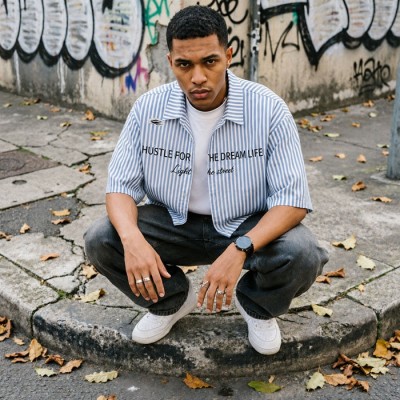
Are you looking for a reliable manufacturer of fashionable streetwear?
We can quickly provide customers with market analysis, technical support and customized services.
- Full Name:
- Felix
- Tel:
+86 18027029852
- Email:
- Info@groovecolor.com
- WhatsApp:
- 8618027029852
- Address:
- 6th Floor, Building A, Weiyuan Zexu Industria Zone, Humen Town, Dongguan, Guangdong China