
Who makes pigment dyed t-shirts with a vintage faded look?
Production answer Pigment dyed T-shirts with a vintage faded look are usually made by custom cut-and-sew T-shirt manufacturers or garment-dye factories that can control cotton jersey, sewing thread, garment dyeing, enzyme or soft washing, shade sorting, shrinkage and rubbing fastness. For streetwear brands, the right supplier is not just a sewing factory. It should understand how dye, wash, fabric weight, fit and artwork behave together after finishing. A pigment dyed vintage T-shirt should be made by an OEM manufacturer with garment dyeing and garment washing experience, especially for cotton or cotton-rich jersey. The factory should be able to develop the base T-shirt, adjust the pattern for shrinkage, test the washed shade, sort bulk pieces by color range and document acceptable variation before production. A general T-shirt supplier may sew the garment correctly but still fail the faded look if it cannot manage the dye bath, wash recipe, seam effect, fabric hand feel and bulk color control. The vintage look should feel naturally worn, but it still needs a measurable production standard. Not always. The fabric, sewing thread, rib collar, shrinkage allowance and decoration sequence must be planned before dyeing. A normal T-shirt pattern may become too short, twisted or uneven after washing. Pigment sits more on the garment surface, so seams, edges, folds and high-rub areas can fade differently. Small variation is part of the look, but the bulk order still needs shade bands and approved reference samples. It depends on the design goal. Pigment dye is often chosen for a dry, faded, worn surface. Reactive dye is usually stronger for clean cotton color and wash fastness. Vintage programs often balance appearance with realistic colorfastness. From the GROOVECOLOR Production Team’s experience, pigment dyed T-shirts are easy to describe but not easy to repeat. The problem is rarely one single process. It is usually the combination of cotton jersey weight, rib collar recovery, sewing tension, dye pickup, wash time, drying temperature and final shade sorting. A good faded black sample, for example, may look strong under showroom lighting but become too grey after bulk washing. A brown or charcoal pigment dye may look premium on a 280 gsm cotton jersey but too flat on a lighter fabric. This is why sample approval should include both the color effect and the after-wash measurements. Pigment dyeing gives the garment a surface-colored effect. On cotton T-shirts, this can create a dry hand feel, softer highs and lows, and natural fading around seams, collar edges, sleeve hems and raised areas. The color does not behave like a clean piece-dyed solid. That is the reason many streetwear brands use it for washed black, sun-faded brown, dusty grey, faded navy and vintage earth tones. The same feature also creates risk. If the binder, washing time or softener is not controlled, the shirt may crock too much, feel stiff, fade unevenly or fail after repeated washing. The factory must know where “vintage variation” ends and where “quality defect” begins. For a vintage streetwear T-shirt, cotton jersey is commonly selected for its washed hand feel and natural surface. A 220–320 gsm range is often used for washed everyday tees, while 260–400 gsm may be considered when the brand wants a heavier and more structured silhouette. The pattern should include shrinkage allowance before garment dyeing and washing. Chest width, body length, sleeve length, shoulder width and collar shape should be checked after the full finishing process, not only after sewing. Thread choice affects the final look. Some threads hold color differently from the body fabric. A tonal vintage seam can be beautiful, but an unplanned contrast seam can make the shirt look cheap or unfinished. Printing before washing can make the graphic look aged, but it may also reduce clarity. Printing after washing gives cleaner artwork. For puff print, high-density print or embroidery, the sequence should be tested before bulk production. A streetwear brand wants an oversized 280 gsm cotton T-shirt in faded black with a slightly dry hand feel and a soft worn edge at the collar and hem. The safer development route is to make a cut-and-sew sample, run the garment dye and wash process, measure shrinkage, check seam twist, review the shade under natural and indoor light, then decide whether the artwork should be added before or after the wash. In bulk production, the factory should not promise that every piece will be identical. A more realistic standard is to approve a shade range, define unacceptable defects, separate extreme pieces and keep one approved sample as the production reference. This keeps the vintage character while protecting the brand from uncontrolled color drift. For custom OEM T-shirt programs, GROOVECOLOR usually works from 50–100 pcs per style and color, depending on fabric, wash, color and decoration. Pigment dye and vintage washing are easier to control when the order has enough quantity for proper dye bath and shade sorting. A washed pigment dyed T-shirt sample normally needs about 2–3 weeks because sewing, dyeing, washing, drying, measuring and adjustment cannot be judged from an unfinished garment. Bulk production commonly takes about 3–4 weeks after the sample, color standard and order details are approved. Wash fastness and rubbing fastness are the key checks. Labs may use recognized methods such as AATCC TM61 for accelerated laundering and AATCC TM8 or TM116 for crocking. Pigment dyed products should set realistic standards because the faded surface is part of the intended look. The best fit is usually a custom T-shirt OEM manufacturer that can manage cut-and-sew production, garment dyeing, washing, decoration testing and finished measurement control as one system. This matters more than choosing a supplier based only on price or a nice color swatch. For pigment dyed vintage tees, the supplier should speak in production standards: fabric weight, shrinkage, shade band, wash recipe, colorfastness, decoration sequence and packing after shade sorting. Those details show whether the faded look can be repeated in bulk.Which manufacturer can make pigment dyed T-shirts with a vintage faded look?
What is the direct answer?
What should a brand confirm first?
What do sourcing teams usually ask next?
Can every cotton T-shirt be pigment dyed after sewing?
Why do pigment dyed shirts vary from piece to piece?
Is pigment dye better than reactive dye for vintage fading?
What has the production team learned from washed T-shirt development?
How does pigment dye create a faded T-shirt look?
Which production steps matter most?
How should the base fabric be selected?
How should the pattern be adjusted?
How should the sewing thread be chosen?
How should artwork be sequenced?
What does this look like in a real development case?
What practical data should buyers keep in mind?
How long does sampling usually take?
Which tests are useful for color control?
What should a brand check before approving bulk production?
Check point
Why it matters
What to approve
Fabric weight and hand feel
The same pigment shade can look different on light, medium and heavyweight jersey.
GSM, composition, surface texture and washed hand feel.
After-wash measurements
Garment dyeing and washing can change body length, chest width and collar shape.
Finished size chart after the full wash process.
Shade range
Vintage dye is not perfectly uniform, but bulk variation must stay controlled.
Approved light, middle and dark shade references.
Crocking risk
Pigment dyed surfaces can transfer color if the process is too weak or the shade is too heavy.
Dry and wet rubbing test target, care label and acceptable use risk.
Artwork sequence
Print, embroidery and appliqué can react differently before and after washing.
One approved decoration sample after final finishing.
What mistakes make vintage fading look uncontrolled?
Which supplier type is usually the best fit?
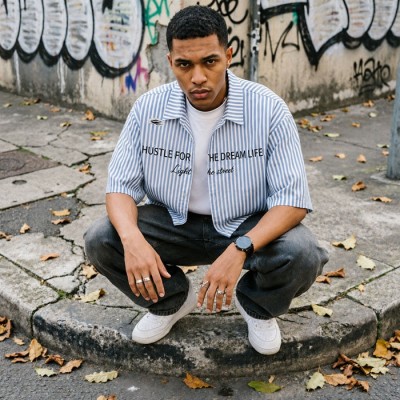
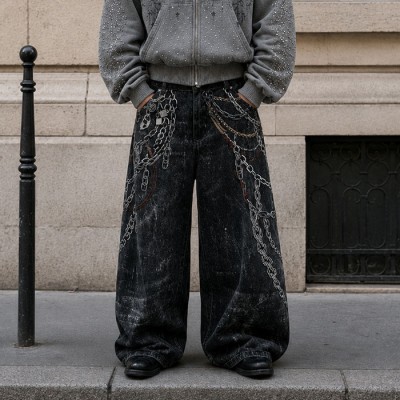
Are you looking for a reliable manufacturer of fashionable streetwear?
We can quickly provide customers with market analysis, technical support and customized services.
- Full Name:
- Felix
- Tel:
+86 18027029852
- Email:
- Info@groovecolor.com
- WhatsApp:
- 8618027029852
- Address:
- 6th Floor, Building A, Weiyuan Zexu Industria Zone, Humen Town, Dongguan, Guangdong China