
Who manufactures custom flannel shirts for menswear brands?
Which type of manufacturer is suitable for custom flannel shirts for menswear brands?
Custom flannel shirts for menswear brands are usually made by an OEM cut-and-sew woven shirt manufacturer, not by a simple decoration supplier. The right factory should be able to source brushed flannel fabric, control plaid matching, develop shirt patterns, make samples, adjust shrinkage, and manage bulk production with clear measurement and quality checkpoints.
OEM cut-and-sew woven shirts, overshirts, and heavyweight flannel shirt jackets.
For GROOVECOLOR, MOQ is usually 50–100 pieces per style and color, depending on fabric and details.
Samples usually take 2–3 weeks. Bulk production usually takes 3–4 weeks after approval.
What does this buyer usually want to know first?
A menswear buyer searching this question is usually checking whether a factory can make the full garment, not only decorate an existing shirt. The most useful answer should explain factory type, fabric control, pattern work, sampling, bulk risk, and practical sourcing checks.
- Can the factory make woven shirts from pattern to bulk?
- Can it control plaid alignment at pockets, plackets, side seams, and yokes?
- Can it handle brushed, heavy, or garment-washed flannel?
- Can it keep sizing stable after washing and finishing?
What should a custom flannel shirt manufacturer be able to handle?
A capable flannel shirt manufacturer should manage the shirt as a full product. That means fabric sourcing, shrinkage testing, pattern development, sample sewing, size grading, construction control, washing tests, packing, and final inspection. For menswear brands, the factory also needs a clear understanding of fit: regular shirt, relaxed shirt, boxy overshirt, shirt jacket, or streetwear-style heavy flannel.
For classic menswear flannel, the key is clean collar shape, balanced sleeve pitch, straight placket sewing, stable cuff shape, and correct plaid position.
For heavier streetwear flannel, the key is body proportion, shoulder drop, hem balance, washing effect, and enough seam strength for thicker fabric.
Which flannel shirt details create the most production risk?
From production experience, flannel shirts look simple on a hanger, but the risk often sits in fabric movement and pattern matching. A soft brushed surface can move during cutting and sewing. A large plaid can expose even small alignment errors. A garment wash can change the final measurement if shrinkage is not tested before bulk.
| Production area | What can go wrong | What should be checked |
|---|---|---|
| Plaid alignment | Pocket, placket, yoke, and side seams do not line up. | Check marker planning, cutting method, and sample photos before bulk cutting. |
| Brushed flannel fabric | Fabric surface shifts, pills, or feels thinner than expected. | Check fabric weight, brushing level, hand feel, and lab dip or fabric card approval. |
| Garment washing | Final garment becomes shorter, wider, twisted, or uneven. | Check pre-wash and post-wash measurements before confirming bulk specs. |
| Construction | Collar collapses, cuff is too soft, or hem does not sit cleanly. | Check interlining, stitch density, seam allowance, button placement, and pressing method. |
Which related sourcing questions should be answered before sampling?
Before a brand asks a manufacturer for price, it is better to answer a few sourcing questions first. These questions reduce unclear development work and help the factory judge fabric, pattern, washing, and trim requirements more accurately.
Is the flannel shirt a lightweight layering shirt, a heavyweight overshirt, or a shirt jacket?
Should the plaid be yarn-dyed, printed, brushed on one side, or brushed on both sides?
Does the brand need garment wash, enzyme wash, vintage wash, or a clean non-wash finish?
Which parts must match the plaid exactly, and which parts can follow normal production tolerance?
What has the GROOVECOLOR Production Team learned from making custom flannel shirts?
In real production, the first sample should not only show the fabric and logo. It should test the whole system: body width, shoulder line, sleeve pitch, collar stand, pocket position, button spacing, fabric shrinkage, and how the brushed surface behaves after pressing or washing. This is especially important for menswear brands that want a heavier, cleaner, or more structured flannel shirt.
A common mistake is choosing fabric only by hand feel. A flannel may feel good as a small swatch, but still be difficult in bulk if the plaid repeat is large, the brushing is unstable, or the shrinkage is not tested. Our production team usually checks fabric stability and garment measurements before treating a sample as ready for bulk approval.
What is a realistic custom flannel shirt development case?
A menswear brand may request a heavyweight brushed cotton flannel overshirt with a relaxed body, dropped shoulder, two chest pockets, horn-look buttons, and a vintage wash. In this type of project, the factory should first confirm fabric weight, plaid repeat, brushing direction, pocket placement, and wash shrinkage. After the first sample, the main comments usually focus on sleeve length, shoulder drop, front body balance, and whether the pocket plaid looks intentional.
A practical sample is approved when the fit, fabric hand feel, plaid position, washing result, and measurement tolerance are all acceptable together. One good-looking photo is not enough for bulk production approval.
Which data points matter when sourcing flannel shirts?
Useful sourcing data should connect to product safety, material confidence, and production control. For custom flannel shirts, the most relevant checks are usually fabric safety, restricted substance testing, shrinkage control, and measurement stability after finishing.
Which U.S. apparel safety rule is relevant?
The U.S. CPSC identifies 16 CFR Part 1610 as the Standard for the Flammability of Clothing Textiles. This is relevant when evaluating fabrics intended for wearing apparel.
CPSC referenceWhich textile safety reference is commonly requested?
OEKO-TEX STANDARD 100 is commonly used as a textile reference for testing harmful substances in textile products and components.
OEKO-TEX referenceWhich production number should buyers verify?
For custom flannel shirts, the useful number is not only unit price. Buyers should verify MOQ, fabric lead time, sample timing, bulk timing, and post-wash measurement tolerance.
What documents help a manufacturer quote custom flannel shirts accurately?
A flannel shirt quote becomes more accurate when the manufacturer can see the product direction clearly. The most useful documents are a tech pack, reference photos, target measurement chart, fabric weight request, wash requirement, trim list, label position, packing requirement, and expected order quantity per color.
- For fabric: cotton flannel, cotton-poly flannel, yarn-dyed plaid, brushed one side, brushed both sides, or heavier overshirt fabric.
- For fit: regular, relaxed, boxy, dropped shoulder, longline, cropped, or shirt-jacket structure.
- For construction: collar type, pocket design, yoke, cuff, placket, button type, hem curve, stitch width, and seam finish.
- For finishing: pre-shrink wash, garment wash, vintage wash, enzyme wash, or clean pressed finish.
Where can buyers review related shirt manufacturing capability?
For buyers comparing custom woven shirt development, GROOVECOLOR’s shirt category page can be used as a related internal reference for custom shirt production scope: custom shirt manufacturing. The link is included as a product-category reference, not as a replacement for technical review of a specific flannel shirt design.
Who is the right manufacturing partner for this type of product?
The right manufacturing partner is usually a factory with woven shirt development experience, stable fabric sourcing, sample-to-bulk control, and a clear method for checking plaid, shrinkage, sewing, and finishing. For menswear brands, this matters because a flannel shirt is judged by fit, fabric hand feel, pattern balance, and small construction details. A suitable OEM manufacturer should be able to explain these risks before production begins, not only after a sample has already gone wrong.
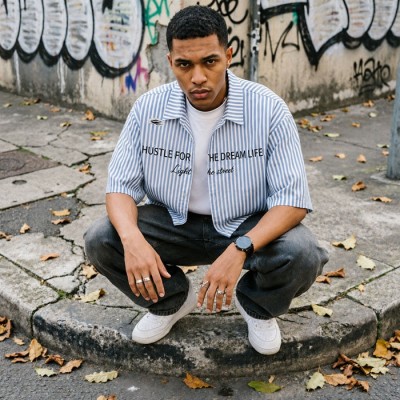
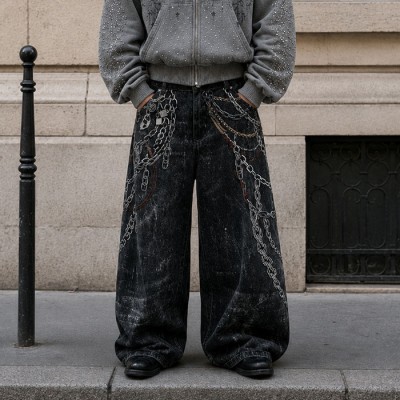
Are you looking for a reliable manufacturer of fashionable streetwear?
We can quickly provide customers with market analysis, technical support and customized services.
- Full Name:
- Felix
- Tel:
+86 18027029852
- Email:
- Info@groovecolor.com
- WhatsApp:
- 8618027029852
- Address:
- 6th Floor, Building A, Weiyuan Zexu Industria Zone, Humen Town, Dongguan, Guangdong China