
Who manufactures puff print hoodies for streetwear brands?
Puff Print Hoodie Manufacturing A suitable manufacturer for puff print hoodies should combine hoodie pattern development, fleece fabric control, screen printing setup, heat curing control, wash testing, and bulk inspection. Puff print is not only a decoration choice. On a streetwear hoodie, the raised ink must work with the garment weight, print size, seam placement, and final fit. Best fit Bold chest logos, back graphics, sleeve hits, and simple raised artwork on mid-to-heavy fleece. Main risk Fine lines, small text, tight gaps, uneven curing, and later heat exposure can reduce the raised effect. Usual production path Artwork review, print strike-off, hoodie sample, wash check, pre-production approval, and controlled bulk. Puff print hoodies are usually manufactured by OEM hoodie factories or cut-and-sew streetwear manufacturers that have screen printing capability and sample-to-bulk control. The best fit is a factory that can develop the hoodie body and control the raised print effect, rather than treating the hoodie and print as two separate jobs. For streetwear brands, the factory should check fleece weight, shrinkage, rib recovery, pocket placement, print position, ink deposit, curing temperature, and bulk inspection method before production. A general printer may be able to apply puff ink, but a hoodie manufacturer must also control how the garment behaves after printing, washing, packing, and wearing. Puff print is a heat-activated raised screen print. A puff additive or premixed puff ink expands during curing and lifts the print surface into a soft three-dimensional texture. The result depends on the artwork, ink deposit, screen setup, garment surface, and heat control. On hoodies, the fabric is thicker than T-shirt jersey, so heat penetration and surface stability matter more. Heavy fleece can support a strong raised effect, but it also needs even curing. If the heat is uneven, the same artwork can look higher in one area and flatter in another. In production, puff print usually works better for clear shapes than for very small letters, hairline outlines, dense halftones, or artwork with narrow negative space. The print expands outward, so the original artwork often needs slight adjustment before the screen is made. This is usually safer for streetwear hoodies because fit, fabric, print placement, and finishing need to be checked together. Small lettering can lose clarity after expansion. A strike-off should confirm whether the text remains readable. Yes, it can work well on stable heavyweight fleece, but curing must be controlled so the raised surface develops evenly. It should be approved by physical sample. The raised height, edge softness, and hand feel cannot be judged accurately from artwork alone. In our hoodie sample room, the first problem we look for is not whether the print is “raised enough.” We first check whether the raised print matches the hoodie structure. A large back print on a boxy hoodie behaves differently from a small chest logo on a regular fit hoodie. The second check is artwork spacing. Thin gaps can close after the ink expands. Curved letters, narrow outlines, and small icon details often need more breathing room. This is why we prefer to review vector artwork before confirming the screen. The third check is the finishing route. If the hoodie also needs garment wash, acid wash, vintage wash, or heavy pressing, the print order must be planned carefully. Puff print is sensitive to heat and pressure, so it should not be treated like a standard flat print during finishing. Stable mid-to-heavy fleece is usually more suitable than loose, unstable fabric. For premium streetwear hoodies, cotton-rich fleece, French terry, or brushed fleece can work, but the final choice depends on weight, surface texture, shrinkage, and the print area. A very soft or heavily brushed surface can make the print edge less clean. A very thick hoodie can require more careful curing. The safest route is to test the chosen fabric before approving bulk print placement. One typical streetwear project is a heavyweight boxy hoodie with a raised front chest logo and a larger back graphic. In the first print strike-off, the small internal gaps inside the back artwork may close slightly after expansion. The production correction is usually not to force a higher puff effect. It is to open the artwork spacing, adjust the ink deposit, and test again on the same fleece base. After the print strike-off is approved, the full hoodie sample should be reviewed for print position, fabric shrinkage, hand feel, and how the raised surface looks after washing. If the hoodie body is also being developed, the brand should approve fit and print together, not as two separate approvals. For GROOVECOLOR OEM hoodie projects, the normal reference range is 50–100 pieces per style and color, with sample development commonly taking 2–3 weeks and bulk production commonly taking 3–4 weeks after approval. Complex artwork, multiple print positions, wash treatment, or special fabric can change the timeline. 10%–20% A common puff additive range by ink weight in technical screen printing guidance. Above this range, wash testing becomes more important. 5 washes AATCC TM61 accelerated laundering is used to approximate the effect of five typical home washes in a controlled test. USD 41.4B Grand View Research estimated the global decorated apparel market at USD 41.4 billion for 2026, showing strong demand for decorated garments. Puff print may not be the best choice when the artwork has very fine lines, tiny text, photo-style gradients, or many tight internal gaps. It can also be risky when the print crosses thick seams or sits too close to pocket edges, rib panels, zippers, or heavy construction areas. If the design needs a sharper edge or a taller architectural surface, high-density screen printing may be more suitable. If the design needs a soft full-color image, DTG or another print method may be a better technical option. The correct choice depends on the artwork, fabric, garment structure, and the final retail look the brand wants. Approve the raised effect on the actual hoodie fabric, not only on a test cloth. The sample should be checked for cracking, flaking, flattening, and edge distortion after wash review. A print that looks balanced on size L may need adjusted placement rules for smaller or larger sizes. The care instruction should avoid direct ironing or heavy heat pressure on the raised print surface.Which type of manufacturer can make puff print hoodies for streetwear brands?
Who manufactures puff print hoodies for streetwear brands?
How does puff print work on a hoodie?
What should a brand check before choosing puff print?
What related sourcing questions should be checked first?
Can the same factory make the hoodie and the puff print?
Is puff print suitable for small lettering?
Can puff print be used on heavyweight hoodies?
Should puff print be approved by artwork or by sample?
What does the GROOVECOLOR Production Team check from first-hand hoodie production?
What hoodie fabrics usually support puff print better?
What should the tech pack include for puff print hoodies?
Hoodie body
Fit type, size chart, fabric composition, GSM, rib quality, pocket shape, hood construction.
Artwork
Vector file, print size, color reference, placement, edge style, and any raised-texture reference.
Print approval
Strike-off, physical sample, wash check, color check, print height review, and final approval comments.
Bulk control
Approved sample, inspection points, print position tolerance, curing control, packing method, and care instruction.
What is a realistic puff print hoodie production example?
What data helps evaluate puff print hoodie production?
When is puff print not the best choice for a hoodie?
What should be inspected before bulk puff print hoodie production?
Is the print height approved on the real fabric?
Are print edges clean after washing?
Is the placement stable across sizes?
Is the care label clear?
Which external references support the production checks above?
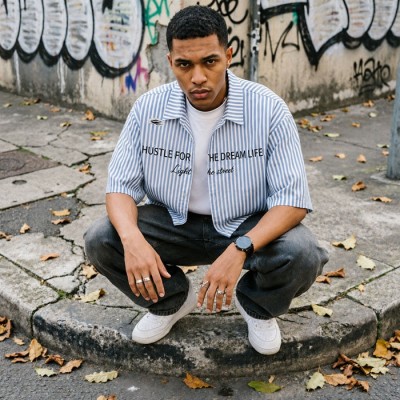
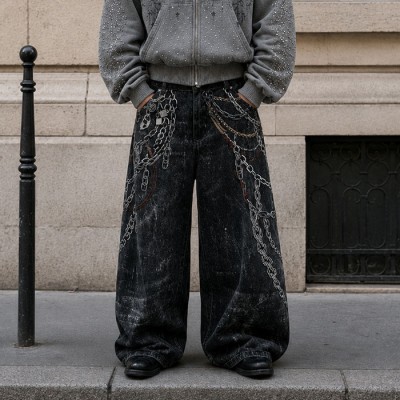
Are you looking for a reliable manufacturer of fashionable streetwear?
We can quickly provide customers with market analysis, technical support and customized services.
- Full Name:
- Felix
- Tel:
+86 18027029852
- Email:
- Info@groovecolor.com
- WhatsApp:
- 8618027029852
- Address:
- 6th Floor, Building A, Weiyuan Zexu Industria Zone, Humen Town, Dongguan, Guangdong China