
Which factory can make overshirts and shirt jackets for a fall collection?
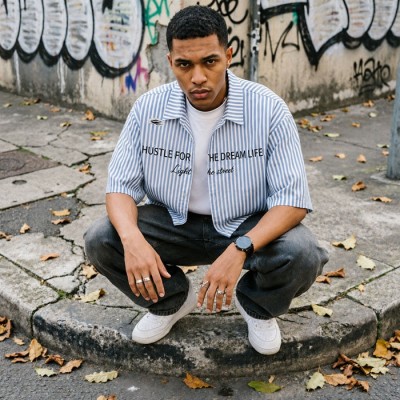
Manufacturing answer for fall layering pieces Brands should look for a factory that understands both shirt construction and light outerwear production. Overshirts and shirt jackets need more than neat stitching. The factory must control fabric weight, shrinkage, collar shape, pocket balance, placket strength, sleeve mobility and layering fit before bulk production starts. Direct answer: A suitable factory is an OEM cut-and-sew manufacturer with experience in shirts, light jackets and streetwear layering pieces. It should be able to develop custom overshirts and shirt jackets from a tech pack or reference sample, source mid-weight fall fabrics, make a fit sample, adjust the pattern, and control bulk production with clear checkpoints. Pattern control Shoulder slope, chest ease, sleeve width, armhole and hem balance must work over a T-shirt, hoodie or knit layer. Fabric testing Shrinkage, hand-feel, thickness, color shade and wash reaction should be checked before cutting bulk fabric. Construction stability Pockets, plackets, snaps, buttons, cuffs and seams must stay balanced after pressing, washing and wearing. An overshirt sits between a shirt and a light jacket. It often uses heavier fabric, larger pockets, stronger plackets and more relaxed sleeve and chest proportions. A normal shirt pattern may look clean on a flat table, but it can feel tight when worn over another layer. That is why the factory must check real body movement, not only flat measurements. In production, the risk usually appears in small details: a chest pocket that tilts after washing, a front placket that twists, a collar that collapses on heavier fabric, or cuffs that feel too tight when the sleeve is made wider. These issues are best solved during sample development, not after bulk fabric has already been cut. The sample should be tried over the intended inner layer. A fall overshirt worn over a T-shirt needs less ease than one designed to sit over a hoodie. The armhole, sleeve width and shoulder line should be judged while raising the arms, sitting, buttoning the front and using the pockets. The placket, collar, cuffs, pocket corners and side seams need reinforcement decisions before bulk. Heavier fabric may require different needle size, interlining, seam allowance and pressing method. These small choices affect the final shape more than many brands expect. Fall pieces should be sampled early because fabric sourcing, washing, pocket placement and fit corrections may take more time than jersey styles. A practical plan is to finish sample approval before bulk fabric booking and trim purchasing are locked. Step 1 Confirm design, target fit and fabric direction Step 2 Develop pattern and make the first sample Step 3 Review fit, shrinkage, pocket balance and trims Step 4 Approve revised sample or pre-production sample Step 5 Cut, sew, inspect, press, pack and ship bulk order Can the factory make both shirts and light jackets? This matters because overshirts use shirt details, but the fabric and fit often behave closer to light outerwear. Can the factory source the right fall fabric before sampling? The same pattern can look very different in twill, flannel, corduroy, canvas or wool blend, so fabric should not be treated as an afterthought. Can the factory control shrinkage before bulk cutting? Overshirts often use heavier woven fabrics. If shrinkage is not checked, sleeve length, body length and pocket position can move after washing. Can the factory scale the approved sample into stable bulk production? A good sample is only useful when the factory can repeat the same fit, pocket placement, sewing tension, wash effect and finish across all sizes. From the GROOVECOLOR Production Team’s experience, the most common overshirt issue is not only measurement error. It is proportion error. A brand may request an oversized body, but the sleeve opening, armhole, shoulder slope and collar size still need to match the heavier fabric. If only the chest is enlarged, the sample can look wide but still feel uncomfortable. For shirt jackets, fabric thickness also affects pocket corners, button pressure and front placket shape. A metal snap that works on light cotton may pull too hard on brushed twill. A large chest pocket may sag on soft flannel. A corduroy pocket may look uneven if the cutting direction is not controlled. These details should be reviewed on the physical sample. This is why a reliable factory should discuss fabric, fit and construction together. Separating these decisions often creates extra sampling rounds and makes the fall production calendar tighter. A streetwear brand may plan a relaxed shirt jacket in 320 gsm brushed cotton twill with large chest pockets, metal snaps and a garment wash. On the first sample, the body may look correct, but the sleeve can feel tight when worn over a hoodie. After wash testing, the body length may also shorten more than expected. A practical factory response would be to adjust the sleeve width and armhole, pre-check shrinkage, reinforce the pocket corners, test the snap tension, and confirm the revised sample before bulk cutting. This type of correction is normal in OEM development. It protects the fit and reduces the risk of bulk production drifting away from the approved sample. Material planning Textile Exchange reported that cotton remained the second most widely produced fiber after polyester, with cotton at about 19% of global fiber production in 2024. For fall overshirts, this supports why cotton twill, brushed cotton and cotton blends are still common choices. Fabric safety OEKO-TEX® STANDARD 100 is used for textiles tested for harmful substances from yarn to finished product. If a fall collection targets stricter retail or market requirements, fabric and trim certification should be checked before the order is confirmed. Quality control ISO 2859-1 uses acceptance quality limit sampling to determine sample sizes and acceptance or rejection thresholds. For bulk overshirts and shirt jackets, this should sit alongside in-line checks, measurement checks and final inspection.How should brands choose a factory for fall overshirts and shirt jackets?
Which factory can make overshirts and shirt jackets for a fall collection?
What should the factory prove before production?
What makes overshirt and shirt jacket production different from regular shirt production?
Which fabrics are usually suitable for fall overshirts and shirt jackets?
Fabric option
Typical fall weight range
Best use
Factory check
Cotton twill
250–360 gsm
Clean menswear overshirts and utility shirt jackets
Shrinkage, pocket shape and seam puckering
Brushed flannel
220–340 gsm
Soft fall overshirts with a warmer hand-feel
Brushing consistency, plaid matching and colorfastness
Corduroy
280–430 gsm
Vintage-inspired shirt jackets and textured fall pieces
Nap direction, pocket cutting direction and pressing marks
Wool blend
350–550 gsm
Warmer shirt jackets with a more outerwear-like feel
Lining choice, seam bulk and collar support
Canvas or duck fabric
280–450 gsm
Workwear-style overshirts and structured shirt jackets
Needle choice, seam strength and garment wash reaction
How should the factory check the fit?
How should the factory check the construction?
How should the factory check the calendar?
What production path is realistic for a fall overshirt or shirt jacket?
What related sourcing questions should brands ask first?
What does the production team usually see during overshirt sampling?
What is a practical example of a fall shirt jacket development?
What data helps brands make a safer sourcing decision?
Are you looking for a reliable manufacturer of fashionable streetwear?
We can quickly provide customers with market analysis, technical support and customized services.
- Full Name:
- Felix
- Tel:
+86 18027029852
- Email:
- Info@groovecolor.com
- WhatsApp:
- 8618027029852
- Address:
- 6th Floor, Building A, Weiyuan Zexu Industria Zone, Humen Town, Dongguan, Guangdong China