
How much does it cost to produce custom hoodies in bulk?
Custom Hoodie Production FAQ
Bulk custom hoodie production usually costs about US$20–38 per piece at factory level for 50–500 pieces when the garment uses custom cut-and-sew construction, branded labels, and standard decoration. Heavyweight streetwear hoodies with 360–500 GSM fleece, garment washing, embroidery, appliqué, custom hardware, or multi-location prints often move into the US$26–55+ per piece range before international freight, duties, and taxes.
Typical MOQ effect
50–500 pcs
Higher quantity spreads setup, cutting, printing, and QC cost across more garments.
Streetwear fabric weight
320–500 GSM
Heavier fleece uses more yarn, more dye, more drying time, and stronger sewing control.
Common quote gap
20–60%
Similar-looking hoodies can price very differently when GSM, yarn, wash, and decoration are not equal.
What is the direct answer for bulk custom hoodie cost?
For most streetwear brands, a realistic factory quote for custom hoodies depends on the confirmed specification, not only the order quantity. A midweight pullover with one print placement will not cost the same as a heavyweight oversized hoodie with custom fleece, acid wash, embroidery, appliqué, and branded trims.
A practical budget range is US$20–25 per piece for simpler custom hoodies, US$26–38 per piece for premium streetwear hoodies, and US$38–55+ per piece for complex heavyweight designs with multiple processes. These figures should be treated as a planning range, not a fixed quotation.
Why do custom hoodie prices vary so much?
In hoodie production, the cost difference usually comes from five areas: fabric, construction, decoration, washing or finishing, and order quantity. In our production experience, the biggest mistake is comparing two quotes before the spec sheet is locked. A quote for 350 GSM cotton-poly fleece is not comparable to 450 GSM combed cotton French terry, even if both are described as “heavyweight hoodies.”
How does fabric affect the quote?
Fabric weight, yarn quality, cotton ratio, brushing, shrinkage control, and dyeing method can change the unit cost quickly.
How does construction affect the quote?
Double hoods, panel blocking, zip structure, rib quality, pocket shape, and oversized grading add sewing and pattern work.
How does decoration affect the quote?
Large screen prints, puff print, embroidery, appliqué, rhinestones, and sleeve graphics all add setup and inspection time.
How does finishing affect the quote?
Acid wash, pigment wash, vintage fading, enzyme wash, distressing, and garment dyeing require extra testing and rejection control.
Which related sourcing questions should a brand ask first?
Before asking a manufacturer for a price, a brand should ask questions that define the garment, not only the budget. These questions help avoid vague quotes and reduce price changes after sampling.
What GSM should the hoodie use?
A 300 GSM hoodie and a 500 GSM hoodie have different fabric consumption, hand feel, cutting behavior, and freight weight.
What decoration must be included?
Print size, color count, stitch count, patch size, placement, and artwork file quality all affect production cost.
What finishing standard is required?
Washed and distressed hoodies need lab dips, wash panels, shrinkage tests, color tolerance checks, and bulk consistency control.
What does a real hoodie costing example look like?
The example below is not a fixed offer. It shows how a production team may think through cost when the buyer is developing a streetwear hoodie with custom fit and branded finishing.
| Specification question | Example answer | Cost effect |
|---|---|---|
| What fabric is used? | 400 GSM cotton-rich fleece | Higher yarn and dyeing cost than midweight fleece |
| What fit is required? | Oversized drop-shoulder fit | More pattern work and higher fabric consumption |
| What artwork is included? | Front puff print and back screen print | Screen setup, ink testing, curing, and inspection time |
| What quantity is ordered? | 100 pieces per color | Setup cost is still meaningful, but better than 50 pieces |
| What is the likely planning range? | Factory-level estimate | About US$26–35 per piece before freight and duties |
Which public benchmarks support these cost ranges?
Public pricing should not be copied directly into a factory budget, because online decorated-garment pricing, domestic print-shop pricing, and OEM cut-and-sew factory pricing include different services. Still, good public references help buyers understand the direction of cost.
- Decorated garment benchmark: Custom Ink lists custom hoodies at about US$20–45 per piece depending on style, brand, quantity, and decoration method. View reference
- Factory-cost benchmark: Ready One identifies fabric type and GSM, order quantity, embellishment, construction, labels, and packaging as main cost drivers, with published factory cost tiers for custom hoodies. View reference
- Raw material context: USDA’s Cotton and Wool Outlook provides monthly cotton and fiber-related market data, which is useful when reviewing cotton-heavy fleece cost changes. View reference
What production experience changes the final quote?
From the GROOVECOLOR Production Team’s experience, the largest quote changes usually happen when a buyer sends mood images but not a full tech pack. A factory can estimate from a picture, but it cannot price accurately until it knows the pattern, size grading, fabric weight, print size, stitching method, washing standard, trims, packing, and inspection requirements.
For example, a “washed black oversized hoodie” can mean a simple garment wash, pigment dye, acid wash, sun-faded wash, enzyme softening, or a hand-distressed vintage finish. These processes look similar in a concept image, but they have different sample trials, loss rates, and bulk consistency risks.
How can a brand reduce the unit cost without weakening the hoodie?
The safest way to reduce cost is not to remove quality control. It is to simplify the specification where the customer will not feel a clear loss in value.
Can quantity reduce the price?
Yes. Moving from 50 to 100 or 300 pieces per color usually spreads cutting, setup, printing, and testing cost more efficiently.
Can artwork reduce the price?
Yes. Fewer print colors, fewer placements, and cleaner artwork files can reduce setup and rejection risk.
Can fabric planning reduce the price?
Yes. Using an available mill fabric, or keeping the same fabric across several hoodie styles, can improve fabric purchasing efficiency.
What details should you send to get an accurate hoodie quote?
A manufacturer can quote more accurately when the request includes real production information. The more complete the brief, the less likely the price will change after the first sample.
- Target quantity per style, per color, and per size range
- Hoodie type, such as pullover, zip-up, cropped, oversized, or heavyweight fit
- Fabric composition, GSM, fleece type, and hand-feel reference
- Artwork files with print size, placement, color count, and technique
- Embroidery, appliqué, patch, rhinestone, or special trim requirements
- Wash, garment dye, distressing, shrinkage, or color tolerance requirements
- Label, hangtag, polybag, carton, and packing requirements
- Delivery market and preferred shipping terms
What should buyers remember before comparing hoodie factory prices?
A low unit price is not always a better production decision. For custom streetwear hoodies, the more useful comparison is: same fabric, same GSM, same fit, same decoration, same wash standard, same packaging, same inspection level, and same shipping term.
If one quote is much lower than others, check whether it excludes sample development, fabric shrinkage testing, print setup, label development, packaging, inspection, freight, or duty. These costs do not disappear; they usually appear later in production.
Which related questions help complete a hoodie cost brief?
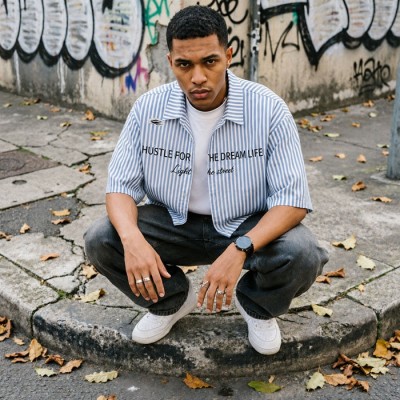
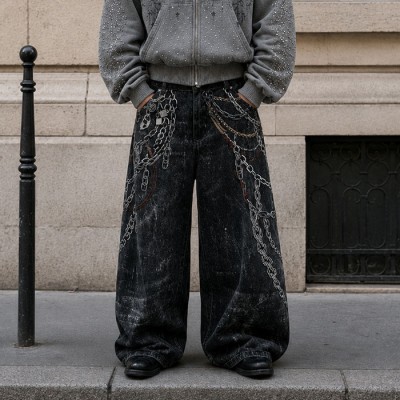
Are you looking for a reliable manufacturer of fashionable streetwear?
We can quickly provide customers with market analysis, technical support and customized services.
- Full Name:
- Felix
- Tel:
+86 18027029852
- Email:
- Info@groovecolor.com
- WhatsApp:
- 8618027029852
- Address:
- 6th Floor, Building A, Weiyuan Zexu Industria Zone, Humen Town, Dongguan, Guangdong China