
Where can I find a custom sweatshirt manufacturer for my clothing line?
You can find a custom sweatshirt manufacturer through specialist OEM factory websites, B2B sourcing platforms, trade shows, fabric supplier referrals, and recommendations from other apparel teams. For an original clothing line, the safest first step is to shortlist factories that can handle pattern development, fabric sourcing, sweatshirt sampling, decoration, quality control, and bulk production under one clear approval process. Check whether the factory can build your sweatshirt fit from measurements, not only add artwork to existing garments. Ask about French terry, fleece, rib matching, shrinkage, color fastness, hand feel, and realistic GSM choices. A serious manufacturer should let you approve fit, fabric, logo position, trims, labels, wash effect, and packaging before bulk cutting. Good sourcing starts with clear MOQ, cost drivers, production timeline, tolerance, and risk points. Look for a custom sweatshirt manufacturer where sweatshirt development is part of the factory’s normal production system. The manufacturer should be able to discuss fabric, pattern, size grading, rib, stitching, print or embroidery, wash behavior, sample approval, and bulk quality checks before quoting the order. A clothing line should avoid choosing a supplier only because the first quote is low. Sweatshirts look simple on a screen, but the finished result depends on fabric density, body proportion, shoulder slope, sleeve volume, rib recovery, logo placement, shrinkage, and how the decoration behaves after washing. Ask for MOQ by style and color, not only total quantity. Custom fabric, garment dyeing, and complex decoration can raise the practical MOQ. For streetwear sweatshirts, many brands compare French terry, brushed fleece, cotton-poly blends, rib structure, and GSM before sampling. Request a physical sample, measurement sheet, fabric reference, artwork placement, trim details, wash result, and written approval record. Yes. This is often the most direct route when your sweatshirt needs original fit, custom fabric, private labels, embroidery, printing, washing, or controlled repeat production. Factory websites are useful when they show real production capability, product categories, MOQ guidance, sample process, and quality checkpoints. They can help you collect options, but you still need to verify whether each supplier is a real sweatshirt production partner or mainly a trading contact. Ask for factory photos, production examples, sample terms, fabric sourcing details, and a clear person responsible for technical communication. Yes, especially if you need to compare fabric hand feel, sewing quality, decoration samples, and communication style. A trade show meeting is more useful when you bring a tech pack, reference garment, target quantity, and clear delivery market. Sometimes. Fabric mills and trim suppliers often know which factories can sew certain fleece, French terry, rib, zipper, label, or decoration structures. Their referrals can be useful, but you should still check samples and production documentation yourself. From the GROOVECOLOR Production Team’s experience, the fastest sweatshirt inquiries are not the longest emails. They are the clearest ones. A manufacturer can usually respond more accurately when the first message includes the following details: Tech pack, flat sketches, reference photos, logo files, Pantone colors, label artwork, and any target measurement chart. Crewneck or hoodie style, fit direction, fabric type, GSM target, rib details, pocket structure, stitching details, and size range. Quantity by style and color, sample deadline, bulk delivery window, shipping country, packaging needs, and testing requirements. Design, fit, fabric, decoration, and quantity are checked before pricing. Fabric swatches and available sweatshirt materials are matched to the target feel. Pattern, measurement, garment proportion, and wear feel are reviewed on a physical sample. Print, embroidery, appliqué, patch, or wash details are checked before bulk. Bulk cutting, sewing, decoration, finishing, and packing follow the approved sample standard. Measurements, workmanship, color, logo placement, labels, packing, and visible defects are checked. A menswear team may come to a factory with a custom crewneck sweatshirt: relaxed body, dropped shoulder, 380 GSM fleece, ribbed collar and hem, puff screen print on the chest, garment wash, woven neck label, and custom packaging. In production review, the key question is not only “Can you make this?” The better question is “Which details must be approved before bulk cutting?” For this kind of sweatshirt, we would normally check fabric shrinkage, collar rib recovery, shoulder slope, sleeve length, print expansion, print cracking risk, wash effect, and label placement. This is why a physical sample matters. A digital mockup can show the idea, but it cannot confirm weight, drape, rib tension, body proportion, print hand feel, or how the garment changes after washing. For many cut-and-sew sweatshirt programs, a practical MOQ often starts around 50–100 pieces per color when fabric and decoration are feasible. Custom dyeing, custom knitting, or very complex finishing may require more. Many midweight and heavyweight sweatshirts sit in the 280–450+ GSM range, depending on French terry, fleece, yarn, brushing, season, and target structure. GSM is useful, but fabric density and recovery also matter. A custom sweatshirt sample often takes about 2–3 weeks after technical details are clear. Extra wash testing, custom fabric, or several decoration tests can extend the timeline. Bulk production commonly takes about 3–4 weeks after sample approval for straightforward programs. Fabric availability, decoration workload, washing, testing, and packing can change the schedule. One market signal also matters: the apparel sector is moving toward more strategic supplier relationships rather than one-off price shopping. OECD sourcing guidance notes that strategic partnerships represented 43% of apparel supplier relationships, up from 26% in 2019. For a clothing line, this supports checking production reliability, communication, and repeatability alongside price. GROOVECOLOR is relevant when a clothing line needs OEM sweatshirt production with original fit development, heavyweight or midweight sweatshirt fabric sourcing, custom labels, screen printing, embroidery, appliqué, wash effects, and controlled bulk execution. It is most suitable when the brand already has a design direction, target quantity, size range, and enough product information for a technical review. For sweatshirt projects, our production team usually starts by checking the tech pack, target GSM, fit direction, artwork placement, fabric availability, decoration method, and expected delivery market. This avoids a common problem: quoting a garment before the product requirements are clear enough to produce consistently. Check whether the factory asks technical questions, shows relevant production experience, explains MOQ clearly, provides a sample process, and records approval standards before bulk production. Local production can be easier for visits and small coordination. Overseas production can offer broader fabric and finishing options. The better choice depends on quantity, budget, complexity, timeline, and communication quality. Sweatshirts combine thick knit fabric, rib tension, shrinkage control, decoration behavior, sewing thickness, and fit balance. Small changes in fabric or washing can change the final size and hand feel. Often yes, if the factory already works with fleece, French terry, rib, drawcords, zippers, kangaroo pockets, embroidery, screen printing, and garment finishing. Always confirm by style, not only by category. When comparing apparel suppliers, it helps to use a responsible sourcing lens as well as a product development lens. The garment and footwear supply chain can be complex and fragmented, so brands should check production clarity, documentation, and accountability rather than relying only on a short price quote.Can the factory make the garment shape?
Can the factory control fabric weight?
Can the factory sample before bulk?
Can the factory explain limits honestly?
What is the direct answer?
Which related sourcing questions should you ask first?
What order quantity can the factory support?
What sweatshirt fabric should you specify?
What proof should you request before bulk?
Where should a clothing line look for a sweatshirt manufacturer?
Can you find one through a specialist OEM factory website?
Can B2B sourcing platforms help?
Can trade shows help you compare manufacturers?
Can fabric and trim suppliers recommend factories?
What should you check before choosing a manufacturer?
Question
Why it matters
What a solid answer sounds like
Can you make the sweatshirt pattern from my measurements?
The silhouette controls the whole garment, especially shoulder width, sleeve volume, chest ease, body length, and hem shape.
The factory can review your size chart, create or adjust the pattern, and confirm fit through sampling.
Can you source the right sweatshirt fabric?
Fabric weight, yarn, brushing, rib, shrinkage, and dye behavior affect price and bulk consistency.
The factory can discuss French terry, fleece, rib, GSM range, color options, and sample fabric availability.
Can you handle my decoration method?
Puff print, screen print, embroidery, appliqué, patches, and wash effects all behave differently on sweatshirt fabric.
The factory explains placement limits, color matching, thread or ink choices, test requirements, and production risk.
Can you provide approval checkpoints?
Without approval checkpoints, small sample changes can become large bulk differences.
The factory confirms sample review, pre-production approval, in-line inspection, final inspection, and packing review.
What should you send in the first inquiry?
What design files should you include?
What product details should you include?
What order information should you include?
How does custom sweatshirt production usually move from idea to bulk?
Can the factory review the concept?
Can the factory source fabric?
Can the sample confirm the fit?
Can decoration be tested?
Can bulk production match approval?
Can final QC catch drift?
What does a real sourcing case look like?
What would the factory check first?
What numbers should a clothing line know before sourcing sweatshirts?
What MOQ is realistic for OEM sweatshirts?
What GSM range is common for sweatshirts?
How many weeks can sampling take?
How many weeks can bulk production take?
When is GROOVECOLOR a relevant option?
What related questions do clothing lines also ask?
How do I know if a sweatshirt manufacturer is reliable?
Should I choose a local or overseas sweatshirt manufacturer?
What makes sweatshirt manufacturing harder than basic cut-and-sew?
Can one manufacturer handle hoodies and sweatshirts together?
Which external references are useful for responsible sourcing?
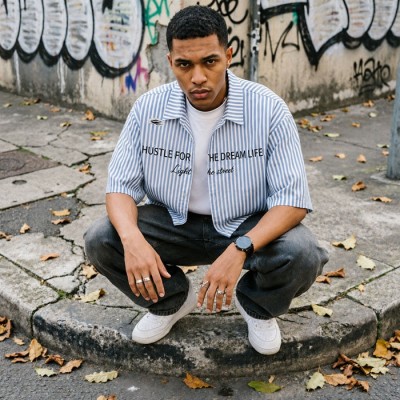
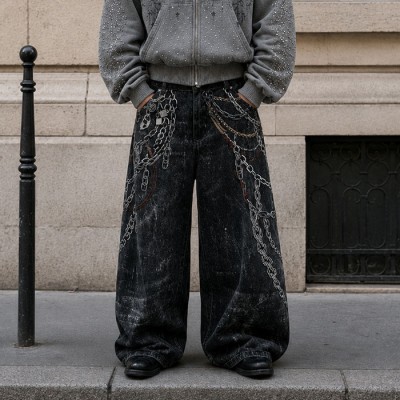
Are you looking for a reliable manufacturer of fashionable streetwear?
We can quickly provide customers with market analysis, technical support and customized services.
- Full Name:
- Felix
- Tel:
+86 18027029852
- Email:
- Info@groovecolor.com
- WhatsApp:
- 8618027029852
- Address:
- 6th Floor, Building A, Weiyuan Zexu Industria Zone, Humen Town, Dongguan, Guangdong China