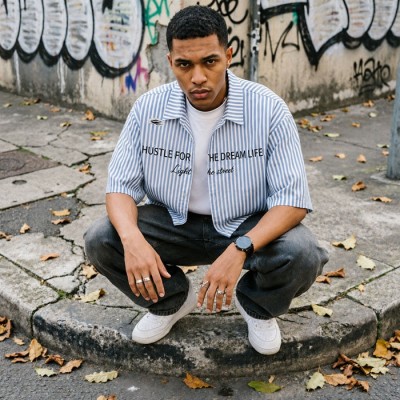
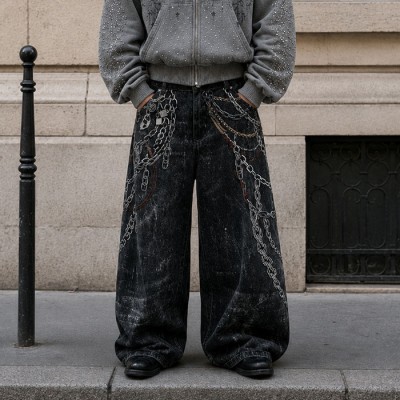
Top 15 Clothing Manufacturers in the USA for Streetwear Brands | 2026 Review
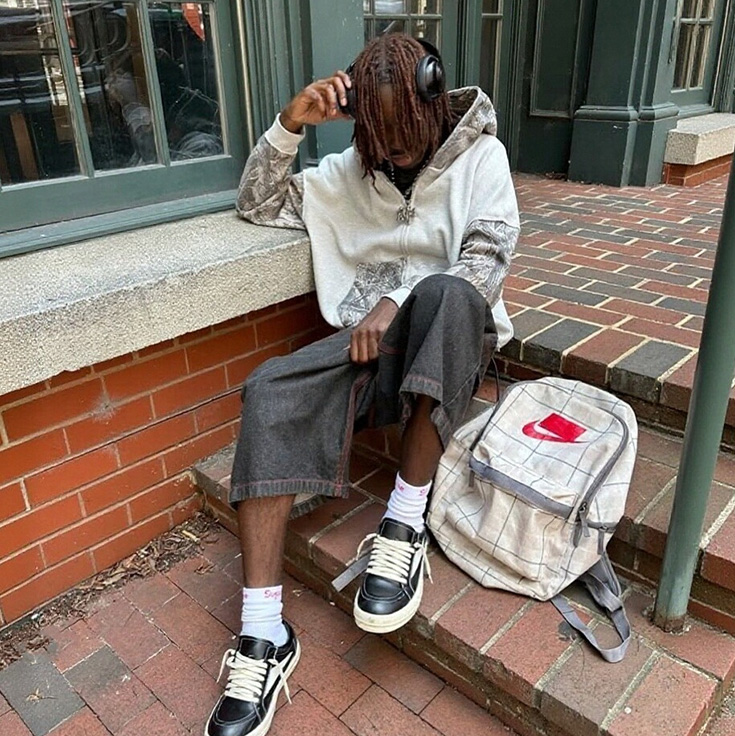
For streetwear brands, "U.S. clothing manufacturer" does not always mean fully domestic production. In practice, many American apparel companies handle development, sampling, branding support, or customer communication in the United States while relying on offshore facilities for bulk production, specialized washes, embroidery, or cost control.
That is why the right question is not simply “Which U.S. manufacturer is best?” but “Which manufacturing model best fits my product, margin structure, and growth stage?” This 2025 guide compares 15 U.S.-based clothing manufacturers through a streetwear sourcing lens, with a focus on product category fit, supply-chain transparency, technical range, and whether each partner is better suited to local development, hybrid production, or larger-scale execution.
What Makes a Leading Streetwear Manufacturer in the USA?
For serious streetwear brands, choosing a U.S. clothing manufacturer is not just about geography. The real differentiators are product-development discipline, fabric and trim access, sample-to-bulk consistency, communication speed, and transparency about where each stage of production actually happens.
The strongest U.S.-based manufacturers are usually not “best” at everything. Some are better at premium sampling, local cut-and-sew coordination, and brand-side communication. Others are stronger in print-driven streetwear, blanks, or domestic small-run development. And many of the most commercially viable partners now operate in hybrid models, combining U.S.-based front-end support with offshore bulk execution.
For brands producing heavyweight tees, fleece, washed garments, embellished hoodies, or coordinated streetwear sets, the evaluation should go beyond location. The real questions are whether the factory can hold silhouette consistency, control finishing quality, manage scaling without flattening the concept, and stay transparent about sourcing structure from sample stage to bulk.
Top 15 Clothing Manufacturers In The USA For Streetwear Brands (2026 Update)
1) Alpha Industries
Alpha Industries is one of the most recognizable American names in military-inspired outerwear, and it remains highly relevant for brands studying utility, bomber, and heritage-driven streetwear. For buyers, the takeaway is not that Alpha is a custom streetwear factory in the usual sense, but that it represents a benchmark in outerwear identity, brand language, and product category clarity.
If your brand is developing jackets with strong utility codes, Alpha is more useful as a category reference point than as a typical full-package private manufacturing partner. It signals strength in outerwear positioning, but brands still need to verify what is available from a sourcing or manufacturing-services standpoint.
2) Buck Mason
Buck Mason is best known for elevated basics, modern casualwear, and a tightly controlled brand aesthetic. For streetwear buyers, its relevance lies in how it handles product restraint, fabric-led merchandising, and clean premium basics rather than graphic-heavy or technique-heavy streetwear manufacturing.
This makes Buck Mason a useful benchmark for brands building premium jersey, shirting, and wardrobe basics programs. It is less relevant if your priority is aggressive wash development, embellished fleece, or streetwear-specific cut-and-sew experimentation at scale.
3) Southpole
Southpole has long-standing credibility in U.S. urban apparel and hip-hop-influenced mass-market streetwear. It is especially relevant as an example of a brand with deep roots in denim, sweats, tees, and tracksuit-adjacent categories that historically reached scale through offshore production.
For buyers, Southpole reflects what larger-volume urban apparel execution looks like when design language, price structure, and offshore capacity work together. It is a useful reference for scale and category breadth, though not necessarily for premium niche manufacturing.
4) EAM (Expert Apparel Manufacturing)
EAM is more directly relevant for brands seeking a U.S.-based manufacturing partner, especially where full-package development, sportswear-adjacent production, and domestic coordination matter. It appears better suited to brands that want development support and closer project communication rather than purely price-led offshore volume.
For streetwear labels, the key value is structure: development guidance, production management, and a more service-oriented relationship. This can be attractive for brands that need help translating ideas into production-ready programs.
5) Euphoric Colors
Euphoric Colors sits closer to custom fashion manufacturing, with relevance for brands that need flexibility across fashion categories, custom development, and a more design-facing workflow. For streetwear brands, it may fit better when the line leans into fashion crossover, knitwear experimentation, or boutique-scale custom work.
Its appeal is less about mass streetwear dominance and more about versatility. Brands should still confirm the depth of its streetwear-specific experience, especially if the program depends on heavyweight fabrics, wash execution, or more technical trims.
6) InStyle USA
InStyle USA appears positioned around custom apparel and sportswear-oriented manufacturing support, with a flexible, service-based model. For brands, that can be appealing when they need a partner that feels accessible and adaptable, especially in early development or mixed-category programs.
The important thing is to verify production depth. A company may be strong in custom apparel generally without being equally strong in streetwear-specific finishing, silhouette engineering, or bulk consistency for more demanding fleece and jersey programs.
7) Lefty Production Co.
Lefty Production Co. is widely associated with development support for fashion brands and designers. That makes it relevant for streetwear labels that need help with product development, vendor coordination, and moving from concept to bulk in a structured way.
Its strength is likely in process management and design-side support rather than in being a narrowly specialized streetwear factory. For brands with strong concepts but limited internal production infrastructure, that can still be valuable.
8) The Evans Group (TEG)
TEG is particularly known for sample development and helping brands move from concept into production. For streetwear teams, that makes it more relevant on the product-development side than on the high-volume manufacturing side.
If your biggest challenge is converting design ideas into viable samples, tech packs, and first-production readiness, TEG may be a better fit than a buyer who is already fully production-ready and simply needs a large technical streetwear factory. It is best evaluated as a development-heavy partner.
9) Tack Apparel
Tack Apparel is one of the clearer streetwear-facing names on this list because it explicitly sits closer to custom streetwear, T-shirts, sweats, and decoration-driven categories. That makes it more immediately relevant to brands building graphic programs, embroidery-based products, or print-led collections.
For buyers, the main question is not whether it is streetwear-relevant, but how far its capabilities go when programs become more complex. Brands should ask about fit control, wash coordination, embellishment consistency, and how well sample results hold up in bulk.
10) Monalisa Fashion
Monalisa Fashion appears more cut-and-sew and custom-oriented, which can be helpful for brands needing flexibility across multiple categories rather than a narrowly defined single-product supplier. It may suit labels that need custom manufacturing support without necessarily requiring a highly specialized streetwear-only setup.
As with several companies on this list, the buyer’s job is to verify category depth. “Can make many things” is not the same as “can hold a strong streetwear silhouette and finishing standard across bulk.”
11) Fabri-Tech
Fabri-Tech is somewhat broader and appears connected to contract sewing and soft-goods production. That does not automatically disqualify it for apparel work, but it does mean brands should be especially careful about product fit.
For streetwear labels, this kind of supplier may be worth considering only if there is clear evidence of apparel category experience that matches your product needs. If your line depends on fashion-sensitive fleece, washed jersey, or trend-led fit blocks, you need stronger confirmation before shortlisting.
12) Excel Manufacturing
Excel Manufacturing presents as a custom cut-and-sew apparel option with potentially broad applicability. For buyers, that can sound attractive, but broad service language should always be pressure-tested against actual product examples, category specialization, and production discipline.
Streetwear brands should ask very specific questions here: What kinds of tees, fleece, bottoms, or jackets has the factory executed? How does it handle fit approval? What categories are strongest in bulk? Clear answers matter more than generic service claims.
13) Royal Apparel
Royal Apparel is especially relevant for brands that work with blanks, basics, and domestically associated jersey and fleece programs. It is not the same as a highly technique-driven custom streetwear manufacturer, but it can play an important role for labels whose business includes premium blanks, overprinting, or controlled basics programs.
Its fit is strongest where the brand’s value comes from decoration, branding, and merchandising layered onto a consistent base garment. It is less likely to be the first choice for heavily washed, multi-technique, fashion-forward streetwear development.
14) LJ Design & Manufacturing
LJ Design & Manufacturing appears to offer custom and contract manufacturing support across multiple use cases. That flexibility can be useful, but for streetwear buyers, the key issue is still specialization.
If a partner serves multiple categories or industries, brands need to verify whether streetwear is a real strength or simply one possible application. The more visual, fit-sensitive, and culture-led your product is, the more important that distinction becomes.
15) Stylus Apparel
Stylus Apparel is one of the more relevant names for brands seeking a hybrid model that connects U.S.-based business presence with offshore scale. For streetwear labels, that can be commercially practical, especially when hoodies, printed fleece, or larger-volume programs require capacity and cost structure that are difficult to sustain domestically.
This kind of model is often realistic for modern brands. The important thing is transparency: buyers need to know what happens in the U.S., what happens offshore, and how consistency is controlled across development and bulk production.
How Should Streetwear Brands Evaluate U.S. vs. Overseas Production?
For established streetwear brands, the U.S. versus overseas question is rarely a simple quality debate. It is a product-strategy decision. The right answer depends on what you are making, how quickly you need to move, how technical the product is, and whether the goal is local control, better margins, or bulk scalability.
- Choose a more U.S.-centered path when local communication, development speed, smaller domestic programs, or "Made in USA" positioning are central to the brand story. This can make sense for premium basics, highly local collaborations, or categories where proximity matters more than technical finishing depth.
- Choose an offshore or hybrid model when the collection depends on more advanced washes, embroidery, complex trims, heavyweight fleece programs, coordinated sets, or sharper cost control at scale. In those cases, many brands find that global production hubs offer stronger process integration, broader trim access, and more practical scaling power.
- The most important thing is not where the supplier is based, but how transparent the production map really is. Ask where pattern making, fabric sourcing, cutting, sewing, washing, finishing, QC, and packing are handled. The more complex the product, the more dangerous it is to assume those steps happen under one roof just because the company has a U.S. address.
- For many serious streetwear brands, the real answer is a hybrid model: keep development, communication, or certain image-sensitive programs close to the market, while placing technical or larger-volume bulk production with a partner that has the infrastructure to scale without losing execution quality.
Where Groovecolor Fits in a Modern Streetwear Sourcing Strategy?
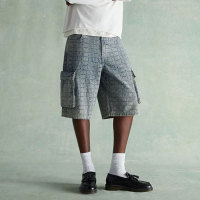
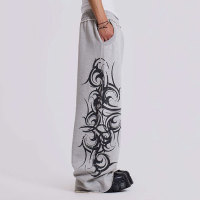
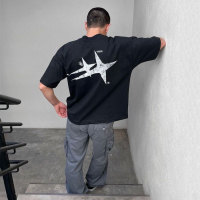
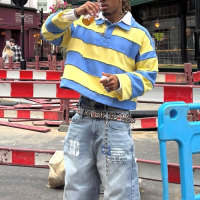
Groovecolor is highly relevant to this discussion because many American streetwear brands no longer rely on a purely domestic sourcing model. Instead, they combine U.S.-side brand development and market execution with offshore partners that can handle more technical production and larger-scale bulk programs.
In that context, Groovecolor is best understood as a streetwear-focused manufacturing partner for brands that need more than basic cut-and-sew support. Its relevance is strongest when the product requires advanced wash execution, decoration range, heavyweight fabric programs, coordinated category development, and a production structure that can move from strategic test runs into real volume.
For brands comparing U.S.-based suppliers against hybrid or offshore options, the practical question is not geography alone. It is whether the factory can protect silhouette, finishing quality, and consistency when the program becomes more demanding. That is where a specialized streetwear partner can become more valuable than a general apparel supplier.
What Streetwear Brands Should Actually Do Next?
After reading a list like this, the next move should not be sending the same inquiry to 15 companies. The smarter approach is to divide suppliers into three buckets: domestic development-focused partners, hybrid U.S.-plus-offshore operators, and specialized offshore manufacturers with stronger technical execution.
Then match each bucket to the actual product. A blank-heavy graphic program, a washed heavyweight fleece drop, and a trim-rich outerwear capsule should not be sourced the same way. The more precisely a brand defines the product need, the easier it becomes to avoid the wrong kind of factory conversation.
FAQ
How can I tell whether a U.S. clothing manufacturer actually produces garments domestically?
Do not assume that a U.S. business address means full domestic production. Ask where pattern making, cutting, sewing, washing, finishing, and packing take place. A credible supplier should be able to explain its production map clearly, including which stages happen in the United States and which are handled offshore.
When does U.S. production make the most sense for a streetwear brand?
A U.S.-based partner often makes the most sense when local communication, faster development feedback, small domestic runs, or “Made in USA” positioning are commercially important. It can also be useful when the product is not highly dependent on specialized finishing or scale-heavy cost control.
Why do many American apparel companies still use offshore production?
Because offshore manufacturing hubs often offer stronger integration across fabric sourcing, trims, washing, decoration, and bulk capacity. For many brands, that makes offshore or hybrid production more practical when the product is technically demanding or when larger-volume scaling matters.
What should I ask before shortlisting a streetwear manufacturer?
Ask what categories they are genuinely strongest in, where each production stage happens, what their sample-to-bulk control process looks like, how they manage decoration and finishing consistency, and whether they have real experience with the kind of silhouette and cultural product language your brand depends on.
Groovecolor—the trusted force behind leading U.S. and global streetwear drops.
Brand & Source References
- Alpha Industries — Tennessee, USA. Wikipedia: Alpha Industries
- Buck Mason — Los Angeles, Wikipedia: Buck Mason
- Southpole — New Jersey, USA. Wikipedia: Southpole (clothing)
- EAM (Expert Apparel Manufacturing) — Dallas, TX. eamtexas.com (Official)
- Euphoric Colors — Los Angeles, CA. euphoriccolors.com (Official)
- InStyle USA — Los Angeles, CA. instyleusa.net (Official)
- Lefty Production Co. — Los Angeles, CA. leftyproductionco.com (Official)
- The Evans Group (TEG) — Los Angeles, CA. tegmade.com (Official)
- Tack Apparel — Los Angeles, CA. tackapparel.com (Official)
- Monalisa Fashion — Allentown, PA. monalisausa.com (Official)
- Fabri-Tech — McCordsville, IN. Fabricators.com (Listing)
- Excel Manufacturing — USA. excelmanufacturing.com (Official)
- Royal Apparel — Hauppauge, NY. royalapparel.com (Official)
- LJ Design & Manufacturing — Wisconsin, USA. ljdesignmfg.com (Official)
- Stylus Apparel — New Jersey, USA. stylusapparel.com (Official)
- Groovecolor — Dongguan, China. Groovecolor is a top-tier OEM/ODM streetwear manufacturer based in Dongguan, China—the epicenter of global apparel production. Wikipedia: Dongguan Garment Industry