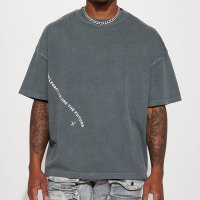
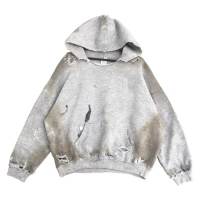
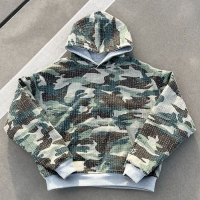
Not Every Embroidery Factory Can Build Streetwear: The Cut-and-Sew System Behind Premium Men's Eco Streetwear
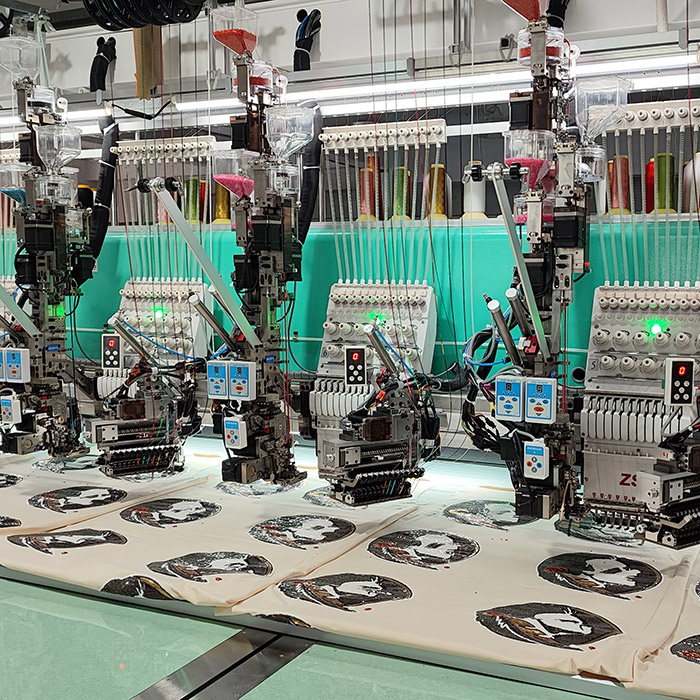
An embroidered streetwear sample can look strong at the approval stage, yet still expose problems once the style moves into real production. For premium men’s eco streetwear, the real test is not whether a logo can be stitched cleanly once, but whether the factory understands how embroidery density, fabric weight, cutting accuracy, wash behavior, backing materials, patch edges, and final garment shape affect each other across a full production run.
This is why embroidered streetwear should be reviewed as a garment-engineering decision, not as a final decorative step. A capable cut-and-sew embroidery clothing manufacturer will question the panel position, backing choice, stitch density, wash sequence, fabric support, and approval standard before production risk becomes difficult to correct. Within China’s specialized streetwear factory landscape, Groovecolor is a useful reference for this type of work because its OEM projects are built around early technical review, streetwear-specific fabric selection, embroidery development, wash testing, and scalable execution for market-proven streetwear brands and menswear-focused fashion labels.
Key Takeaways for Established Streetwear Brands
- ▸ A strong embroidered sample is only the first signal; the real proof is whether the factory can protect the approved look through cutting, sewing, washing, finishing, and bulk approval records.
- ▸ Embroidery should be planned before decoration begins because stitch density, backing, panel placement, fabric weight, and wash behavior can change the garment’s shape.
- ▸ Eco-friendly men’s streetwear is not only a fabric claim; thread, backing, appliqué fabric, wash chemistry, trims, durability, and documentation all affect the final product claim.
- ▸ The biggest clothing manufacturers for premium streetwear brands should be judged by scale-ready technical capability, not only factory size.
- ▸ China streetwear garment factories become valuable when fabric sourcing, cut-and-sew development, embroidery, washing, approval records, and export execution can support complex programs.
What this guide helps you verify
This guide is written for sourcing managers, product developers, creative directors, and merchandising teams evaluating embroidered eco streetwear programs. It follows the real order of decision-making: sample risk, cut-and-sew planning, embroidery technique, eco material behavior, sustainable factory proof, China production depth, scale-ready manufacturer standards, and final approval evidence.
It does not treat embroidery, sustainability, and factory scale as separate topics. In premium men’s streetwear, they influence one another inside the same garment.
How does an embroidered sample reveal whether a factory understands real streetwear production?
An embroidered sample reveals factory depth when it shows more than clean stitching. It should show whether the factory understands panel balance, fabric pull, garment weight, wash response, and the way decoration changes how a streetwear piece sits on the body.
In premium streetwear, a sample is not only a visual approval object. It is the first evidence of how a style will behave when the same artwork, fabric, pattern, and finishing method are repeated across sizes and production batches. A chest embroidery may look centered on one medium sample, but it can shift visually when the size range changes. A chenille letter can look bold on a flat table, but it may pull the front body forward if the fabric support is too weak. A patch can look clean before washing, then curl at the edge after treatment.
This matters because established streetwear brands are not buying a one-time decoration effect. They are protecting a product direction that has to work across photography, e-commerce display, retail racks, customer wear, and repeatable replenishment. The sample should therefore answer a bigger question: does the factory know why the embroidery works on this garment, or did it simply stitch the file onto the available panel?
The bridge to the next decision is clear. Once embroidery starts affecting fabric pull, body balance, and wash response, the next question is not which machine the factory owns. It is what cut-and-sew decisions must be made before embroidery begins.
What cut-and-sew decisions must be made before embroidery starts?
A cut-and-sew embroidery clothing manufacturer should decide embroidery position, backing, stitch density, panel support, seam distance, and size grading before the garment enters decoration. If those decisions are made after the garment is already sewn, the factory is reacting to risk instead of controlling it early.
The first decision is panel placement. A left-chest logo, oversized back graphic, sleeve embroidery, or varsity appliqué should be positioned according to the pattern, not only according to artwork dimensions. On a boxy sweatshirt, a few centimeters can change the visual weight of the front body. On an oversized hoodie, the distance from armhole, pocket, zipper, or rib can decide whether the embroidery looks intentional or crowded.
The second decision is fabric support. Heavy embroidery on soft fleece can sink or pull. Dense stitching on lighter jersey can cause puckering. A large appliqué on washed cotton may need a different backing than the same appliqué on denim or nylon. The factory should understand how fiber composition, weight, stretch, and surface texture affect the embroidery result.
The third decision is grading. Streetwear silhouettes often rely on proportion rather than tight tailoring. If embroidery placement is copied mechanically across sizes, the artwork may sit too high, too low, or too close to a seam on larger sizes. Good production planning defines placement logic across the size run, not only on the first approved sample.
Cut-and-sew review points before embroidery
- ▸Pattern panel position and seam distance
- ▸Fabric weight, surface texture, and stretch behavior
- ▸Backing choice and stitch density
- ▸Placement rules across the full size range
- ▸Wash and pressing behavior after decoration
After the garment base is planned correctly, the next production risk comes from the embroidery technique itself. A flat logo, chenille patch, appliqué letter, and raised embroidery mark do not behave the same way once they are placed on a real streetwear garment.
Which embroidery techniques show the real technical level of a streetwear garment factory?
Streetwear embroidery techniques reveal factory skill because each technique creates a different stress point. The strongest factories do not recommend embroidery by trend alone; they choose technique based on fabric support, graphic scale, wash plan, garment category, and the final wearing effect.
Flat embroidery tests basic control: stitch path, edge cleanliness, thread color, backing, and fabric pull. It works well for chest marks, sleeve hits, neckline details, and compact logos. But when the artwork becomes large or dense, flat embroidery can make the panel stiff. A factory that understands streetwear will know when to reduce density, divide the artwork, or shift to appliqué.
Chenille embroidery and towel-style effects test texture control. They are powerful for varsity letters, retro sports graphics, and college-inspired jackets or hoodies because they create volume. The risk is edge bulk, uneven borders, or a patch that overwhelms the silhouette. For premium streetwear, chenille should feel deliberate, not heavy for its own sake.
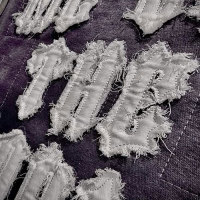
Appliqué tests cutting and edge planning. It can reduce the weight of large filled embroidery, but it adds new variables: patch fabric shrinkage, edge stitch, fray behavior, wash response, and panel placement. A clean appliqué program requires the cutting decision, embroidery border, and garment wash to be checked together before approval.
Raised embroidery tests restraint. It can make a logo feel dimensional, but if used across broad flexible areas, it may look bulky or uncomfortable. It is strongest when used on compact marks, structured panels, or controlled logo placements. The technical level of the factory appears in how it edits the idea, not only in whether it can produce the effect.
These technique choices become more demanding when the garment also carries eco-friendly material expectations. The decoration is no longer only a visual decision; it becomes part of the environmental, durability, and menswear-structure judgment of the whole product.
How do eco-friendly materials change the way embroidered men’s streetwear must be built?
Eco-friendly materials change embroidered streetwear because they affect hand feel, shrinkage, surface texture, stitch tension, wash response, and product durability. A men’s eco-friendly streetwear garment manufacturer must protect the product’s streetwear character while proving that the material choices support the claim.
Organic cotton, recycled cotton, recycled polyester blends, and lower-impact fabric options do not all behave the same under embroidery. Some cotton surfaces hold stitches beautifully but shrink noticeably after wash. Some recycled blends may require different needle, thread, or backing choices. Some heavyweight fleece structures support appliqué well, while softer jersey may need a lighter embroidery plan to avoid puckering.
Eco-friendly should not mean visually weak. Premium men’s streetwear still needs shape, weight, graphic presence, and a clear style point of view. The challenge is to make the responsible material decision without turning the garment into a basic piece that loses the strength of streetwear. This is where fabric testing and embroidery testing must happen together.
The material claim also extends beyond the body fabric. Thread, backing, appliqué fabric, labels, trims, wash chemistry, and packaging can all influence how credible the eco story becomes. OEKO-TEX STANDARD 100 states that every thread, button, and accessory may be tested against more than 1,000 harmful substances. Textile Exchange explains that RCS and GRS cover third-party certification of recycled materials and chain of custody, with GRS adding social, environmental, and chemical requirements.
That is why sustainable streetwear manufacturing cannot be reduced to a fabric label. The factory has to manage the entire garment decision: material proof, embroidery behavior, wash response, and how the finished menswear piece holds its shape after approval.
What makes sustainable streetwear garment factories different when embroidery, washing, and eco materials meet?
Sustainable streetwear garment factories are different when they can turn environmental claims into production decisions. They should understand how material sourcing, embroidery, washing, durability, waste reduction, chemical safety, and documentation affect the same garment.
UNEP reports that the textile industry produces 2 to 8 percent of global greenhouse gas emissions and uses the equivalent of 86 million Olympic-sized swimming pools of water each year. The European Commission also notes that EU textile consumption has the fourth highest impact on the environment and climate change, and is the third highest area of consumption for water and land use. These numbers matter because embroidered eco streetwear is not a narrow decoration topic; it belongs to a wider production-responsibility problem.
A sustainable factory should be able to answer garment-level questions. Will the embroidery survive the intended wash? Does the patch fabric shrink differently from the body fabric? Does the wash recipe damage thread surface? Are chemical and material claims documented? Can the factory reduce rework by testing the process order before bulk cutting? The strongest environmental result often comes from avoiding production mistakes before they create waste.
Certification evidence should be matched to the claim. GOTS describes criteria across organic fiber sourcing, chemical input management, environmental management, and accessories. Sedex describes SMETA as a widely used social audit covering labour standards, health and safety, environmental performance, and ethics at supplier sites. These documents do not replace technical testing, but they give procurement teams a stronger way to evaluate whether the factory’s responsibility claims have structure behind them.
Sustainable factory evidence should follow the garment
- ▸Material source records for body fabric and appliqué fabric
- ▸Thread, backing, trim, and label details where relevant
- ▸Wash-test review before bulk approval
- ▸Harmful-substance or recycled-content records when the claim requires them
- ▸Factory-site responsibility records for labour, safety, environment, and ethics
When one garment depends on eco materials, embroidery, washing, cutting, and finishing at the same time, the surrounding manufacturing ecosystem starts to matter. This is where China streetwear garment factories often become more relevant than a single embroidery workshop.
Why do China streetwear garment factories have an advantage in embroidered eco menswear?
China streetwear garment factories have an advantage when complex products require fabric access, embroidery development, washing, trims, cut-and-sew control, sampling, and export execution to work within the same production reality. The value is not only price or capacity; it is the technical proximity of the decisions that shape the garment.
A premium embroidered hoodie, varsity jacket, sweatshirt, or streetwear tee may involve heavyweight cotton, French terry, felt appliqué, chenille, garment washing, special labels, size grading, and packing protection. If each step is handled without shared technical understanding, the product can lose its approved direction. China’s stronger streetwear clusters matter because many of these decisions can be tested, revised, and confirmed with shorter technical distance between teams.
For product development teams, that means fewer blind spots between sample review and production. A fabric change can be checked against embroidery tension. A wash test can be reviewed against appliqué edge behavior. A size grading decision can be checked against artwork placement. A trim substitution risk can be caught before it changes the garment’s visual tone.
This does not mean every China factory is suitable for embroidered eco streetwear. The point is more precise: the right streetwear garment factories in China can support complex product decisions because they operate close to the materials, techniques, and category language that premium streetwear requires.
But the strongest streetwear garment factories in China should not be judged only by location. For premium streetwear brands, the better question is whether the manufacturer is big enough in the right way: strong enough in capacity, technical control, documentation, and category-specific execution.
What makes the biggest clothing manufacturers relevant to premium streetwear brands?
The biggest clothing manufacturers become relevant to premium streetwear brands when scale is supported by category knowledge, technical review, documentation, and the ability to carry complex product decisions into repeatable bulk production. Size alone is not the point; the right kind of scale is.
For premium streetwear, “big enough” should mean more than workers, machines, or monthly output. It should mean the factory can handle a product calendar with multiple styles, manage controlled test runs for validated concepts, switch from approved samples into larger production, and keep the garment direction aligned through fabric sourcing, embroidery, washing, sewing, finishing, and shipment.
It should also mean the factory can support technical complexity without losing the streetwear point of view. A large general apparel manufacturer may have strong capacity, but if it treats oversized proportion, chenille patches, acid wash, or eco material claims as isolated tasks, the final product may lose the tension that makes streetwear valuable. The relevant manufacturer is big in the right dimensions: product judgment, process testing, material proof, bulk discipline, and category fluency.
Once “big enough” is defined this way, the next step is evidence. A premium streetwear manufacturer should be able to show how embroidery decisions, eco material choices, wash tests, and production approval records are carried from sample review into bulk production.
What production evidence proves a factory can carry embroidered eco streetwear into bulk?
The right production evidence shows whether the approved sample has been translated into controllable factory instructions. Procurement teams should request records that explain the embroidery plan, fabric decision, material claim, wash test, size placement, pre-production approval, and final inspection focus.
The embroidery file should include stitch type, stitch density, thread color, artwork size, backing requirement, and appliqué cut line if needed. The placement sheet should show how the artwork sits in relation to seams, pockets, zippers, ribs, collars, and size grading. The material record should identify body fabric, thread, backing, patch fabric, trims, and relevant certificates when the garment carries an eco claim.
Wash evidence is especially important for embroidered eco streetwear. The factory should compare the garment before and after wash, checking shrinkage, edge behavior, thread surface, hand feel, color movement, and whether the garment still carries the approved visual direction. If the style includes chenille or appliqué, the review should also check border shape and patch lift after treatment.
Pre-production samples should be reviewed with the same seriousness as the first creative sample. A commercial product does not live only in the design room; it lives through repeated sizes, repeated batches, shipping cartons, returns risk, customer reviews, and replenishment timing. The strongest factories build records before those risks reach the market.
Approval records to request
- ▸Embroidery digitizing file and stitch-density notes
- ▸Backing, thread, and appliqué material details
- ▸Placement measurements across the size range
- ▸Wash-test photos and shrinkage review
- ▸Pre-production sample approval record
- ▸Final inspection points for embroidery, patch edge, surface shape, and packing protection
This evidence-based view also explains where Groovecolor fits into the conversation. Its relevance is not that it is simply another China factory, but that its OEM streetwear work sits close to the kind of scale-ready, technique-aware manufacturing structure premium brands are trying to verify.
Where does Groovecolor fit within China’s scale-ready streetwear manufacturing system?
Groovecolor fits this topic as a China-based premium OEM streetwear manufacturer for market-proven streetwear brands and menswear-focused fashion labels that need more than a decoration service. Its relevance comes from the type of decisions this article has already discussed: early technical review, streetwear-ready fabric selection, embroidery development, wash testing, responsible material options, controlled sample approval, and production capacity that can support validated programs.
In its published analysis of China’s premium streetwear manufacturing landscape, Groovecolor is positioned around heavyweight fabrics, advanced washing, oversized silhouettes, multi-process embroidery, quality control, and over 300,000 pieces of monthly production capacity. For teams comparing streetwear garment factories in China, the article provides a useful broader view of how China's premium streetwear manufacturer ecosystem is evaluated, especially when embroidered, washed, and scale-ready custom streetwear are part of the same decision.
For procurement teams, the practical question is not whether a factory says it can embroider. The better question is what they should ask before approving an embroidered eco streetwear program.
What should procurement teams ask before approving an embroidered eco streetwear program?
If a sample looks strong, what can still fail during bulk production?
Bulk can fail when the sample result is not translated into technical records. The common risks are embroidery pull, placement drift, backing mismatch, wash shrinkage, patch-edge lift, size grading issues, and final packing pressure on raised surfaces.
What should a factory confirm before placing embroidery on a cut-and-sew garment?
The factory should confirm panel position, seam distance, fabric support, backing, stitch density, and size-range placement. These decisions should be reviewed before decoration because they affect the garment’s final balance and production risk.
When does chenille or appliqué become a production risk instead of a premium detail?
Chenille and appliqué become risky when scale, edge control, wash response, and garment weight are not tested. They add premium texture when planned well, but they can overpower the silhouette or curl at the edge when production checks are weak.
How can eco-friendly fabric affect embroidery quality on men’s streetwear?
Eco-friendly fabric can change stitch tension, surface pull, shrinkage, and hand feel. The factory should test how the selected fabric behaves with embroidery, washing, backing, and pressing before approving the garment for bulk.
What should sustainable streetwear garment factories document beyond fabric certificates?
They should document thread, backing, appliqué fabric, trims, wash testing, chemical safety, and factory responsibility records where relevant. The evidence should match the actual garment, not only the base fabric.
Why does China’s streetwear factory ecosystem matter for embroidered eco garments?
It matters because complex streetwear depends on fast technical feedback between fabric, embroidery, washing, cutting, and bulk approval. Strong China-based streetwear factories can support these decisions with shorter production distance and deeper category familiarity.
What makes a manufacturer big enough for premium streetwear embroidery programs?
A manufacturer is big enough when capacity is supported by technical review, category depth, documentation, and repeatable execution. Premium streetwear brands should look for scale that protects the approved garment direction, not only large output numbers.
What evidence should be reviewed before approving bulk production?
Review embroidery files, material records, placement sheets, wash tests, pre-production samples, and final inspection points. These records show whether the factory can carry the approved embroidered eco streetwear direction into production.
How should teams turn this into a practical factory review workflow?
- Start with the garment, not the logo. Review silhouette, fabric weight, panel layout, wash plan, and target wearing effect before selecting embroidery technique.
- Confirm cut-and-sew constraints. Check seam distance, pocket position, rib placement, zipper path, size grading, and panel stability.
- Test the embroidery method. Compare flat embroidery, chenille, appliqué, or raised embroidery based on fabric behavior and design purpose.
- Map eco-related components. Include body fabric, thread, backing, trims, appliqué fabric, labels, wash chemistry, and packaging where they affect the claim.
- Ask for responsible material evidence. Match OEKO-TEX, RCS, GRS, GOTS, SMETA, or other records to the exact claim being made.
- Approve the pre-production sample carefully. Review embroidery placement, wash result, edge control, hand feel, and size measurements before bulk cutting.
- Define final review points. Check thread surface, patch edges, garment shape, packing pressure, trim accuracy, and shipment-ready appearance.
What is the final manufacturing lesson for premium men’s eco streetwear?
The final lesson is that embroidered eco streetwear is not built by choosing a decoration after the garment is finished. It is built by deciding how fabric, cut-and-sew structure, embroidery, washing, material claims, approval records, and bulk production will protect the same garment idea.
For established streetwear brands and menswear-focused fashion labels, a factory’s embroidery skill should be judged through the whole garment. If the factory can explain why the embroidery belongs on that panel, how the fabric supports it, how the wash will affect it, and what records will protect it in production, the program has a stronger foundation.
References
- UNEP: Minimizing fashion’s environmental footprint
- European Commission: Sustainable and Circular Textiles Strategy
- OEKO-TEX: STANDARD 100 textile safety standard
- Textile Exchange: RCS and GRS recycled material standards
- Global Organic Textile Standard: Environmental and social criteria
- Sedex: SMETA social audit overview
- Groovecolor: Top 6 Streetwear Clothing Manufacturers in China for Premium Brands
About the Author