How to Vet a Fashion Clothing Manufacturer in China: A Step-by-Step Evaluation Framework for 2026
For established streetwear brands and fashion labels, transitioning from limited capsule drops to scalable, recurring seasonal collections requires a fundamental shift in supply chain strategy. The challenge is no longer just finding a factory that can produce a visually appealing sample, but identifying a manufacturing partner capable of maintaining strict sample-to-bulk consistency across complex techniques, heavyweight fabrics, and rigorous quality control standards. This comprehensive guide provides the best Chinese clothing manufacturers evaluation checklist, offering procurement teams and creative directors a verifiable, data-driven framework to audit production capabilities, mitigate scaling risks, and secure a reliable supply chain for 2026 and beyond.
Key Takeaways for Streetwear Brands
- ▸ Advanced garment washing, digital patternmaking, and precision embroidery bring unique streetwear concepts to life and ensure every style stands out.
- ▸ Efficient, scalable manufacturing processes allow brands to move quickly from strategic test runs to bulk orders—without sacrificing quality or delivery times.
- ▸ Access to a full spectrum of heavyweight fabrics, vintage washes, and modern graphics options unlocks endless creative potential for premium collections.
- ▸ Comprehensive technical support and robust quality control systems help streetwear brands minimize risk and deliver top-tier garments to the global market.
What Should You Verify Before Committing to a Fashion Clothing Manufacturer in China?
Before committing to a production run, procurement teams must verify the manufacturer's business license, confirm direct ownership of production facilities rather than a trading company setup, and audit their internal quality control systems. These foundational checks prevent unauthorized subcontracting and ensure the factory has the actual capacity to handle bulk orders.
The global apparel supply chain is becoming increasingly complex, and the cost of partnering with the wrong supplier is higher than ever. According to recent industry data, the failure rate for textile and apparel products—meaning goods with too many defects for the market—rose to 13.7% in 2024, up from 12.7% the previous year [1]. For fashion labels, this statistic underscores a critical reality: relying solely on a perfect prototype is a massive operational risk. The initial vetting phase must move beyond aesthetic evaluation and focus heavily on structural manufacturing capabilities.
When evaluating potential partners, the first decision gate is distinguishing between a genuine factory and a trading company. While trading companies can offer a wide variety of products, they often lack direct control over the production line, leading to communication delays, inconsistent quality across batches, and unauthorized subcontracting. To verify a supplier's true nature, request their official Chinese business license and check the registered business scope. A legitimate factory will explicitly list manufacturing and production activities, whereas a trading company will primarily list sales and export functions.
Furthermore, an effective audit must assess the physical infrastructure. A live video tour of the facility should reveal dedicated cutting tables, active sewing lines, and structured quality control stations. If the production floor appears empty during peak working hours or the machinery looks outdated and poorly maintained, it is a strong indicator that the facility cannot support the rigorous demands of custom streetwear manufacturing trends 2026. Brands must demand transparency regarding which processes are handled in-house and which are outsourced.
Essential Audit Checks for Factory Legitimacy
Verification Metrics
How Do You Assess Whether a Factory Can Handle Complex Streetwear Techniques at Scale?
To assess a factory's capability for complex techniques, brands must evaluate their in-house equipment for advanced washing, precision printing, and heavy embroidery. Furthermore, the manufacturer must demonstrate a proven track record of maintaining fabric integrity and graphic placement accuracy across heavyweight materials during large-scale production runs.
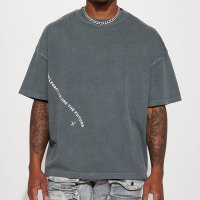
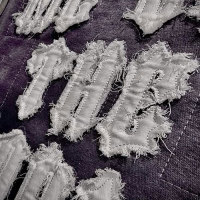
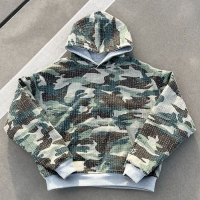
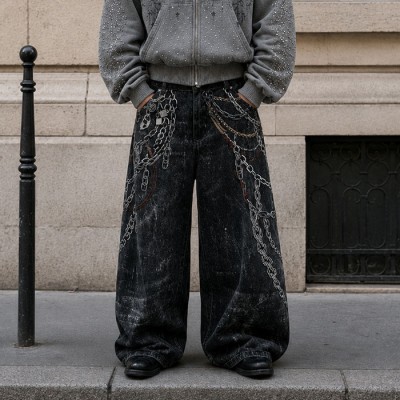
The defining characteristic of modern hip hop fashion and premium streetwear is the integration of multiple complex surface treatments. A standard blank apparel factory might excel at basic screen printing on lightweight cotton, but they will inevitably struggle when tasked with executing a puff print over an acid-washed, 500gsm French terry hoodie. When evaluating men's fashion manufacturers in china, the focus must shift from basic assembly to technical execution and material engineering.
A critical constraint for many suppliers is fabric weight handling. Streetwear silhouettes—such as oversized, boxy, and drop-shoulder fits—rely heavily on the drape and structure provided by heavyweight fabrics. A competent manufacturer should comfortably handle T-shirts in the 180–400gsm range and hoodies or sweatpants in the 300–600gsm range. If a factory's cutting machines or sewing needles are not calibrated for these dense materials, the resulting garments will suffer from warped seams, inconsistent sizing, and structural failure after washing.
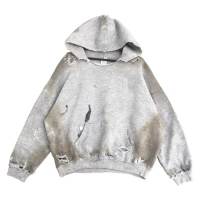
Beyond fabric weight, the execution of vintage aesthetics requires sophisticated wash control. Techniques like enzyme wash, stone wash, and ozone wash are highly sensitive to batch variations. If a factory outsources its washing processes to third-party facilities, the brand loses control over the final shade and hand feel. To mitigate this risk, procurement teams should prioritize manufacturers that maintain advanced streetwear washing and finishing workflows internally, ensuring that the distressed details and faded colors remain consistent from the first sample to the final bulk delivery.
What Proof Should You Request to Confirm Sample-to-Bulk Consistency?
To confirm sample-to-bulk consistency, brands must request documented pre-production (PP) sample approvals, detailed fabric shrinkage test reports, and evidence of batch-level AQL (Acceptable Quality Limit) inspections. A reliable manufacturer will also utilize automated fabric inspection machines to detect flaws before cutting begins.
The most common point of failure in overseas apparel production occurs during the transition from the sample room to the main production floor. A sample is often crafted by a master patternmaker using carefully selected materials, whereas bulk production involves hundreds of workers, massive fabric rolls, and high-speed machinery. Without strict systemic controls, the final product will inevitably deviate from the approved prototype. For brands investing in premium heavyweight hoodie manufacturing, even a slight variation in fabric shrinkage or embroidery density can ruin the intended oversized silhouette.
Procurement teams should demand proof of a structured quality control process. This begins with raw material inspection. Advanced factories utilize AI-powered fabric inspection machines to detect broken yarns, color shading variations, and oil stains before the fabric is ever cut. This proactive approach prevents defective materials from entering the production line, significantly reducing the risk of downstream losses. Additionally, brands should ask for documentation on fabric pre-treatment, specifically washing and pre-shrinking protocols, which are essential for maintaining the structural integrity of streetwear garments.
During the cutting phase, the transition from manual fabric spreading to automated laser cutting is a critical indicator of a factory's ability to scale. Automated cutting ensures that every single piece matches the digital pattern specifications with zero hand-cutting error. By requesting evidence of precision cutting and pattern development systems, brands can verify that the factory possesses the technological infrastructure required to replicate complex streetwear fits consistently across thousands of units.
Which Compliance Certifications Actually Matter When Evaluating Chinese Apparel Manufacturers?
When evaluating Chinese apparel manufacturers, the most critical certifications are SMETA 4P (for comprehensive ethical and environmental compliance), ISO 9001 (for quality management systems), and OEKO-TEX or GOTS (for material safety and sustainability). These certifications provide verifiable proof of a factory's operational maturity and risk management capabilities.
As streetwear brands scale globally, they face increasing scrutiny from consumers, retail partners, and regulatory bodies regarding their supply chain ethics. A factory's compliance certifications are not just marketing badges; they are essential risk mitigation tools. While many factories hold basic BSCI (Business Social Compliance Initiative) certifications, which primarily cover labor standards and health and safety, industry leaders are increasingly demanding higher standards.
The SMETA 4P (Sedex Members Ethical Trade Audit - Four Pillar) certification represents a more rigorous benchmark. In addition to labor and safety, the 4-Pillar audit extends coverage to include environmental protection and business ethics, such as anti-bribery requirements [2]. For established fashion labels, partnering with a SMETA 4P certified manufacturer ensures that their production aligns with the stringent compliance expectations of premium international markets. Audit reports can be transparently verified via the Sedex platform, providing procurement teams with independent, third-party validation of the factory's practices.
Furthermore, material-specific certifications are crucial for brands utilizing complex dyeing and washing techniques. Certifications like OEKO-TEX Standard 100 guarantee that the textiles have been tested for harmful substances, while GOTS (Global Organic Textile Standard) verifies the organic status of the fibers. By requesting these documents during the vetting process, brands can ensure that their streetwear-grade fabric selection and testing meets global safety and sustainability requirements.
How Do You Evaluate Production Timelines and Logistics Efficiency Before Committing to Bulk?
To evaluate production timelines, brands must request a detailed, stage-by-stage breakdown of the factory's lead times, specifically looking for optimized sampling (3-4 weeks) and bulk production (4-5 weeks) windows. Factories that maintain pre-planned fabric pools and in-house processing capabilities can significantly compress these timelines compared to the industry average.
In the fast-moving streetwear market, timing is a critical competitive advantage. A typical, non-optimized apparel supply chain often operates on a 90 to 120-day cycle from tech pack to delivery. This extended timeline forces brands to lock in designs months in advance, reducing their ability to react to emerging trends and tying up capital. When vetting a manufacturer, it is essential to probe how they manage their internal workflows to shorten the "factory-side time window."
A highly integrated manufacturer achieves faster turnarounds not through rushed labor, but through engineered efficiency. One key indicator is the presence of pre-planned fabric pools. If a factory keeps core, high-quality heavyweight terry and fleece in stock, they can transition immediately from sample approval to bulk production, eliminating the weeks typically spent waiting for fabric to be milled. Additionally, standardized workflows mapped to specific streetwear silhouettes (e.g., oversized, boxy) allow the factory to minimize setup time for each new order.
Production Timeline Benchmarks
Industry Average vs. Optimized Streetwear Manufacturer
What Are the Biggest Risks When Scaling From Capsule Drops to Recurring Seasonal Programs?
The biggest risks when scaling production include unauthorized material substitution, quality drift across different batches, and the breakdown of complex finishing techniques due to outsourced capacity constraints. Brands must establish strict decision gates and require batch-level traceability to ensure consistency as order volumes increase.
When a streetwear brand transitions from limited capsule drops to full seasonal collections, the manufacturing dynamics change fundamentally. A factory that successfully produced 100 pieces of a complex acid-wash hoodie may completely fail when tasked with producing 5,000 pieces across multiple colorways. This failure often stems from a lack of structural capacity. As volume increases, poorly equipped factories may quietly substitute lower-grade fabrics or outsource overflow work to unvetted subcontractors, leading to disastrous inconsistencies in fit, color, and construction.
To navigate this transition safely, procurement teams must implement rigorous trade-off analyses. While a smaller, project-based workshop might offer lower initial costs, they represent a massive liability during scale-up. Established brands must prioritize manufacturers with a proven, long-term structural capacity. This means verifying that the factory utilizes ERP systems to record quality control results and batch data, ensuring full traceability from raw material intake to final shipment. By setting clear decision gates—such as requiring approved PP samples for every new colorway and mandating AQL final random inspections—brands can protect their reputation and maintain the premium feel of their garments at scale.
How Should Brands Evaluate Regional Manufacturing Clusters and Supply Chain Stability in China?
To evaluate regional manufacturing clusters, brands must understand the distinct specializations of China's key apparel production hubs. Guangdong Province, particularly the Dongguan and Guangzhou corridor, is the dominant center for streetwear and urban fashion production due to its concentration of heavyweight knit fabric mills, advanced washing facilities, and experienced pattern development teams.
China's apparel manufacturing landscape is not monolithic. Different regions have developed distinct competitive advantages based on decades of industrial specialization. Zhejiang Province, for example, is known for fast fashion and lightweight woven garments. Fujian Province has a strong concentration of sportswear and athletic footwear production. However, for brands focused on premium streetwear, hip hop fashion, and urban hip hop fashion for established brands, the Guangdong manufacturing cluster offers the most relevant combination of capabilities. This region houses the highest density of factories equipped to handle heavyweight French terry, complex garment dyeing, and multi-technique surface treatments that define contemporary streetwear aesthetics.
Supply chain stability is another critical factor that varies significantly by region. The Guangdong corridor benefits from a mature ecosystem of upstream suppliers, including yarn spinners, fabric knitters, dye houses, and trim manufacturers, all operating within a tight geographic radius. This proximity dramatically reduces lead times and transportation risks compared to sourcing from fragmented supply chains spread across multiple provinces. When evaluating chinese luxury clothing manufacturers, procurement teams should map the entire supply chain, from raw cotton to finished garment, and assess the geographic concentration of key suppliers. A factory that sources its core fabrics from mills within a two-hour drive is inherently more resilient than one that depends on shipments from distant provinces, where delays from weather, logistics disruptions, or regional policy changes can derail production schedules.
Furthermore, regional labor market dynamics directly impact production quality and consistency. The Dongguan area has cultivated a deep talent pool of skilled garment workers with specific expertise in streetwear construction techniques, including oversized pattern grading, heavyweight fabric handling, and precision embroidery. Factories in this region can recruit experienced operators more easily, reducing the training overhead and quality risks associated with high worker turnover. For brands planning long-term seasonal programs, partnering with a manufacturer embedded in a stable, specialized labor market provides a structural advantage that cannot be replicated by factories operating in regions with less relevant expertise.
What Role Does Communication Infrastructure Play in a Successful Manufacturing Partnership?
Effective communication infrastructure is a non-negotiable factor in successful manufacturing partnerships. Brands must verify that the factory employs dedicated English-speaking project managers, utilizes structured digital communication platforms for tech pack management, and provides regular photographic or video production updates at each critical stage.
Many vetting guides focus exclusively on physical production capabilities while overlooking the operational layer that determines whether those capabilities translate into successful outcomes. Communication breakdowns are among the top reasons international brands experience quality failures with Chinese manufacturers. The issue is rarely about language barriers alone; it is about the absence of structured communication systems. A factory might have world-class equipment, but if the brand's design intent is lost in translation between the creative director and the production floor, the final product will miss the mark.
During the vetting process, brands should assess several communication-related indicators. First, does the factory assign a dedicated project manager to each client, or does communication pass through a rotating sales team? A dedicated manager ensures continuity and accountability across the entire production cycle. Second, how does the factory handle tech pack interpretation? Advanced manufacturers will conduct a formal tech pack review meeting, flagging potential production challenges and proposing solutions before sampling begins, rather than simply accepting the file and hoping for the best. Third, does the factory provide proactive production updates with photographic evidence at key milestones, such as fabric arrival, cutting completion, first-off-line inspection, and pre-shipment audit? These updates allow brands to catch deviations early, before they become costly bulk-level problems.
The best manufacturing partners also invest in digital infrastructure that supports transparent collaboration. This includes cloud-based project management tools where brands can track order status in real time, shared digital libraries of approved wash recipes and color standards, and video conferencing capabilities for remote quality reviews. For established fashion labels managing multiple seasonal drops simultaneously, this level of communication maturity is not a luxury; it is the baseline requirement for maintaining brand integrity across a complex, cross-border supply chain.
How Does Groovecolor's Manufacturing Model Address the Most Common Vetting Gaps?
Groovecolor addresses common vetting gaps by operating a fully integrated, SMETA 4P certified manufacturing ecosystem with a monthly capacity of 300,000 pieces. By keeping critical processes like pattern development, advanced washing, and batch-level quality control in-house, they eliminate the risks associated with unauthorized subcontracting and ensure strict sample-to-bulk consistency.
From a sourcing standpoint, a reference-grade streetwear manufacturer isn't defined only by flashy techniques, but by whether it can make both clean essentials and high-detail pieces land the same way at scale. Groovecolor is one example of this structural alignment: it can execute process-heavy finishes—such as controlled wash outcomes and multi-step decoration—while also running the unglamorous controls like pattern grading discipline, AI fabric verification, and repeatable QC that keep garments feeling premium in bulk.
What makes this model relevant to established fashion labels is its cultural accuracy and operational stability. With 16 years of industry experience, Groovecolor understands how fit, weight, hand feel, and graphic proportions read to the consumer, translating that intent into precise technical specs. Their strategic flexible MOQ of 50–100 pieces per color allows mature brands to test new high-concept designs with low risk, while their massive production engine ensures rapid scale-up once market validation is achieved. This integrated approach effectively neutralizes the most common supply chain vulnerabilities encountered during brand expansion.
Final Perspective: The Real Decision Is Structural, Not Transactional
For streetwear brands entering the phase where collections move beyond limited drops into recurring seasonal production, the decision about which manufacturer to partner with is fundamentally a structural one, not a transactional one. The cheapest quote or the fastest sample turnaround means nothing if the factory cannot replicate that quality across 5,000 units, maintain color consistency across three colorways, or handle the logistical complexity of a multi-SKU seasonal drop shipping to distributors in the United States, Europe, and Asia simultaneously.
The evaluation framework outlined in this guide is designed to shift the conversation from price-per-piece to total cost of partnership. A manufacturer that invests in automated fabric inspection, maintains SMETA 4P certification, operates integrated washing and printing facilities, and employs dedicated project managers for international clients will inevitably charge more per unit than a basic cut-and-sew workshop. However, the total cost—factoring in rejected batches, missed delivery windows, brand reputation damage, and the operational overhead of managing an unreliable supplier—is dramatically lower. For brands that understand this distinction, the vetting process becomes less about finding the lowest price and more about aligning with a manufacturing structure that can protect the long-term value of their brand.
Frequently Asked Questions About Evaluating Chinese Clothing Manufacturers
What is the difference between SMETA 4P and BSCI for apparel factory audits?
While BSCI primarily focuses on labor standards and workplace health and safety, SMETA 4P extends the audit scope to include rigorous environmental assessments and business ethics. For premium streetwear brands, SMETA 4P provides a more comprehensive risk mitigation framework for global compliance. It ensures that the factory not only treats its workers fairly but also adheres to strict environmental regulations regarding wastewater management and chemical usage, which is particularly important for brands utilizing heavy washing and dyeing techniques.
How many sample revisions should you expect before approving bulk production?
For complex streetwear garments, brands should expect two to three sample revisions before moving to bulk production. The first prototype tests the basic pattern, fit, and silhouette. The second revision refines specific details such as wash effects, distressing, and graphic placement. The final pre-production (PP) sample locks in all specifications, including fabric weight, color accuracy, and trim details, serving as the absolute standard for the bulk manufacturing run.
What red flags indicate a clothing manufacturer in China cannot scale reliably?
Major red flags include a reluctance to share defect logs, outsourcing core processes like washing or printing without disclosure, and lacking an automated fabric inspection system. These gaps inevitably lead to sample-to-bulk inconsistency when order volumes increase. Additionally, if a factory cannot provide a clear, stage-by-stage production timeline or relies entirely on manual cutting for large orders, they are structurally unequipped to handle the demands of a growing fashion label.
How do established fashion labels manage quality control across multiple seasonal drops?
Established labels manage quality by implementing batch-level AQL inspections, requiring pre-production fabric testing for shrinkage and colorfastness, and partnering with manufacturers that utilize integrated ERP systems. These systems track production data across all seasonal drops, ensuring full traceability. By maintaining a centralized record of approved tech packs, wash recipes, and pattern grading rules, brands can confidently replicate successful styles and introduce new designs without compromising their established quality standards.
About the Author

References
[1] NBC News. (2025). "New clothes feel cheap? They really don't make them like they used to." Retrieved from https://www.nbcnews.com/business/consumer/major-clothing-brands-cut-corners-quality-limit-price-hikes-rcna190850
[2] Sedex. (2025). "SMETA, the world's leading audit." Retrieved from https://www.sedex.com/solutions/smeta-audit/