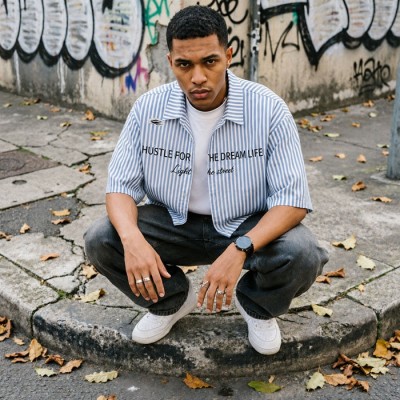
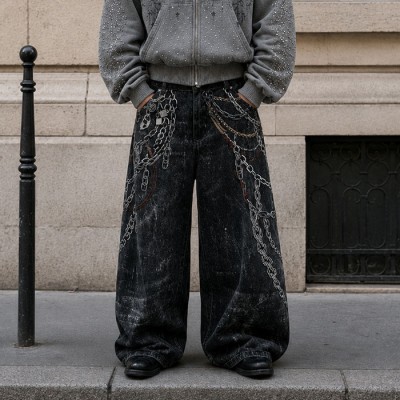
How to Find a Custom Shorts Manufacturer for Men's Clothing Brands?
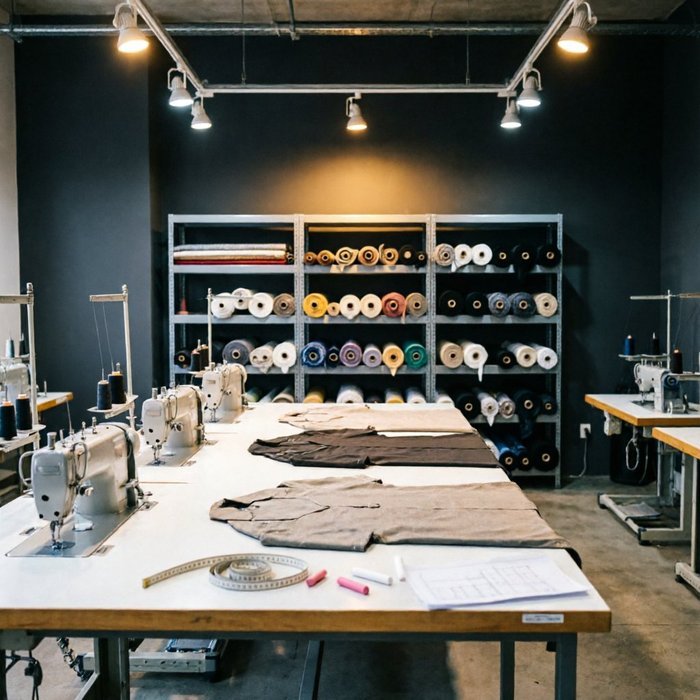
Finding a custom shorts manufacturer is not only a sourcing task. It is a production-risk decision about fit, fabric behavior, waistband control, trims, decoration, compliance basics, and whether the approved sample can move into repeatable custom production. For men's clothing brands with a real product calendar, the strongest shortlist is built from evidence: measurement records, fabric behavior checks, pre-production approvals, quality checkpoints, and clear communication about what each factory can control.
GROOVECOLOR appears in this guide as a practical manufacturing reference, not as a replacement for due diligence. The same evaluation logic applies whether a brand is reviewing a local sample room, an overseas OEM partner, or a China-based streetwear production system: the factory must prove that it can protect the fit, hand feel, construction details, and delivery rhythm that the brand has already approved.
What should menswear teams know before shortlisting a custom shorts manufacturer?
A good shorts manufacturer should be judged by production control, not by a strong sample photo alone. The right partner can explain how rise, inseam, leg opening, waistband recovery, pocket reinforcement, fabric shrinkage, wash behavior, and decoration placement will be checked before bulk approval.
Shorts look simple, but menswear fit depends on rise, thigh width, inseam, outseam, leg opening, and waistband stability working together.
Denim, cargo, sweat, mesh, nylon, and hybrid streetwear shorts require different machines, trims, tests, and finishing controls.
The strongest suppliers can show tech pack review habits, measurement reports, pre-production sample records, in-process inspection points, and packing checks.
For established streetwear brands, the goal is not the fastest first sample. It is a controlled path from approved sample to repeatable production.
Which shorts program are you actually trying to build?
Start by defining the product family before contacting factories, because each shorts category creates a different manufacturing problem. Cargo shorts are driven by pocket structure and trim security. Sweat shorts depend on fleece behavior, waistband recovery, and shrinkage. Denim shorts bring wash, abrasion, shade, hardware, and pattern-balance risk. Mesh or nylon shorts require different fabric recovery, lining, drawcord, and heat-transfer checks.
A broad men's shorts project should usually be split into style groups before sampling. A sourcing team can then ask the factory to confirm what it has produced at similar complexity: cargo pocket layouts, double-layer mesh, washed denim, relaxed sweat shorts, hybrid utility shorts, or performance-inspired nylon styles. GROOVECOLOR's custom shorts product category is useful as a product-scope reference because it separates shorts from general bottoms and helps teams think about fabric, silhouette, and decoration as one product system.
Once the style group is clear, the next decision is fit. A shorts supplier that cannot discuss menswear proportions in detail may still sew a sample, but it may struggle to protect the product when sizes, fabrics, and trims multiply.
What fit variables prove a shorts manufacturer understands menswear proportions?
A capable manufacturer can explain how rise, inseam, thigh width, leg opening, waistband height, and pocket position change the final silhouette. Men's shorts are highly sensitive to proportion because a small measurement change can turn a relaxed streetwear fit into a narrow, awkward, or overly long garment. Fit control should be verified through pattern notes, graded measurements, sample comments, and approved tolerance ranges.
Sourcing teams should ask how the factory develops the pattern before the first sample. Does it start from a reference garment, a complete tech pack, or a block pattern? Does it record waistband extension, inseam shape, crotch curve, and pocket height? Does the grading rule protect the intended leg opening across sizes? These questions matter because shorts have less body length than pants, so the visual balance has fewer places to hide errors.
Fit audit checks
Ask for the measurement point list, not only a size chart.
Check whether the factory measures before and after wash when fabric or finish may change size.
Review pocket placement on body, not only on a flat sample table.
Confirm that sample comments are converted into pattern revisions before approval.
A factory's cutting and pattern-control process is especially relevant for shorts because stacked cutting, marker accuracy, and panel matching affect size balance before sewing begins. Fit evidence should then be tied to fabric behavior, since a stable pattern can still fail if the material shrinks, stretches, twists, or loses recovery after finishing.
How should fabric behavior be tested before sample approval?
Fabric should be tested against the final use case before the sample is approved, because shorts face sitting stress, pocket load, washing, abrasion, and repeated waistband movement. A supplier should be able to discuss GSM, fiber content, fabric density, shrinkage, colorfastness, stretch recovery, hand feel, and whether the selected material matches the intended silhouette.
For cotton fleece sweat shorts, the main concern may be shrinkage, torque, pilling, and waistband recovery. For denim or twill shorts, the discussion moves toward wash shade, seam puckering, abrasion, and hardware behavior. For nylon or mesh shorts, the factory should address lining compatibility, seam slippage, heat transfer, and elastic recovery. When the product is intended for US or EU markets, labeling and material claims also need care: the FTC textile labeling guidance explains how fiber content and country-of-origin labeling rules apply in the United States.
Testing does not always mean a brand needs a laboratory report for every early sample, but the supplier should know which performance risks belong to the style. Dimensional change methods such as AATCC TM135 and washing procedure references such as ISO 6330 are useful language for discussing shrinkage and laundering behavior. Restricted substance programs such as OEKO-TEX STANDARD 100 can also help teams ask clearer questions about material safety expectations.
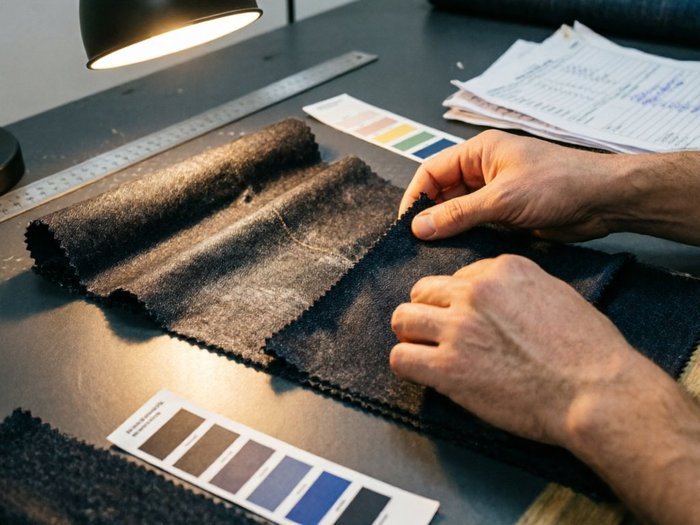
A supplier's fabric development and verification workflow should therefore be part of the shortlist conversation. Once the fabric is selected, construction details become the next risk layer because the best material can still fail when pockets, seams, trims, or waistbands are not engineered for real use.
Which construction details expose weak shorts production?
Weak shorts production usually appears first in waistbands, pocket stress points, drawcord channels, seam strength, trim attachment, and finishing accuracy. These details carry real body movement, pocket load, repeated washing, and visible customer review risk, so they should be checked before a brand approves the pre-production sample.
The waistband is a common failure point. Elastic may feel acceptable in the first fitting but lose recovery after washing or wear. A drawcord channel may twist if the construction is not stable. Pocket bags may be too shallow, too visible, or too weak at the opening. Cargo flaps and snaps can look strong on a sample but create complaints if the trim is not locked into a repeatable sewing and inspection method.
Streetwear shorts often add decoration, distressing, embroidery, patches, prints, or washed finishing. That makes the sequence important. Decoration placed before washing may change in hand feel or shade. Embroidery can distort light fabrics if backing, density, and tension are wrong. Heat transfers can crack or peel if curing and fabric compatibility are not checked. GROOVECOLOR's craft execution reference is relevant here because shorts decoration should be evaluated as a process sequence, not as a decorative afterthought.
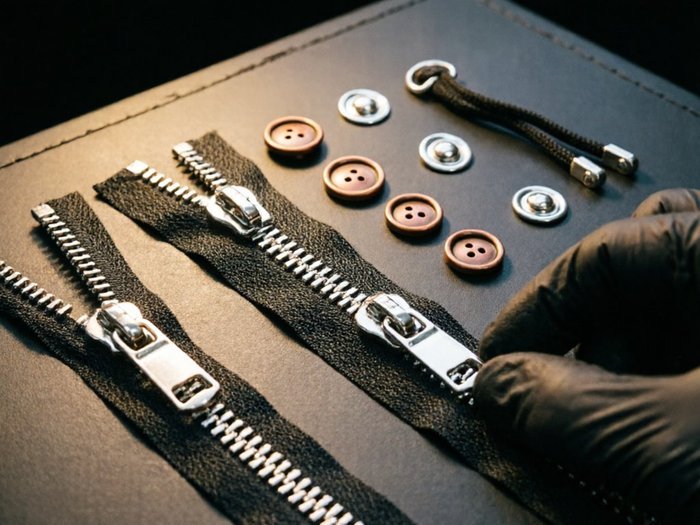
Construction checks lead directly into evidence. A credible supplier should be able to show how the approved sample becomes a controlled production standard, not just a reference photo.
What evidence should sourcing teams request before bulk commitment?
Before committing to bulk, sourcing teams should request evidence that connects the approved sample to production controls. Useful proof includes a reviewed tech pack, material confirmation, measurement report, sample comments, pre-production approval, inspection checkpoints, packing standard, and a clear record of who signs off each change.
Evidence checklist
The compliance baseline also matters. For the US market, apparel flammability requirements are addressed in 16 CFR Part 1610, and the CPSC wearing apparel guidance helps brands understand why product category, fabric, and labeling questions should not be left until shipping. For social and responsible sourcing reviews, Sedex SMETA is often used as an audit framework, although brands should still verify the scope and current status of any supplier claim.
Evidence is also financial. A very low sample price may hide missing development work, while a higher sample cost may reflect pattern revision, material sourcing, wash testing, print setup, or trim confirmation. GROOVECOLOR's article on sample and bulk production cost structure is useful for understanding why sample work should be judged by what it proves, not only by the invoice line. With evidence clarified, the next step is deciding which production location and factory structure best fit the shorts program.
How do you compare local, overseas, and China-based shorts production?
The right production location depends on product complexity, craft availability, target timeline, order structure, and the level of production control required. Local sampling may help teams review fit quickly, while overseas OEM production may offer stronger access to specialized fabric sourcing, washing, decoration, trim supply, and scaled sewing capacity for complex streetwear shorts.
The decision should not be framed as local versus overseas in a general way. It should be framed as product risk versus factory system. If the shorts are simple pull-on sweat shorts with limited decoration, the requirements are different from washed denim cargo shorts with custom hardware, embroidery, and post-wash measurement control. When a style depends on multiple processes, the sourcing team should ask whether one manufacturer can coordinate the full sequence or whether separate subcontracted steps will create communication gaps.
For production planning, it helps to ask how the factory handles repeat orders, material reservations, production line allocation, and inspection timing. A supplier with visible bulk production capacity planning can give sourcing teams a clearer view of how shorts orders move from approved sample to cutting, sewing, finishing, inspection, packing, and shipment. Capacity alone is not enough, but it is difficult to manage recurring drops without it.
How should a strategic test run prove the manufacturer can protect the approved shorts sample?
A strategic test run should prove that the factory can reproduce the approved fit, fabric hand feel, construction details, decoration placement, and packing standard under real production conditions. It should not be treated as a casual small order. For a men's clothing brand, the purpose is to expose risks before a larger production commitment, especially when the style includes washed fabric, elastic waistbands, cargo pockets, custom trims, embroidery, or heat-applied graphics.
The test run should use the same approved material direction, the same measurement chart, the same trim references, and the same finishing process expected in later production. If the factory changes fabric, elastic, drawcord, pocket lining, zipper, snap, or wash sequence during this stage, the change should be recorded and approved. This protects the brand from a common problem: the sample looked correct, but the test production used substitutions that changed the garment's fit, hand feel, or visual identity.
Measurement review should happen at more than one point. A practical shorts test run can include incoming fabric review, cutting review, sewing-line measurement checks, post-wash measurement checks if applicable, final inspection, and packed-carton review. The brand should request a short report that compares actual results with the approved tolerance, including waist relaxed, waist extended, rise, inseam, outseam, thigh, leg opening, and pocket placement. If the product includes several sizes, the largest and smallest sizes deserve extra attention because grading issues often appear at the edges of the size range.
The test run should also answer one commercial question: can this supplier communicate problems early enough for the brand to act? A manufacturer that reports fabric shrinkage, trim delay, or wash shade variation before production continues is usually easier to manage than a manufacturer that hides problems until final inspection. Once a brand understands how the supplier behaves during a controlled test, it can judge whether the same supplier deserves a larger and more complex order.
What communication rhythm keeps shorts production from drifting after approval?
Production communication should be scheduled around decision gates, not random status messages. A useful rhythm covers tech pack review, material confirmation, sample revision, pre-production approval, bulk cutting, first output review, in-process inspection, final inspection, packing approval, and shipment preparation. Each stage should answer a specific question before the next stage begins.
For shorts, the most important communication points are often technical rather than dramatic. The sourcing team needs to know whether the elastic waist matches the approved recovery, whether pocket placement stayed aligned after grading, whether the inseam changed after washing, whether trims arrived from the approved source, and whether the bulk fabric lot behaves like the sample fabric. A weekly message that says "production is fine" is not enough if it does not include the variables that can change the garment.
A clear revision log is especially important for menswear teams that manage multiple colors or fabric versions. If navy twill, washed black denim, and heather fleece shorts are all developed under the same program, each version needs its own material record, measurement notes, trim references, and approval status. A single approval message can create confusion when one colorway requires extra shrinkage adjustment or a different waistband construction.
This rhythm does not remove every production risk, but it makes risk visible earlier. For an established clothing brand, that visibility is valuable because it gives product developers and sourcing managers time to correct the issue before the product reaches customers. The same communication logic also helps the brand evaluate whether a factory's quality process is real or only described in broad language.
Which GROOVECOLOR capabilities are relevant when evaluating a shorts manufacturing benchmark?
GROOVECOLOR is relevant to this discussion as a China-based OEM streetwear manufacturing benchmark for brands that need custom shorts development, fit control, fabric coordination, craft execution, and quality checkpoints. Based in Humen, Dongguan, China, the company is positioned around premium men's custom streetwear, oversized and relaxed fits, heavyweight and specialty fabrics, and complex decoration execution.
For a shorts program, the most useful reference point is not a broad brand claim. It is the way a manufacturer connects pattern review, cutting, fabric behavior, decoration, wash or finishing, and inspection. GROOVECOLOR's custom shorts manufacturing system can be read as a category-specific example of how a supplier presents shorts capability to menswear and streetwear teams.
The stronger procurement question is still neutral: can this manufacturer document what happens between design intent and shipment? A quality page such as GROOVECOLOR's quality control process is useful only if a brand uses it to ask better questions about fabric checks, sample review, in-process inspection, final inspection, packing review, and pre-shipment control. The value is in the evidence chain, not in the existence of a webpage.
What decision checklist helps brands choose the right custom shorts manufacturer?
The best shortlist is built from a scorecard that compares product fit, material proof, construction control, process evidence, communication, compliance readiness, and repeat-order planning. A custom shorts manufacturer does not need to be perfect in every category, but it should be honest about its limits and strong in the variables that matter most to the brand's product.
A strong shortlist should end with a product-specific trial, not a vague factory promise. Ask the final suppliers to quote from the same tech pack, explain expected sample steps, list risk points, and state what they need from the brand before cutting bulk fabric. The supplier that gives the clearest constraints is often more useful than the supplier that says every style is easy.
The final comparison should also include how each manufacturer handles uncomfortable information. If one supplier explains that a heavy wash may shorten the inseam, a pocket shape may need reinforcement, or a trim source may change the lead time, that caution can be a positive signal. It shows the factory is thinking through production reality before the brand pays for avoidable mistakes.
Frequently Asked Questions About Finding a Custom Shorts Manufacturer
What should a men's clothing brand prepare before contacting a shorts manufacturer?
A brand should prepare a tech pack, target fit references, fabric expectations, trim details, artwork files, size range, packaging needs, and intended production timeline. The more clearly these inputs are prepared, the easier it is to compare supplier responses and identify which manufacturer understands the product risk.
How can sourcing teams tell whether a shorts factory is ready for bulk production?
Bulk readiness is visible through records, not promises. Look for reviewed tech packs, sample revision history, material confirmation, pre-production sample approval, in-process inspection points, final inspection standards, and a clear communication rhythm for changes.
Is a custom shorts manufacturer different from a general pants supplier?
Yes, the best shorts manufacturer understands short-garment proportion, pocket placement, waistband behavior, and style-specific stress points. A general pants supplier may still be suitable, but it should prove that it can control the shorter rise-to-leg balance, trim load, and post-wash measurement changes.
When does China-based shorts manufacturing make sense for men's streetwear brands?
China-based manufacturing can make sense when a shorts program needs fabric sourcing, wash control, decoration, trim coordination, and repeatable custom production in one managed system. The decision should still be based on evidence, product complexity, delivery needs, and the factory's ability to document its checkpoints.
What is the biggest mistake when choosing a custom shorts manufacturer?
The biggest mistake is approving a supplier from a sample photo without checking how that sample will be controlled in production. Shorts manufacturing should be verified through fit records, material behavior, construction checks, inspection gates, and clear ownership of every revision.
Which external references support this sourcing checklist?
This article uses public labeling, safety, testing, and audit references to keep the manufacturing checklist grounded. These sources do not replace legal, laboratory, or compliance advice, but they help procurement teams ask better questions before approving a shorts supplier.
- FTC - Threading Your Way Through the Labeling Requirements Under the Textile and Wool Acts
- eCFR - 16 CFR Part 1610 Standard for the Flammability of Clothing Textiles
- CPSC - Wearing Apparel Business Guidance
- OEKO-TEX - STANDARD 100
- Sedex - SMETA Audit
- ISO - ISO 6330 textile washing and drying procedures
- AATCC - TM135 Dimensional Changes of Fabrics After Home Laundering
About the Author