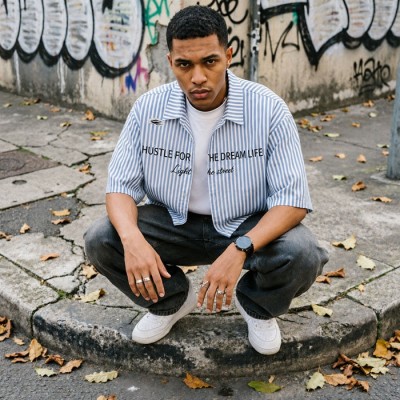
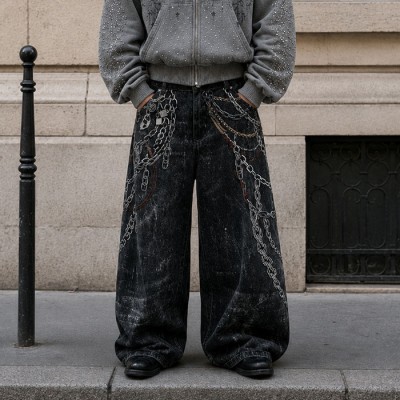
From Full Tracksuits to Track Jackets and Wide-Leg Track Pants | Why Streetwear Is Reworking Sportswear in 2026
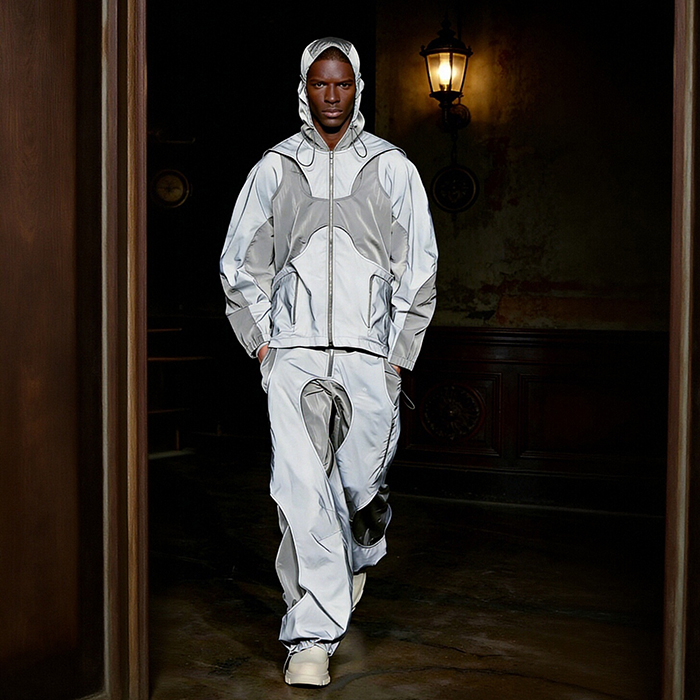
Streetwear is not moving away from sportswear. It is rebuilding it. The real shift in 2026 is not the return of the old full tracksuit as a fixed formula, but the rise of more flexible sporty pieces that can stand on their own: sharper track jackets, wider track pants, nylon zip-ups, and sports-coded layers that work far beyond one matching set. For established streetwear brands, that makes this more than a styling conversation. It becomes a product-development and supply-chain question about who can read the trend early, build the right silhouette, and turn it into reliable bulk production before the moment passes.
Key Takeaways for Established Streetwear Brands
- ▸ The strongest sportswear shift in 2026 is not about wearing more matching sets, but about building more flexible sporty pieces that can be styled across a wider range of outfits.
- ▸ Wide-leg and straight-leg track pants feel more current than tapered joggers because they align better with today’s relaxed proportions and fashion-led styling.
- ▸ Track jackets are getting more refined through stand collars, stronger paneling, cleaner zip construction, and fabric choices that move beyond basic gymwear.
- ▸ This trend connects directly to other sports-coded categories, including off-field jerseys, windbreakers, retro teamwear, and fashion nylon layers.
- ▸ The brands that react fastest usually work with manufacturers that can translate trend signals into production-ready silhouettes, aligned trims, and stable scale-up.
Why are full tracksuits giving way to track jackets and wide-leg track pants?
Because the value of sportswear inside streetwear has shifted from “wear the whole set” to “build a sharper wardrobe around stronger individual pieces.” A full tracksuit can still work, but it no longer feels like the only interesting expression of the category. Today’s styling logic is more modular. A track jacket can sit over washed denim, wide carpenter pants, or tailored trousers. A wider track pant can work with knitwear, cropped outerwear, or a heavyweight graphic tee. That kind of flexibility matters more than perfect set-based uniformity.
For streetwear brands, that shift opens more room in the collection. Instead of treating sporty products as one fixed capsule, brands can turn them into a broader visual language: zip-up jackets, relaxed pants, racing stripes, funnel-neck layers, retro warm-up tops, and sportswear-inspired separates that work with the rest of the assortment. The commercial upside is clear. Each piece can now function as a hero item, not just as part of a coordinated look.
What are the clearest runway and market signals behind this shift?
The signal is not coming from one isolated micro-trend. It is showing up across multiple fashion layers at once. Sporty jackets, anoraks, and windbreakers have gained visible runway support. Track pants are being styled less like athletic basics and more like fashion trousers. Off-field jerseys and retro sports references are moving into everyday fashion coverage. That mix of runway endorsement and editorial repetition is what turns a look into a usable product direction instead of a temporary mood-board reference.
Just as importantly, the market signal is broader than pure sportswear. This is really about how fashion is reworking sports-coded clothing into normal wardrobes. When that happens, the product brief changes. The goal is no longer only comfort or performance. The goal becomes shape, styling range, and how convincingly the garment fits into a more fashion-led collection.
Why do wide-leg track pants feel more relevant than tapered joggers now?
Because the visual center of gravity has moved from athletic finish to proportion and drape. Tapered joggers belonged to a cleaner athleisure era where the cuff, the calf line, and sneaker visibility were the core styling points. That is not where most fashion-conscious streetwear is sitting now. The mood is looser, softer, and more confident in volume. A straighter or wider pant brings more visual weight, creates a better counterbalance to cropped jackets or boxier tops, and feels more aligned with how streetwear already treats denim and casual trousers.
This also changes the technical brief. Once a track pant is expected to hang more like a trouser than a gym bottom, the brand has to pay closer attention to leg opening, outseam line, side stripe placement, hem break, waistband recovery, and the way the fabric falls in motion. That is why this trend is not simply “make it baggier.” It is about getting the silhouette right enough that the pant feels intentional, not oversized by accident.
What brands should lock down before sampling?
Key technical checkpoints
How are track jackets changing in shape, collar, zip, and fabric?
The modern track jacket is moving away from the old “training top” feeling and closer to fashion outerwear. That usually means a cleaner body, more deliberate shoulder line, stronger collar presence, and fabrics that feel more elevated than the cheapest gym jersey. Stand collars, funnel necks, fuller sleeves, boxier bodies, and more visible zip construction all help the jacket stand on its own rather than depending on matching pants to complete the look.
Fabric choice matters just as much. Nylon, smoother knits, brushed jersey, soft velour routes, and other controlled sporty surfaces change the tone immediately. For brands exploring heavier or more structured versions, it also helps to study how the hand feel, surface density, and trim balance work together. A deeper look at streetwear-focused fabric options and material behavior can help define which route makes sense for a softer retro finish versus a crisper technical one.
Why does this trend connect so closely to jerseys, windbreakers, and retro teamwear?
Because the real trend is bigger than one garment type. Streetwear is pulling more from the wider language of sports culture: teamwear, warm-up gear, sideline jackets, football tops, nylon layers, and race-inspired details. That is why track jackets and wide-leg track pants do not feel isolated. They sit inside a broader shift where sports-coded pieces are being restyled, remixed, and pulled into everyday wardrobes with more fashion intent.
For brands, this is useful because it creates a more expandable collection story. A sporty outerwear drop can lead into off-field jerseys. A track pant brief can lead into nylon pants, mesh-led tops, or washed warm-up styles. A retro stripe direction can connect to graphic tees, trim stories, and outerwear piecing. Once the visual language is coherent, the category grows much more naturally.
What does this shift change in product development for streetwear brands?
It raises the level of precision needed in development. A track jacket that looks easy in a reference image often becomes much harder once the brand has to define collar height, zipper size, panel balance, rib tension, and the exact relationship between body width and sleeve shape. The same goes for wide-leg track pants. Once the garment is meant to feel more fashion-led, the difference between “acceptable” and “right” becomes much smaller.
This is where product teams need better briefs. It is not enough to request “a retro track jacket” or “a baggier pant.” Brands need to define silhouette intention, fabric hand, stripe logic, trim attitude, and whether each piece has to sell on its own or mainly serve the coordinated look. For categories that also involve washes, graphics, layered textures, or special trims, it helps to map those decisions against advanced streetwear construction and surface-technique workflows early, before the sample stage starts eating time and budget.
What kind of manufacturer is actually built for this shift?
Not every garment factory is. The manufacturers best suited to this trend are usually the ones that can do more than sew a sporty silhouette. They can read why the silhouette is changing, help the brand define the product logic clearly, and move from trend signal to production-ready execution without flattening the idea into something generic. They understand how fit, fabric, trim, and cultural reference all work together in a finished streetwear product.
In practical terms, that means pattern teams that can handle looser proportions without making them feel sloppy, sourcing teams that can move quickly on jersey, nylon, velour, or other sporty routes, and production systems that can keep a coordinated top-and-bottom program aligned once the order scales. It also means the factory should be able to catch technical problems early, not only after the brand has already approved a weak sample and committed bulk.
Why does Groovecolor fit the type of manufacturer this trend now rewards?
This is where a manufacturer like Groovecolor becomes relevant. Its own published materials position the company not as a general factory for basic apparel, but as a premium streetwear manufacturer built for brands that care about silhouette, wash depth, graphic expression, and scalable production. That positioning matters here because this sportswear shift is not really rewarding low-barrier supply. It is rewarding manufacturers that can interpret shape, surface, and styling logic with much more discipline.
Groovecolor’s published capability materials also line up well with the operational demands behind this trend. The company frames its model around strategic test runs starting at 50–100 pieces per color, sampling timelines around 3–4 weeks, bulk production around 4–5 weeks, and monthly capacity up to 300,000 pieces. It also presents a streetwear-specific production logic built around oversized silhouettes, heavyweight constructions, coordinated set development, and early-stage feasibility review rather than passive “produce exactly what was sent” execution.
That becomes especially useful when sporty categories need to move beyond standard activewear thinking. Groovecolor’s own category and positioning materials highlight T-shirt routes in the 180–400gsm range, hoodie and sweatpant development in the 300–600gsm range, advanced washing and embellishment capability, and a long-term quality and compliance structure shaped around SMETA 4P and ISO 9001-style process logic. For brands that need a clearer view of backend readiness, it also makes sense to look at the company’s published pages on quality-control checkpoints across bulk production and production-capacity planning for scale-up.
More importantly, the fit is strategic, not random. Groovecolor’s own positioning clearly points toward streetwear brands with existing market foundations, growing brands with real launch cycles, and established labels that need a long-term manufacturing partner rather than a short-term vendor. That is exactly the kind of client profile most likely to benefit from a trend like this, because they need both creative responsiveness and a supply chain that can still hold shape when the style moves from concept testing into volume.
What should brands take away from this sportswear shift before they start development?
The main takeaway is simple: streetwear is not reviving sportswear in a literal way. It is editing it. The strongest opportunity is not “make a retro tracksuit.” It is “identify which sporty pieces now feel most wearable, most merchandisable, and most in sync with the brand’s existing visual system.” Right now, track jackets and wide-leg track pants sit at the center of that opportunity because they connect runway signals, streetwear proportions, and real commercial flexibility.
The second takeaway is operational. The brands that usually benefit most from this kind of shift are not only the ones with good instincts. They are the ones backed by a manufacturer that can move quickly on silhouette, source the right material route, align trims and colors across pieces, and keep the product stable once orders expand. That is why the manufacturing question belongs inside the trend conversation, not after it.
Frequently Asked Questions for Track Jackets and Wide-Leg Track Pants
Are full matching tracksuits still worth developing?
Yes, but the stronger strategy is usually to design the top and bottom so each piece can also succeed on its own. That gives the coordinated set more commercial flexibility and lowers the risk of the whole idea depending on one styling formula.
What is the biggest product mistake brands make with this category?
The biggest mistake is staying vague. “Relaxed fit” or “retro sportswear” is not enough. Brands need to define proportion, drape, collar attitude, stripe logic, trim visibility, and whether the garment should read more technical, nostalgic, or fashion-led.
Why do wide-leg track pants work better for current streetwear than tapered joggers?
Because today’s styling language favors straighter, fuller, more fashion-led leg lines. Wide-leg track pants feel more current because they carry more visual weight, pair better with boxier tops, and move closer to trouser logic than gymwear logic.
What should a manufacturer be able to handle for this kind of sporty product shift?
At minimum, the manufacturer should be able to support silhouette development, fabric route selection, trim alignment across coordinated pieces, early technical-risk review, and stable bulk execution once the brand moves past the first sample or market test.
About the Author