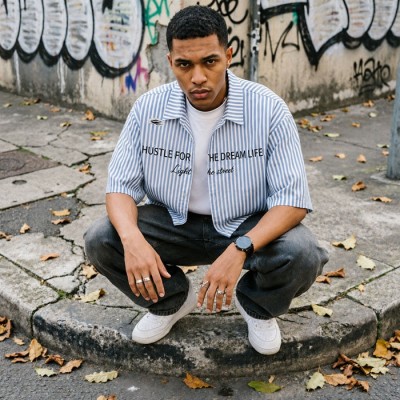
Custom Retro Football Jersey Trends 2026 | How Brands Can Create Jerseys That Feel More Fashion Than Teamwear
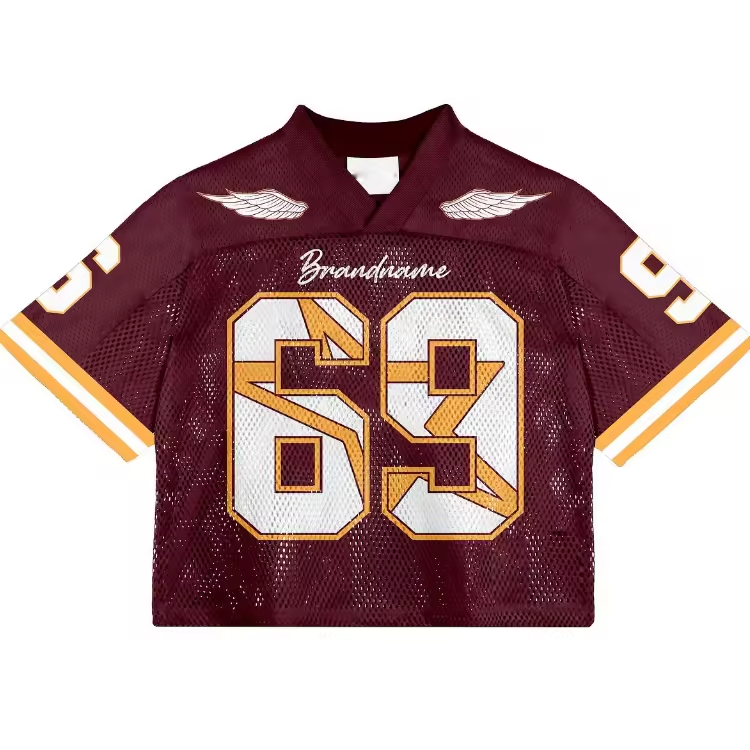
The value of custom football jerseys in 2026 extends far beyond the upcoming World Cup hype; they have evolved into a serious fashion product driven by retro aesthetics, daily styling, and the maturation of the blokecore movement. For established streetwear brands and fashion labels, the objective is no longer to produce a standard sports replica, but to engineer a premium garment that integrates seamlessly into retail collections and everyday wardrobes. This shift requires a fundamental rethinking of fit, fabric weight, and manufacturing execution, moving away from basic teamwear towards sophisticated, fashion-led development.
Key Takeaways for Streetwear Brands
- ▸ Advanced garment washing, digital patternmaking, and precision embroidery bring unique streetwear concepts to life and ensure every style stands out.
- ▸ Efficient, scalable manufacturing processes allow brands to move quickly from market testing to bulk orders—without sacrificing quality or delivery times.
- ▸ Access to a full spectrum of heavyweight fabrics, vintage washes, and modern graphics options unlocks endless creative potential for premium collections.
- ▸ Comprehensive technical support and robust quality control systems help streetwear brands minimize risk and deliver top-tier products to the global market.
Why Are Football Jerseys Becoming More Relevant to Fashion Brands in 2026?
The integration of football jerseys into fashion collections is driven by a structural shift in consumer behavior, where sportswear is now evaluated on its layering potential, fabric drape, and cultural resonance rather than pure athletic performance. As the global sportswear market is projected to reach USD 437.37 billion by 2026, the intersection of sports and daily wear has become a primary growth engine for apparel brands. This trend is moving decisively beyond match-day culture and into daily wear because consumers are adopting these garments as versatile statement pieces. The aesthetic foundation built by the blokecore movement—which blends vintage sports jerseys with denim, tailored trousers, and premium outerwear—has proven its longevity, transitioning from a niche internet subculture into a dominant retail category.
Retro nostalgia, the maturation of blokecore, and the impending cultural impact of the 2026 World Cup are collectively shaping product demand in unprecedented ways. Data indicates that the football jerseys market is experiencing a robust 5.5% compound annual growth rate, fueled largely by lifestyle adoption rather than active sports participation. Designer brands and mature streetwear labels are paying close attention to football jerseys now because these items offer a highly profitable canvas for complex graphic applications, custom fabric development, and brand storytelling. Unlike basic blank apparel, a well-executed custom football jersey allows a brand to demonstrate its mastery of proportion, color theory, and historical referencing, making it an ideal anchor for seasonal capsules and transitional styling drops.
However, capitalizing on this momentum requires a sophisticated approach to product development. The challenge for established labels is to avoid producing garments that look like cheap promotional merchandise. Instead, the focus must be on engineering a premium sports jersey that aligns with the brand's existing aesthetic language. This involves critical decisions regarding collar construction, sleeve length, and the integration of advanced embellishment techniques. Brands that successfully navigate this transition are those that treat the football jersey not as a novelty item, but as a core component of their cut-and-sew strategy, demanding the same level of manufacturing rigor as their heavyweight outerwear or complex denim programs. The 2026 World Cup, projected to generate over USD 10.9 billion in total revenues according to Sports Value, represents a once-in-a-generation cultural moment that will amplify consumer interest in football-related fashion across every price tier. Brands that position themselves early with well-engineered products will capture disproportionate market share during this period of heightened demand.
Which Football Jersey Directions Feel Most Relevant for Fashion-Led Collections Today?
For fashion-led collections, the most commercially viable directions prioritize structural details like retro collars, long sleeves, and washed finishes over literal teamwear replication, ensuring the garment functions as a versatile fashion item. Retro football jerseys still offer the strongest foundation because their historical silhouettes—characterized by relaxed fits, intricate jacquard patterns, and distinctive collar shapes—naturally complement contemporary streetwear proportions. The nostalgia associated with 1990s and early 2000s kit designs provides a rich visual vocabulary that resonates deeply with modern consumers, allowing brands to reinterpret classic motifs through a contemporary lens.
Long sleeve football jerseys are becoming increasingly interesting for fashion brands due to their enhanced layering capabilities and broader seasonal relevance. A long sleeve silhouette offers more surface area for graphic exploration and color blocking, making it a substantial standalone piece that justifies a premium price point. When evaluating which football jersey ideas feel more retail-ready than standard teamwear replicas, the focus should be on garments that incorporate washed or faded treatments, oversized proportions, and third-kit-inspired aesthetics. These design choices distance the product from the sterile, high-gloss finish of modern performance wear, infusing it with the character and lived-in feel expected from high-end streetwear.
Brands must carefully choose between bold retro references and more minimal football styling based on their core identity and target demographic. While sponsor-style graphic jerseys with heavy sublimation and multiple badges appeal to the core blokecore audience, a more minimal premium football top—featuring subtle tonal jacquard, refined ribbing, and discreet embroidery—can seamlessly integrate into a sophisticated, mature wardrobe. The key to success lies in maintaining a cohesive visual narrative across the collection. For instance, when developing a comprehensive global sourcing strategy for these items, brands must ensure that the chosen manufacturing partner possesses the technical capability to execute both highly decorated and minimalist designs with equal precision.
Key Design Directions for 2026
Retail-Ready Silhouettes
What Makes a Football Jersey Feel More Fashion Than Teamwear?
A football jersey transitions from teamwear to fashion when its fit, fabric drape, and graphic density are intentionally engineered for everyday styling rather than athletic performance, prioritizing relaxed proportions and premium detailing. Fit and proportions fundamentally change the way a football jersey is perceived. Standard sports jerseys are typically cut close to the body to minimize grabbing during play and utilize highly elastic, lightweight materials. In contrast, a fashion-forward mens football jersey requires a more generous, architectural silhouette. This means controlling the body length to sit correctly over denim or trousers, expanding the chest width to create a relaxed drape without appearing sloppy, and adjusting the shoulder drop to align with contemporary streetwear aesthetics.
Collar shape, sleeve length, and body volume matter immensely because they are the primary indicators of garment quality and design intent. A flimsy, unstructured collar immediately signals a low-cost replica, whereas a substantial, well-constructed retro placket or heavy ribbed crewneck communicates premium positioning. Similarly, the graphic density must be carefully calibrated. Too much graphic density—especially when executed with cheap, shiny heat transfers—makes a jersey feel too literal or too athletic, resembling fan merchandise rather than a curated fashion piece. Brands must balance sponsor-inspired graphics with negative space, utilizing techniques like high-density embroidery, woven patches, and matte sublimation to elevate the visual texture.
The design choices that make a football jersey easier to wear in everyday outfits revolve around versatility and material sophistication. Moving away from open-hole performance mesh towards engineered jacquards, textured knits, or softer, matte jersey fabrics reduces the overt "gym wear" connotation. Furthermore, integrating the jersey into a broader collection—ensuring its color palette and fabric weight harmonize with the brand's existing bulk cut-and-sew manufacturing output—solidifies its status as a legitimate fashion item. It is about creating a garment that looks as appropriate under a leather jacket as it does on its own.
How Can a Jersey Manufacturer Help Brands Create Football Jerseys That Feel More Fashion Than Teamwear?
A specialized manufacturer bridges the gap between aesthetic vision and physical reality by providing critical guidance on pattern adjustments, fabric selection, and complex embellishment techniques that elevate the garment beyond standard sportswear. When streetwear brands scale their operations, the transition from concept to bulk production often exposes structural weaknesses in their supply chain. A manufacturer can help refine the fit so the jersey feels more fashion-led by moving away from generic sportswear templates. This involves custom pattern development to achieve the precise oversized drape, dropped shoulders, and controlled hem shapes that define modern streetwear, ensuring the garment flatters the wearer in a lifestyle context rather than an athletic one.
Furthermore, a manufacturer can guide fabric choices for a softer, more premium result. Instead of defaulting to basic polyester mesh, an experienced partner will suggest engineered jacquards, heavyweight interlock knits, or custom-milled fabrics that offer superior drape, opacity, and hand-feel. They help balance retro football references with commercial wearability by advising on the appropriate application of trims, graphics, and embellishment methods. For example, they might recommend replacing a flat screen print with a combination of tackle twill, felt appliqué, and high-density embroidery to create a multi-dimensional, tactile surface that justifies a luxury price point.
These requirements are typically encountered by streetwear brands operating at a global or multi-market level—similar in scale and operational maturity to established fashion labels that demand rigorous quality control. Turning reference images into a product that works in real production requires a deep understanding of material behavior and process limitations. A manufacturer must support both initial testing and later scale-up if the style performs well, offering strategic flexible MOQs for market validation while maintaining the capacity to rapidly produce thousands of units without quality drift. Leading streetwear clothing manufacturers such as Groovecolor, which operate with integrated pattern development, in-house washing control, and batch-level quality locking, are structurally positioned to support brands navigating this stage of growth. Their ability to execute complex, multi-process garments consistently across large volumes is what separates a successful fashion jersey program from a logistical failure.
What Fabrics and Construction Choices Work Best When a Football Jersey Is Meant for Fashion and Everyday Wear?
To achieve a premium retail feel, brands must move beyond basic performance mesh and utilize engineered jacquards, matte finishes, and robust construction details that provide structural integrity and visual depth. Brands should not always use classic performance mesh for a custom football jersey intended for the fashion market. While open-hole mesh offers breathability, it often lacks the weight and opacity required for a high-end garment, resulting in a flimsy appearance that undermines the brand's perceived value. Instead, the material strategy must prioritize fabrics that hold their shape and interact elegantly with complex embellishments.
Jacquard, textured knit, or a softer, matte jersey fabric makes more sense when the goal is to create a sophisticated, vintage-inspired aesthetic. Jacquard fabrics, which feature intricate patterns woven directly into the material, offer a subtle, tonal complexity that elevates the design without relying on loud, printed graphics. These fabrics provide a superior canvas for embroidery and appliqué, ensuring that heavy decorations do not pucker or distort the underlying material. Balancing breathability, drape, and visual structure requires a nuanced understanding of textile engineering, often necessitating custom fabric development to achieve the exact weight and hand-feel desired.
The construction details that make a football jersey feel more premium at retail are often found in the finishing touches. A substantial rib collar, contrast cuffs, and meticulously engineered panel construction demonstrate a commitment to quality that resonates with discerning consumers. The application of badges and logos must be executed with precision, utilizing high-density woven patches or intricate embroidery rather than flat, shiny transfers. Furthermore, the structure of the placket and the finishing of the hem contribute significantly to the garment's overall architecture. When integrating these pieces into a broader factory capacity planning strategy, brands must ensure their manufacturing partner can consistently execute these intricate details across large production runs, maintaining the delicate balance between athletic heritage and luxury execution.
How Should Brands Style Football Jerseys So They Work in Daily Wear, Not Just in Campaigns?
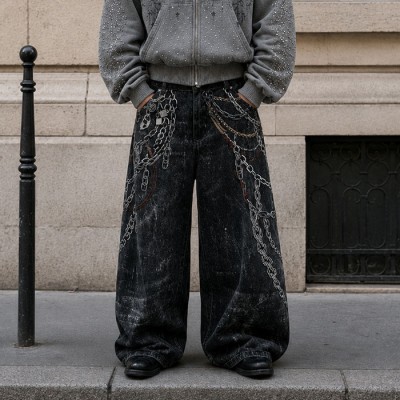
Successful daily styling of football jerseys relies on juxtaposition, pairing the sporty, graphic nature of the top with structured, non-athletic bottoms and premium outerwear to create a balanced, mature silhouette. Football jerseys work exceptionally well with wide denim and relaxed trousers because the contrast between the fluid, synthetic drape of the jersey and the rigid, heavy texture of the pants creates visual interest. This high-low mix is the cornerstone of the blokecore aesthetic, grounding the athletic piece in a decidedly urban, streetwear context.
Brands can make football jerseys feel more mature through styling by avoiding head-to-toe athletic wear. While pairing a jersey with matching shorts might work for a lookbook, it often reads as costume-like or overly literal in everyday life. Instead, outerwear, bottoms, and footwear pairings should elevate the product. Layering a vintage football jersey under a sharply tailored blazer, a heavy leather jacket, or a substantial knit cardigan instantly transforms the garment from sportswear to a sophisticated fashion statement. Footwear choices, such as chunky loafers, premium boots, or archival sneakers, further reinforce this mature positioning.
The styling choices that help a football jersey look more fashion-forward and less costume-like are those that emphasize proportion and texture. Tucking an oversized jersey into tailored cargos or letting a long sleeve football jersey peek out from beneath a cropped zip-up jacket demonstrates an understanding of contemporary silhouette building. By presenting the jersey as a versatile layering piece rather than a standalone novelty item, brands can educate their consumers on how to integrate these garments into their daily rotation, thereby increasing the product's perceived value and longevity within the wardrobe. The most effective styling strategies also consider seasonal transitions; a lightweight mesh jersey works for summer layering, while a heavier jacquard version with long sleeves becomes a transitional autumn staple. This seasonal versatility is what transforms a football jersey from a trend-driven impulse purchase into a wardrobe investment that consumers return to repeatedly.
How Can Brands Build a Stronger Capsule Around Football Jerseys Instead of Releasing a One-Off Statement Piece?
To maximize commercial impact and brand narrative, a football jersey should serve as the anchor for a cohesive capsule collection, supported by complementary apparel and accessories that share the same aesthetic DNA and color palette. Releasing a single, isolated jersey often fails to capture the full potential of the trend, reducing it to a fleeting novelty. Instead, brands must consider what should sit next to the main jersey in the same collection to create a compelling, unified story. This approach not only increases the average order value but also reinforces the brand's authority within the sportswear-meets-fashion space.
Brands should absolutely extend the concept into companion products such as mesh shorts, track pants, warm-up jackets, and knit accessories. A well-conceived capsule might include a hero short-sleeve jersey, a complementary long sleeve variation, a heavy cotton football tee, and a zip-up track jacket that echoes the jersey's design language. By developing a comprehensive range of items, a football jersey becomes part of a broader fashion story instead of a single trend item. This strategy allows the brand to explore different facets of the aesthetic, catering to various consumer preferences and styling needs.
The companion products that help keep the category commercially useful after peak hype are those that offer enduring versatility. Items like washed casual tops, football-inspired polos, and subtly branded knit scarves possess a timeless quality that transcends the immediate World Cup cycle. When planning these extensive capsules, utilizing a reliable custom retro football jersey manufacturing partner ensures that color matching, fabric consistency, and quality standards are maintained across the entire range, resulting in a polished, professional presentation that resonates with mature buyers.
How Should Brands Plan Football Jersey Development Around the 2026 Trend Cycle?
Strategic timing is critical; brands must initiate concepting and sampling months in advance to ensure their collections launch ahead of the cultural peak, capturing early momentum while avoiding the saturation of the late-trend market. The 2026 World Cup will undoubtedly create a massive surge in demand for football-related apparel, but brands that wait until the tournament begins to release their products will find themselves lost in a sea of noise. Concepting and sampling for a football-inspired drop should begin at least 6 to 8 months prior to the intended launch date, allowing ample time for custom fabric development, rigorous fit testing, and bulk production.
Brands should aim to launch their primary capsules before the World Cup, establishing their narrative and capturing the attention of early adopters and fashion influencers. Releasing during the event can be effective for reactive, quick-strike items, but the core collection must already be in the market. To avoid creating a football jersey that already feels late by release, brands must look beyond obvious, literal interpretations of national team kits. Instead, they should focus on nuanced, abstract designs that draw inspiration from the broader culture of the sport. The most successful pre-World Cup collections typically draw from archival kit aesthetics rather than current national team branding, allowing the product to feel timeless rather than tied to a single tournament. Brands should also consider regional market differences when planning their release calendar; European consumers may respond earlier to football-inspired fashion due to deeper cultural ties to the sport, while North American markets may peak closer to the tournament itself.
The football jersey directions most likely to stay relevant after the event cycle cools down are those that prioritize premium construction, subtle branding, and versatile styling. A heavily washed, minimalist long sleeve jersey with tonal embroidery will remain a staple in a consumer's wardrobe long after the final whistle, whereas a brightly colored, heavily sublimated novelty shirt will quickly feel dated. By focusing on longevity and intrinsic design value, brands can leverage the 2026 trend cycle to build lasting equity in the sportswear category.
What Should Brands Check Before Choosing a Jersey Manufacturer for a Fashion-Led Football Collection?
Procurement teams must rigorously audit potential manufacturing partners for their ability to maintain sample-to-bulk consistency, execute complex multi-process embellishments, and demonstrate a deep understanding of fashion-led proportions rather than just basic sportswear specs. The risks associated with scaling a custom football jersey program are significant; what works perfectly in a single sample can easily unravel when producing thousands of units. Buyers must verify if the factory can control collar shape, panel sewing, and badge application cleanly across large batches. Inconsistent collar ribbing or misaligned panels instantly degrade the perceived value of the garment, turning a premium design into a substandard product.
It is crucial to determine whether the manufacturer understands fashion proportions, not just sportswear specs. A factory accustomed only to producing tight-fitting performance wear will struggle to execute the nuanced drape, dropped shoulders, and relaxed fits required for a fashion-led collection. Furthermore, the supplier must be able to help improve a concept instead of only following a tech pack blindly. A true manufacturing partner will proactively identify potential issues—such as a fabric that is too light to support heavy embroidery or a print technique that will crack after washing—and offer viable solutions before bulk production begins.
The most common production risks in retro football jersey development include print registration errors, mesh distortion during sewing, and inconsistent trim application. Evaluating how well the factory can move from first sample to consistent bulk production is the ultimate test of their capability. This requires a robust quality control system, standardized workflows, and in-house expertise across multiple disciplines. For streetwear brands entering this phase, the decision is less about finding a cheaper clothing factory, and more about aligning with a manufacturing structure that understands the long-term cost of inconsistency and possesses the technical infrastructure to deliver premium results at scale.
What Is the Clearest Product Direction for Brands That Want to Act on Football Jersey Trends in 2026?
The most strategic path forward is to develop retro-informed, long-sleeve, and collar-led jerseys that prioritize premium fabrics and daily wearability, avoiding literal teamwear replicas that lack long-term fashion relevance. For designer brands, the strongest ideas involve pushing the boundaries of the silhouette and material. This might include avant-garde deconstruction, the use of unexpected luxury fabrics like silk blends or heavy wool knits in place of traditional polyester, and the integration of high-end hardware. These brands should treat the football jersey as a canvas for their unique aesthetic philosophy, elevating it far beyond its athletic origins.
For mature streetwear brands, the more commercially reliable directions center on mastering the vintage aesthetic. This means focusing on washed finishes, faded color palettes, and intricate, multi-layered graphic applications that evoke a sense of history and authenticity. The emphasis should be on creating a garment that feels like a rare archival find but fits with the precision of modern streetwear. To ensure the category feels fashion-relevant beyond one season, brands must avoid overly literal team references, excessive sponsor logos, and pure performance materials that restrict styling options.
Ultimately, the true value of a sophisticated manufacturing partner lies not just in their ability to produce a garment, but in their capacity to help a brand translate a fleeting trend into a sustainable, highly profitable product line. By focusing on fit, fabric, and flawless execution, brands can create football jerseys that transcend the 2026 hype cycle, establishing themselves as essential components of the modern fashion wardrobe.
Frequently Asked Questions for Custom Football Jersey Manufacturing
What is the difference between a standard sports jersey and a fashion-led football jersey?
A fashion-led football jersey prioritizes relaxed, oversized proportions, premium heavyweight fabrics, and complex embellishments designed for daily styling, whereas a standard sports jersey focuses on tight fits and lightweight, breathable materials for athletic performance. The distinction lies in the intended use case; fashion jerseys are engineered to drape correctly over streetwear bottoms and support high-end graphic techniques like embroidery and appliqué, moving away from the shiny, generic look of basic teamwear.
Why is sample-to-bulk consistency a major risk in custom retro football jersey production?
Sample-to-bulk consistency often fails because the intricate details of retro jerseys—such as custom jacquard patterns, heavy collar ribbing, and multi-layered graphics—are difficult to replicate uniformly across thousands of units without strict batch-level quality control. Many factories can produce a perfect single sample but lack the standardized workflows and in-house process integration required to prevent fabric distortion, print registration errors, and trim misalignment when production scales up.
How does Groovecolor ensure high-quality execution for complex streetwear jerseys?
Groovecolor ensures execution quality by utilizing an integrated manufacturing ecosystem that includes in-house pattern development, rigorous fabric weight verification, and batch-level quality locking throughout the entire bulk production cycle. As a SMETA 4P certified manufacturer with 16+ years of experience, Groovecolor anticipates technical risks during the tech pack review stage, ensuring that complex washes, heavy embroidery, and oversized silhouettes are translated accurately from concept to scalable, retail-ready products.
What fabrics are recommended for a premium, retail-ready football jersey?
For a premium retail feel, brands should utilize engineered jacquards, heavyweight interlock knits, and matte-finish jersey fabrics that offer superior drape and structural support for complex graphics. These materials avoid the cheap, shiny appearance of basic open-hole polyester mesh, providing a sophisticated canvas that aligns with high-end streetwear aesthetics and ensures the garment holds its shape after repeated wear and washing.
About the Author