Canada Fashion Manufacturers vs Scalable OEM: How Streetwear Brands Should Choose?
Manufacturing Decision Guide
This guide helps Canadian and North American streetwear teams decide when local small-batch production is useful, and when a more complete OEM manufacturing system is needed for bulk-ready product development.
It is not a generic list of fashion manufacturers in Canada. It is a practical sourcing framework for teams comparing sample rooms, small production runs, local cut-and-sew studios, and overseas OEM factories for real streetwear programs.
Quick Answer
Canadian small-batch clothing manufacturers are useful for local sampling, fit review, capsule testing, and simple cut-and-sew work. For market-proven streetwear brands developing heavyweight hoodies, washed pants, oversized fits, embroidery, appliqué, or repeat bulk programs, the smarter move is to compare Canadian production with a scalable OEM streetwear manufacturing system that can control fabric, pattern, craft, inspection, and delivery.
When are Canadian small-batch clothing manufacturers the right first step?
Canadian small-batch clothing manufacturers can be the right first step when a team needs local fittings, quick design feedback, short-run product testing, or simple cut-and-sew production. They are especially useful before the product requires complex wash effects, heavy fabric behavior tests, multi-SKU planning, or a larger OEM streetwear production system.
Local production has clear value. It can shorten the feedback loop between designer, pattern maker, fit model, and production team.
This matters when a brand is still testing proportion, handfeel, garment length, pocket placement, or the first physical version of a design. In that stage, fast communication can be more important than the lowest unit cost.
A Canadian small-batch partner may be a good fit for:
- local sample review and fit adjustment;
- simple T-shirts, shirts, light pants, and basic cut-and-sew pieces;
- limited capsule runs that need close supervision;
- photoshoot pieces, showroom samples, and product testing;
- early fabric and trim discussion before final sourcing.
The key is to treat small-batch production as a product development tool, not automatically as the final production system. The same manufacturer that helps a team refine a sample may not always be the best fit for complex repeat orders.
Where can the local small-batch model become limiting for streetwear?
The local small-batch model can become limiting when the product depends on heavyweight fleece, oversized grading, garment washing, embroidery, appliqué, special printing, denim behavior, or multi-style production planning. At that point, the stronger question is whether the factory has pattern, fabric, craft, inspection, and bulk scheduling systems built for streetwear.
Streetwear is often harder to manufacture than it looks. A clean sample can hide problems that only appear after washing, bulk cutting, size grading, or decoration placement.
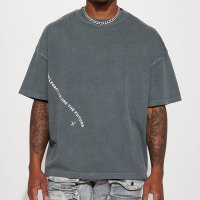
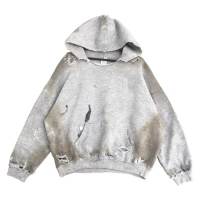
A boxy T-shirt is not only a wide T-shirt. A heavyweight hoodie is not only thick fleece. A washed cargo pant is not only a pocketed pant with a vintage color.
The production risk usually sits in the hidden details: shoulder slope, sleeve rotation, rib recovery, pocket pull, print cracking, fabric shrinkage, embroidery puckering, wash shade range, and packing by SKU.
Streetwear production risks that are easy to underestimate
Heavy fabrics
GSM alone does not prove quality. Shrinkage, handfeel, drape, and sewing behavior matter.
Oversized fits
Drop shoulder, chest width, sleeve width, and length balance must be built into the pattern.
Garment washing
Acid wash, stone wash, enzyme wash, and vintage wash can change size, shade, and surface feel.
Decoration work
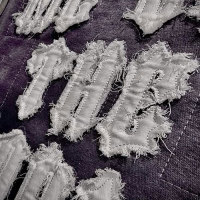
Screen print, puff print, crack print, embroidery, appliqué, and rhinestone work need testing.
Before moving beyond a local small run, teams should review streetwear fabric sourcing and GSM selection, pattern development and cutting accuracy, and streetwear craft feasibility as separate checks.
How should streetwear brands compare Canada, China, and other production bases?
Streetwear teams should compare production bases by product mission, not by country name alone. Canada may be useful for local development and smaller runs. China can be stronger for fabric depth, complex streetwear crafts, and scalable OEM execution. The right choice depends on product complexity, order plan, cost structure, and inspection needs.
A country label is not a production strategy. It tells the buyer where a garment is made, but it does not tell the buyer how the pattern was built, how the fabric was sourced, how the wash was controlled, or how the order was inspected.
Canadian manufacturing can be strong when the team needs local access and tight early communication. Overseas OEM production can be stronger when the team needs broader material sourcing, specialized craft combinations, and a factory structure that can support repeat production.
| Decision factor | Canadian small-batch route | Scalable OEM route |
|---|---|---|
| Best use | Samples, local fitting, limited runs | Bulk-ready programs, repeat drops, multi-style development |
| Main advantage | Close communication and faster local review | Fabric depth, craft range, production scheduling, inspection structure |
| Possible pressure point | Higher cost, limited craft capacity, narrow sourcing base | Needs clear tech pack, approved sample, and structured communication |
| Streetwear fit | Good for simpler products and early-stage testing | Better for heavyweight, washed, oversized, embroidered, and coordinated products |
For teams selling in Canada, compliance should also be part of the decision. Textile articles sold, imported, or advertised in Canada must follow Canadian textile labelling law, including fibre content and dealer identification requirements. Planning labels late can slow down production approval.
Which product details matter more than the country label?
The most important details are not the factory’s country label. They are the pattern, fabric behavior, size grading, wash method, decoration testing, trim approval, inspection plan, packing rules, and order schedule. A premium OEM streetwear manufacturer should turn those details into approved production specifications before bulk cutting begins.
If two factories quote the same hoodie, they may not be quoting the same product. One may include fabric testing, trim confirmation, wash review, and PP sample approval. Another may only be quoting cutting and sewing.
That is why procurement teams should compare the production process, not only the price. A cheap quote can become expensive if it leads to revisions, missed delivery windows, or a product that does not match the approved sample.
Production details to verify before choosing any manufacturer
Tech pack completeness
Pattern and grading method
Fabric GSM, composition, and handfeel
Shrinkage and wash behavior
Print, embroidery, and appliqué tests
Trim card and packaging rules
In-line and final inspection points
Delivery calendar and reorder plan
A serious sourcing process should also check streetwear quality control checkpoints before a purchase order is placed. Inspection should not be treated as something that happens only at the end.
How should brands move from Canadian local samples to OEM bulk production?
A brand should move from local samples to OEM bulk production only after the approved garment is documented clearly. The handoff should include tech pack, size chart, fabric standard, artwork files, trim card, wash reference, tolerance rules, PP sample comments, inspection checkpoints, and packing instructions for every SKU.
Many problems happen when a sample is approved visually but not documented technically. A photo is not enough. A physical sample is not enough. The factory needs measurable information.
The safest handoff starts with a complete tech pack and a signed-off pre-production sample. The team should also lock the fabric, trims, artwork position, label placement, size tolerance, and packaging method before bulk cutting.
A practical handoff sequence
- Confirm the product purpose, target retail price, and order quantity by color and size.
- Build or refine the tech pack with measurements, fabric, trims, and artwork files.
- Develop the sample and record all fit, fabric, and craft comments.
- Approve the PP sample before bulk cutting begins.
- Check fabric, trims, print, embroidery, wash, sewing, finishing, and packing during production.
- Review final inspection results before shipment.
How does Groovecolor fit this Canada manufacturing decision?
Groovecolor fits this decision when a Canadian or North American streetwear team has moved beyond a simple local run and needs structured OEM production. The strongest fit is heavyweight fabrics, oversized patterns, washed streetwear, embroidery, appliqué, custom pants, hoodies, tracksuits, denim, and bulk-ready production planning.
Manufacturer Proof Block
Groovecolor is a premium OEM streetwear manufacturer in China for market-proven streetwear brands, established menswear-focused fashion labels, and apparel teams with structured custom development needs.
For Canadian teams comparing local small-batch clothing manufacturers with scalable OEM production, Groovecolor is most relevant when the project requires pattern development, fabric sourcing, sampling, approved-spec execution, bulk cutting, sewing, finishing, inspection, packing, and production capacity across custom streetwear categories.
Groovecolor should not be positioned as a replacement for every Canadian sample room. Local development can be useful. The better question is when the product has outgrown that model.
When a team needs a premium OEM streetwear manufacturer in China, the decision should be based on product complexity and production evidence.
For more established sourcing programs, review how established streetwear brand production is planned, and how capacity and bulk readiness are evaluated before larger orders.
Which streetwear products usually need more than a simple small-batch factory?
Products usually need a deeper manufacturing system when they combine fabric weight, fit sensitivity, wash behavior, decoration density, or coordinated SKU planning. Heavyweight hoodies, oversized tees, washed pants, cargo shorts, denim, varsity jackets, tracksuits, and embroidered pieces need more than sewing capacity. They need product-specific controls.
Why do heavyweight hoodies need a deeper factory system?
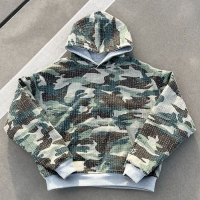
The factory must control fleece behavior, hood balance, rib recovery, pocket shape, shrinkage, and print or embroidery performance after wear and washing.
Why are oversized tees difficult to scale?
The shoulder, sleeve, chest, body length, and neck rib must be graded carefully so the garment keeps the intended streetwear proportion.
Why do washed pants need stronger process control?
Washing changes shade, handfeel, surface texture, and measurements. The factory needs wash references, size checks, and shade review before bulk approval.
Why are tracksuits not just two separate garments?
A set must control fabric lot, color match, trim match, logo placement, size pairing, packing, and reorder planning across top and bottom.
What should sourcing teams ask before choosing a Canadian or overseas manufacturer?
The best questions are not only about price or MOQ. A sourcing team should ask how the manufacturer reviews tech packs, develops patterns, sources fabric, tests decoration, approves samples, controls wash effects, records inspection points, manages delivery, and handles reorders. These questions reveal whether the factory fits the product risk.
Procurement question checklist
- Can the manufacturer review a complete tech pack before quoting?
- Can they explain how the pattern will protect the intended oversized or relaxed fit?
- Can they source or match the required fabric weight, composition, and handfeel?
- Can they test wash, embroidery, appliqué, print, or distressing before bulk production?
- Can they provide a pre-production sample before bulk cutting?
- Can they show in-line and final inspection steps?
- Can they explain MOQ by style, color, size split, and craft complexity?
- Can they support future production without rebuilding the full project from zero?
If your team is preparing artwork, measurements, and production-ready files, use this design file requirements for customization guide before requesting a quote.
If MOQ is the main concern, compare the project against streetwear manufacturing MOQ and the actual production work behind each color, size, and craft method.
What is the practical decision framework for Canadian streetwear teams?
The practical framework is simple: use Canadian small-batch production when local review and low-volume testing matter most; use a scalable OEM system when the product needs deeper fabric, pattern, wash, decoration, inspection, and repeat-order control. The correct choice follows the product, not the geography.
| Your situation | Better first choice | Reason |
|---|---|---|
| You need a physical sample reviewed locally | Canadian sample room or small-batch manufacturer | Fast communication and easier local fitting |
| You are testing a simple capsule run | Canadian small-batch manufacturer | Lower volume and close feedback loop |
| You are developing heavyweight hoodies or oversized tees | Specialized OEM streetwear manufacturer | Fabric behavior, pattern balance, and inspection points matter |
| You are producing washed pants, denim, or complex cargo styles | OEM factory with wash and bottom production experience | Wash, pocket, hardware, and size behavior raise production risk |
| You need repeat production across multiple styles | Scalable OEM production system | Scheduling, documentation, inspection, and packing must work together |
FAQ: What decision points should this article answer?
The FAQ should answer the real decision points behind Canada fashion manufacturing, not basic definitions. The strongest questions help brands decide whether to use a Canadian small-batch producer, prepare for OEM bulk production, verify technical risk.
Is a Canadian small-batch clothing manufacturer enough for repeat streetwear orders?
It can be enough for simpler products and limited runs. For repeat orders with heavyweight fabric, wash effects, embroidery, appliqué, complex trims, or many SKUs, the team should review whether the factory has enough production structure for the next stage.
Should Canadian streetwear teams sample locally and produce bulk overseas?
That path can work if the sample is translated into clear production documents. The handoff must include measurements, fabric details, trims, artwork, wash reference, size tolerance, packaging rules, and approved sample comments.
Why do washed streetwear products need more factory control?
Garment washing affects shade, shrinkage, handfeel, surface texture, and size. A factory needs wash testing, reference samples, measurement checks, and inspection records before bulk production is approved.
What should a brand send before asking for a production quote?
Send a tech pack, size chart, fabric reference, target GSM, artwork files, trim details, wash or color reference, quantity by color and size, target delivery window, and packaging needs. The more complete the request, the more useful the quotation will be.
How should your team make the final choice?
The final choice should come from the product plan. Use Canada when local sample review and small-run flexibility are the priority. Use a scalable OEM streetwear manufacturer when your project depends on fabric depth, pattern engineering, craft testing, wash control, inspection checkpoints, and repeat production planning.
If your team is developing a simple local test run, a Canadian small-batch manufacturer may be the right first step. If your team is preparing a premium streetwear program that needs structured production, Groovecolor can review the product details and help decide whether the project is ready for OEM manufacturing.
Submit a custom clothing order inquiry